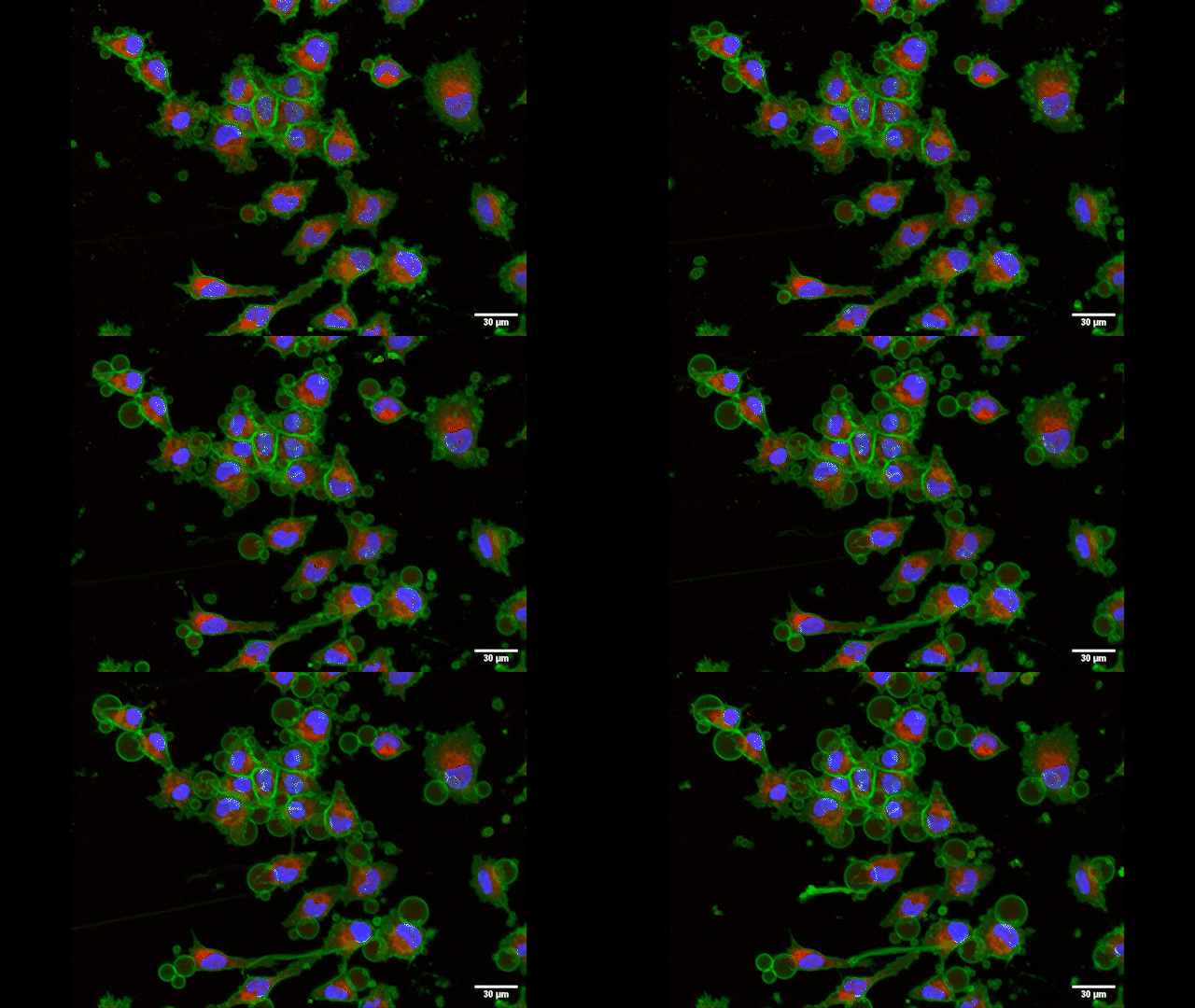
Particles known as extracellular vesicles play a vital role in communication between cells and in many cell functions. Released by cells into their environment, these “membrane particles” consist of a cellular membrane carrying a cargo of specific signaling molecules, proteins, nucleic acids and lipids. Unfortunately, only tiny quantities of the vesicles are formed spontaneously by cells.
Extracellular vesicles for medical applications
The contents of these extracellular vesicles vary depending on the origin and condition of the cell, as do the proteins that are anchored to the vesicle surface. Researchers use these properties to develop new techniques for diagnosing cancer, for example, based on the analysis of extracellular vesicles isolated from blood samples.
Extracellular vesicles could also play a key role in the development of next-generation therapeutics. As the vesicles are of natural origin, they are biocompatible and can trigger a wide range of different reactions in the body.
Researchers therefore hope to use the particles to influence the immune system – for example, in order to destroy cancer cells. Until now, however, one major challenge has been the reproducible production of the large quantities of homogeneous vesicles needed for such studies.
A faster route to more particles
Now, a team of researchers led by Professor Jörg Huwyler from the Department of Pharmaceutical Sciences and the Swiss Nanoscience Institute (SNI) of the University of Basel has developed a highly efficient preparation method for extracellular vesicles that delivers up to 100 times more particles per cell and hour than conventional methods. They describe the new method in the journal Communications Biology (Nature Portfolio).
“We start the preparation process by cultivating cancer cells, in which we induce cell death by adding chemical stressors,” explains Claudio Alter, first author of the study and a doctoral student at the SNI PhD School. “The cells then form vesicles, which detach from the parent cell after a few hours.”
@ C. Alter, Department of Pharmaceutical Sciences, University of Basel
With a diameter of 1 to 3 micrometers, these giant plasma membrane vesicles are far too big for therapeutic applications. In the newly developed process, they are therefore pressed through a filter membrane multiple times in order to reduce their size. “After multiple filter passes, we obtain a homogeneous solution of nano plasma membrane vesicles (nPMV) with a diameter of 120 nanometers – precisely what we need for subsequent applications,” explains Alter.
Different origin, different applications
The team of researchers then characterized these nPMVs and compared their size, homogeneity, and protein and lipid cargo with those of exosomes – currently the most commonly used extracellular vesicles. They also investigated how well the nPMVs interact with other cells. In these analyses, the nano plasma membrane vesicles showed similar properties to exosomes.
“Their specific cargo and the presence of membrane-bound markers derived from the parent cell line offers the possibility to use nPMVs for therapeutic purposes,” says Jörg Huwyler. “At present, we’re primarily thinking of a stimulation of the immune system – for example, in vaccination or in immunotherapy treatments for cancer.”
Reference
High efficiency preparation of monodisperse plasma membrane derived extracellular vesicles for therapeutic applications
Claudio L. Alter, Pascal Detampel, Roman B. Schefer, Claudia Lotter, Patrick Hauswirth, Ramya D. Puligilla, Vera J. Weibel, Susanne H. Schenk, Wolf Heusermann, Melanie Schürz, Nicole Meisner-Kober, Cornelia Palivan, Tomaž Einfalt & Jörg Huwyler
Nicoya Lifesciences reported that BALANCE project partners demonstrated autonomous bioreactor control and integrated its Alto Digital SPR platform for automated antibody titer measurement from crude bioreactor samples.
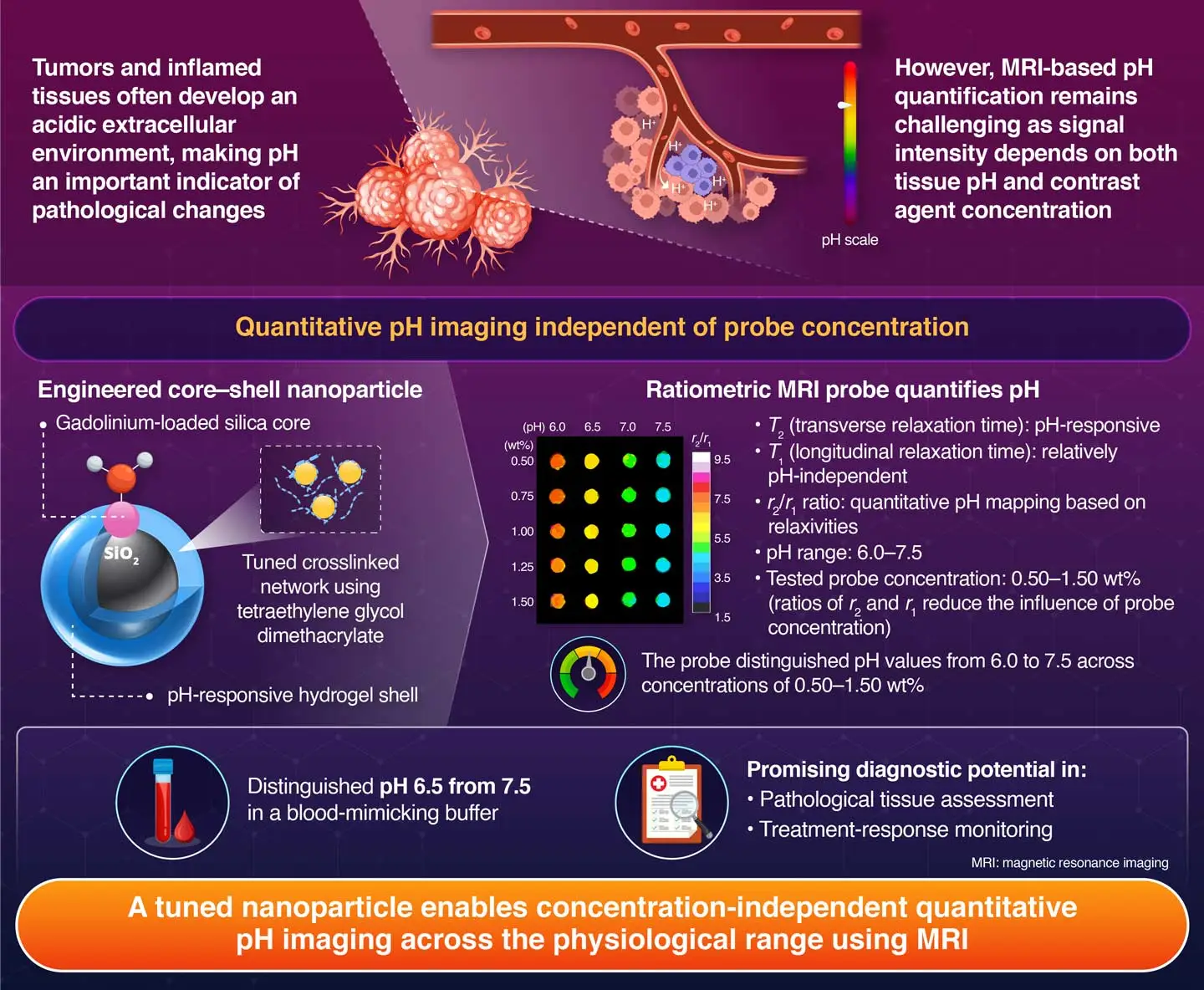
Researchers have built a core-shell nanoparticle MRI contrast agent that reports tissue pH independently of probe concentration. A gadolinium-loaded silica core sits inside a crosslinked polymer hydrogel shell tuned with tetraethylene glycol dimethacrylate; as acidity rises the shell shrinks, shifting transverse relaxivity while longitudinal relaxivity holds steady. Ratiometric imaging of the r2/r1 ratio resolved pH 6.0 to 7.5 across agent concentrations and in serum.
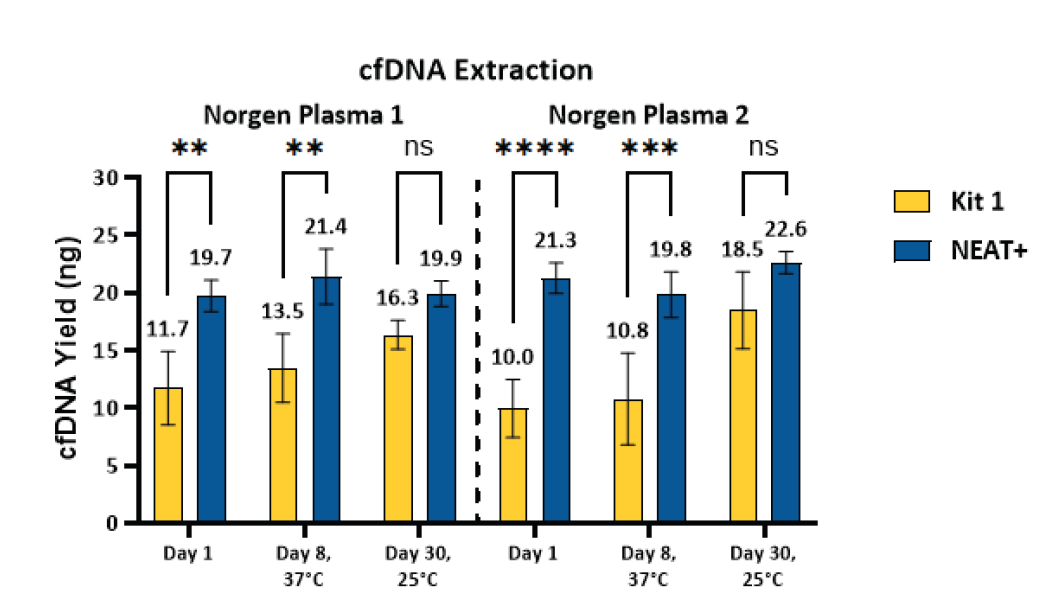
Ceres Nanosciences has published Application Note #108 reporting that its NEAT cfDNA Extraction Kit recovered an average of 60% more cfDNA than a column-based kit from preserved plasma samples.
This week in nanotech
$18.9M raised
4 funding rounds · 31 deals tracked
New products
 Nion-compatible In Situ STEM Holders for Electrical BiasingHummingbird Scientific Featured
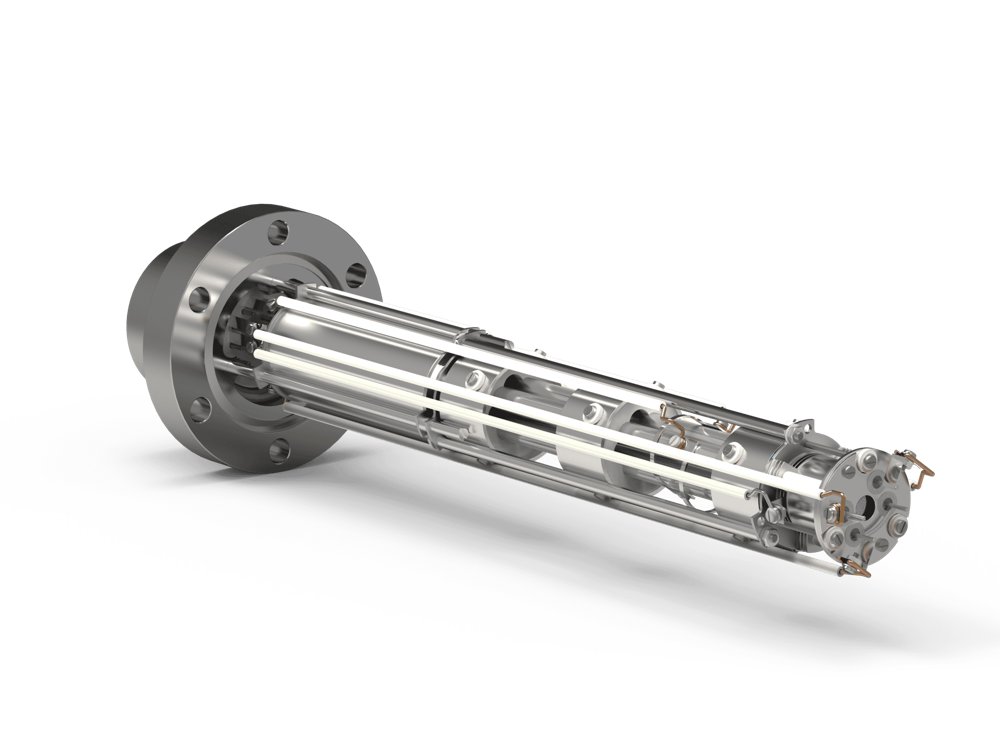 DLS-1 Mass Spectrometer for Fusion Gas AnalysisHiden Analytical Featured
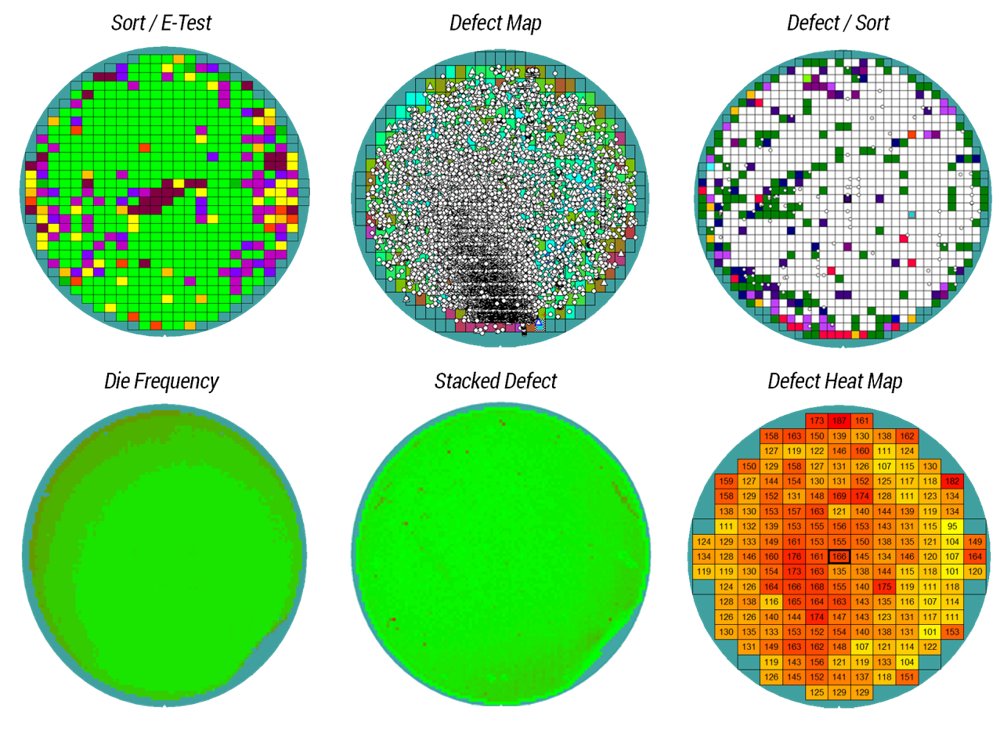 Discover Mapping SuiteOnto Innovation
Market insights
Last 30 days: Semiconductors & Electronics was the busiest vertical: 52 of 170 events (31%).
Money raised per month