Marietta, Georgia, USA, 6 October 2026. Birla Carbon will showcase its conductive carbon portfolio at The Battery Show North America 2026, taking place on October 12–15, 2026, at Huntington Place in Detroit, Michigan, USA, at Booth 3029. The portfolio includes Conductex™ i conductive carbon blacks, Nanocyl™ carbon nanotubes, and carbon black-CNT blended solutions.
The company stated that conductive carbon materials create pathways for electrons within battery electrodes. The right conductive additive can contribute to faster charging, improved high-rate performance, and longer cycle life, while also supporting more efficient battery manufacturing.
Shashank Awasthi, President, Specialty Materials, Birla Carbon, said, “Electrification is creating new performance demands across the materials value chain, and advanced carbon materials have an important role to play in meeting them. At Birla Carbon, we are combining our expertise in carbon materials with an expanding specialty portfolio to help customers address these evolving requirements.”
Conductex™ i carbon black grades also help reduce solvent consumption and energy use during battery electrode manufacturing, lowering production costs for customers. The solutions offer high purity, best-in-class conductivity, and excellent, uniform dispersibility.
Birla Carbon is present in 14 countries, with 19 manufacturing plants and 3 R&D centers, delivering solutions across 6 continents.
Source: Nanocyl SA news
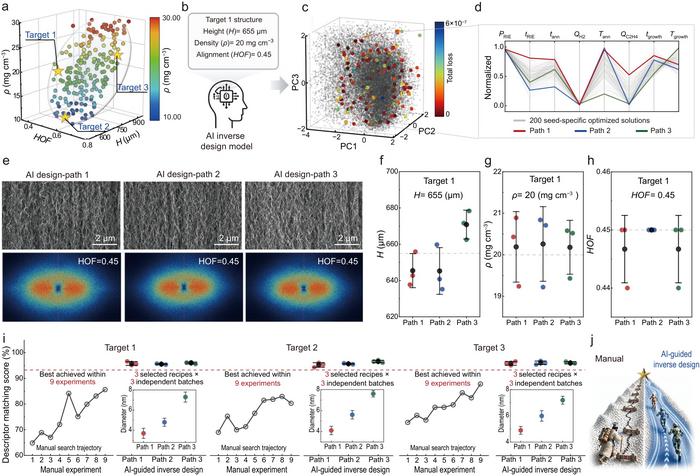
An AI-assisted inverse-design framework has identified multiple distinct growth recipes that reach the same prescribed height, density and alignment in carbon nanotube forests. Trained on 200 water-assisted chemical vapour deposition experiments, the model searched backward from structural targets; 26 of 27 validation batches scored above 95% descriptor matching, yet nanotube diameters and wall structures differed.
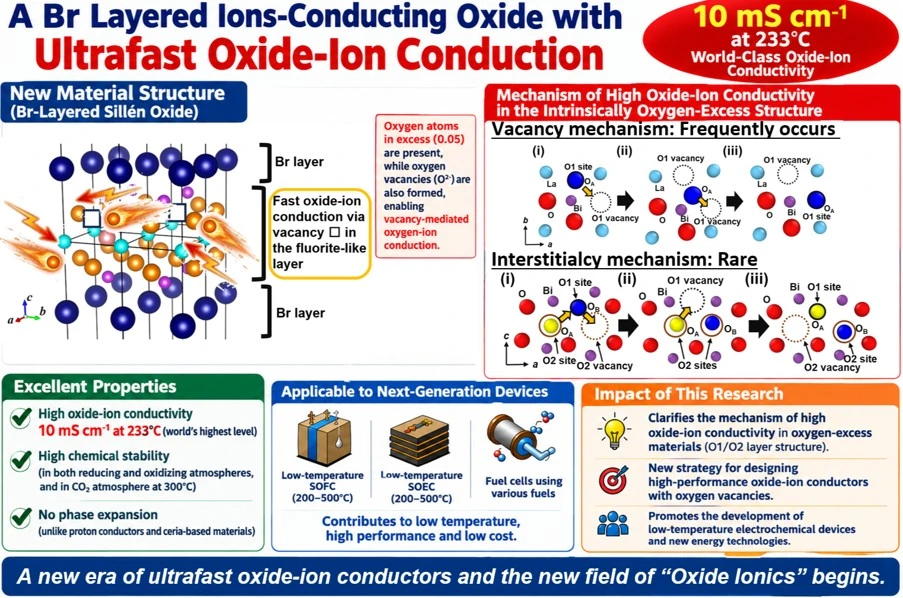
Researchers at Institute of Science Tokyo have discovered a Sillén oxybromide, Bi1.9Te0.1LaO4.05Br, that conducts oxide ions at 0.01 S cm⁻¹ at 233 °C, closing part of the "Norby gap" where practical electrolytes are scarce. The material remains chemically stable in oxidizing, reducing, wet, and CO2 atmospheres and shows negligible chemical expansion.
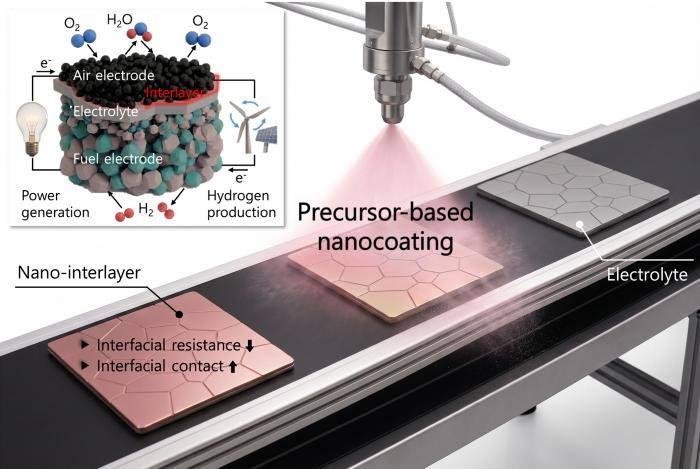
A Sungkyunkwan University team led by Professor Wonyoung Lee has tackled interfacial contact resistance in protonic ceramic electrochemical cells by quantifying how contact coverage between electrolyte and electrode governs performance. Using electrostatic spray deposition to add a dense nanometer-scale interlayer, the cells achieved higher efficiency and durability in both power generation and hydrogen production, remained stable under rapid temperature changes, and operated directly on…






