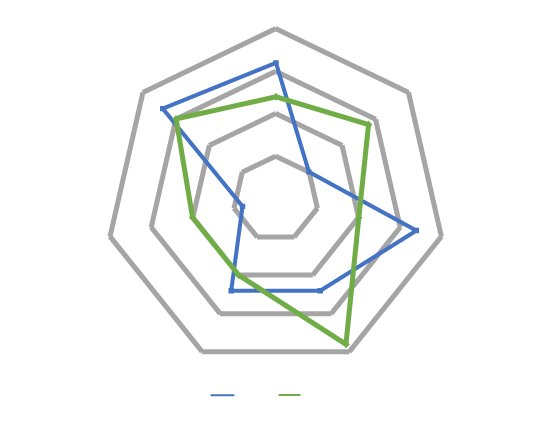
Extreme Ultraviolet Lithography The biggest problem facing lithographers using EUV is the RLS trade-off: simultaneous improvement of resolution, line width roughness, and photosensitivity. Benefits of Brewer Science® EUV Materials - Less line width roughness (LWR) and line edge roughness (LER) - Less pattern collapse and micro-bridging caused by high aspect ratios of printed features - Better adhesion - Less effects from strong capillary forces during development - Less outgassing than positive-tone photoresists during EUV exposure Product-Specific Properties Material: E²Stack® AL412-301.5 Thickness: 12 nm Spin Speed (rpm): 1500 rpm Bake: 205°C, 60 s Viscosity (cP): 1.57 Brewer Science began working on EUV materials 15 years ago with a focus on materials to enhance the process window of existing EUV resists. In that time, Brewer Science has created multiple assist layer materials under the E 2 Stack® material umbrella. These materials are the industry standard for EUV underlayers, and enable faster development of EUV photoresist and processes. Over the years, these EUV materials have expanded into multilayer materials as well as novel metal-containing assist layers to improve pattern transfer and EUV dose sensitivity. Brewer Science continues to work closely with all major industry EUV players to ensure the smooth transition from R&D to production.
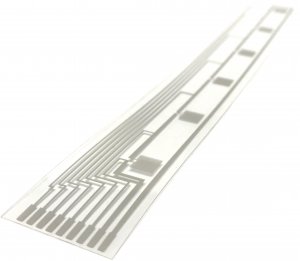
Temperature Sensor Arrays for FHE Applications Brewer Science can deliver highly sensitive, printed, metal temperature sensors for precise measurement of temperature on large areas and array applications. Temperature sensors can be used in a wide array of applications, enabling accurate, real-time responses to small changes in temperature. Our sensors provide full digital output with an onboard microcontroller for signal processing, have a flexible form factor, and can measure absolute temperature to within 1˚C. What Are RTDs? Resistive temperature detectors (RTDs) are devices that use resistance to show significant changes in temperature. These devices measure temperature by passing a low-level current through electrodes and measuring voltage drop across them. Why FHE Temperature Arrays? Flexible hybrid electronic (FHE) temperature arrays enhance many different applications and markets. Typically, users look for printed FHE systems when looking to measure temperature in confined spaces with narrow areas where typical silicon sensors can’t fit. FHE arrays are key for measuring multi-point surface temperature. Benefits of FHE Temperature Arrays - Full digital output with onboard microcontroller for signal processing - Flexible form factor - Measures absolute temperature to within 1˚C - Millisecond data capture for enhanced yield and throughput - Improves decision-making capabilities through real-time data collection - Easily interfaces to existing electronic systems to make fully printed temperature arrays for temperature monitoring in 2D surfaces - Able to be implemented into arrays for multi-point measurements, including different sensing technologies Potential Applications - Industrial tool optimization - Monitoring of electronic components - Environmental monitoring - Consumer applications - Batteries, displays, LEDs - Power supply - Electrical and hybrid vehicle batteries - Thermal mapping and imaging Specification Performance Parameters | Performance Resistance Value (at 25 ̊C) | 300 ± 10%Ω Accuracy: (-20˚C to +100˚C) | 0.6˚C Accuracy: (-40˚C to +120˚C) | 0.8˚C Operating Temperature | -40˚C to 120˚C Temperature sensors with higher operating temperature range (-50˚C, 250˚C) are also available When cycled from ambient to maximum temperature for a maximum 10 hours. We have found in our review of NIST standards for temperature sensors, drift at the upper temperature limit for an extended time (typically 10 hours)
CATEGORY
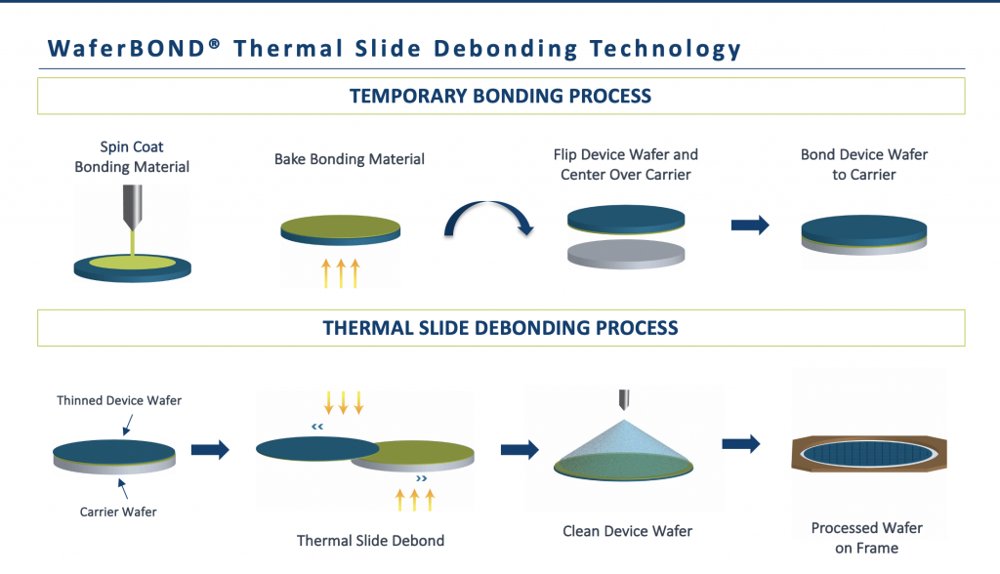
Temporary Bonding Material WaferBOND® HT-10.11 temporary bonding material enables back-end-of-line (BEOL) processing of ultrathin wafers with standard semiconductor equipment. WaferBOND® HT-10.11 material is an organic coating developed for temporary wafer bonding solutions for MEMS and 3-D wafer-level packaging applications. WaferBOND® HT-10.11 material enables effective bonding and support through substrate thinning and backside standard lithographic processing through the utilization of effective bonding and subsequent thermal slide, chemical, mechanical, or laser debonding for thickness < 75 μm. These materials were specifically developed for thin wafer handling (TWH), through-silicon via (TSV) reveal, and redistribution layer (RDL) creation or processes up to 250°C. Chemical release debond method requires a perforated carrier wafer or small die size if releasing after dicing Mechanical and laser debond methods require a compatible release material Wax Replacement WaferBOND® HT-10.11 material is an organic coating that enable back-end-of-line (BEOL) processing of ultrathin wafers using standard semiconductor equipment. This material is a great option as an alternative solution to typical wax adhesives. WaferBOND® HT-10.11 material offers significant advantages because it can be applied with a one-coat process, improve throughput, simplify cleaning, and shorten processing time. Properties | Wax | WaferBOND® HT-10.11 Material Thickness Range | ~ 10 – 35 µm | 20 µm – 130 µm Coating Throughput | Requires multiple coats | Single-coat process Bonding Temperature Range | 95°C – 110°C | 130°C – 180°C Debonding Temperature Range | 95°C – 110°C | 150°C – 200°C Thermal Stability Temperature Range | < 120°C | ≤ 250°C Benefits - Enables ultrathin wafer processing utilizing standard BEOL techniques and tooling - Assists in creation of interconnects (RDL layers) after thinning - Protect devices from chemical degradation and physical breakage - Adhesive materials can be completely removed from device wafer without damage - Can be utilized with various debond methods (chemical release, thermal slide, mechanical, or laser) Debond Methods WaferBOND® HT-10.11 material is compatible with the following debond methods: - Chemical Release System - Laser Release System - Mechanical Release System - Thermal Slide Release System With this WaferBOND® material, you can: - Process ultrathin wafers in temperatures up to 250°C - Protect the wafer edge from chipping - Protect circuitry from harsh chemical etchants - Provide a void-free interface for a smooth surface on the final thinned wafer WaferBOND® HT-10.11 Material Spin Speed Curve:
CATEGORY

Brewer Science is proud to offer an extensive program dedicated to exploring new realms of sensor performance – environmental monitoring. With decades of material science expertise, Brewer Science sensor solutions are designed to provide detailed, reliable data on key environmental parameters in a wide variety of applications. Brewer Science provides printed sensors for environmental monitoring to help your organization gather data that can increase safety, efficiency and performance of new and existing systems. We utilize unique materials to create application-specific printed sensors, allowing our device systems to provide accurate, ubiquitous monitoring. Brewer Science® InFlect™ printed sensors are reliable, low power, light weight and have flexible form factor. Customized electronics, seamless integration capabilities, and advanced software algorithms enable our systems to deliver real-time, actionable insight for the user. Sensing Capabilities - Flex - Gas - Humidity - Ion - pH - Temperature - Waste Water Benefits of Brewer Science Printed Sensors for Environmental Monitoring - Printed on flexible substrates to enable effortless integration - Differentiated customer experience via device customization & service support - Rapid detection of infrastructure failure & releases of hazardous products enable risk-informed management decisions - Provide systems of devices that can be integrated in almost any location that map diverse, real-time conditions - Able to be implemented into arrays for multi-point measurements, including different sensing technologies Applications - Air (Indoor & Outdoor) - Quality Monitoring - Residential - Water Monitoring (Ground, Surface, Water Supply & Industrial) - Soil Monitoring
CATEGORY
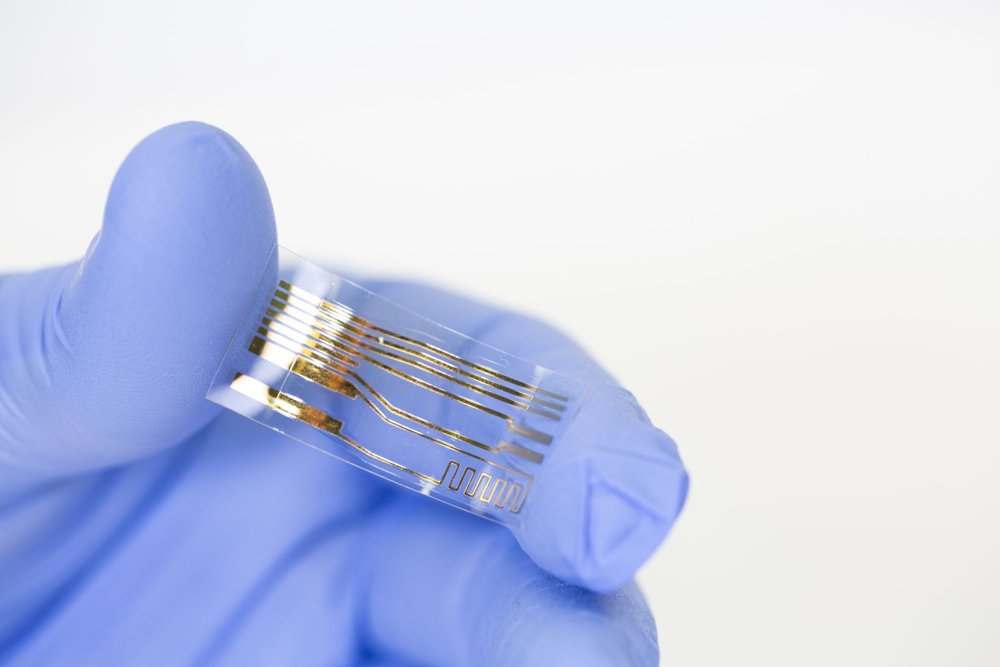
Real-time Water Quality Sensors Expect More From Your Water Real-time Water Quality Sensing Customized water sensor systems and devices, combined with unique materials and designs, enable viable resource monitoring for enhanced quality of life. Water quality sensors can be used in a wide array of applications such as water quality monitoring, resource optimization, and environmental monitoring. Our sensors provide full digital output with an onboard microcontroller for signal processing and can measure analytes such as lead, nitrates, conductivity, and pH. Current Methods are Slow and Cumbersome Today, water samples are collected manually and tested at a laboratory. Wait times for results are typically measured in weeks or longer. Testing systems are not modular, requiring multiple systems to test for additional parameters. All of this labor, time, and equipment increase the cost significantly. Brewer Science InFlect® water quality sensor systems offer enhanced efficiency and a simplified solution compared to current methods. Benefits - Arrays for multi-point measurements, including different sensing technologies - Improves decision-making capabilities through real-time data collection - Simple operation; automated sensing delivers results without manual input - Adaptive design for applications across many industries - Millisecond data capture for enhanced yield and throughput - Full digital output with onboard microcontroller for signal processing Applications - Water quality monitoring - Resource optimization - Condition monitoring - Process optimization - Environmental monitoring Detection Ranges Parameter | Range Lead (Pb 2+) | 1 to 10,000 ppb Nitrate (NO 3–) | 1 to 100 ppm Temperature | 1˚C to 40˚C pH | 4.5 to 10.5
CATEGORY
