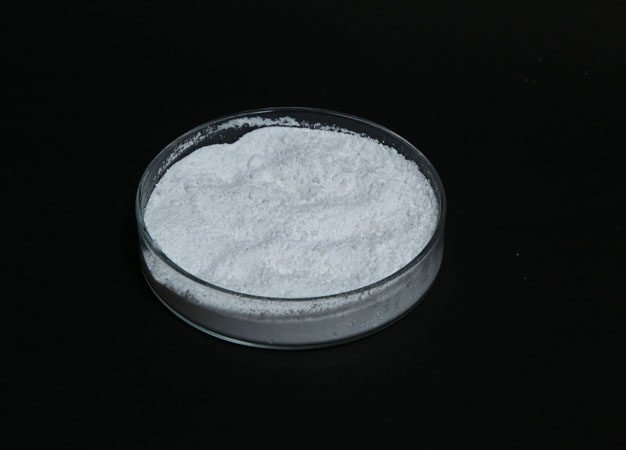
By Bee Chems
A speciality derivative of lithium hydroxide, Lithium hydroxide anhydrous is produced using inert atmosphere and controlled calcination. Lithium Hydroxide Anhydrous is a crystalline lithium source, soluble in water, for uses compatible with higher (basic) pH environments. Produced with min. 98% LiOH content, it rapidly absorbs moisture and carbon dioxide. Bee Chems manufactures lithium hydroxide in the anhydrous, ultra-dry form for pharmaceutical, thermal and battery-electrolyte applications. Produced under an inert atmosphere by controlled calcination at a minimum 98% LiOH content, it is supplied in moisture-tight packing that protects the material from the atmospheric moisture and carbon dioxide it rapidly absorbs. Lithium hydroxide is one of the more demanding alkali chemicals to manufacture and store well. Its value in a process usually depends less on headline assay than on what has not got into it — carbonate picked up from the air, or moisture absorbed between packing and use. Both are controlled at source in our plant rather than corrected later. As a lithium hydroxide manufacturer based in Kanpur, Uttar Pradesh, we supply industrial quantities against COA, with packing and documentation configured for your process. What Is Lithium Hydroxide? Lithium hydroxide is an inorganic base — the hydroxide of lithium, and the first member of the alkali-metal hydroxide series. It is supplied as a white crystalline solid that dissolves in water to give a strongly alkaline solution, and is mildly soluble in ethanol. Two properties define how it behaves in practice, and both follow from the small size of the lithium ion: It is the least soluble and least basic of the alkali hydroxides. Where sodium and potassium hydroxide dissolve almost without limit, lithium hydroxide reaches roughly 12.8 g per 100 mL at 20 °C. This makes it the correct choice where a lithium ion is required but an aggressively caustic solution is not. It is strongly hygroscopic and reacts with carbon dioxide. Left open to the air, lithium hydroxide takes up water vapour and then reacts with atmospheric CO2 to form lithium carbonate. This is not a defect — it is the basis of one of the compound’s most important applications — but it governs how the material must be packed, stored and handled. Bee Chems supplies the anhydrous (ultra dry) grade, in which water of crystallisation has been driven off by controlled calcination under an inert atmosphere. This is the grade specified where any water content would interfere with the process. Lithium Hydroxide Formula and Chemical Properties: The lithium hydroxide formula is LiOH. One lithium atom, one oxygen, one hydrogen, giving a molecular weight of 23.95 g/mol — the lowest of any alkali hydroxide, and the reason lithium hydroxide delivers more chemistry per kilogram than its sodium or potassium equivalents. - Chemical formula: LiOH - Molecular weight: 23.95 g/mol - CAS number: 1310-65-2 - EC number: 215-183-4 - Appearance: White crystalline solid - Assay: min. 98% LiOH - Solubility in water (20 °C): ~12.8 g/100 mL - Solubility in ethanol: Slight - Melting point: 462 °C - Decomposition: To lithium oxide (Li2O) above ~900 °C - Density: ~1.46 g/cm3 - pH (1% solution): Strongly alkaline, ~11 - Hygroscopicity: Rapidly absorbs moisture and carbon dioxide - UN number: UN2680 - Hazard class: 8 (corrosive) The Lithium Hydroxide and CO2 Reaction: Lithium hydroxide absorbs carbon dioxide according to: 2 LiOH + CO2 → Li2CO3 + H2O. On a stoichiometric basis, 47.9 g of lithium hydroxide takes up 44 g of carbon dioxide — roughly 0.92 kg of CO2 per kg of LiOH, the highest mass efficiency of any common chemical absorbent. That single figure explains both the storage discipline this product demands and its use in confined-atmosphere life support. Lithium Hydroxide vs Sodium Hydroxide and Potassium Hydroxide: - Lithium hydroxide: Formula LiOH; Molecular weight 23.95; CAS number 1310-65-2; Solubility in water (20 °C) ~12.8 g/100 mL; Relative basicity Weakest; CO2 capacity per kg Highest - Sodium hydroxide: Formula NaOH; Molecular weight 40.00; CAS number 1310-73-2; Solubility in water (20 °C) ~111 g/100 mL; Relative basicity Intermediate; CO2 capacity per kg Lower - Potassium hydroxide: Formula KOH; Molecular weight 56.11; CAS number 1310-58-3; Solubility in water (20 °C) ~121 g/100 mL; Relative basicity Stronger; CO2 capacity per kg Lower Where the process needs the lithium ion specifically — or the highest CO2 uptake per kilogram carried — lithium hydroxide is not interchangeable with the cheaper alkalis. How Bee Chems Produces Ultra Dry Lithium Hydroxide: The anhydrous grade is made by controlled calcination under an inert atmosphere. Two elements of that matter to a buyer: Controlled calcination. Water of crystallisation is driven off within a managed temperature profile. Overheating drives decomposition toward lithium oxide and depresses assay; underheating leaves residual moisture in a product sold specifically for being dry. Inert atmosphere. Calcining in air would expose freshly dried, highly reactive material to atmospheric CO2 at exactly the moment it is most able to absorb it, converting surface material to lithium carbonate. Excluding air during production is what keeps carbonate low in the finished product. Because the material is produced in our own plant rather than imported and repacked, assay and carbonate content are controlled at source — not inherited from someone else’s process and discovered on arrival. If you are working to a defined internal specification, send it to us and we will confirm our material against it line by line. Lithium Hydroxide Uses and Applications: Storage-Battery Electrolyte. Lithium hydroxide is used as an electrolyte additive in alkaline storage batteries. Added to potassium hydroxide electrolyte in nickel-iron and nickel-cadmium cells, it improves capacity retention and extends cycle life by moderating degradation at the positive electrode. The quantities are small relative to the electrolyte volume, which places the emphasis firmly on purity — trace metals introduced with the additive can undo the benefit. Heat Transfer Medium. Lithium hydroxide’s thermal characteristics make it suitable as a heat transfer medium in specialised thermal systems, including thermal-storage applications where the material’s heat capacity and stable behaviour over a wide temperature range are the deciding factors. Pharmaceutical Intermediates. Lithium hydroxide is used in the manufacture of lithium salts for drug formulations, notably those used in the treatment of bipolar disorder. Pharmaceutical synthesis routes are unforgiving of alkali-metal and heavy-metal contamination, so material destined for this use is qualified on its impurity profile rather than assay alone. It is also used more broadly in organic synthesis as a selective base, particularly in ester hydrolysis, where its comparatively mild basicity is an advantage over sodium or potassium hydroxide. Carbon Dioxide Absorption. Following 2 LiOH + CO2 → Li2CO3 + H2O, lithium hydroxide absorbs carbon dioxide at approximately 0.92 kg per kg — a mass efficiency no other common absorbent matches. Where the binding constraint is weight rather than cost, this makes LiOH the scrubbing medium of choice for confined atmospheres. The same chemistry is why this product must be kept sealed. Material left open does not simply get damp; it converts progressively and irreversibly to lithium carbonate, and assay falls accordingly. Packing, Storage and Handling: Packing: 10 kg and 25 kg heat-sealed poly/foil bags in UN drums. The poly/foil construction is not incidental. A foil laminate provides a genuine moisture and gas barrier where plain polythene does not, and heat-sealing removes the closure as a leak path. The UN drum then provides the mechanical and regulatory protection required for a Class 8 corrosive in transit. Storage Conditions: Keep containers tightly closed at all times; Store cool, dry and well ventilated; Keep away from acids, moisture and CO2-rich atmospheres; Do not store alongside incompatible chemicals; Reseal immediately after part-use — exposed material converts progressively to lithium carbonate, lowering assay; Where possible, decant under dry conditions and return the balance to sealed packing at once. Safety and Handling: Lithium hydroxide is corrosive and causes severe skin burns and eye damage. Dust is irritating to the respiratory tract. Chemical-resistant gloves, goggles or face shield, and protective clothing; Adequate ventilation; respiratory protection where dust is generated; Eyewash and safety shower accessible at the point of use; On skin or eye contact, flush with water for at least 15 minutes and seek medical attention; Collect spills dry where possible; do not raise dust; do not flush to drain. A full MSDS/SDS is supplied with every consignment and is available on request. Why Buy Lithium Hydroxide From Bee Chems: Manufacturer, not a trader — produced in our own plant at Kanpur, Uttar Pradesh, so assay and carbonate are controlled at source; Minimum 98% LiOH, supplied against batch COA; Inert-atmosphere production with controlled calcination, keeping carbonate low in the finished product; Moisture-tight heat-sealed poly/foil in UN drums, suitable for export; Full lithium salts range from a single supplier, on one set of commercial terms; Technical support on specification matching and grade selection.
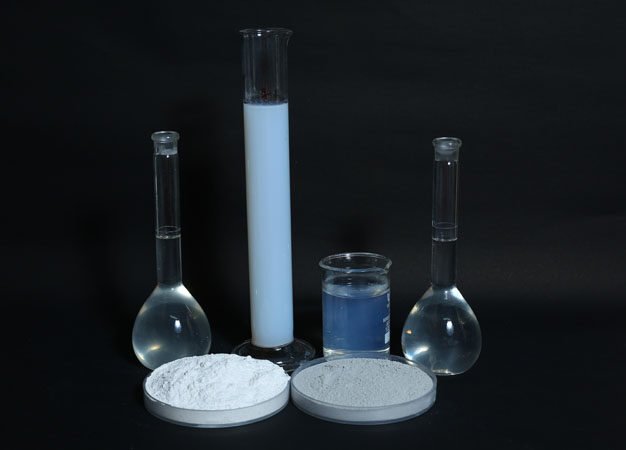
A colloid, or sol, is a stable dispersion of particles. In other words, the particles are small enough that gravity doesn't cause them to settle, but large enough not To pass through a membrane, allowing other molecules and ions to pass freely. Particle size ranges from 1-100 nm, usually in the region of 5-100 nm. Silica sol belongs to a colloid. The grades can be applied in various ways because of its cohesive and adhesive properties. We produce various Colloidal/Nano Silica products such as silica colloidal, colloidal silica concrete, colloidal silica concrete Densifier, Colloidal Silica Densifier, Polished Colloidal Silica, Colloidal Silica Binders. We are also among best Nano Silica suppliers. Types Silica Sols are defined and characterized on the basis of % silica, alkali %, particle size and particle size distribution and specific surface area of the silica particles. Charge and Ion modified sols are also produced for specific applications. Recently, non-aqueous sols have also been produced for applications as filler, carrier coating materials etc. Applications - Precision Investment Casting ( contact us for complete range of state of art shell building materials) - Refractory Materials - Construction ( contact us for wide varieties of grades and systems manufactured for construction applications) - Paper - Coatings - Catalysts - Electronics - Textiles and fabrics - Water treatment - Gel Batteries - Electronics and Semi-conductors - Industrial Coatings - Cleaning solutions Specifications Silica sols can be produced in varied specifications based on following parameters: - (a) Solids % - (b) pH - (c) Particle size / surface area - (d) Surface modification - (e) Stability Write to us with your requirements of specifications/grade equivalence or product name to offer equivalent. Packing - 250 kg HDPE Barrels - 1000 L IBC / Tote tanks - 20–25 Metric Tonnes in ISO Tankers - 20–25 Metric Tonnes in Flexi-tanks Custom packing available for special requirements. Q1. What is Colloidal/Nano Silica? Colloidal/Nano Silica is a stable dispersion of ultra-fine silica particles in a liquid medium. It is widely used in industries such as construction, coatings, electronics, polishing, refractories, and chemical processing due to its excellent binding, strengthening, and surface enhancement properties. Q2. What are the applications of Colloidal/Nano Silica? Colloidal/Nano Silica is commonly used in concrete densifiers, catalysts, precision casting, polishing compounds, coatings, paper processing, ceramics, and refractory applications. It improves hardness, durability, bonding, and chemical resistance. Q3. Why choose Bee Chems for Colloidal/Nano Silica? Bee Chems is a trusted manufacturer and supplier of Colloidal/Nano Silica in India, offering high-quality products, consistent particle distribution, reliable packaging, and customized solutions for diverse industrial applications. Q4. What are the benefits of using Colloidal/Nano Silica? Colloidal/Nano Silica provides benefits such as enhanced surface strength, improved abrasion resistance, better binding performance, increased durability, and superior chemical stability in industrial processes. Q5. Is Colloidal/Nano Silica available in customized packaging? Yes, Bee Chems offers Colloidal/Nano Silica in various packaging options including small packs, HDPE drums, and bulk containers to meet industrial and commercial requirements.
CATEGORY
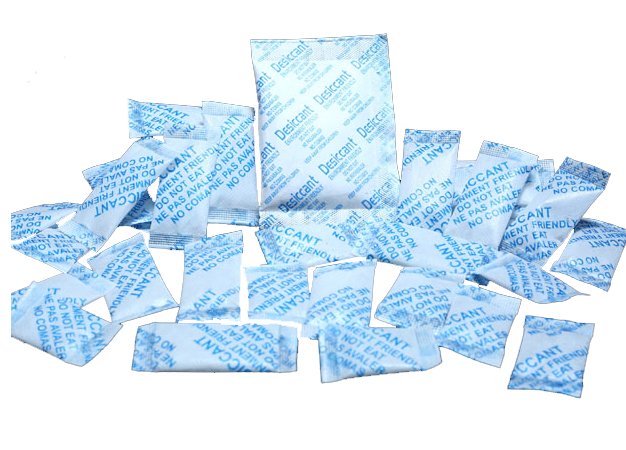
Dew Pouch™ Desiccants sachets/pouch/bags are used with various products to protect products from Moisture and Humidity. This helps in eliminating problems like rust, corrosion, mould, fungus, bad smell, condensation Etc. Application areas include shipping containers, stored goods, home use, warehouses, etc. Bee Chems is one of the premium desiccants manufacturers and desiccant suppliers and produces an entire range of container desiccant bags, Desiccant sachets, Desiccant bags. Powered with 48 years of manufacturing and problem-solving experience, Bee Chems offers one of the most comprehensive grades and types of desiccants available and used in the world. We are one of the very few companies in the world who produce and pack desiccants themselves. We are best in many chemical’s production with the bestselling experience in Silica gel and Calcium Chloride Desiccant. This gives us extreme levels of flexibility of custom formulation, product modification, and help us serve customers in a much faster and economical manner. We produce desiccant sachets/packs using: - Silica Gel - Alumina - Calcium Oxide - Molecular Sieves - Calcium Chloride Desiccant - Activated Earths - Super Absorbers - Mixed Carbon Types Grades & Standards: - All grades of silica gel / molecular sieves - Absorption capacities from 30 % to 300 % - No-leakage, no-spillage formulations - US Military MIL-3464E Desiccants (MIL Desiccant Bags) - German Military DIN 55473 Desiccants - NFH 00320 & NFH 00321 compatible Desiccants - IPC & JEDEC standard Desiccants Sizes / Formats: - Size from 0.5 gram to 2000 gram - In bulk or strip form with a hanger or without a hanger - With Adhesive tape or loop type - Tubes - Blankets - Any product equivalent as required Any grade, pack, or type is produced at our state of art manufacturing facilities. Details are just an email away. Problems Solved by Dew Pouch Desiccants - (a) Cargo sweat - (b) Container rain - (c) Dew point reduction - (d) Excess humidity in goods and shipping containers - e) Rust and corrosion - (f) Condensation issues in containers and packaged goods - (g) Wet shipments - (h) Mould/fungus in shipment /cargo - (i) Water droplets in packing or export shipments - (j) Mildew issues - (i) Caking of materials - (k) Bad odour And anything related to moisture/humidity which is effecting customer’s product during storage or shipment. Applications - Export shipping - Local shipping/transportation - Small to large packaging of any type - Home/retail use - Warehouse/long term storage - Static-dehumidification of any product or utility (electric goods, heavy machines, on-site tools/kits/equipment) - Drying - Odour removal - Product freshness & shelf-life extension Specifications Uses & Industries Shipping industry, Packaging, Packers and movers, Export packaging services providers, Warehousing/storage management, Pharmaceutical, Diagnostics, Food and eatables, Electronics and Electrical goods, Agri commodities like tea, coffee, pulses, rice etc. which are very sensitive to moisture, Automobiles and Automotive parts, Metal and Metal works, Furniture and Handicrafts, Textile and Leather, Glass and related products, Chemicals, Machines and machine tools, In cupboards/racks/shelves at home or office. The list is long as moisture and humidity is present everywhere. And wherever you have a problem, we have a solution! - Shipping & export packaging - Packing & movers - Warehousing & storage management - Pharmaceutical & diagnostics - Food & agriculture (tea, coffee, pulses, rice) - Electronics & electrical goods - Automotive parts & metal works - Furniture, textiles & leather - Glass & chemical manufacturing - General industrial machinery Dew Pouch™ / Dew Strip™ desiccants address cargo sweat, container rain, dew-point reduction, rust, corrosion, mould, mildew, and odour issues in shipping and storage. Packing - HDPE sachet bags - Outer cartons - Drums Our products have solved problems across the globe and helping customers store and ship dry and secured products everywhere. MIL Desiccant bags effectively adsorb moisture in product packaging to combat its damaging effects, including corrosion, mold, and degradation. Exposure and experience of handling 1000s of shipping containers and storage projects backed by softwares and electronic tools have helped us gain unique knowledge and database over the years. These tools give us formidable advantages in analysing the root cause of the issues and offering permanent solutions to our customers. Dew Pouch™ & Dew Strip™ are registered trademarks of Bee Chems, Kanpur, India.
CATEGORY
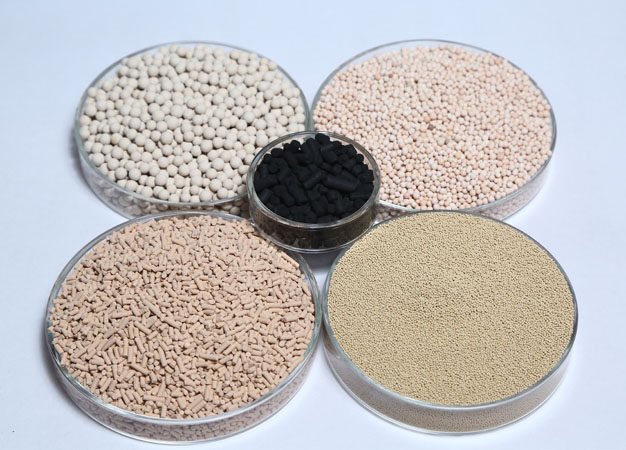
Molcat™ are synthetic zeolites (crystalline metal alumina-silicates) with small & uniform pores, having precisely defined diameter of molecular dimensions. Molecular Sieves of highest quality are our forte. Producing molecular sieve desiccant, molecular sieve beads, Air drying molecular sieve, SF6 molecular sieve, Molecular sieve for Oxygen plant. Selectivity of molecular sieve is determined by its pore size. They comprise a mesh of cavities and narrow pores and a very high internal surface area. Molecules with critical diameter less than the pore size will be efficiently adsorbed while larger molecules will be excluded. Most important characteristic of molecular sieve is to perform reversible adsorption of various gaseous compounds. These crystals are characterised by a three dimensional pore system. The corresponding Building Blocks of Molecular Sieve crystallographic structure is tetrahedral where four oxygen anions surrounding a silicon or aluminium cation (AlO4) and (Sio4). They are the basic building block for various zeolites which are the most common commercial adsorbents. Molecular sieves are the only adsorbents that remain effective under very hot conditions and can bring down dew point levels to -60 deg. And work at as low relative humidity as 10-20%. Applications - Dehydration of Hydrocarbon Gas or Liquid (No Olefins Present) - Dehydration of Hydrocarbon Gas or Liquid (With Olefins Present) - Hydrogen recycle treatment and hydrogen recovery and hydrogen purification - Normal and Iso-paraffin separation - Feedstock, Naptha, Propane, Butane, Pentane, Hexane,LPG sweetening - Hydrogen purification and recovery - Ethylene,Solvent, Paraffin,Alcohol drying - CO2 adsorption - Chlorofluorohydrocarbons purification - CO and N2 removal from H2 rich streams - SF6 removal - Ethanol drying and production - H2S adsorption - Refrigeration and air conditioning - Drying refrigerants in air conditioners, iceboxes and refrigerators in vehicles/transport (station wagons, trains etc.) home refrigerators, freezers, residential A/C, heat pumps and commercial refrigerants to prevent freeze-up and corrosion. - Air Drying for instrument air - Static De-humidification (Packaging of drugs, test-kits, electronic components, edibles and perishable chemicals etc.) - Oxygen Generation for medical applications (ventilators etc.) - Adsorption of nitrogen from compressed air (by utilising pressure or vacuum swing system) - Nitrogen Generation Molecular Sieves are the most diversified range of adsorbents used in petroleum, petrochemical, fertilizer and industrial chemical process industry. MolCat is a registered trade mark of Bee Chems, Kanpur, India Specifications Grades - 3A, 4A, 5A, 13X in both beads and pellets form - AD, ADHP special high capacity, -60 dew points, water resistant air drying - PETD for PET drying - XHN for refrigeration - ED for ethanol drying - IGT for insulation - SF for Circuit Breakers - CMS ( Carbon Molecular Sieves) for Nitrogen generation CARMOS Carbon Molecular Sieve is a carbon enriched Molecular Zeolite CMS is a 4 angstrom fine pore adsorbent. It can be used to separate air into nitrogen and oxygen. In industry, CMS can concentrate nitrogen from air with PSA systems. It can meet the requirement of all types of PSA nitrogen systems. The carbon molecular sieve is widely applied in petro-chem industry, heat treatment of metal, electronic manufacturing and food preservation and packaging industries. (1.0-1.5 mm pellets with crushing strength of min. 60 N/p) Packing - 20 kg cartons - 25 kg HDPE drums - 125–150 kg metal drums MolCat™ is a registered trademark of Bee Chems, Kanpur, India. Frequently Asked Questions Q1. What are molecular sieves used for? A: Molecular sieves are highly porous adsorbents used for drying, purification, and separation of gases and liquids. They are commonly used in petrochemical, pharmaceutical, air separation, refrigeration, and industrial gas processing applications. Q2. How do molecular sieves work? A: Molecular sieves work by selectively adsorbing molecules based on their size and polarity. Their uniform pore structure traps moisture and unwanted molecules while allowing desired substances to pass through. Q3. What are the different types of molecular sieves? A: Common types of molecular sieves include 3A, 4A, 5A, and 13X grades. Each type has a different pore size and is designed for specific applications such as dehydration, gas purification, or hydrocarbon separation. Q4. Can molecular sieves be regenerated and reused? A: Yes, molecular sieves can usually be regenerated by heating or pressure reduction to remove absorbed moisture and contaminants. Proper regeneration helps extend their operational life and efficiency. Q5. Which industries commonly use molecular sieves? A: Molecular sieves are widely used in industries such as oil & gas, petrochemicals, pharmaceuticals, electronics, chemicals, refrigeration, packaging, and industrial gas production.
CATEGORY
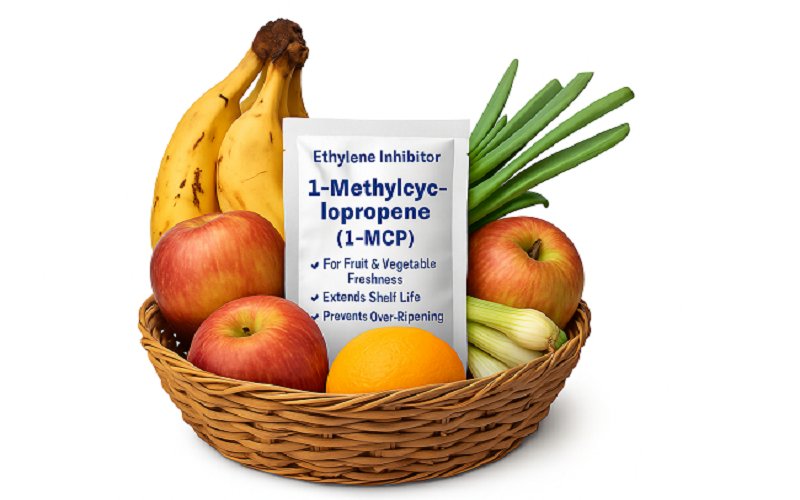
Freppe™ by Bee Chems is an advanced 1-Methylcyclopropene (1-MCP) formulation designed to inhibit the action of ethylene – the plant hormone responsible for ripening and senescence. Acting directly at the receptor level, Freppe™ blocks ethylene's signal pathways, delaying ripening and maintaining freshness across a wide range of produce. 1‐Methylcyclopropene (1‑MCP) is the modern, high-efficacy ethylene inhibitor that helps preserve the freshness of produce, flowers and perishables. By controlling both endogenous and exogenous ethylene effects, Bee Chems' 1-MCP ensures delayed maturation, better firmness, vibrant colour, crispness, aroma and nutrient retention — all while being non-toxic, safe and aligned with modern post-harvest logistics. At Bee Chems we are committed to helping our customers reduce losses during storage and transit, improve quality, and maintain market-value of harvested crops and products. How to Use 1-Methylcyclopropene(1-MCP)? 1. Measure the ambient treatment chamber or container volume. 2. Calculate required dose based on temperature, humidity and volume. 3. Place the produce (fruits/vegetables/flowers) into the treatment container or sealed unit. 4. Introduce Bee Chems 1-MCP (solid powder) into a small cup or tray in the centre of the chamber, then add 20–40 × its weight in water to initiate vapour release. 5. Close the chamber promptly. 6. Treatment time: - If ambient temperature 20°C: treat for 6–12 hours. - If temperature < 20°C: treat for up to 24 hours. 7. After treatment period, open chamber and proceed with storage or transit as required. Why Choose Bee Chems 1-Methylcyclopropene (1-MCP)? Bee Chems is a recognized global manufacturer of specialty chemicals and postharvest solutions. Our R&D capabilities, process control, and technical support ensure that each batch of Freppe™ meets international standards for purity and performance. Key Strengths - Non-toxic, safe and designed for modern fresh-keeping needs. - Developed for long-haul transport, reducing spoilage, shrink and quality downgrades. - Expert support, customised dosing guidance and supply chain solutions. - Dedicated technical team for trial setup and optimization - Aligned with global standards for post-harvest handling. Bee Chems supplies both Ethylene Absorbers and 1-Methylcyclopropene (1-MCP), making us a complete ethylene management partner for postharvest industries. Key Benefits of 1-Methylcyclopropene (1-MCP) Shelf Life Extension: Delays ripening and senescence by blocking ethylene activity Quality Retention: Maintains firmness, flavor, and color for longer periods Reduced Postharvest Loss: Minimizes spoilage during transport and storage Logistical Flexibility: Provides exporters and retailers with wider distribution windows Safe & Non-Residue Technology: Breaks down naturally without chemical residues Complementary to Ethylene Absorbers: Works synergistically with Bee Chems Freppe™ Ethylene Absorbers for optimal fresh-keeping Applications For Vegetables - Prevent yellowing and wilting of leafy greens. - Lower respiration rate and slow nutrient loss. - Allow easier transport/storage with relaxed cold-chain requirements. For Fruits - Major issues include softening, browning, and discoloration. - With 1-MCP treatment, firmness loss is significantly delayed (e.g., persimmons extended from day 5 to day 15–20). - Ideal for long-distance shipping and retail presentation. For Cutting Flowers - Many cut flowers are highly sensitive to ethylene. - 1-MCP inhibits ethylene-induced wilting, leaf yellowing, and petal drop. - Post-treatment, carnations' vase life can more than double. - Enables extended shelf life, reduced losses during transport, and improved freshness at point of sale. Overall Bee Chems 1-MCP supports improved quality, reduced spoilage, and extended storage and transport windows — especially for high-value crops or long logistics chains. Specifications - Chemical Name: 1-Methylcyclopropene (1-MCP) - Form: Controlled-release powder / capsule / gas generator - Purity: ≥ 98% - Solubility: Slight in water (reactive gas form in use) - Shelf Life: 12 months from manufacture (date-coded batch) - Storage: Cool, dry place away from direct sunlight Packaging: - Sachets - Capsules - Custom bulk units
CATEGORY
