By BioNavis Ltd
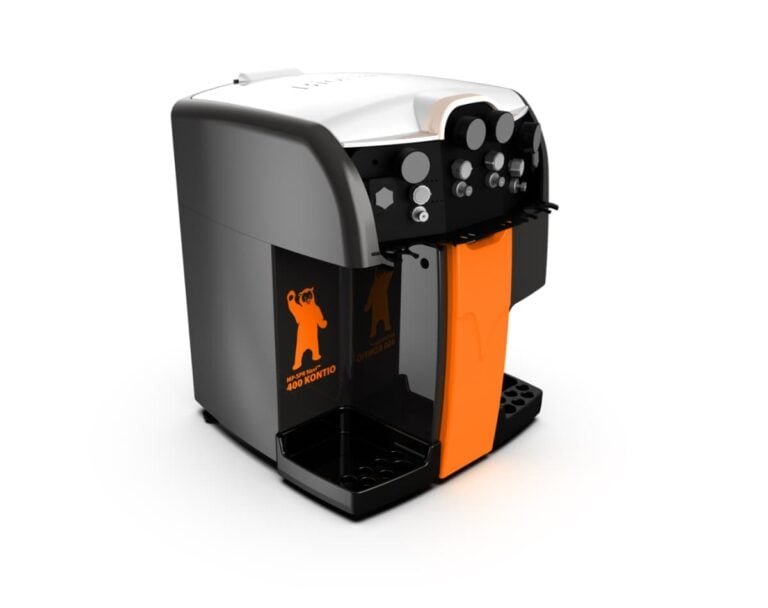
The multichannel Quartz Crystal Microbalance with Dissipation, QCMD 400, offers time-saving operations and superior sensitivity in both frequency and dissipation. It enables the measurement of molecule-surface interactions across a wide range of applications.
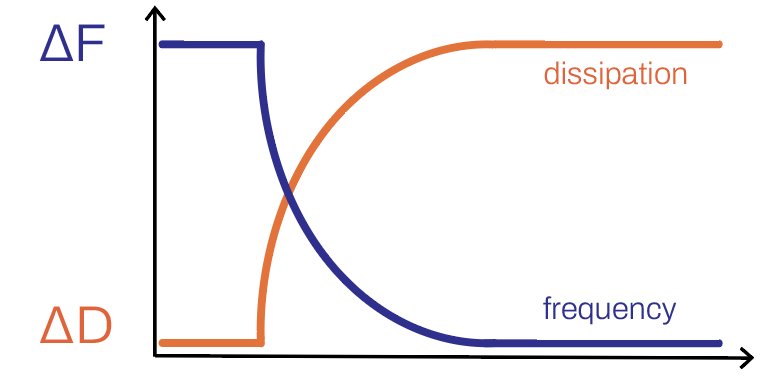
Unlock detailed and accurate measurements for your research and industrial needs with BioNavis advanced QCMD technology. Quartz Crystal Microbalance with Dissipation (QCMD) QCMD technology is a powerful analytical tool used to measure minute changes in mass, viscoelastic properties, or morphology of films on a sensor´s surface. By leveraging the piezoelectric properties of quartz crystal sensors, QCMD instruments provide highly sensitive measurements. Selecting the right sensor type is crucial for achieving optimal results in your specific application. The measurement principle of the Quartz Crystal Microbalance (QCM) technology involves harnessing the inherent properties of a quartz crystal resonator. When an alternating electric voltage is applied to the crystal, it undergoes mechanical oscillations at a specific frequency. As molecules or thin films are deposited onto the surface of the sensor, they cause changes in mass, density, and viscoelastic properties. These alterations modify the resonant frequency and dissipation of the crystal. The resonant frequency (blue curve) shifts in proportion to the added mass, allowing for precise measurement of mass changes. Meanwhile, changes in dissipation (orange curve) reflect alterations in the energy dissipated during the crystal’s oscillation, providing insights into the viscoelastic properties of the deposited material. By monitoring both the frequency shift and dissipation changes over time, researchers can obtain comprehensive information about the adsorbed layers, including their mass, thickness, rigidity, and solvent content. This capability makes QCMD a powerful tool for studying processes such as thin film formation, biomolecular interactions, surface chemistry, and material characterization. In research and industrial applications, QCMD technology plays a crucial role in fields ranging from biotechnology and pharmaceuticals to materials science and nanotechnology. In the right side picture, you can see the frequency and dissipation changes during liposome injection as it spreads into a lipid bilayer on the sensor surface. Advantages of QCMD - Real-time measurement: Allows continuous monitoring of adsorption processes as they occur. - Label-free approach: Preserves the physiological relevance by avoiding the need for external tags or markers. - Quantitative analysis: Provides precise measurement of the bound mass on surfaces. - High sensitivity: Utilizes high frequency QCM sensors (HFF-QCM) for unparalleled detection capabilities. - Phase behaviour profiling: Study phase behavior of lipids, liquid crystals, and polymers. - Complex media compatibility: Works with various media including milk and seawater, expanding the application range. - Wet mass measurement: Includes liquid incorporated in the film. - Layer softness and viscoelasticity: Assesses the mechanical properties of thin films. - Layer thickness characterization: Measures and monitors the thickness of layers deposited on surfaces. - Versatility: Effective in both gas and liquid environments, making it adaptable to different experimental conditions. - Electrochemical combination: Can be combined with electrochemistry using a dedicated cell, enhancing experimental versatility. - High temperature and high pressure modules: Suitable for extreme conditions, allowing measurements at elevated temperatures. - User-friendly: Features fast and easy-to-use instruments and software, ensuring accessibility and efficiency for users.
CATEGORY
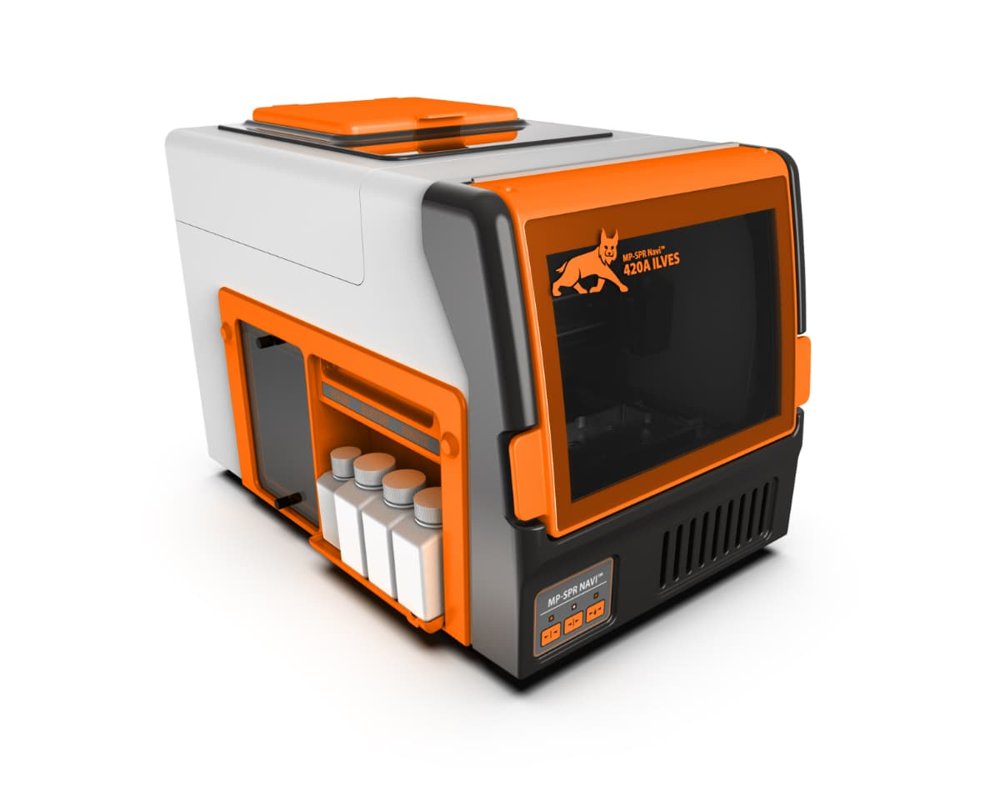
The 420A ILVES is an ideal solution for molecular interaction studies with small molecules, proteins, lipids, and nanoparticles. Its minimal dead volume and high sensitivity, combined with 4 liquid channels, makes the instrument optimal for these applications. Suited for applications: Molecular Interactions, Biophysics, Living Cells MP-SPR Navi Instruments Affinity and kinetics: Measure binding affinity and kinetics in real-time and label-free with high sensitivity. Conformation changes: Two independent wavelength measurements in each fluidic channel, enabling detection of thickness or conformation changes. Any sample: Exceptionally wide angular range (40°-78°) enables measurements of small organic molecules and large proteins, but also nanoparticles and living cells. Fully automated: Integrated degassing, precise syringe pumps, fully automated operation for samples in well plates and vials, and user-friendly software allow for unattended measurements. 4 channels: Simultaneously conduct 4 measurements on a single sensor. KineticTitration: For faster interaction affinity and kinetic measurements and when the surface is difficult to regenerate. Accessories Sensor slides: Select from wide range of sensor surfaces including Au, SiO 2, CMD, BND, NTA and innovative Regenerable Avidin kit. Technology KineticTitration: Fast affinity and kinetic studies using KineticTitration feature! Technology PureKinetics: Get rid of solvent effect and reveal true binding without a reference channel! Technical data
CATEGORY
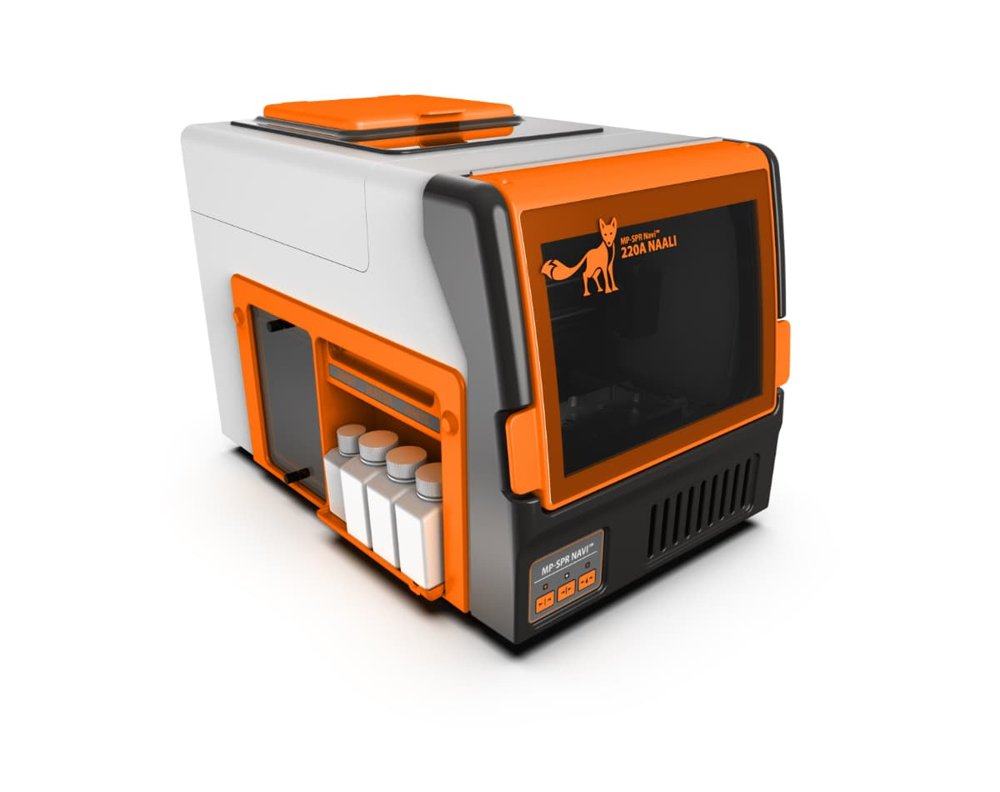
The MP-SPR Navi™ 220A NAALI is the most versatile MP-SPR instrument for interactions and layer characterization. Fully automated with a 96/384 well plate, it provides high throughput and is equipped with up to 4 wavelengths of light to ensure precise layer characterization. A full range of add-on modules is available, including electrochemistry, fluorescence, and cell flow-cells. Application examples Biosensors Molecular Interactions Biocompatibility Biomaterials Living Cells Interactions label-free Measure binding affinity and kinetics or determine bound mass without labelling. Layer properties Instrument can be equipped up to 4 different wavelengths in each channel for precise thickness and refractive index characterization, from Ångströms to several micrometers. Any sample Exceptionally wide angular range (40°-78°) enables measurements of small organic molecules and large proteins, but also metallic nanoparticles and cells. One scan encompasses both environments: gas and liquid. Parallel and serial injections Samples can be injected in serial or parallel mode to 2 channels on one sensor Unattended measurements Integrated degassing, precise syringe pumps, fully automated operation from well-plate, and user-friendly software allow for unattended measurements. Add on modules Complement with electrochemistry, high chemical resistant, cell, fluorescence and gas flow cells.
CATEGORY
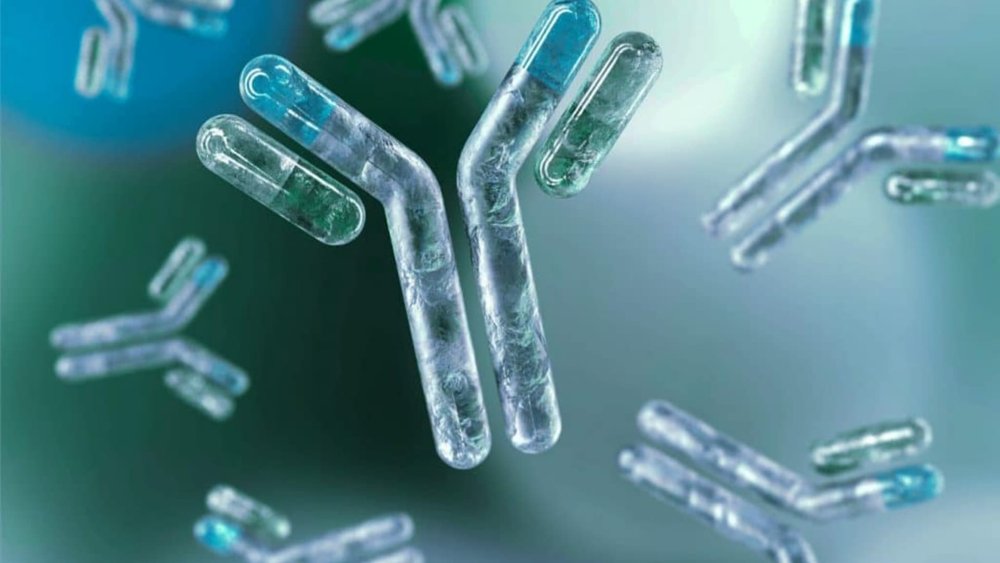
MP-SPR accurately measures binding affinity and kinetics and in addition, MP-SPR offers unique capabilities and expand the applicability of the technology to a broader spectrum of samples. Surface Plasmon Resonance (SPR) has been used for measuring molecular interactions for three decades. This technology enables the evaluation of affinity and kinetics in molecular binding reactions without the need for labeling, making it a label-free technique. MP-SPR accurately measures interactions between ligands and analytes, such as antibody-antigen or drug-target binding events. In addition, MP-SPR offers unique capabilities that enhance result reliability and expand the applicability of the technology to a broader spectrum of samples. Key benefits of MP-SPR in molecular interaction studies - Affinity and Kinetics: Even molecules with equal affinity can exhibit vastly different kinetic profiles, underscoring the importance of kinetics as crucial selection parameters, particularly in drug discovery. - Reference channel free operation: MP-SPR's unique PureKinetics™ feature utilizes comprehensive SPR curve measurements to provide binding information that is unaffected by solvent effects (bulk effect). Unlike traditional SPR, our technology measures bulk effects in real-time within each measurement channel, eliminating the need for a separate reference channel for bulk effect. - Compatibility with Complex Liquids: Conduct interaction measurements in diverse liquids, including complex fluids such as 100% serum, plasma and saliva (PureKinetics feature) - Multiple Ligand Capture Methods: Choose from various methods for capturing ligands, such as direct coupling, affinity capture, or membrane anchoring, depending on the nature of the attached molecule. - High Sensitivity: MP-SPR offers high sensitivity, allowing direct measurement of small molecules. - Protein research: MP-SPR is a sensitive platform to determine antibody and fragment binding on antigen - Versatile Sample Compatibility: Measure interactions with a wide range of samples including proteins, peptides, nucleotides, drug molecules, viruses, nanoparticles, living cells, and bacteria. - Capability with Lipids and Living Cells: MP-SPR instruments can accurately measure interactions involving molecules integrated into liposomes (membrane extracts) and living cells, facilitating interaction studies in natural-like environments. - Sample Conformation Analysis: Assess sample conformation, by measuring thickness of the layer. - Label-Free Detection: MP-SPR operates on a label-free detection principle, eliminating the need for labeling or modifying molecules, which preserves their natural state and simplifies assay workflows. How can you measure binding kinetics? MP-SPR dynamic flow conditions allow precise binding affinity and kinetics to be determied. How can thermodynamic parameters of binding events be measured: MP-SPR can be used to determine thermodynamic parameters, such as enthalpy and entropy, by analyzing interactions kinetics at different temperatures. This helps in understanding the driving forces behind molecular interactions. Does MP-SPR support screening of multiple drug candidates simultaneously? Yes, MP-SPR allows parallel functionalization of multiple sensor channels for simultaneous screening of drug candidates. In addition, the KineticTitration function allows for the determination of kinetic constants in the sample injection series without the intermediate dissociation steps of molecules. This enchances efficiency and accelerates drug discovery workflow. How can high- and low-affinity interactions be distinguished? MP-SPR calculates binding kinetics and equilibrium constants to distinguish between strong and weak interactions. Furthermore, the PureKinetics TM feature allows for the so-called "bulk effect" removal in-situ to monitor weak interactions with small molecular weight drugs if they are dissolved in high-signal-contributing solvents such as DMSO. This is critical for identifying promising drug candidates.
CATEGORY
