According to a report published in 2012 by NHS Kidney Care, kidney disease costs the NHS over £1.4 billion per annum, more than breast, lung, colon and skin cancers combined. The NHS estimates that 1 million cases remain undiagnosed and thus untreated. These patients need to know they are at risk and take action so that this risk can be reduced. Using a unique proprietary technology capable of quantifying proteins in urine, BNC is delivering a quantitative test of kidney disease that can be used at near-patient settings.
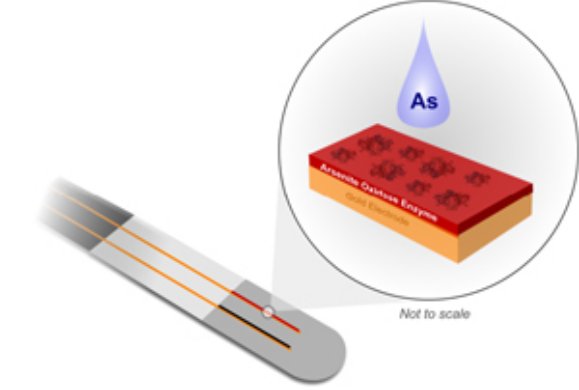
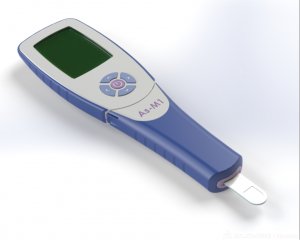
Arsenic contamination of drinking water is a problem faced by millions in both developed and developing counties. The World Health Organisation (WHO) has estimated that 130 million people globally drink water containing arsenic above safe levels, with short term exposure causing skin lesions, skin cancer and damage to the cognitive development of children, while long term exposure leads to fatal internal cancers (e.g. bladder, lung and liver) among 10% of those exposed. Bangladesh alone has 70 million people at risk due to drinking water from 8.6 million tube wells that require urgent and regular testing, as arsenic levels are labile. Testing is performed by international organizations including UNICEF who have tested 4.75m tube wells (UNICEF, Arsenic Mitigation in Bangladesh report, 2008). A WHO report in 2000 described the arsenic contamination of water from millions of tube wells in Bangladesh, as 'the largest mass poisoning of a population in history…. beyond the accidents at Bhopal India in 1984 and Chernobyl, Ukraine in 1986.' Bio Nano Consulting, together with its academic partners at Imperial College, have developed a unique arsenic sensor that uses technology modified from familiar glucose self-tests manufactured in the billions each year to create a step-change improvement in arsenic testing. By solving customer usability, cost and accuracy needs, which are unmet by currently-used arsenic tests, BNC has a developed an innovative platform which enables the commercialisation of simple, rapid, cheap, disposable tests for use in addressing this important problem. Characteristics: Easy-to-use,Quantitative,Fast,Low cost,Non-toxic,Global arsenic mapping Status: - Laboratory proof-of-concept demonstrated - Proprietary Enzyme - PCT/GB2012/052609 Assigned to Bio Nano Consulting - Low risk and scalable manufacturing process
CATEGORY
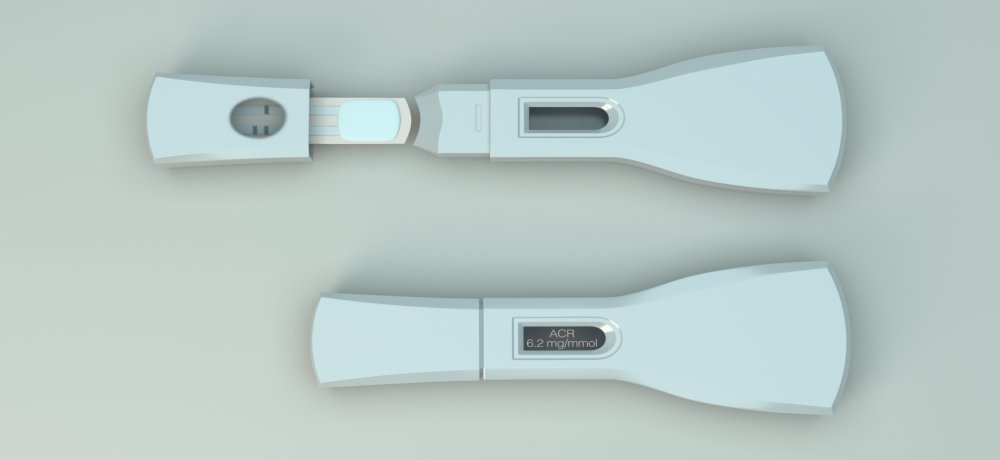
Quantitative Electrochemical Lateral Flow Assay Characteristics: Point-of-care monitoring,Quantitative, Wireless connectivity, Fast Status: - Laboratory proof-of-concept demonstrated - Proprietary Technology - PCT/GB2012/051733 Assigned to Bio Nano Consulting - Low risk and scalable manufacturing process According to a report published in 2012 by NHS Kidney Care, kidney disease costs the NHS over £1.4 billion per annum, more than breast, lung, colon and skin cancers combined. A year later, the Kidney Health Report highlighted that every day 19 people in the UK are diagnosed with kidney failure. Behind these 19 people, many more will have a lesser degree of kidney dysfunction, called Chronic Kidney Disease (CKD) that will place them at increased risk of cardiovascular disease and acute kidney injury. The NHS estimates that about 1 million cases remain undiagnosed and thus untreated. These patients need to know they are at risk and take action so that this risk can be reduced.Current point-of-care methods are semi-quantitative, and clinicians still rely on laboratory testing for assessment and monitoring of kidney disease. There is currently no device that can be used by clinicians for near-patient quantitative monitoring of kidney disease. This project innovatively modifies the technology contained in familiar pregnancy tests to deliver a quantitative test for kidney disease that can be used at near-patient settings. Moreover, the digital readout of the test enables the automatic and accurate collation of kidney function readings into a central database using mobile technology.
CATEGORY
The World Health Organisation (WHO) has estimated that 130 million people globally drink water containing arsenic above safe levels, causing skin lesions, cancer and damage to the cognitive development of children. We are developing a unique arsenic sensor that uses technology modified from familiar glucose self-tests manufactured in the billions each year to create a step-change improvement in arsenic testing.
CATEGORY
