2 October 2026. Ceres Nanosciences, Inc. reported results from a study evaluating Nanotrap® Microbiome A and B Particles combined with the Nanotrap® PRIME Extraction Kit for concentrating, extracting, and detecting mosquito-borne arboviruses from wastewater. The poster was presented by Saunders, Ceres Nanosciences, at the IWA World Water Congress & Exhibition (2026).
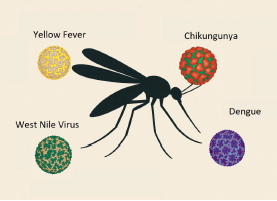
Wastewater samples were spiked with West Nile virus, dengue virus, Zika virus, chikungunya virus, and yellow fever virus. Nanotrap Microbiome A and B Particles captured all five viruses. West Nile, dengue, and Zika were simultaneously recovered from four unique wastewater samples spiked at 10⁴ copies/mL.
Chikungunya and yellow fever were detected across concentrations ranging from 10 to 1,000 copies/mL by both qPCR and dPCR. Reported endogenous chikungunya concentrations in wastewater are approximately 100–1,300 copies/mL. Yellow fever was detectable at 10 copies/mL.
Microbial capture and concentration used Nanotrap Microbiome A and B Particles, followed by nucleic acid purification using the Nanotrap PRIME Extraction Kit. The workflow processed 10 mL wastewater samples, while the authors note that 10–35 mL inputs are appropriate for native arbovirus isolation. Nanotrap-enriched nucleic acids were analyzed using Bio-Rad CFX96 qPCR and QIAGEN QIAcuity® One dPCR platforms.
The study demonstrates that Nanotrap Microbiome Particles combined with the Nanotrap PRIME Extraction Kit can capture and enable detection of five medically important arboviruses from wastewater, including chikungunya and yellow fever at concentrations as low as 10 copies/mL under the tested conditions. The workflow is faster than previously described arbovirus wastewater concentration methods and can be performed in automated or semi-automated formats. As a proof-of-concept based primarily on contrived wastewater samples, further validation with endogenous arbovirus-positive wastewater will be important.
Source: Ceres Nanosciences, Inc. news
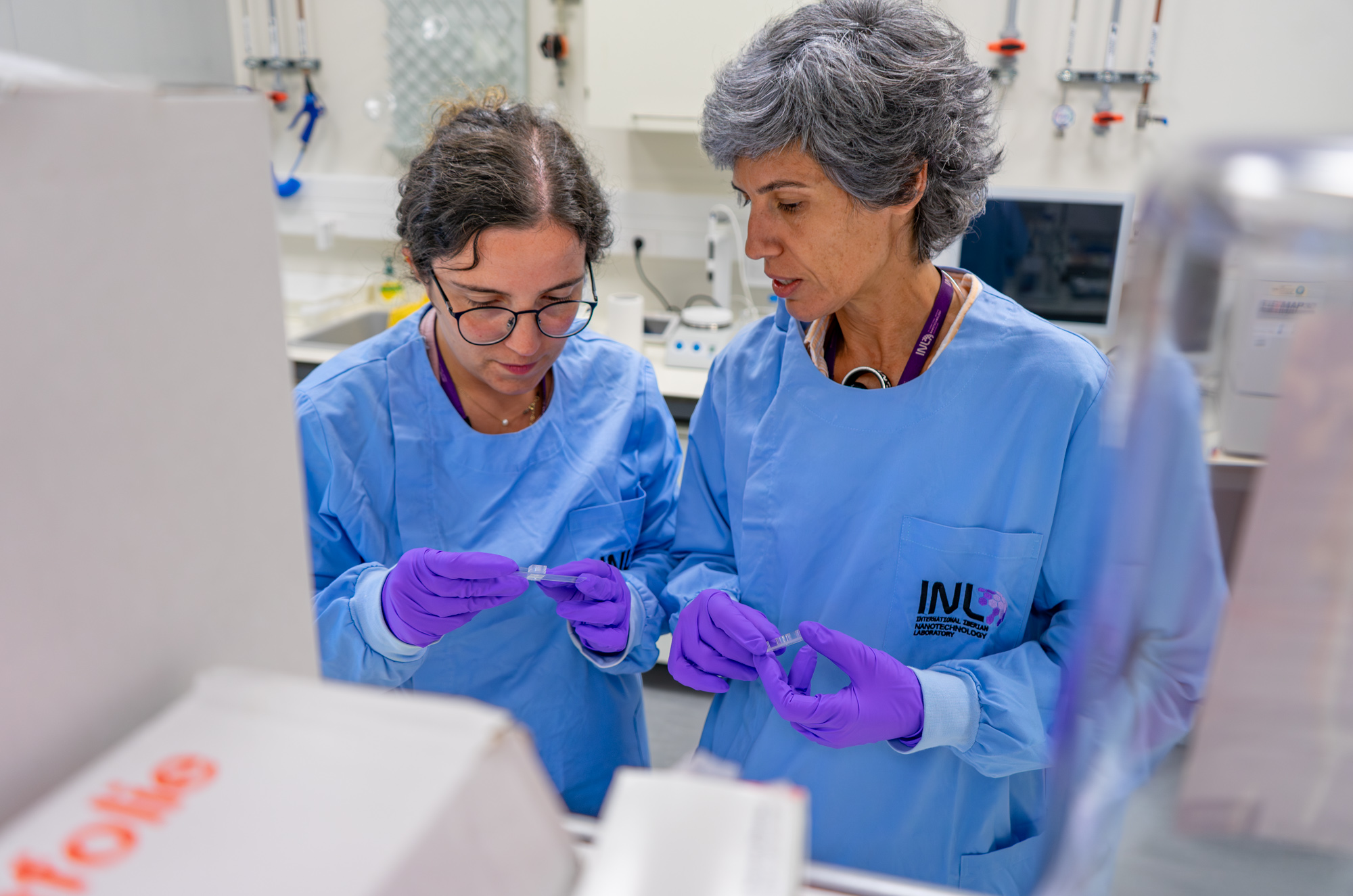
Nanoparticles are found in many everyday products, from cosmetics and textiles to air pollution. While they offer many benefits, scientists still need better ways to understand how long-term exposure may affect our skin. Researchers from Alfaro-Moreno group at INL have developed a new skin-on-a-chip platform that closely mimics human skin, providing a more realistic way to study how nanoparticles interact with our body's first protective barrier. Unlike conventional lab models (which grow...
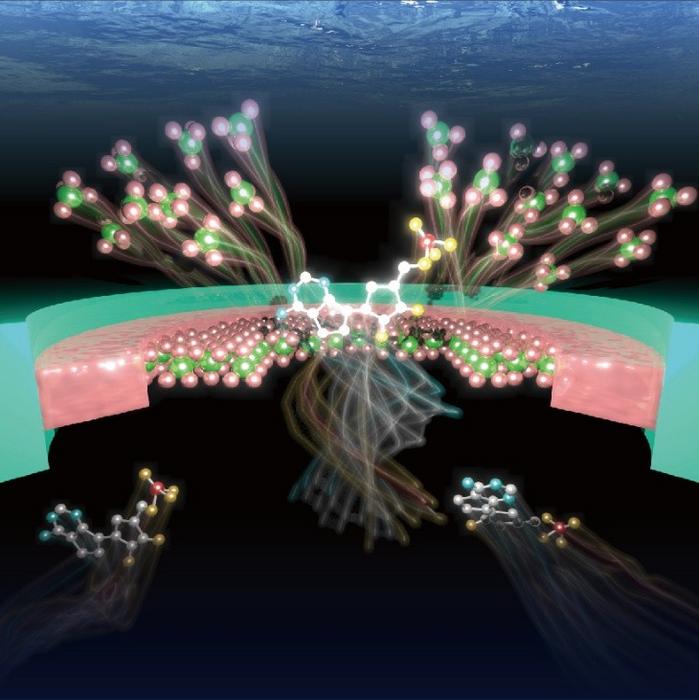
Researchers at the University of Osaka have developed an autonomous solid-state nanopore that senses molecules, generates electrical signals, and retains memory of recent events without external control. Chemical reactions inside the pore continuously reshape its structure, producing molecule-specific signal patterns. Machine learning distinguished DNA nucleotides and amino acids from these signatures. Published in ACS Nano.
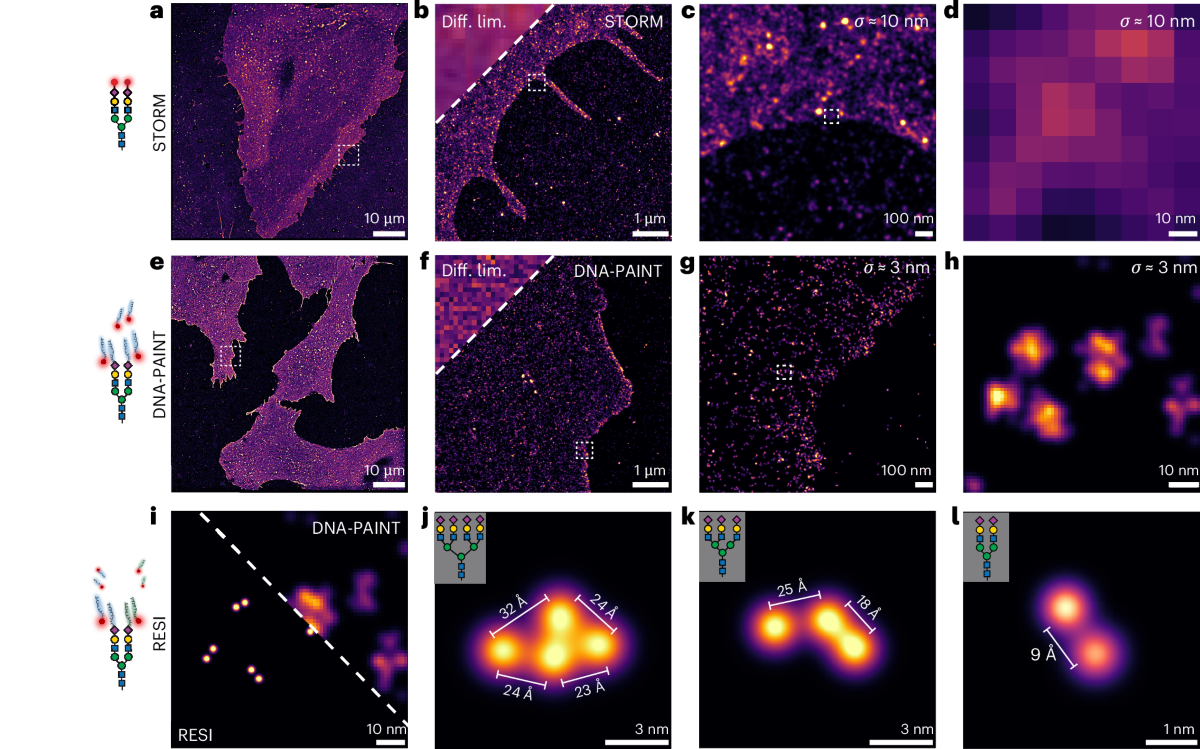
Scientists have developed “glycan atlassing,” a breakthrough super-resolution technique that maps the precise nanoscale architecture of sugars on cell surfaces. Published in Nature Nanotechnology, the method reveals that the spatial organization of glycans encodes critical information about cell state — opening powerful new possibilities for cancer diagnostics, stem cell research, and precision nanomedicine.






