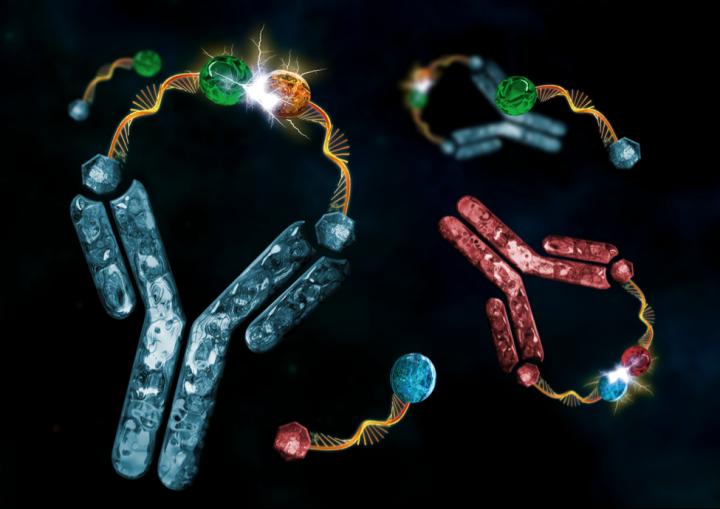
Antibodies are remarkable biomarkers: they are the cues that provide us with indications about many diseases and how our immune system counter them. Now a group of scientists from the University of Rome, Tor Vergata (Italy) has found a way to repurpose them so that they can trigger a specific chemical reaction.
"We demonstrated a strategy to use specific antibodies to control chemical reactions forming a wide range of molecules, from imaging to therapeutic agents." says Francesco Ricci, full professor at the University of Rome Tor Vergata and senior author of the article. "Our approach allows to synthesize a functional molecule from inactive precursors only when a specific antibody is present in the reaction mixture".
To achieve this goal, the researchers took advantage of the versatility of synthetic DNA oligonucleotides and of the predictability of DNA-DNA interactions. "Synthetic oligonucleotides are amazing molecules, they can be modified with a range of reactive groups and also with recognition elements that can target specific antibodies." says Lorena Baranda, PhD student in the group of Prof. Ricci and first author of the article. "In our work we rationally designed and synthesized a pair of modified DNA sequences that can recognize a specific antibody and bind to it. When this happens the reactive groups appended on the other ends of the DNA strands will be in close proximity and their reaction will be triggered ultimately leading to the formation of a chemical product", she explains.
The strategy demonstrated in this work can be used, for example, to control the formation of functional molecules, such as therapeutic agents, with biomarker antibodies. As a proof of principle of this possible application the researchers demonstrated the formation of an anticoagulant drug able to inhibit the activity of thrombin, a key enzyme of blood coagulation and an important target for the treatment of thrombosis. "We demonstrated that a specific IgG antibody can trigger the formation of the anticoagulant agent, which was further proven to efficiently inhibit the activity of thrombin" says Prof. Ricci. "The strategy is highly specific to the antibody of interest and also programmable. We envision it would represent a new avenue to targeted therapy and diagnostics", he concludes.
Contact
Francesco Ricci
Chemistry Department
University of Rome
francesco.ricci@uniroma2.it
Reference
Using antibodies to control DNA-templated chemical reactions
Lorena Baranda Pellejero, Malihe Mahdifar, Gianfranco Ercolani, Jonathan Watson, Tom Brown Jr and Francesco Ricci
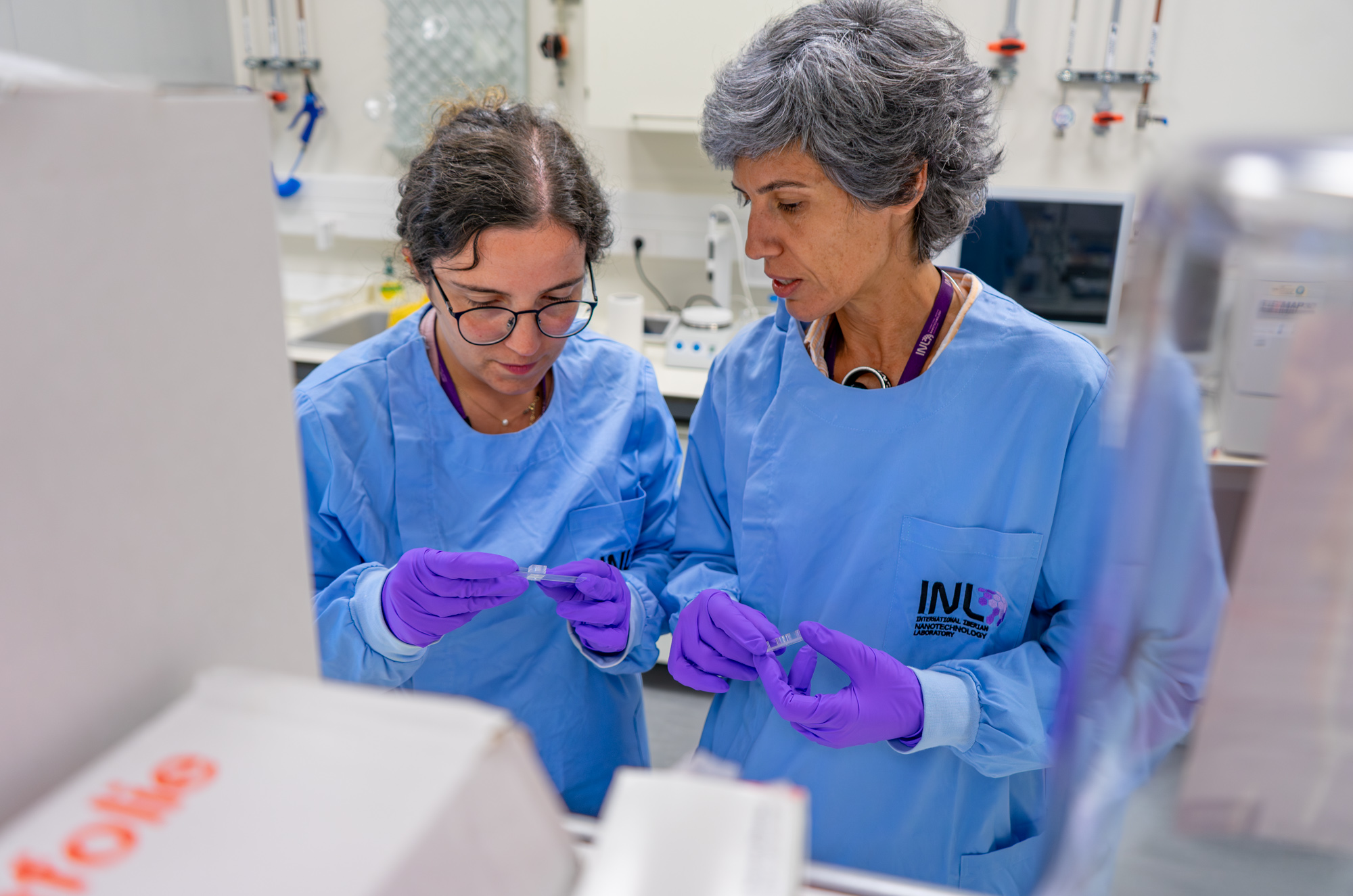
Nanoparticles are found in many everyday products, from cosmetics and textiles to air pollution. While they offer many benefits, scientists still need better ways to understand how long-term exposure may affect our skin. Researchers from Alfaro-Moreno group at INL have developed a new skin-on-a-chip platform that closely mimics human skin, providing a more realistic way to study how nanoparticles interact with our body's first protective barrier. Unlike conventional lab models (which grow...
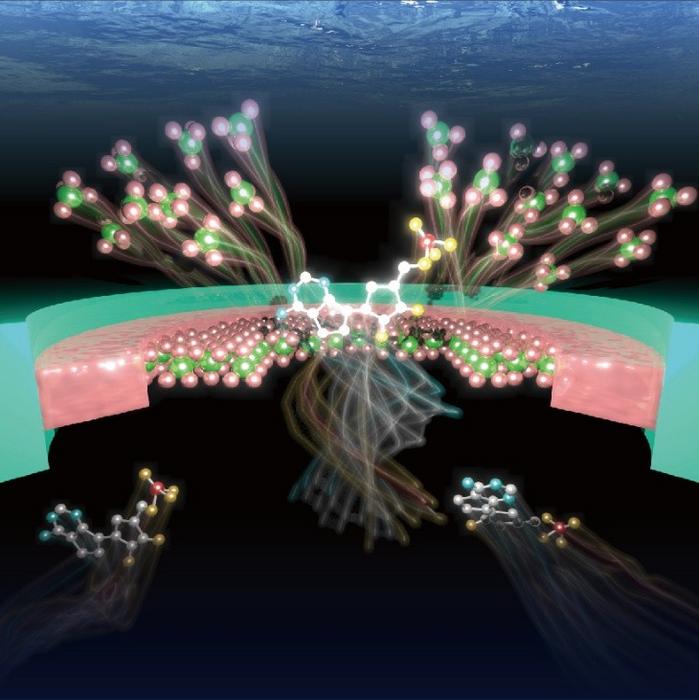
Researchers at the University of Osaka have developed an autonomous solid-state nanopore that senses molecules, generates electrical signals, and retains memory of recent events without external control. Chemical reactions inside the pore continuously reshape its structure, producing molecule-specific signal patterns. Machine learning distinguished DNA nucleotides and amino acids from these signatures. Published in ACS Nano.
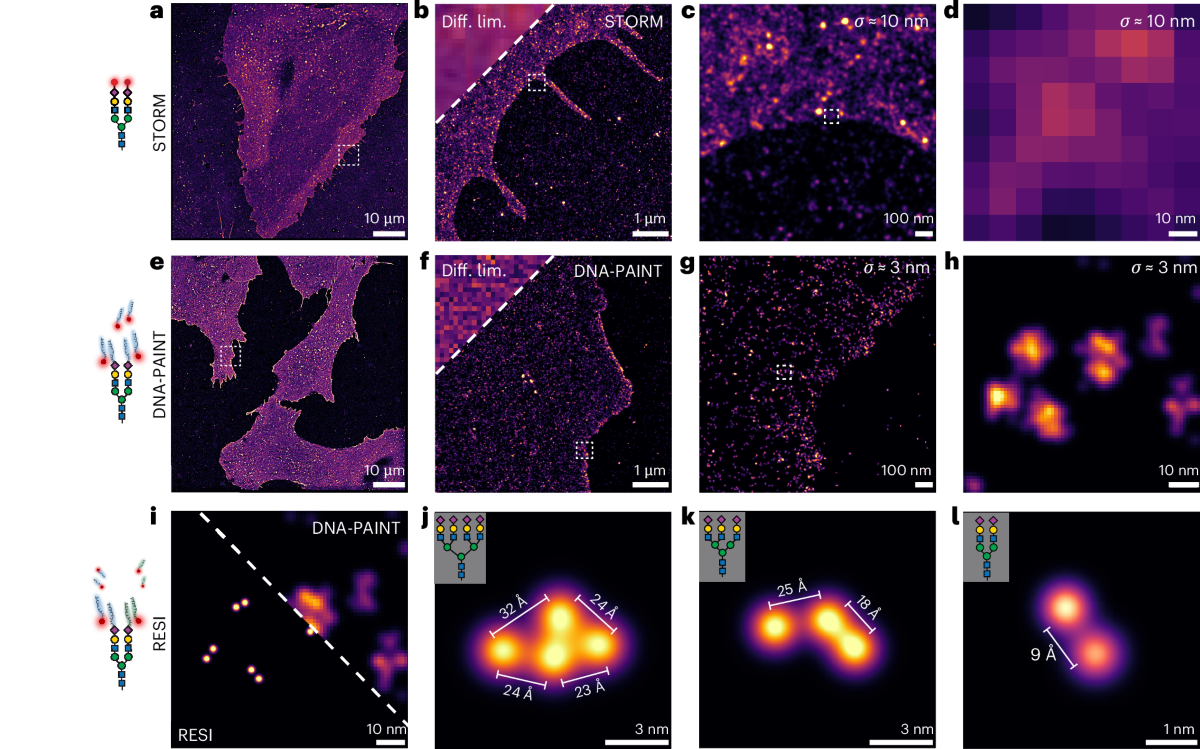
Scientists have developed “glycan atlassing,” a breakthrough super-resolution technique that maps the precise nanoscale architecture of sugars on cell surfaces. Published in Nature Nanotechnology, the method reveals that the spatial organization of glycans encodes critical information about cell state — opening powerful new possibilities for cancer diagnostics, stem cell research, and precision nanomedicine.






