Paris, 17 November 2026. Qluster, a Paris-based quantum computing startup, has raised €4.7 million in a pre-seed funding round led by Quantonation, an investment fund specializing in quantum technologies. Quantum Launchpad and Bpifrance supported the round. The company announced the funding on 17 November 2026.
Qluster is a spin-off from Laboratoire Kastler Brossel. It combines continuous-variable photonic quantum computing with an approach it calls "Architecture First". This means designing machines around the problems they need to solve rather than around a predefined qubit technology. The company says this approach is relatively underdeveloped in Europe but is already being explored and backed by significant investment in North America and Japan.
Continuous-variable photonic quantum computing uses light to carry information and exploits the continuous properties of the electromagnetic field to encode it. According to Qluster, the technology can generate entangled quantum states known as clusters, which provide the resources for quantum operations. The company says this allows processing of large numbers of quantum modes at room temperature.
Qluster builds on a patented miniature photonic source developed by Valentina Parigi and David Fainsin at Laboratoire Kastler Brossel. The company says the underlying principle has been experimentally validated and published in a scientific journal.
The funding will enable Qluster to establish its own R&D laboratory to improve the performance of its photonic technology. The company also plans to recruit experimental physicists and specialists in quantum computing theory and architecture. These hires will work on hardware components and the design of the future machine's overall architecture in parallel.
"For several years, the race to build quantum computers has largely focused on developing increasingly powerful qubits. But the challenge today is to ensure that the computing architecture can meet the needs of industry. This is the approach Qluster has adopted from day one, with the goal of developing an intermediate-scale quantum computer by 2032," said David Fainsin, co-founder and CEO of Qluster.
Qluster was founded a few months ago by four people: David Fainsin (CEO) and Ambroise Boyer (CTO), both PhD holders in quantum optics; Clarisse Thibault (COO), formerly of CNRS Innovation; and Valentina Parigi (CSO), a physicist and professor at Sorbonne University. The company won the 2026 i-Lab Grand Prize. It plans an intermediate-scale quantum computer by 2032 and a large-scale, fault-tolerant universal quantum computer by 2036.
Source: Quantonation news
Atom Computing has signed an agreement for up to $100 million with the U.S. Department of Commerce to accelerate R&D of fault-tolerant, utility-scale quantum computers, following an earlier Letter of Intent.
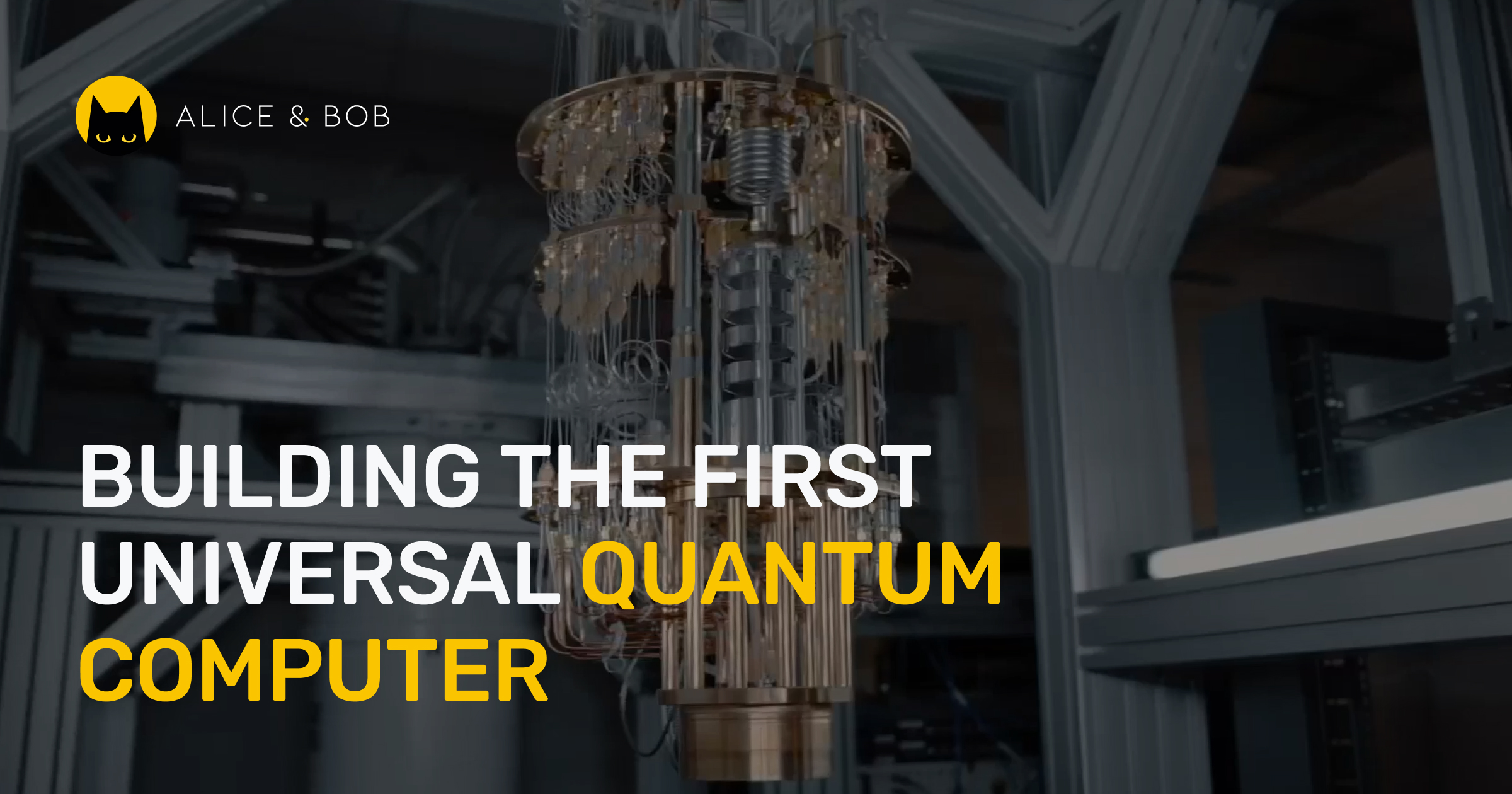
Alice & Bob has updated its modular roadmap to target 200 logical qubits by 2030, built from 3,600 physical cat qubits, double its previous goal. The plan sets milestones up to 2034.
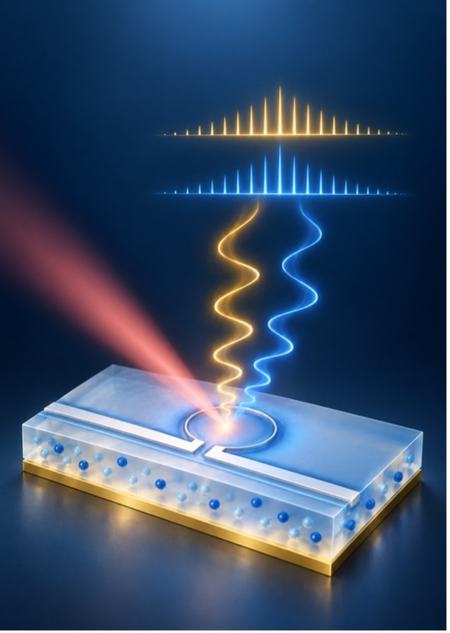
Billions of ytterbium ions in a yttrium orthovanadate crystal, coupled to a superconducting microwave resonator, synchronize through superradiance and pulse in a regular rhythm, forming a superradiant frequency comb. Unlike mirror-based combs, the spacing comes from atom-to-atom interference and the emission pairs microwaves with infrared light in step. The scheme could yield more stable combs and a microwave-optical link for connecting superconducting quantum circuits to fiber networks.
This week in nanotech
$129.9M raised
6 funding rounds · 39 deals tracked
New products
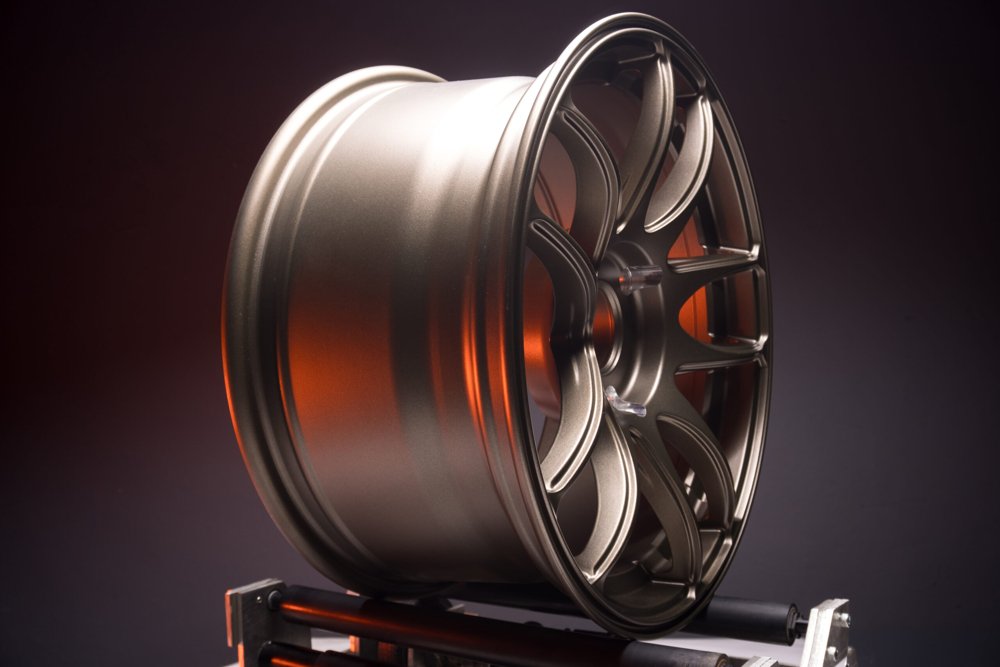 Ti-WCMBN Nanomaterialia Featured
 Nion-compatible In Situ STEM Holders for Electrical BiasingHummingbird Scientific Featured
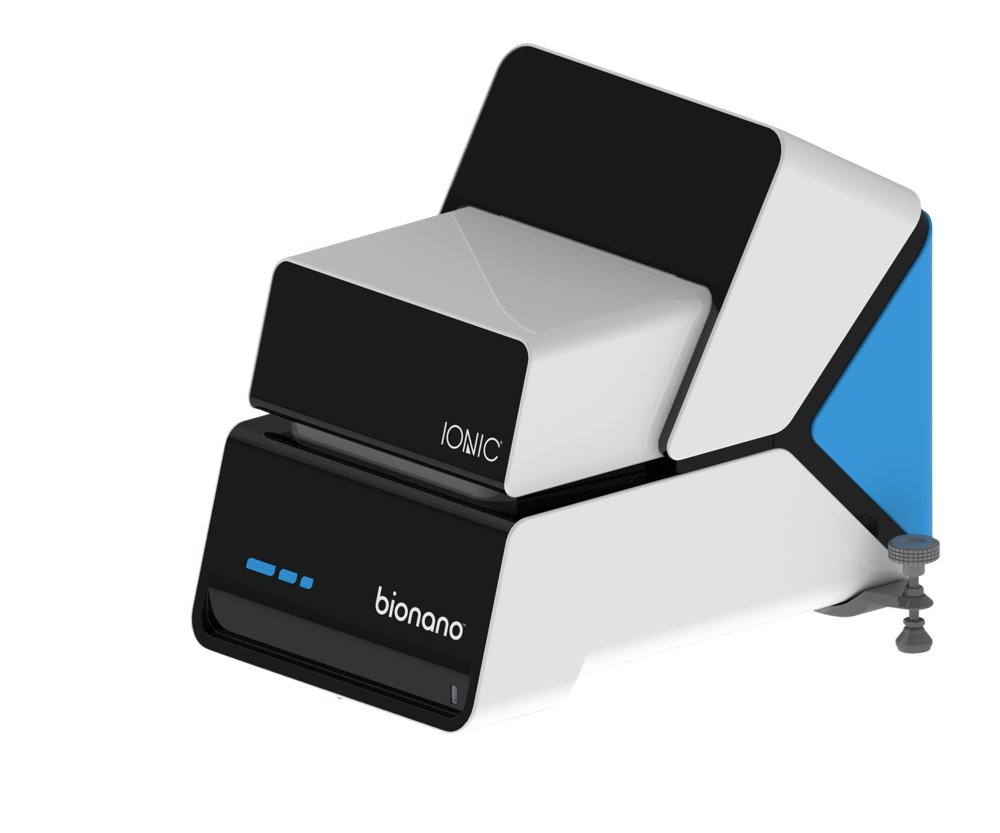 Ionic® Purification SystemBionano Genomics, Inc.
Market insights
Last 30 days: Semiconductors & Electronics drew the most money: $547.7M.
Money raised per month