Enschede, 17 November 2026. QuiX Quantum, a Dutch-German developer of universal photonic quantum computers, together with Taiwanese partners Artilux Inc. and its affiliate Brillink Inc., has been awarded funding under the TechBridge Taiwan Call 2026 – Photonics Integrated Circuits. The programme is run jointly by the Netherlands Enterprise Agency (RVO) and Taiwan's Industrial Development Administration (IDA), with each country funding its own partners.
The 36-month project, QSPAD, will run from January 2027 to December 2029. It aims to develop, integrate and demonstrate photonically integrated single-photon detectors that operate near room temperature.
Most advanced photonic quantum computers use superconducting nanowire single-photon detectors that operate only below about 2.5 kelvin. QSPAD will develop waveguide-based germanium-silicon (GeSi) single-photon avalanche diode (SPAD) arrays that work at or near room temperature, down to –40 °C using conventional thermoelectric cooling. The arrays will be co-integrated with QuiX Quantum's low-loss silicon nitride photonic integrated circuits.
The detectors are CMOS-compatible and sensitive at the 1310/1550 nm telecom wavelength. The detector and photon-source circuits are joined through an engineered optical coupling packaged in a compact Photonic Assembly Control Unit. The partners say removing cryogenic detection takes out the single largest cost item from a photonic quantum system.
QuiX Quantum is advancing its next-generation Dedalo architecture, with loss-tolerant logical-qubit capabilities planned throughout 2028–2030 and commercially deployable fault-tolerant systems targeted beyond 2030. QuiX Quantum contributes its silicon nitride photonic platform and system integration, Artilux its GeSi detector technology and CMOS fabrication, and Brillink its advanced packaging and testing supply chain. The partners expect to begin joint work in early 2027.
"Room-temperature single-photon detection is one of the missing industrial building blocks on the path to deployable fault-tolerant quantum computers," said Stefan Hengesbach, CEO of QuiX Quantum.
Source: QuiX Quantum news
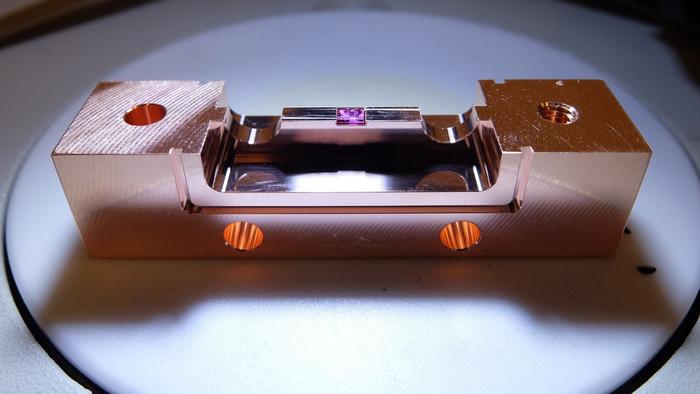
Researchers at Okinawa Institute of Science and Technology have built a diamond maser amplifier that operates near absolute zero and boosts microwave signals more than 1,000-fold while adding only 2.55 quanta of noise, close to the quantum limit. Using nitrogen impurity spins in diamond, the device handles stronger input than conventional Josephson parametric amplifiers and works in magnetic fields, suiting spin-qubit platforms.
Atom Computing has signed an agreement for up to $100 million with the U.S. Department of Commerce to accelerate R&D of fault-tolerant, utility-scale quantum computers, following an earlier Letter of Intent.
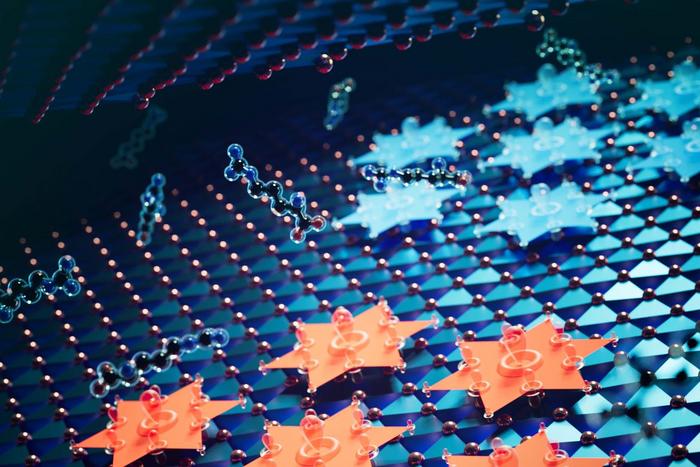
Researchers have linked atomic vibrations that carry heat and sound, known as acoustic phonons, to electron spin in ultrathin sheets of the semiconductor nickel phosphorous trisulfide. Using Brillouin-Mandelstam inelastic light scattering spectroscopy, they found the two properties correlate more strongly once spins organize into a zigzag pattern at low temperature, and that surface phonons slow near that transition.
This week in nanotech
$111.7M raised
4 funding rounds · 18 deals tracked
New products
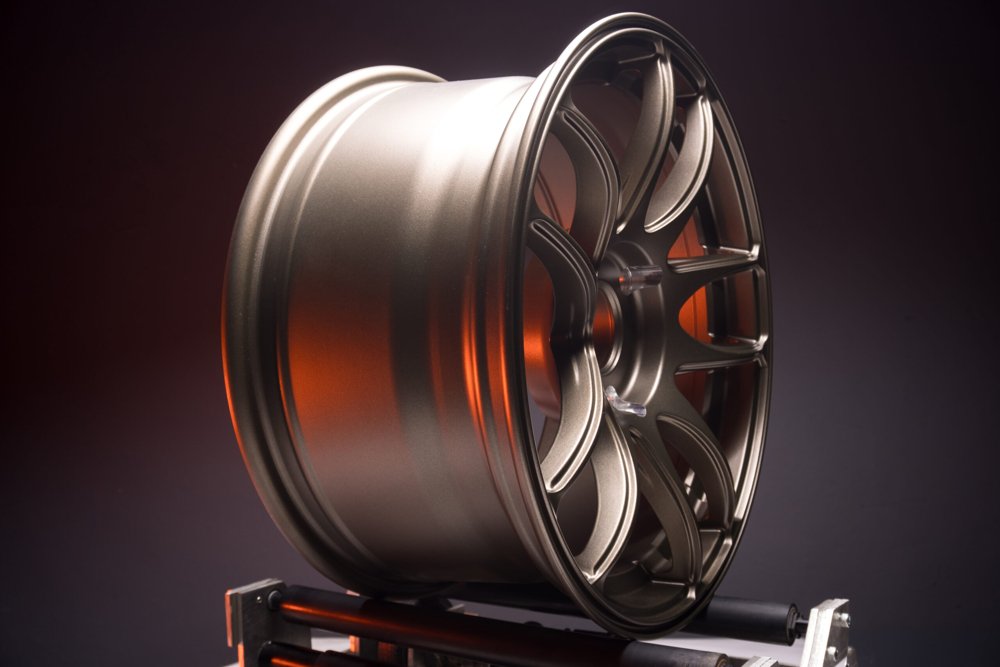 Ti-WCMBN Nanomaterialia Featured
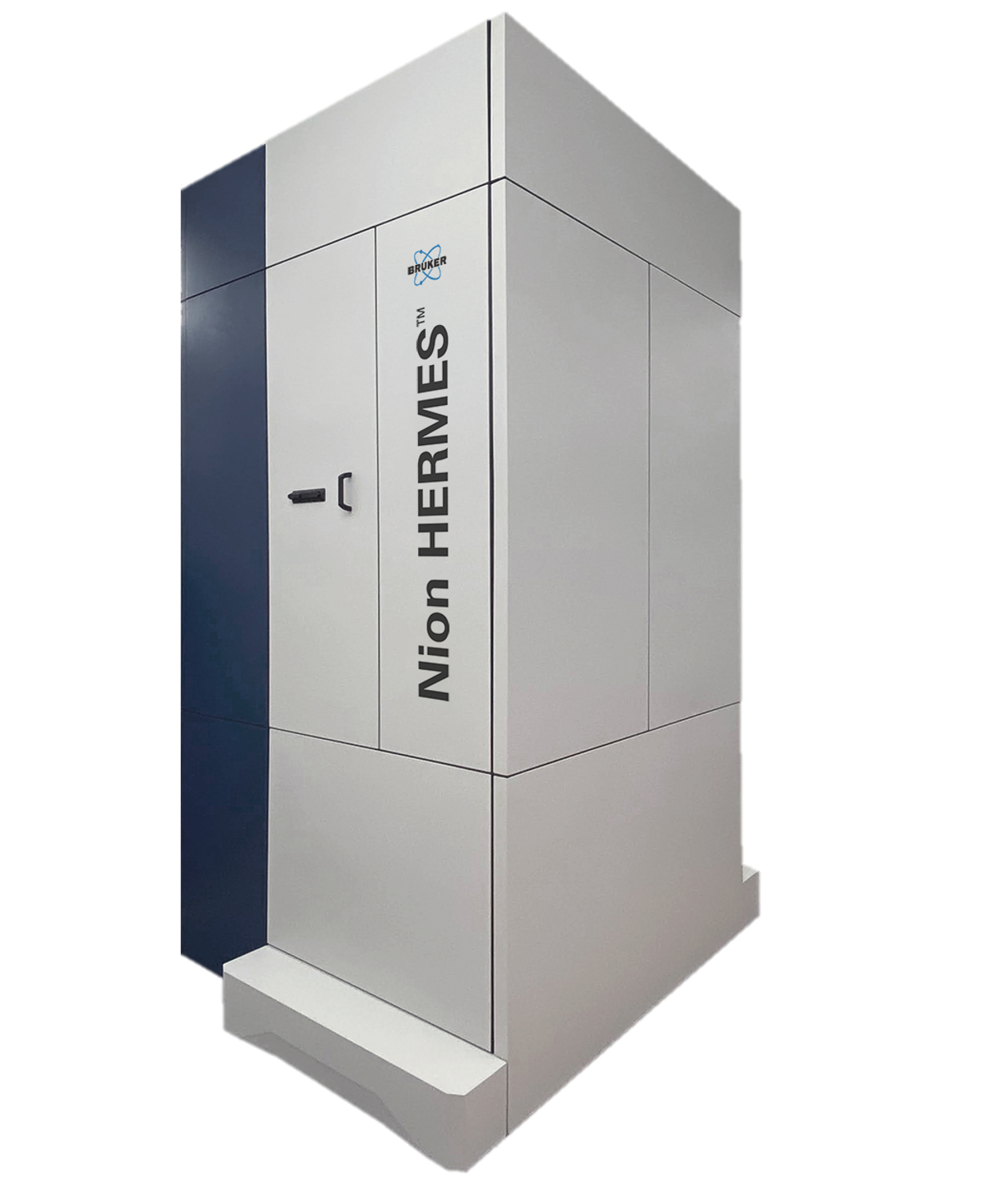 Nion-compatible In Situ STEM Holders for Electrical BiasingHummingbird Scientific Featured
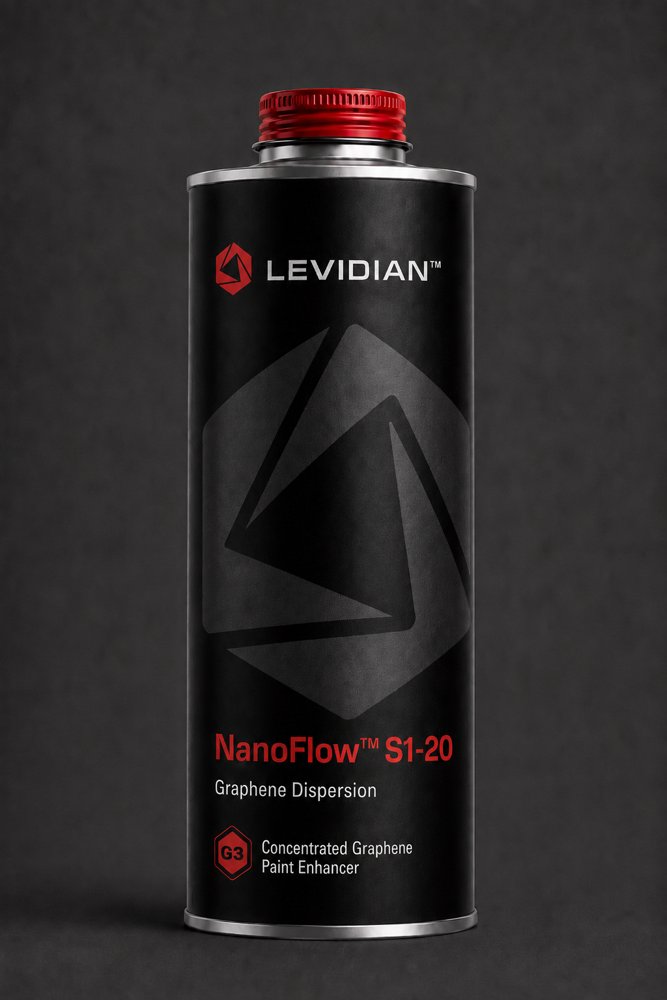 NanoFlow® S1-20Levidian
Market insights
Last 30 days: Semiconductors & Electronics drew the most money: $547.7M.
Money raised per month