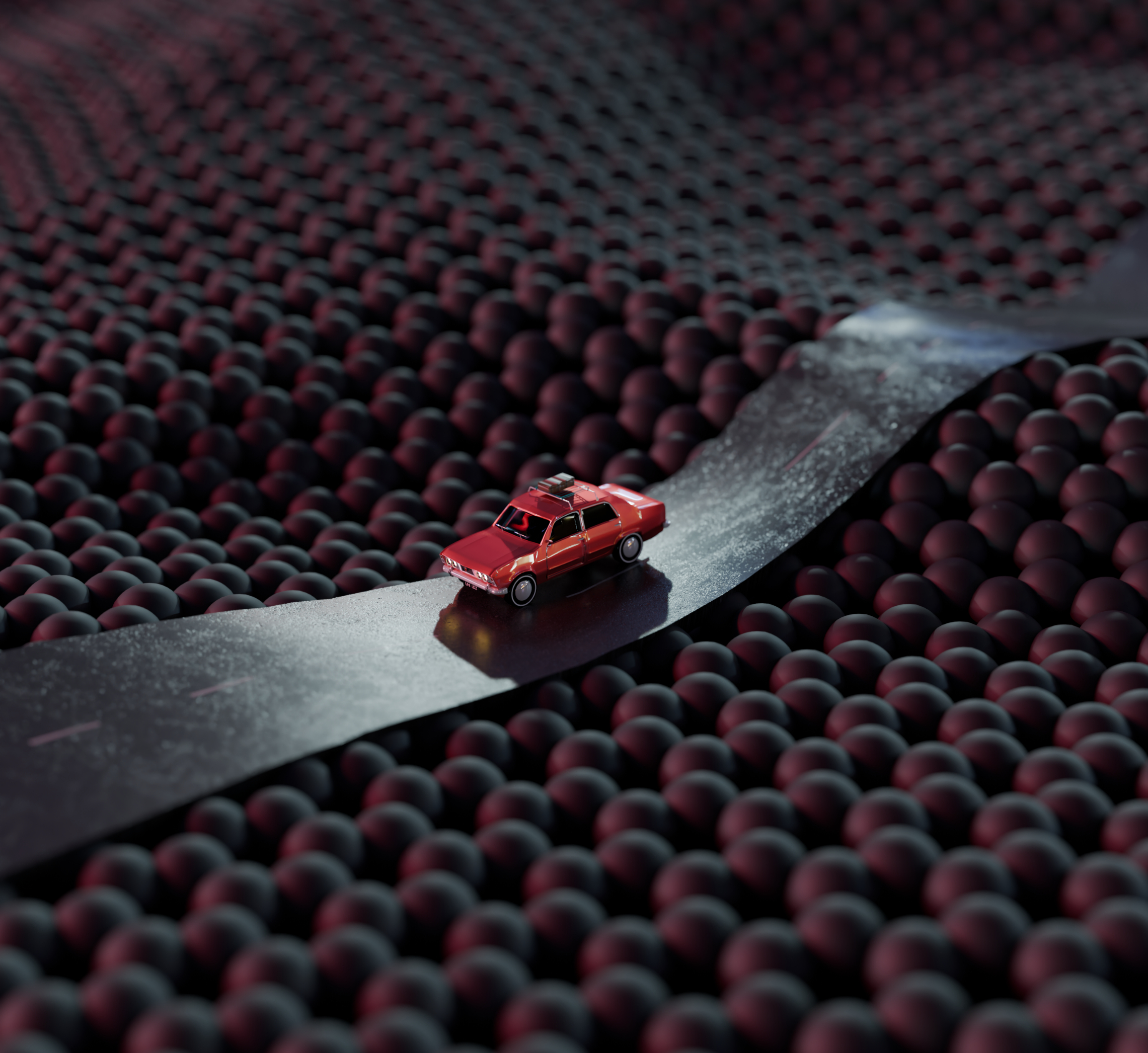
Scientists led by dr hab. Paweł Kowalczyk, Associate Professor at the University of Lodz, have discovered a new phenomenon related to the disappearance of friction – superlubricity. This special phenomenon was observed at the contact of two solid materials, bismuth and graphite. Bismuth is intentionally deposited on the surface of graphite (the same material in your pencil lead) and forms extremely flat crystals, so thin that their thickness is only 2 atoms wide. The first surprise was that the bismuth crystals, move around on the surface of graphene, along straight lines. This is the first-ever report of this phenomenon, changes the way we think about friction and adhesion of materials, and opens up future research and development ideas for friction reduction.
What is superlubricity?
Superlubricity is a condition in which the friction between solid materials becomes imperceptible. Under normal conditions, the friction between two surfaces makes it difficult to move them relative to each other, because there are forces that bind the atoms in both materials, as if connected by tiny springs. In superlubricity systems however, these tiny springs are so weak that the two bodies can move without resistance. This phenomenon is relatively well-known for many years, and it is the reason why many commercial lubricants contain graphite. The atomic layers in graphite are weakly bonded, and can slide easily from each other. To date, superlubricity has always been isotropic: the friction is cancelled in all directions equally. Now, with this new discovery, a new form of superlubricity is achieved, where the friction is zero in one direction only, and has conventional friction in other directions.
You can even experiment at home with this. After using graphite-based pencils and before washing your hands, rub your graphite-coated fingers together. You can actually feel the extremely low friction, as the tips of your fingers can move very easily, and the whole thing feels very “slippery”. This is superlubricity at play!
How does it work?
Microscopy sequences presented in the article show that the bismuth crystals deposited on the surface of graphite are not stationary at all. Although they are solids, they behave a bit like oil drops on a hot surface, and constantly move from place to place. Surprisingly, their movement always takes place along straight lines, due to a very specific arrangement of their atomic lattices. These straight lines are reminiscent of highways, and because they enable fast collective motion of crystals along one direction, are called nano-highways.
When the statistical distribution of the crystal trajectories is measured, it turns out that it can be described using a power law – that is, most of the bismuth crystals move on the surface spontaneously along very short distances, such as very short lengths of 10 or 20 nm; but a significant number of crystals also travel much larger distances, of up to 1000 nm. Interestingly, these nano-highway lengths follow a statistics called "Lévy flight". This way of statistically moving on the surface is extremely rare in the study of solid materials.
This type of statistics is particularly interesting as it occurs in many unexpected areas of nature, in particular in collective and intelligent systems, such as animals searching for food. To survive, foraging patterns are optimised when occasionally, large travelling distances are made to avoid searching for food in empty areas for too long. Not only in natural systems, but in human ones too: the flow of information on the Internet and the stock market also behave according to Lévy flight statistics.
Why is it so important?
This discovery may have major implications for the future of nanotechnology. For example, by understanding how these islands move on graphite, scientists may develop materials that have much lower friction, which is much more present in microscopic systems than in large-scale objects. Such materials could be used in a variety of devices, from precision machinery to vehicles, which, thanks to lower friction, would be more efficient and less subject to wear. This, in turn, would allow to save on energy costs (the energy spent into moving the object will not turn into heat) and material savings (much less repair will be required), which would have a positive impact on the environment. If friction could be altogether removed from society, humanity would save nearly a quarter of carbon emissions.
What are the prospects for the future?
In the future, the researchers plan to conduct even more research that will allow them to better understand how various factors, such as temperature, the size of the islands and the type of defects on the graphite surface, affect the friction and movement of these islands. They are also looking for other materials that have similar properties.
Reference
Evidence of Directional Structural Superlubricity and Lévy Flights in a van der Waals Heterostructure
Maxime Le Ster, Paweł Krukowski, Maciej Rogala, Paweł Dabrowski, Iaroslav Lutsyk, Klaudia Toczek, Krzysztof Podlaski, Tefvik Onur Menteş, Francesca Genuzio, Andrea Locatelli, Guang Bian, Tai-Chang Chiang, Simon A. Brown, Paweł J. Kowalczyk
https://onlinelibrary.wiley.com/doi/full/10.1002/smll.202408349
University of Lodz
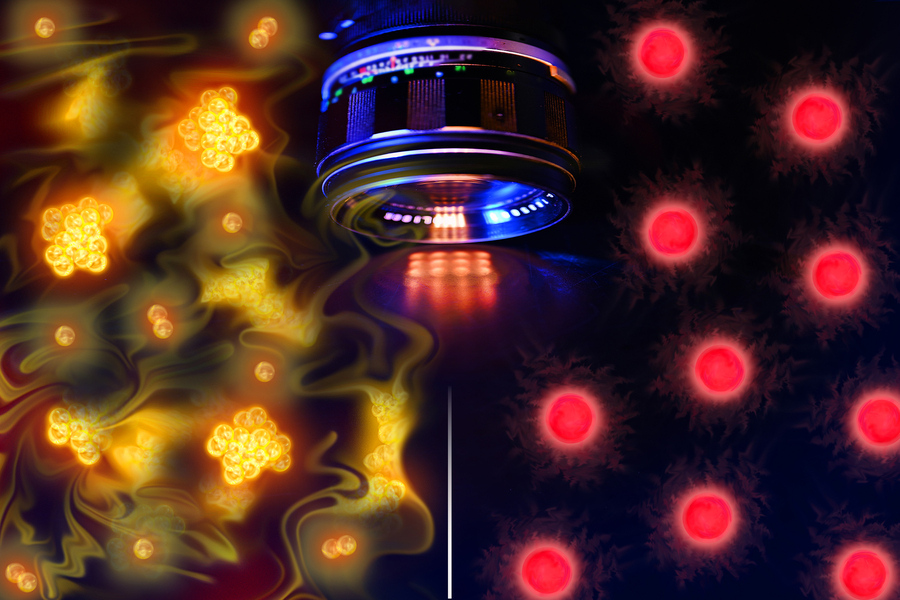
MIT physicists have captured the first images of individual atoms freely interacting in space. The pictures reveal correlations among the “free-range” particles that until now were predicted but never directly observed. Their findings, appearing in the journal Physical Review Letters, will help scientists visualize never-before-seen quantum phenomena in real space.
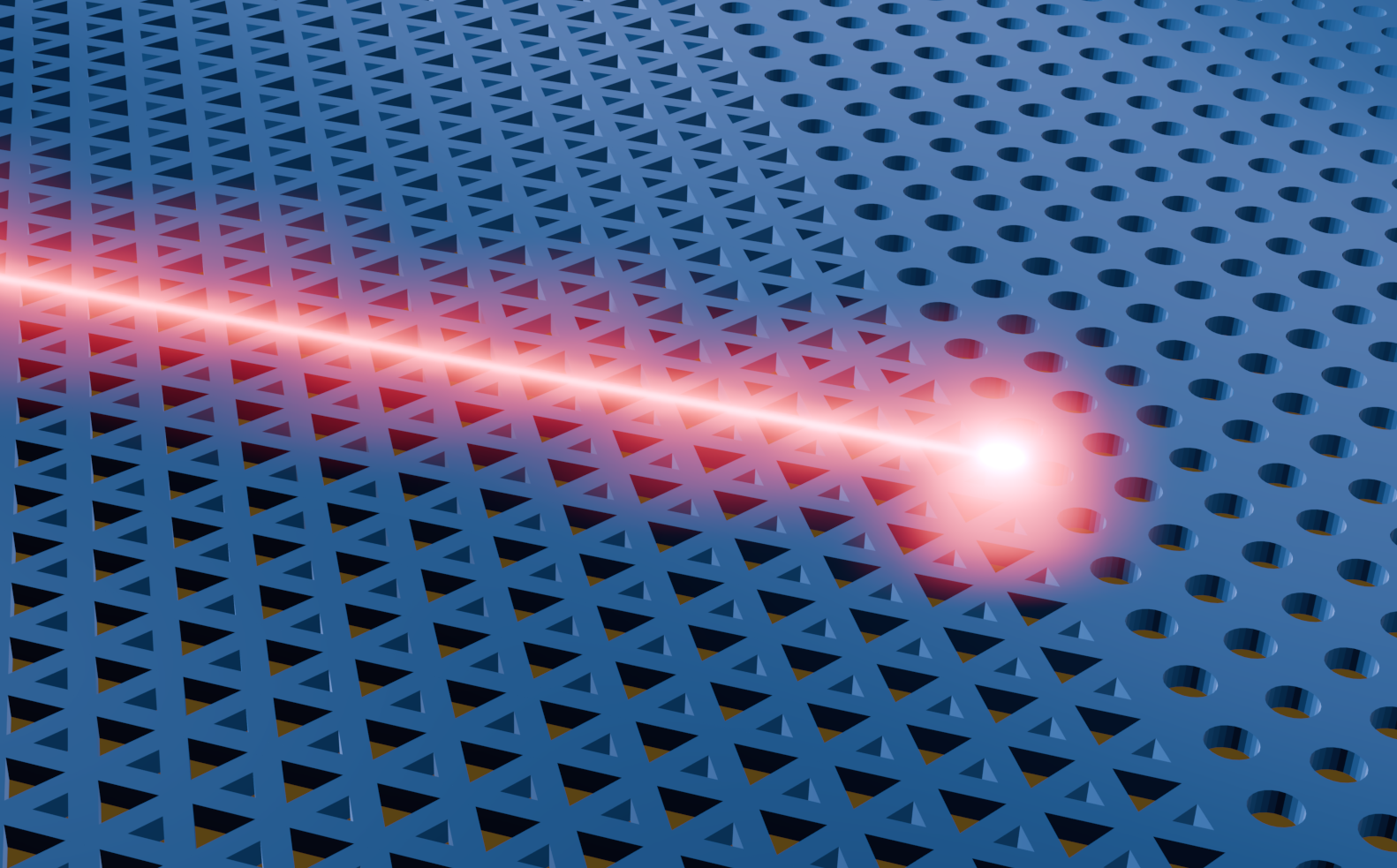
Concentrating light in a volume as small as the wavelength itself is a challenge that is crucial for numerous applications. Researchers from AMOLF, TU Delft, and Cornell University in the USA have demonstrated a new way to focus light on an extremely small scale. Their method utilizes special properties of a photonic crystal and works for a broader spectrum of wavelengths than alternative methods.
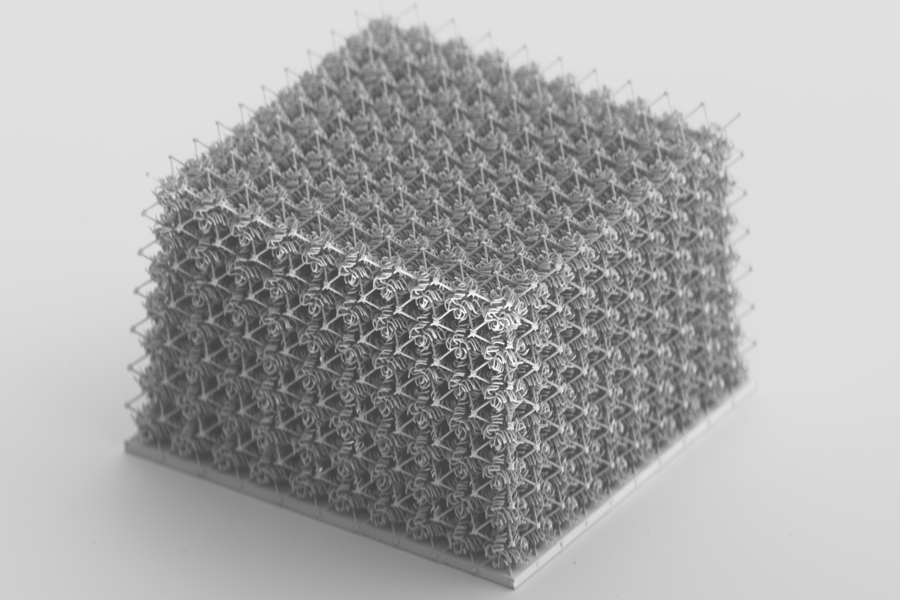
MIT engineers have found a way to fabricate a metamaterial that is both strong and stretchy. The base material is typically highly rigid and brittle, but it is printed in precise, intricate patterns that form a structure that is both strong and flexible.
This week in nanotech
$816M raised
7 funding rounds · 34 deals tracked
New products
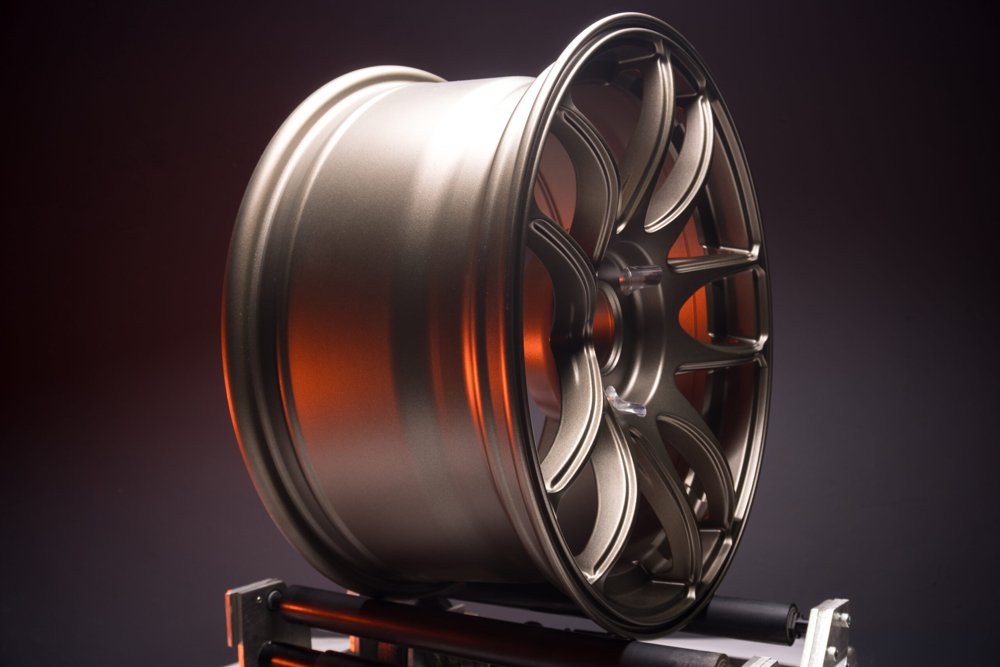 Ti-WCMBN Nanomaterialia Featured
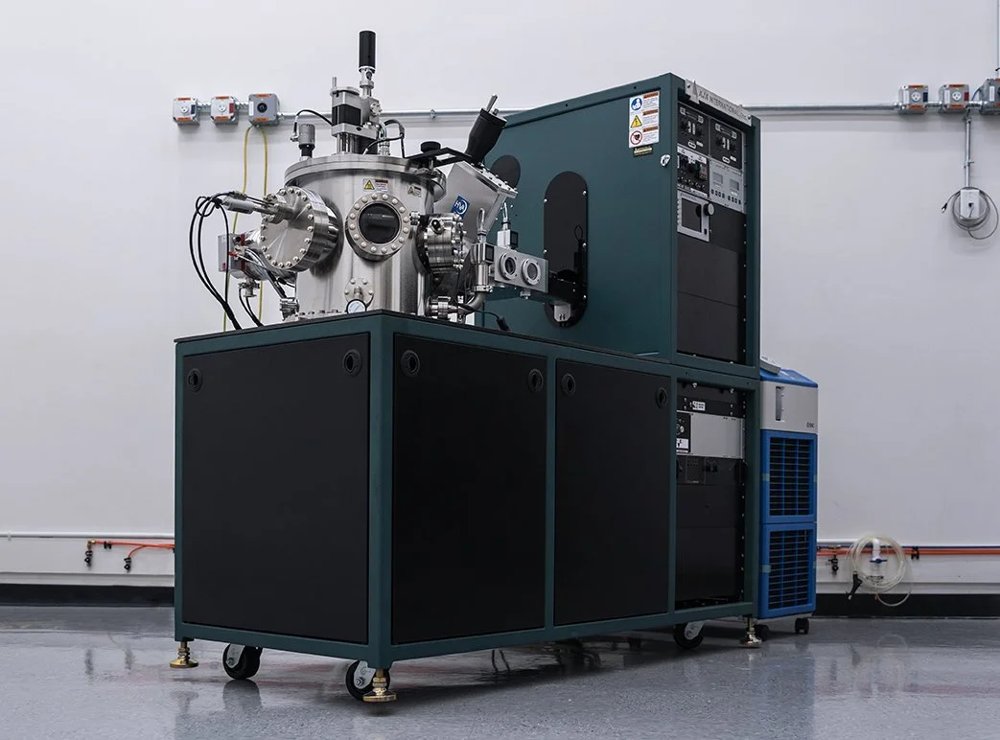 Orion Sputtering Deposition SystemsAJA International Featured
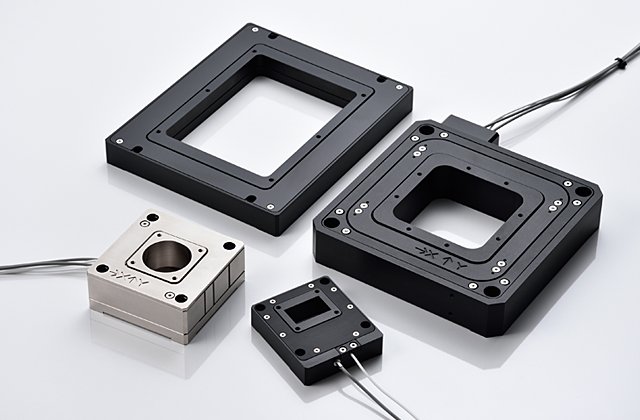 PKVH / PKVL ZAxis With an opening modelTHK PRECISION CO.,LTD.
Market insights
Last 30 days: Quantum Technologies drew the most money: $3.17B.
Money raised per month
Behind the deal
Who led Xanadu Quantum Technologies Limited’s $10M Grant?
See the investors with Insights Pro →