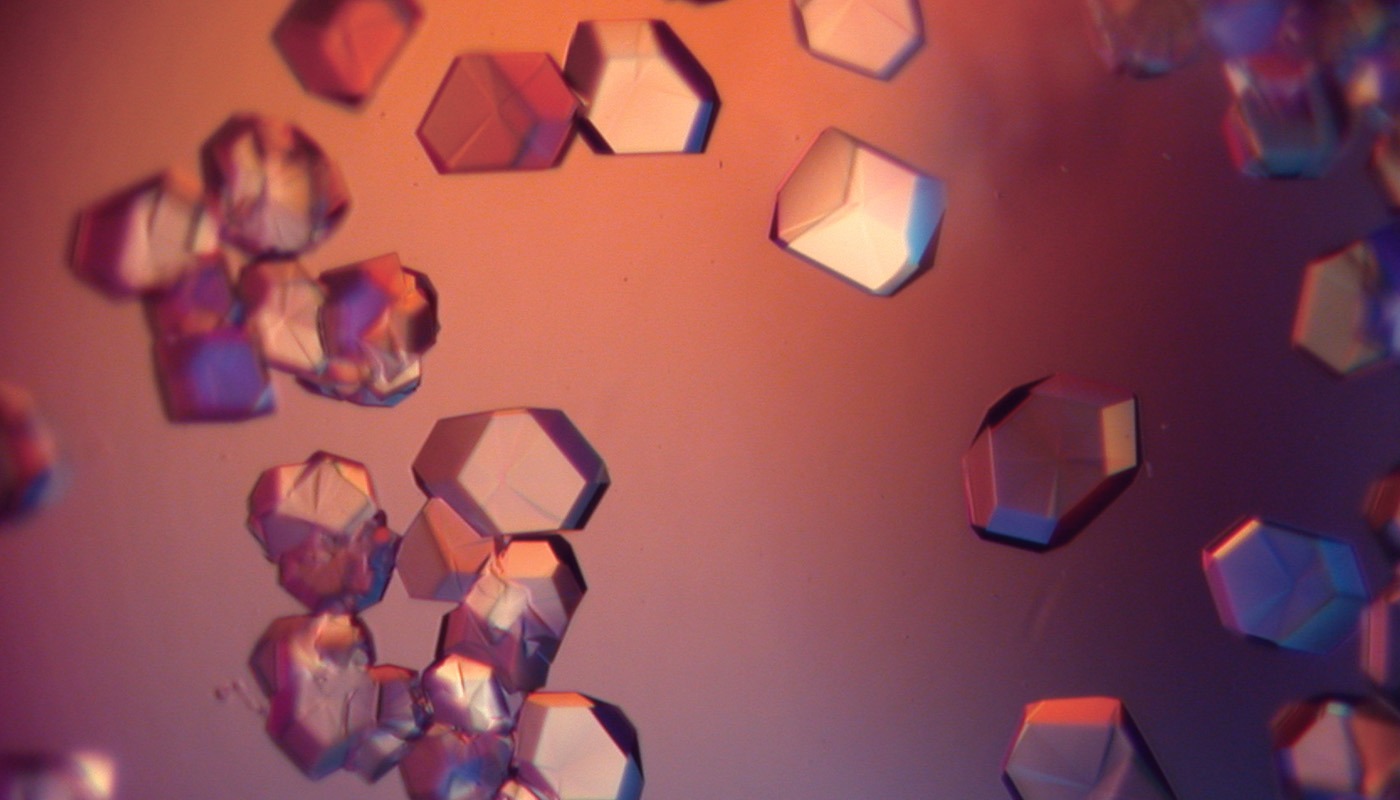
Rigaku has introduced the PhotonJetMAX-S, a microfocus sealed-tube X-ray source for the XtaLAB Synergy-S. According to Rigaku, the source delivers more than twice the diffracted intensity of the PhotonJet-S while maintaining the versatility to handle a wide range of samples.
The PhotonJetMAX-S uses the same tube technology as the PhotonJet-S, so the cost of a replacement tube remains the same. It also operates at the same power level as the PhotonJet-S. Rigaku states that the PhotonJetMAX-S achieves peak performance at just 50 W.
The source uses Rigaku Innovative Technologies (RIT) optic technology to maximise photon capture from the tube and focus the photons onto the sample. Compared with the PhotonJet-S, it delivers more than double the photons to the detector.
The PhotonJetMAX-S is equipped with Rigaku's water-to-air cooling approach. The system uses water only where necessary, in a closed, low-pressure circuit, to allow precise control of source temperature and flux. Water also removes heat from the cabinet, eliminating the source as a cause of air turbulence and heat near the sample.
The source is built with Rigaku's long-life tube technology. Rigaku's patented divergence slits are included as standard, for samples with large or small unit cells, single-crystal or powder samples, and twinned samples. Rigaku says the PhotonJetMAX-S allows analysis of smaller samples or increased throughput as needed.
Source: Rigaku news
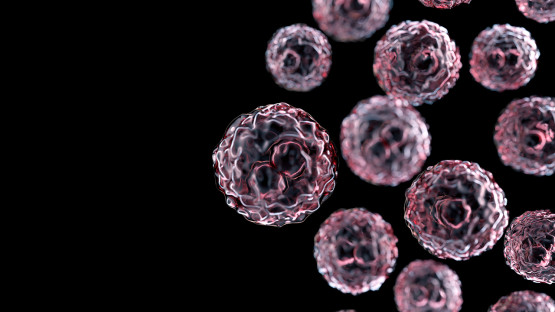
Cornell and Pacific Northwest National Laboratory researchers have developed a predictive model for how crystals such as calcite incorporate silica nanoparticles, revealing that the energy needed to cross water layers at the crystal surface strongly governs uptake, and that amines rather than carboxylic acids bind best.
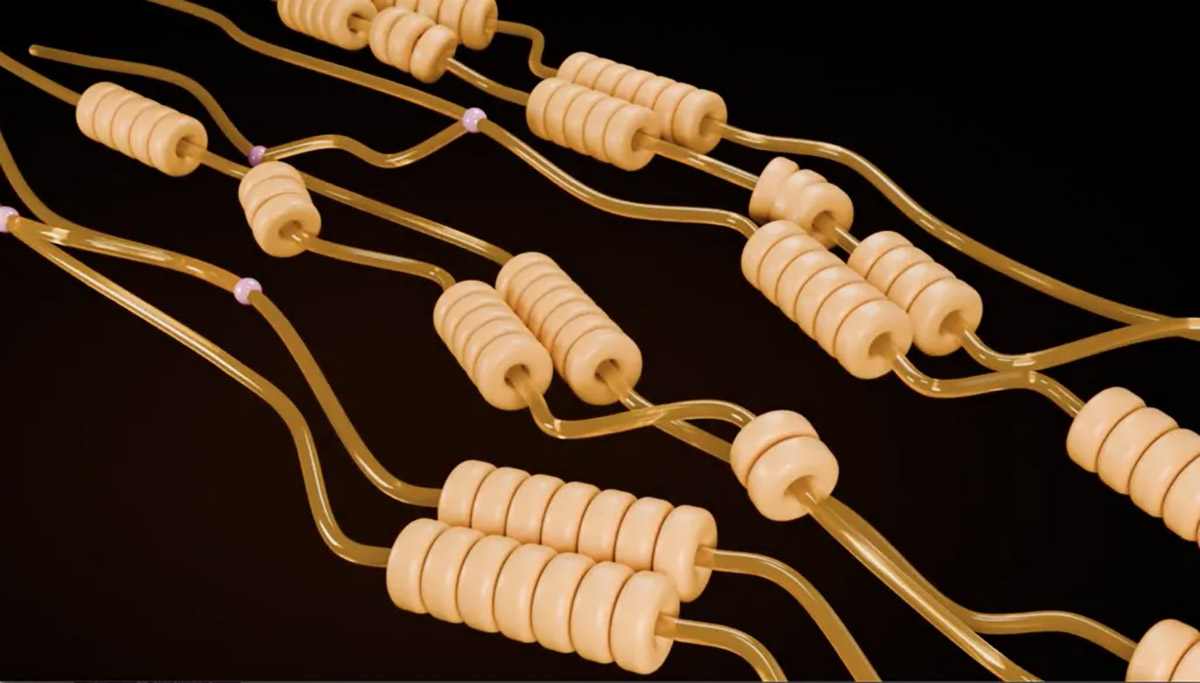
A polymer hydrogel that grows stronger under repeated bending and strain has been developed by chemists, who report the material survived 10,000 bending cycles in tests on a knee-like joint. Made from a biodegradable blend of sugar crystals and polyethylene glycol, the 3D printable material uses sliding cyclodextrin rings to reinforce stressed regions, mimicking collagen.
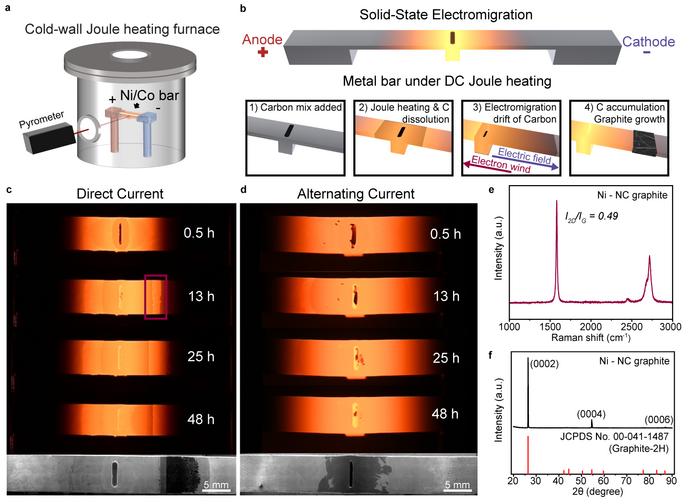
Researchers at the Institute for Basic Science have turned electromigration, long a cause of circuit failure, into a tool for materials growth. Applying direct current to cobalt and nickel guided dissolved carbon through the solid metals, precipitating graphite 8 to 10 millimeters away at the cathode. Alternating current produced deposits roughly 300 to 450 times thinner.
This week in nanotech
21 deals tracked
New products
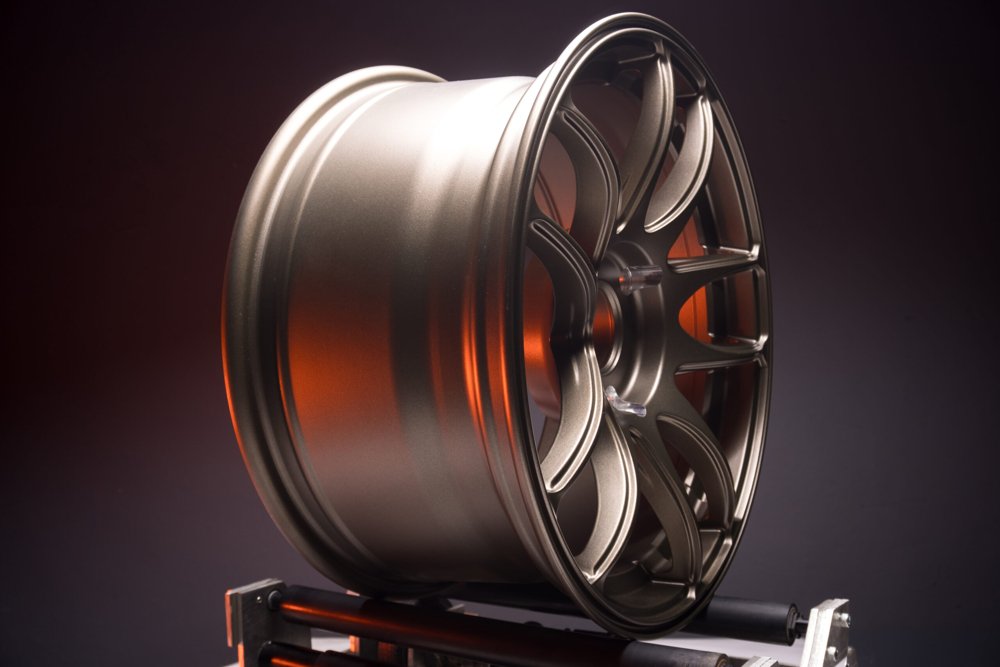 Ti-WCMBN Nanomaterialia Featured
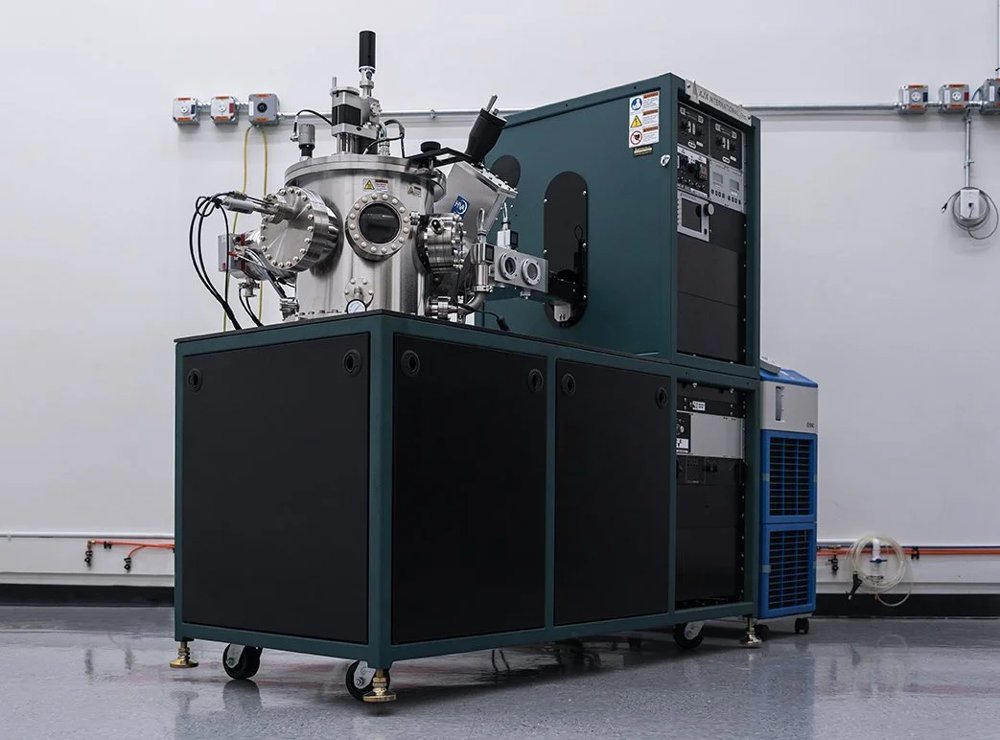 Orion Sputtering Deposition SystemsAJA International Featured
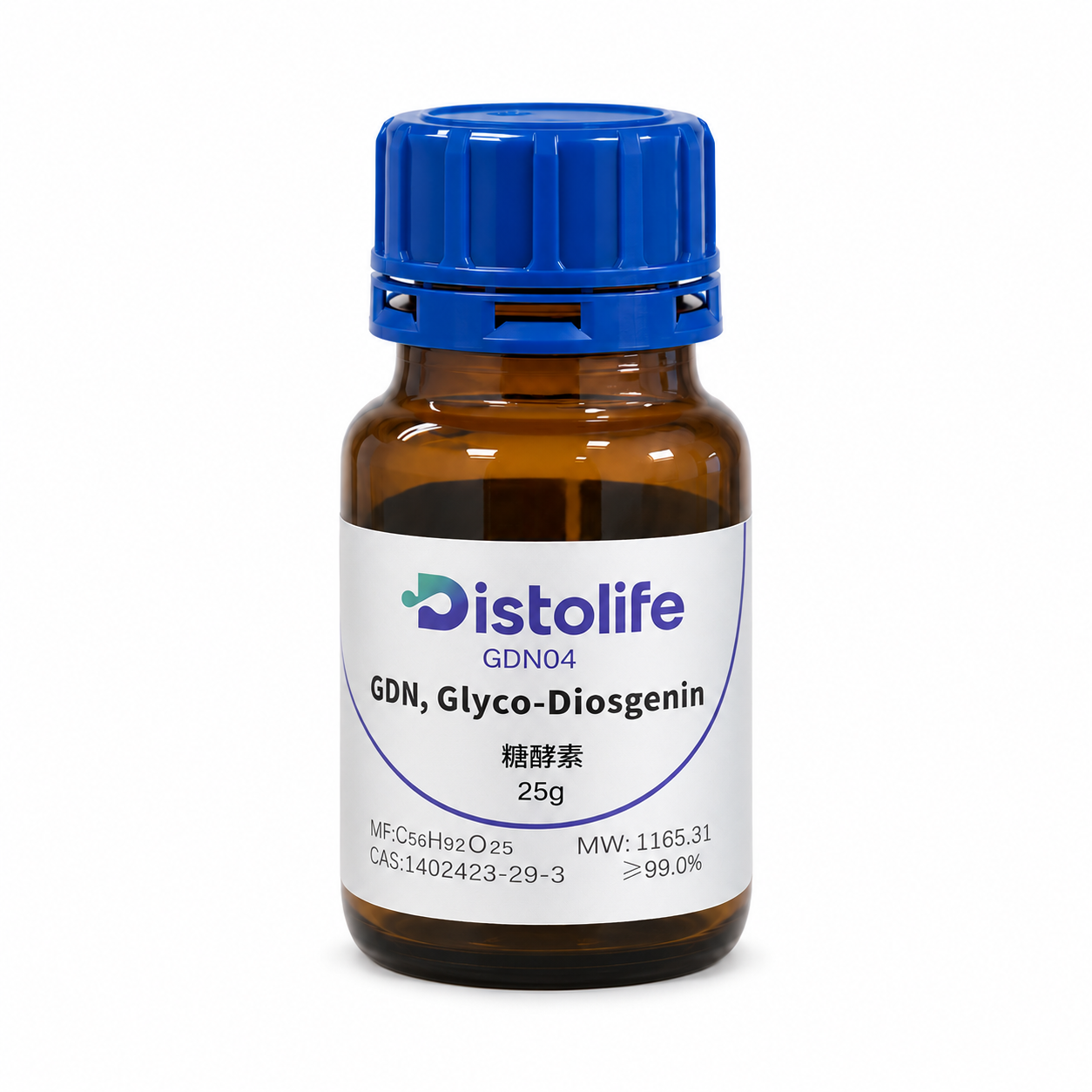 GDN (Glyco-Diosgenin)Distolife Shanghai Co., Ltd
Market insights
Last 30 days: Semiconductors & Electronics was the busiest vertical: 52 of 169 events (31%).
Money raised per month