By Aphios Corp.
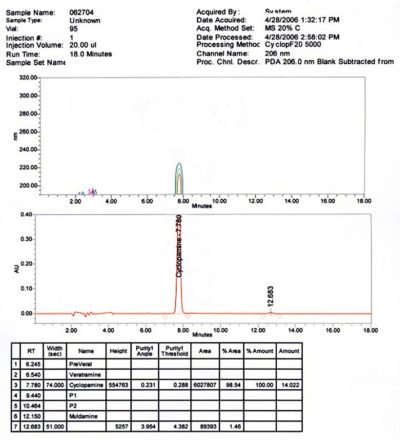
An alkaloid isolated from the corn lily (Veratrum californicum) is a Sonic Hedgehog gene pathway antagonist with potential anticancer properties Catalog No: APH-05011 CAS Number: 4449-51-8 Chemical Formula: C 27 H 41 NO 2 Molecular Weight: 411.63 Purity: > 99% determined by HPLC Appearance: White to off-white crystals Solubility: DMSO ≥ 6 mg/mL; Water < 1 mg/mL; Ethanol ≥ 39 mg/mL Stability: Stable over extended period at -20°C. Storage: -20°C Shipping: On ice (5°C) Handling: Avoid exposure to skin and eyes. Cyclopamine (11-deoxojervine) is a steroidal alkaloid isolated from the corn lily (Veratrum californicum) that grows wild in the mountains and deserts of Nevada and California. Cyclopamine was named for the one-eyed lambs born to sheep that grazed on wild corn lily at a farm in Idaho. In 1957, the US Department of Agriculture started a multi-year investigation that led to the identification of cyclopamine as the cause of the birth defect (Herper, 2005). Investigators moved the sheep herds around to determine if the development of a single eye (cyclopia) was genetic. Eventually, it was discovered that the mutation was caused by sheep chewing on the roots of the corn lily shrub. The responsible chemical was isolated and determined to be an amine. Having been the determinant cause of cyclopia and being an amine, the compound was named cyclopamine. Interestingly, the landscape in certain parts of Greece and the Mediterranean is quite similar to the mountains and deserts of Nevada and California. There is a high likelihood that plants similar to corn lily were present in these areas during ancient times, leading to one-eyed animals and the genesis of one of the lasting images of the Cyclops in Homer’s Odyssey and Greek mythology. Aphios isolates and manufactures cyclopamine utilizing near-critical and supercritical fluids using CXF and CXP enabling technology platforms followed by proprietary segmentation chromatography. Cyclopamine is a teratogen that causes fatal birth defects. Cyclopamine can prevent the fetal brain from dividing into two lobes (holoprosencephaly) and cause the development of a single eye (cyclopia). Cyclopamine acts as a primary inhibitor of the so-called “hedgehog” signal-transduction pathway in cells. Cyclopamine inhibits the hedgehog signaling pathway (Hh) by influencing the balance between the active and inactive forms of the smoothened protein. This pathway, named for the ligand for the signal protein, is used by cells to help them react to external chemical signals. The pathway carries out important functions in embryonic development and when it goes awry, deformities can occur. Cyclopamine is useful in studying the role of Hh in normal development, and as a potential treatment for certain cancers in which Hh is over-expressed. Errant activation of the Hh pathway can also trigger cancer in adult humans, leading to basal cell carcinoma, medulloblastoma, rhabdomyosarcoma, and prostate, pancreatic and breast cancers. A way of controlling the pathway using cyclopamine could turn this problem on its head and provide a way to treat cancer. Many anticancer drugs are paradoxically carcinogenic in healthy individuals (Bradley, 2009). Cyclopamine is currently being investigated as a treatment agent in basal cell carcinoma, medulloblastoma and rhabdomyosarcoma, tumors that result from excessive Hh activity (Taipale et al., 2000) and glioblastoma, and also as a treatment agent for multiple myeloma. The cyclopamine derivative IPI-926 (also known as saridegib) is being evaluated in clinical trials by Infinity Pharmaceuticals for the treatment of various types of cancer (Pipeline: IPI-926). Infinity was testing IPI-926 with gemcitabine, in comparison to placebo with gemcitabine. Infinity Pharmaceuticals Inc. has voluntarily halted a Phase 2 study of its drug target to treat metastatic pancreatic cancer, after early results indicated the goal endpoint of overall survival would not be met. The IPI-926 combination showed a higher disease rate than the placebo combination, with Infinity’s combination indicating a median survival rate less than the six-month median of gemcitabine alone. In January, 2012, the FDA approved Genentech’s Erivedge™ (vismodegib) that works by inhibiting the hedgehog pathway as an oral, once-daily medication for adults with locally advanced and metastatic advanced basal cell carcinoma. Erivedge™ will carry a boxed warning about a potential risk of death or severe birth effects to a fetus. The most common side effects are muscle spasms, hair loss, weight loss, nausea, diarrhea, fatigue, distorted sense of taste or loss or taste, decreased appetite, constipation, vomiting and aching joints.
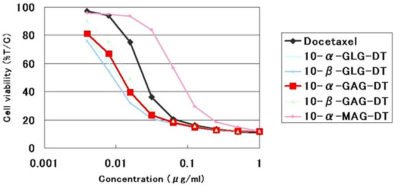
To enhance oral bioavailability for chronic chemotherapy or as a chemopreventive Poor Solubility and Associated Formulation and Bioavailability Difficulties Although paclitaxel is an effective anticancer drug, its solubility is low (~ 0.4 µg/mL), which limits its medical utility to intravenous applications. Docetaxel (Taxotere®) was developed as a paclitaxel derivative having improved water solubility; its solubility, however, is only ~ 14 µg/mL. Several encapsulation techniques have been utilized to reformulate paclitaxel in more biocompatible solvents. These include liposomes, dextran, PEG and albumin, the latter of which has been approved by the FDA under the name Abraxane®. While these formulations may reduce or eliminate toxicity and side effects associated with Cremophor EL®, they are still administered intravenously. Taxoid Sugar Pills (Prodrugs) We have developed Taxotere®prodrugs with improved water solubility by utilizing sugars as hydrophilic appendages to docetaxel. Since taxoids are susceptible to Lewis acids often utilized in glycosylation protocols, sugars are tethered to the C-10 hydroxyl group in a taxoid through an ester linkage. Compared with paclitaxel and docetaxel, the solubilities of the taxoid derivatives show strikingly high values. Solubilities of the docetaxel derivatives were increased 630 to 2600 times compared to paclitaxel and 20 to 75 times compared with docetaxel. In Vitro Efficacy of Taxoid Sugar Pills (Prodrugs) The in vitro antitumor activities of the various Taxotere®derivatives were examined using P-388 leukemia cells. All docetaxel prodrug derivatives, with the exception of the most water-soluble derivative 10-α-MAG-DT, were more active than docetaxel in a dose-dependent manner. In Vivo Efficacy of Taxoid Prodrugs The in vivo antitumor activities of the docetaxel prodrugs versus paclitaxel and controls were also tested. Again, all docetaxel prodrug derivatives, with the exception of the most water-soluble derivative 10-α-MAG-DT, were more active than paclitaxel in the constant dose in vivo studies. The effects of 10-α-GAG-DT and docetaxel on body weight (side effect) were evaluated. Interestingly, at a dosing level of 20 mg/Kg, the decrease in body weight as an index of side effects is suppressed for the prodrug 10-α-GAG-DT compared to docetaxel. Research results suggest that these docetaxel derivatives act as prodrugs without the use of a toxic solvent, and for the most part are superior to paclitaxel in terms of both in vitro and in vivo bioactivities and equivalent to docetaxel in therapeutic efficacy. APH-0911 - Nanoformulation of Taxoid Prodrug APH-0911 is a nanotechnology formulation of the taxoid prodrug10-α-GAG-DT, designed to improve the oral bioavailability of water-soluble nanoTaxotere™ prodrug. The nanotechnology formulation utilizes polymer nanospheres made of biodegradable PLGA biopolymers and manufactured with Aphios SuperFluids™PNS technologies [US Patents]. After ingestion and absorption in the small intestines, serum enzymes break the combined molecule down into the bioactive docetaxel and a sugar molecule. Oral delivery of low dosage docetaxel allows for the acute rather than chronic treatment of breast, ovarian and other cancers. This paradigm change in cancer therapy will reduce hospitalization stays and side effects of high doses of cytotoxic agents and will lead to chemoprevention regimens very similar to “aspirin” regimens for cardiovascular health.
CATEGORY
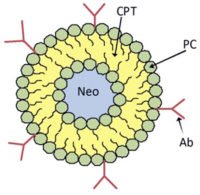
A combination of Tdp1 inhibitors such as tetracycline and Top1 inhibitors such as topotecan or irinotecan, co-encapsulated in phospholipid nanosomes for camptothecin-resistant cancers Combination Therapy for Drug-Resistant Cancers Camptothecin is a potent anticancer agent that works by inhibiting topoisomerase 1 (Top1), an enzyme that cleaves DNA and promotes cell division and cancerous growth. Another enzyme Tdp1 (Tyrosyl DNA phosphodiesterase) can repair Top1-DNA covalent complexes by hydrolyzing the tyrosyl-DNA bond. Inhibiting Tdp1 has the potential to enhance the anticancer activity of Top1 inhibitors such as camptothecins (camptothecin, irinotecan, topotecan) and to act as anti-proliferative agents. The development of Tdp1 inhibitors as anticancer agents can be envisioned as combinations of Tdp1 and Top1 inhibitors. Top1 inhibitors such as camptothecins are extremely hydrophobic, while Tdp1 inhibitors such as the antibiotic tetracyclines are quite hydrophilic. In order for these drugs to work in unison, they should be optimally co-encapsulated and delivered to the cancerous cells as a single package, such as nanoparticles. Current Co-Encapsulation Challenges At present, there are no available technologies that can readily co-encapsulate hydrophobic and hydrophilic drugs in phospholipid nanosomes in a single-step, scalable process. Conventional processes for the encapsulation of hydrophobic drugs utilize many processing steps and require large quantities of organic solvents. These processes are very time consuming, costly and inefficient. Generally, such phospholipid liposomes have a wide dispersion of particle size, and they tend to have a median size greater than 100 microns in diameter. In addition, the exposure of a therapeutic agent to the organic solvent may adversely affect the integrity of the final product. Other conventional processes for the encapsulation of hydrophilic drugs into phospholipid liposomes utilize high-pressure homogenization that requires a significant amount of recycling, generates heat with every pass through the homogenizer and could be contaminated with heavy metal particles. These conventional processing methods may also compromise stability. Tdp1 and Top1 Inhibitor Co-Encapsulation CFN was used to co-encapsulate Top1 and Tdp1 inhibitors in phospholipid nanosomes (small, uniform liposomes). Camptothecins are hydrophobic and will be packaged in the lipid bilayer. Tdp1 inhibitors such as tetracycline and neomycin are water-soluble and will be packaged in the aqueous core of phospholipid nanosomes. CFN technology was used to form stable and uniform phospholipid nanosomes containing camptothecin (Top1) and neomycin (Tdp1) as well as irinotecan (Top1) and tetracycline (Tdp1). Nanosomes ranged from 127 to 178 nm and they were isolated by ultracentrifugation, size exclusion chromatography (SEC) or dialysis. By SEC, encapsulation efficiencies were ~46% and ~74%, respectively, for irinotecan and tetracycline. Benefits and Advantages of Co-Encapsulation for Combination Cancer - Combination therapy will solve the unmet medical problem of camptothecin-resistant cancers. - Nanosomal formulations will result in reduced systemic toxicity, due to masking of cytotoxic effects of camptothecins and Tdp1 inhibitors. - Stability of the lactone ring in nanosomes will be improved as a result of protection from the neutral pH of the bloodstream. - By increasing residence time in the circulatory system, nanosomes will increase the therapeutic efficacy of the combination of drugs. - Pegylated phospholipids can be utilized to provide steric hindrance that will increase residence time and therapeutic efficacy as is done with Doxil®, liposome-encapsulated doxorubicin. - Phospholipids linked with cancer-specific ligands can be utilized to target co-encapsulated camptothecin and Tdp1 inhibitors to cancers of the colon, lung or ovary. - This smart targeting will further reduce toxicities associated with Top1 and Tdp1 inhibitors while increasing efficacy and therapeutic index.
CATEGORY
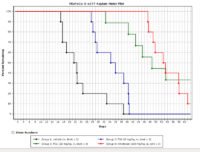
A nanosomal formulation of camptothecin, a potent topoisomerase I inhibitor, for colorectal and pancreatic cancers Camptothecin – A Unique and Potent Topoisomerase 1 Inhibitor Camptothecin is an antitumor alkaloid that is isolated from the bark and stems wood of Camptotheca acuminata, a small tree native to China called the “Tree of Life,” by the Chinese who preserved it through the ages for medicinal reasons. The tree was bought to the US in the early part of the 20th century and its anticancer properties were discovered by the National Cancer Institute (NCI) in the late 1950s. Camptothecin displays unprecedented antitumor activities against leukemia, human colon cancer and a variety of solid tumor systems. In particular, it was discovered that camptothecin traps the cleavable complex between topoisomerase I and DNA. Camptothecin is a unique topoisomerase I inhibitor which, while very effective, is not yet completely understood. In addition to its potent anticancer activity, camptothecin inhibits the replication of HIV and other viruses. Poor Water Solubility Limiting Full Therapeutic Efficacy The full therapeutic activity of camptothecin has been limited by poor water solubility and aqueous instability of the lactone ring moiety. Ring-opening causes loss of biological activity of this compound. Preferential binding of the biologically inactive carboxylate form with human serum albumin further hinders drug effectiveness. Administration of the soluble sodium salt of camptothecin has proved to be ineffective and had delayed the development of this potent anti-cancer compound. As a result of this, camptothecin analogs that exhibit a superior solubility profile while retaining antitumor activity have been developed. These goals are frequently at odds, as increased hydrophilicity engenders greater exposure to the deactivating aqueous environment. Several clinical candidates, such as topotecan, CPT-11, and 9-aminocamptothecin, have emerged; topotecan and CPT-11 have been approved by the FDA for colorectal and other cancers. Water-soluble camptothecin analogs have yet to prove as effective as the native compound and some of its hydrophobic analogs. Camposomes™ – Improved Camptothecin Stability and Drug Delivery Liposomes are a useful drug delivery system for solubilizing camptothecin while retaining both its lactone ring and antitumor activity. Hydrophobic compounds are trapped inside the lipid bilayers, masking the drug’s toxic nature and permitting a biocompatible formulation to be administered. Aphios has utilized its patented CFN technology platform to encapsulate camptothecin in small, uniform phospholipid liposomes (nanosomes), Camposomes™. Liposomes are microscopic vesicles of phospholipid bilayers comprised of single or multiple lipid bilayers. Most liposomes are non-toxic, non-antigenic and biodegradable in character since they have the molecular characteristics of mammalian cell membranes. Camposomes™ In Vitro Studies Anti-proliferative (efficacy) and cytotoxicity studies were conducted to compare the in vitro activity of Camposomes™ with the free drug against pancreatic cancer cell lines. Two tumorigenic pancreatic cancer cell lines were used: Panc-1, a camptothecin resistant cell line; and BxPC-3, a camptothecin sensitive cell line. Bovine Turbinate (BT) cells were used as a non-tumorigenic control cell line. These results suggest that the Camposomes™ formulations show a differential effect on tumorigenic vs. non-tumorigenic cell lines. The Camposomes™ are less cytotoxic on non-tumorigenic normal cells such as BT cells whereas they showed higher cytotoxicity on some tumorigenic cell lines such as Panc-1 but not in others such as BxPC-3. The calculated IC50 values for Camposomes™ (CAM-I-11) were 17.80 μg/mL for BT cells, 0.12 μg/mL for Panc-1 cells and 0.09 μg/mL for BxPC cells. Camposomes™ In Vivo Studies The NCI conducted in vivo testing of Camposomes™, which was formulated using Aphios’ CFN critical fluid injection technique. Camposomes™ had a size distribution centered at 100 nm (S.D. 35 nm). The camptothecin concentration of the liposomal solution produced was 1.1 mg/mL by HPLC assay. Four groups of 10 mice were implanted with lymphoma xenografts and given intravenous treatment. For the highest dose (11 mg/Kg) tested, 3 were found to be tumor-free (cured) after 69 days with no drug-related deaths. Camposomes™ Benefits/Advantages Camposomes™ will improve the efficacy, reduce the toxicity, and improve the solubility and stability of this unique topoisomerase I inhibitor and anticancer drug. Partnering Opportunity We are seeking strategic corporate partners to continue the development of Camposomes™ for pancreatic and colorectal cancers.
CATEGORY
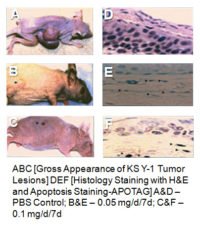
A nanosomal formulation of paclitaxel, for Kaposi’s sarcoma and skin cancers Dermos™ is a topical treatment for AIDS-associated Kaposi’s sarcoma (AIDS-KS) and other skin cancers as well as proliferative diseases of the skin utilizing a nanosomal formulation of a potent anticancer drug. Current Therapies for Treating Kaposi’s Sarcoma and Their Side Effects Liposomal formulations of daunorubicin and doxorubicin have been approved by the FDA for first-line and second-line systemic treatment of AIDS-KS. Liposomes are microscopic vesicles of phospholipid bilayers comprised of single or multiple lipid bilayers. Paclitaxel, a unique anti-mitotic agent, has been approved by the FDA for systemic application in metastatic cases of breast cancer and refractory cases of ovarian cancer, and AIDS-KS. These three drugs, while being very effective, are burdened by systemic toxicities such as neutropenia, myelosuppression, alopecia, nausea, and vomiting. Topical Formulation for Treating Kaposi’s Sarcoma A topical formulation of an antineoplastic drug that is effective against visual and subcutaneous Kaposi’s sarcoma will reduce the systemic use of these drugs, minimizing blood toxicity levels and improving a patient’s quality of life. Nanosomes are ideal vehicles for the topical delivery of antineoplastic agents. Nanosomes™ are small, uniform liposomes that are less than one nanometer in diameter. Dermos™ for the Treatment of AIDS-KS as Developed by: - Comparing the deposition of paclitaxel into and across hairless mouse skin following in vitro and in vivo topical application of various formulations - Validating the use of in vitro diffusion experiments to predict in vivo deposition behavior - Comparing the kinetics of uptake into and across hairless mouse skin following topical in vivo application of various formulations - Evaluating the effects of formulation composition on the deposition of these agents in hairless mouse skin - In vivo evaluation of best topical preparation against KS Y-1 tumors induced in nude mice Dermos™ – In Vitro Characterization To characterize the early steps accompanying apoptosis, KS cells were monitored by 3D epifluorescence confocal microscopy 48 hours after treatment with the topical preparation. Cells treated with PBS showed defined normal nucleoli. In contrast, KS Y-1 cells treated with the topical formulation exhibited overall induced reduction in cell size as well as diffuse staining and clumping of chromatin which is consistent with apoptosis. Dermos™ – In Vivo Efficacy Immunodeficient mice [BNX-nude mice] were injected subcutaneously with neoplastic cell lines: KS Y-1 cells [5×10⁶ cells] until the appearance of the tumor [7-10 days after post inoculation]. Nude mice were treated with PBS as controls, low and high doses of “topical” treatment: 0.05 – 0.1 mg/daily for 7 days. Topical treatment was given after tumor appearance with a slow release via osmotic pump [Alza, Alzet-osmotic pumps- 7days, 200 μL]. All the xenotransplanted mice were measured for size of the tumors, picture of the gross tumors and biopsies H&E staining and ApoTag for Apoptosis review. The topical treatment of Dermos™ has proven to be quite effective in vivo against xenotransplanted KS Y-1 cells in nude mice and was shown to cause apoptosis in vitro in KS Y-1 cells by 3D epifluorescence confocal microscopy. Dermos™ Applications Current therapies for Kaposi’s sarcoma, while being very effective, are burdened by systemic toxicities such as neutropenia, myelosuppression, alopecia, nausea, and vomiting. A topical formulation that is effective against visual and subcutaneous Kaposi’s sarcoma would reduce the systemic use of these drugs, minimizing blood toxicity levels and improving a patient’s quality of life. The Dermos™ formulation with other active ingredients will find utility in melanoma, other types of skin cancers and proliferative diseases of the skin such as alopecia. Partnering Opportunity We are seeking strategic corporate partners to continue the development of Dermos™ for melanoma and other cancers of the skin.
CATEGORY
