
Foil Lithium foils are mainly used as the anode of lithium primary batteries such as button batteries, etc. Lithium foils are adapted into lithium-ion secondary batteries and lithium-ion capacitors subject to each contractual manufacturing as requested by our customers in the recent years. Please contact us for possibilities in other shapes. Product Type | Product Overview Lithium Foil | Application: Anode of lithium primary battery, etc. Thickness: 0.1 mm to 4.0 mm Width: 8.0mm~50mm Rolled Lithium Foil | Thickness: 0.02mm to 0.10mm Width: Upon request Far thinner ultra-thin products are under development. Lithium Rope | Application: Lithium primary battery anode, organic reactions, alloys Diameter: 1.0 mm or more Custom-made shapes | Shapes/forms other than rods and coins are possible using necessary tools and equipments.
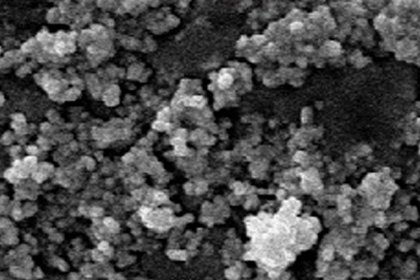
Nano-sized ultra-fine zinc oxide particles are transparent to visible light and have excellent absorption effects against ultraviolet rays when dispersed. It is widely used in cosmetics, PET films, textiles and others. Products are available with two different specific surface areas: 60m 2/g and 100m 2/g. Chemical purity: - Pb: 0.001% (AAS) - Cd: 0.0001% (AAS) - Fe: 0.0001% (AAS) Physical property: Specific surface area 60m 2/g・100m 2/g Specific surface area measurement device True specific gravity 5.6g/cm 3 Light transmittance: - Visibility of the transmitted light is almost transparent. - Ultraviolet rays, on the other hand, show a remarkable absorption at about 380nm which is an absorption edge of zinc oxide. (See left graph). Binder Acrylic resin Coating substrate PET Film Pigment concentration 23% Thickness 5μm
CATEGORY
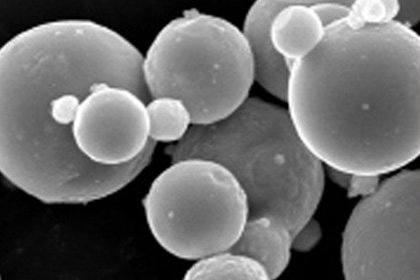
The start of Honjo Chemical’s first production of zinc dust in Japan was successful which led to secure a major share in the market accumulating expertise in this field. Zinc dust and zinc oxide are in production since the start of the company. Average particle size: - Zinc dust: 8±3μm - F-500: 7.5±0.5μm - F-1000: 4.9±0.3μm - F-2000: 4.3±0.3μm - F-3000: 3.7±0.3μm Characteristics ・Usage: - One of the characteristics of our zinc dust is less than 10μm and can change the size of the product according to particle size by applying our exclusive processing technology. - Zinc dust is mainly used in anti-corrosion paints for marine containers and ships, as well as for large buildings; it is also used for specific purpose such as a reducing agent in organic synthesis and desulfurizing in metal refining. - In compliance with increasingly strict environmental regulations, we also offer low Pb and low Cd products.
CATEGORY
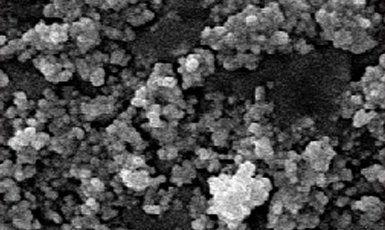
Recently, the development of nanomaterials such as fullerenes and carbon nanotubes has led us to challenge manufacturing of a wide variety of products.
CATEGORY
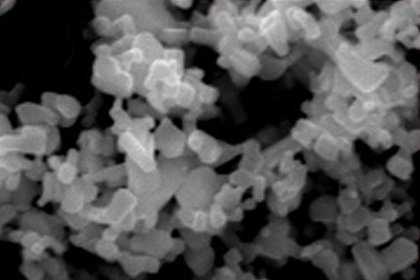
Various zinc oxide products are available based on the French method zinc oxide manufacturing technology. Products: - Zinc oxide grade 1 - Zinc oxide grade 2 - Zinc oxide grade 3 - Fine particle zinc oxide - Active zinc oxide NO.1 - Active zinc oxide NO.2 - Conductive zinc oxide - MMS-7B-4 Characteristics ・Usage: - Zinc oxide is used in electronic materials such as ferrite and varistors, and as a raw material for alkaline and manganese dry cells in addition to the use as a vulcanization accelerator for rubber products. - MMS-7B-4 is now available for use in anti-corrosion paints which is supplied to paint manufacturers.
CATEGORY
