By CEA
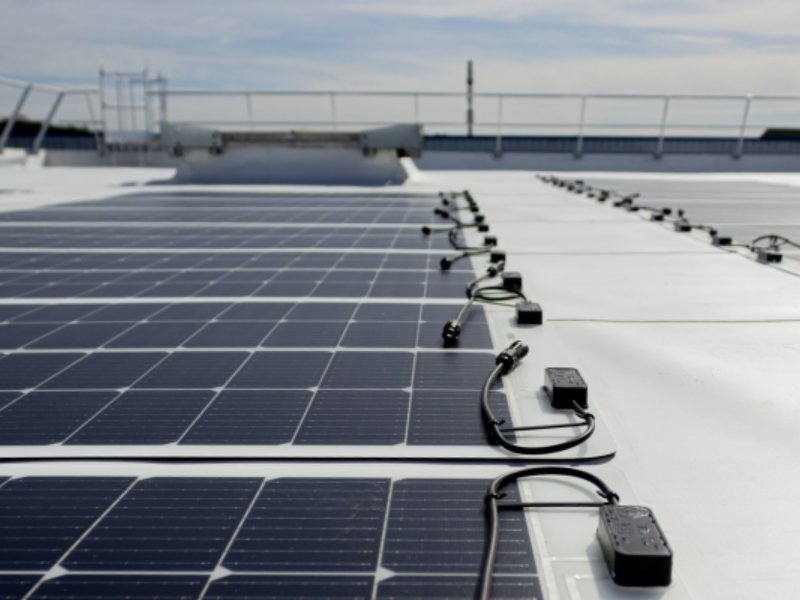
Rooftops that generate revenue and secure electricity rates for 20 years. Heliup is a startup specialized in the development and production of lightweight photovoltaic panels for large roofs on existing buildings. Heliup panels on a roof are glued to a waterproofing membrane. Credit: Heliup The roofs of many industrial and commercial buildings are not compatible with conventional solar photovoltaic panels, which, with their supporting structures, weigh 15 kg/m2. A Heliup innovation reduces PV panel weight by more than 60% without sacrificing profitability. The electricity generated can be used by the building or fed back into the grid for income. The reduced weight is made possible by ultra-thin glass that provides both mechanical and physicochemical protection for the PV cells. This innovation is protected by three CEA patents for which Heliup holds exclusive licenses. This innovative technology has obtained the various levels of certification essential for its application. The startup has invested in a 100 MWp/year production line, and already brings to market the product which is installed with success on several commercial, logistic and industrial buildings with low bearing capacity. The company has signed a collaboration agreement with the CEA to further improve the panel's performance. Key figure: 5 kg/m2 Heliup roof-mounted photovoltaic panels weigh 5 kg/m2, compared to 15 kg/m2 for conventional panels Key markets: - Industrial and commercial buildings - Warehouses - Retail - Public buildings Technology: - Lightweight, high-strength glass capable of protecting photovoltaic cells - Innovative roofing systems for flat roofs
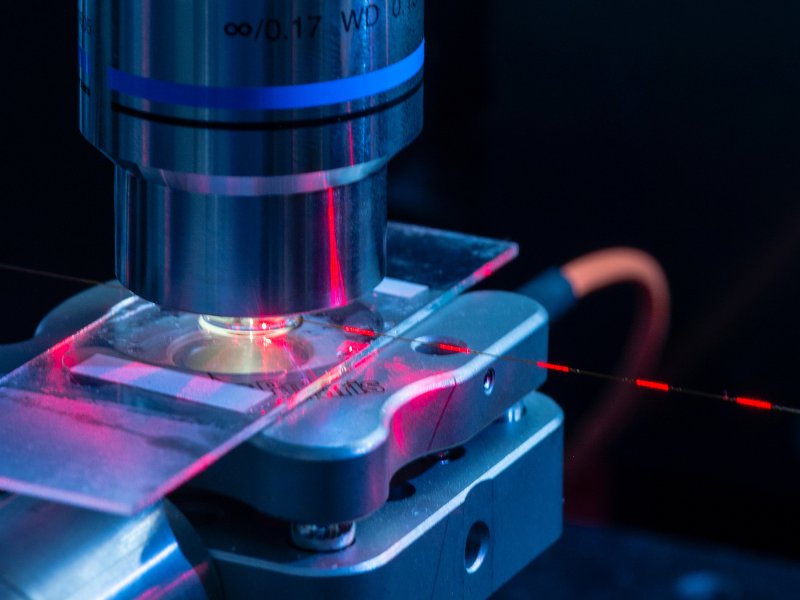
Myriad4Sensing’s fiber optic sensor networks enable a greater number of measurement points and can withstand harsh conditions, overcoming the limitations of traditional electronic instrumentation. This innovation helps make industrial processes safer, more efficient, and more automated. Many industrial processes operate in extreme environments, including high or cryogenic temperatures, ionising radiation, explosive atmospheres, or intense electromagnetic fields, making them very difficult to monitor. Myriad4Sensing’s innovative optical fibers feature etched temperature, pressure, and vibration sensors developed specifically for these severe environments. The startup’s optical fibers can be networked to cover an entire industrial process, increasing the number of measurement points anywhere between tenfold and a hundredfold. The higher measurement density gives users better insights and monitoring capabilities for preventive maintenance, reducing downtime and increasing production yields and margins. Myriad4Sensing handles all manufacturing steps in-house, including the special protective coatings made from metal, ceramic, or carbon—essential to preventing long-term damage or discoloration to the optical fibers. The company licenses seven CEA patents, already has its own pilot line, and plans to manufacture around 250,000 measurement points per year by 2026. Myryad4Sensing is currently headquartered at the CEA, and will conduct R&D through a joint CEA lab. Key figure: 800°C The operating temperature of Myriad4Sensing’s ceramic-coated Bragg grating optical fibers. Competing fiber optic sensors only work up to 300°C. Technologies used: - Optical fiber - Laser-etched sensors - Formulation and application of special protective coatings
CATEGORY
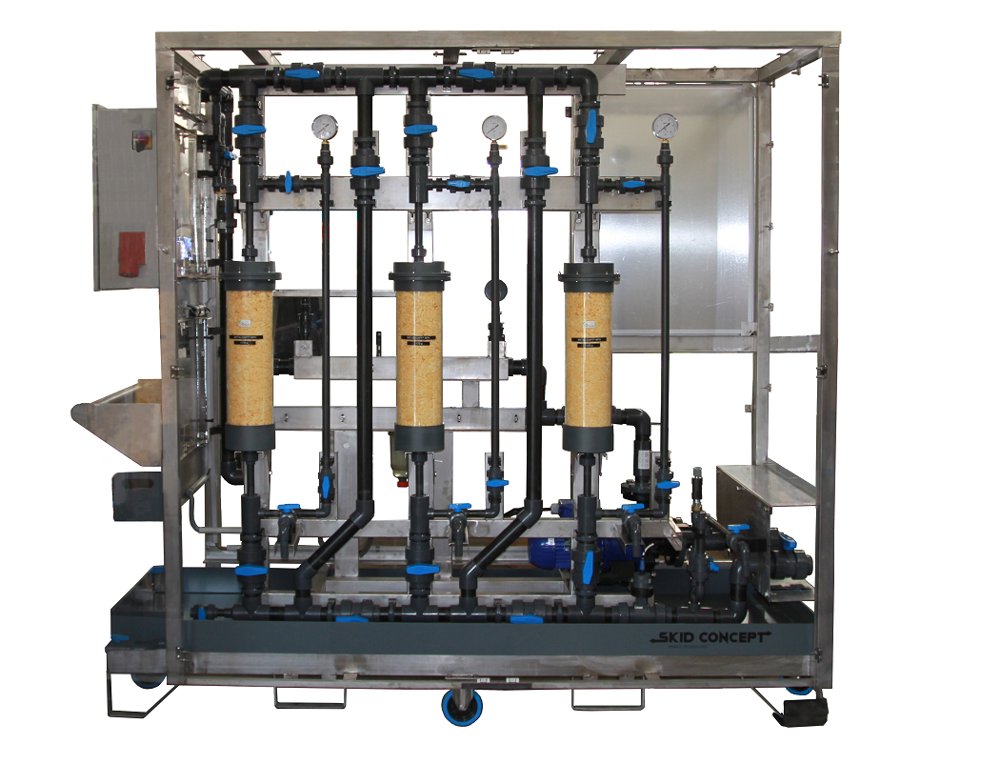
New-generation filters for air and water depollution and strategic metal recycling Startup Ajelis is the fruit of a partnership between the CEA and Paris-Saclay University. Its new-generation polymer fiber filters are designed for the depollution of liquid and gaseous industrial effluents. The company also offers specialized fibers for the recovery and recycling of metals. This breakthrough innovation is built on a selectively sorbent fiber technology developed at the CEA. This new generation of filter medium, capable of filtering both pollutants and metals, outperforms conventional activated carbon or resin filter media. First, it can absorb lower metal concentrations, giving users a head start on increasingly stringent environmental standards. Second, fiber selectivity can be adapted to different target metals. Finally, treatment speed is at least ten times faster than that of conventional materials, at one-tenth the treatment cost. And, because the fibers are easy to regenerate, they are more sustainable. The startup's solutions found success with many industrial customers in France and other European countries practically on day one. This efficient, economically-viable, and more environmentally-friendly technology from Ajelis helps customers create their Factories of the Future. Key markets - Depollution of liquid industrial effluents - Air purification - Decontamination of nuclear effluents - Recycling of critical metals - Mobile treatment units Technology used - Selectively sorbent polymer nanofibers for toxic and strategic metals
CATEGORY
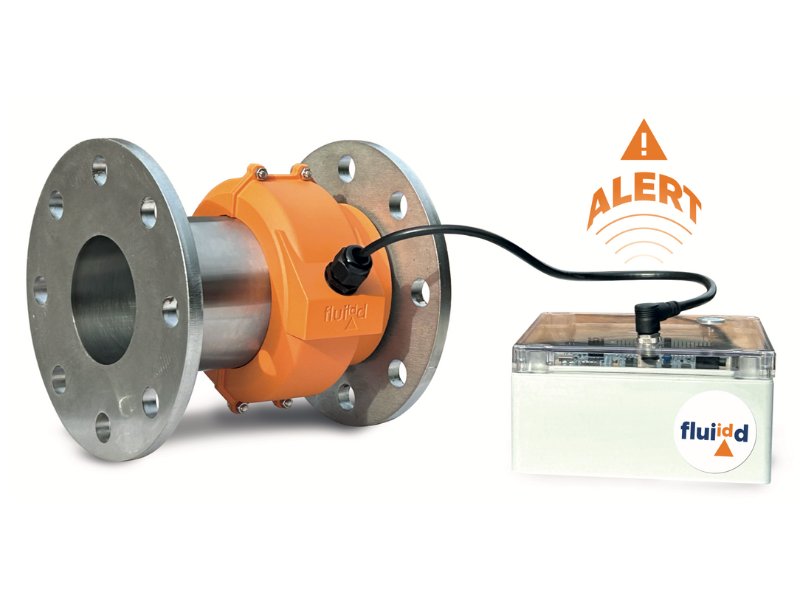
Fluiidd detects anything that can disrupt industrial process fluid flows—from air bubbles to foreign bodies, agglomerates, fouling, and clogging—at a fraction of the cost of X-ray tomography. The Fluiidd industrial pipe monitoring solution is plug-and-play for easy deployment. An early-career scientist at the CEA founded Fluiidd to make industrial process fluid monitoring available to the masses. The company’s high-performance detection solution—electrodes integrated into the pipework, an electronic circuit, and an embedded artificial intelligence —is easy to deploy. The solution reconstructs images of the cross-section of the pipe and fluid flow, and then flags anything abnormal. Operators can use the information to make informed decisions like whether an emergency shutdown is needed, or, if the problem has been located, schedule a shutdown later. The solution can detect air bubbles indicative of leaks, as well as foreign bodies, agglomerates (clumps of solid materials), build-up of material on pipe walls, clogging, and plugging. It also takes density measurements in multi-phase flows. In the future, Fluiidd will also help make processes more energy efficient, alerting operators to clogs that cause pressure drops and abnormally high electricity consumption. The solution, built on electrode and signal processing technologies protected by five CEA patents, can be used in all kinds of industrial facilities, even in extreme conditions. It has been tested at 600 °C and 250 bar and reconstructs images at fluid flow rates greater than 1,000 kph. Fluiidd is pursuing R&D to further improve the solution through a joint lab with the CEA. The Fluiidd process scanner achieves an impressive accuracy of 97% while measuring multiphase fluids flowing at 300 meters per second. Key markets - Farming and food manufacturing - Pharmaceuticals and cosmetics - Water treatment and distribution - Process industries in general Technology - Low-current industrial scanner - Innovative electrodes integrated into the pipe wall - Artificial intelligence
CATEGORY
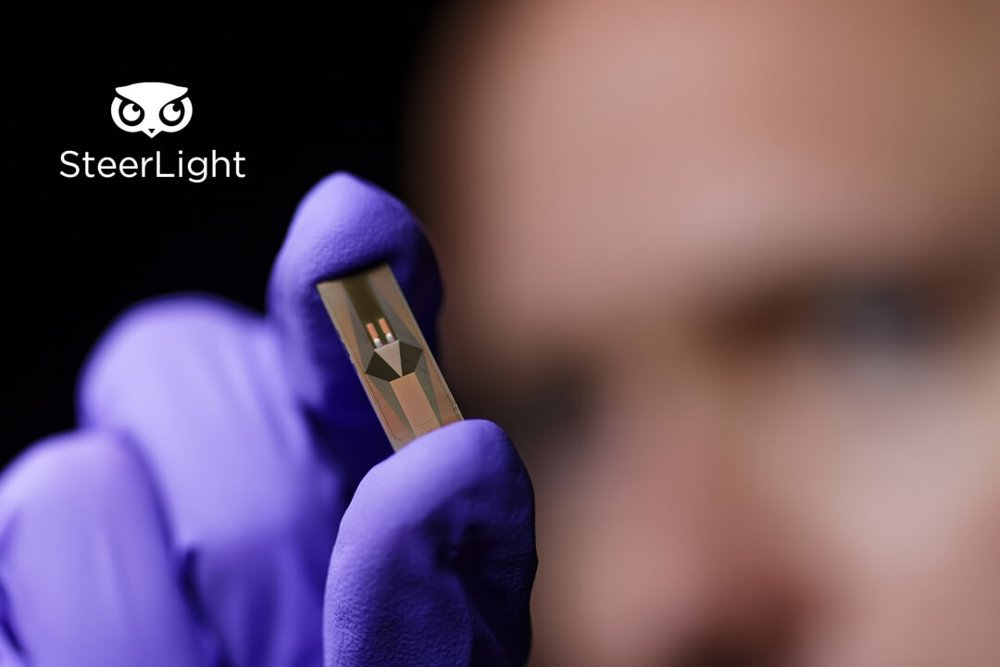
Reliable, three-dimensional optical sensors to protect people and goods in motion. It has developed a new generation of LiDAR: laser-based optical systems that can perceive the environment in 3D with unparalleled precision and resolution. The quality of these systems translates into decisive advantages in a range of use cases, including guaranteeing that autonomous vehicles and robots can move around safely. The SteerLight solution is based on a disruptive coherent infrared LiDAR architecture. The LiDAR is fully integrated onto silicon photonic chips using standard microelectronics processes and does not have any moving mechanical parts. SteerLight LiDAR-on-chip is compact, robust, and—because it is volume-manufacturable—affordable. Its innovative and coherent detection architecture ensures improved performance for distance and real-time velocity measurements. It is the result of fifteen years of research in CEA laboratories in the fields of silicon photonics, electronics, and embedded computing. Its extremely miniaturized sensor will secure the mobility of goods and people and contribute to making cities smarter. Key Figure: <20 cm³ Integrated sensor volume < 20 cm3. Targeted Markets: Logistics and manufacturing: mobile autonomous robots; Urban transportation: people and goods; Urban security: securing dangerous areas. Technologies used: Silicon photonic FMCW architecture.
CATEGORY
