The NanOX system is a groundbreaking approach to organ preservation, offering an advanced alternative to traditional methods. Designed to function under sub- and normothermic conditions, the system closely mimics natural physiological processes, ensuring optimal conditions for organ preservation and regeneration. A key element of the NanOX technology is the use of perfluorocarbon nanoparticles. These synthetic nanoparticles mimic the functions of red blood cells, transporting oxygen and removing carbon dioxide in a manner nearly identical to natural human blood. This helps support the metabolism of organs and even enables their regeneration, increasing the likelihood of successful transplantation. Furthermore, our nanoparticles are easy to produce and can be manufactured on a large scale. The kidney perfusion system developed by our scientists offers several unique advantages: - Advanced oxygen delivery system: NanOX nanoparticles transport oxygen and carbon dioxide, while maintaining a controlled environment that minimizes cellular stress and enhances organ viability. - Extended tolerance to ischemia: The NanOX technology allows the use of organs after prolonged ischemia (30–40 minutes), whereas traditional methods permit only a few minutes of ischemic time. - Scalability and ease of production: The synthetic nanoparticles used in our NanOX 4 Kidney perfusion fluid are easy to produce on a large scale under sterile conditions. NanOX is not just about numbers – it is about saving lives and improving the quality of life for patients worldwide. With this revolutionary organ preservation technology, NanoSanguis strives to set a new standard in transplantation.
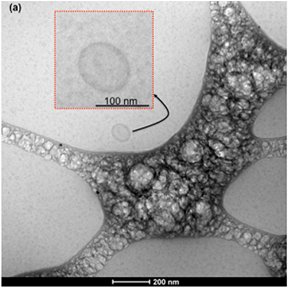
We possess proprietary, widely patented technology for the production and integration of polysaccharide nanoparticles. Our polysaccharide nanoparticles utilize two targeting mechanisms: 1. Drug Release Based on Intracellular pH Level – Nanoparticles enter the cell through endosomes. As a result of the low pH in the endosome, the bond breaks and the active substance is released. 2. EPR Effect (Enhanced Permeability and Retention) – The rapid growth of tumor cells requires increased blood supply, resulting in greater permeability of blood vessels. Nanoparticles sized 100-200nm have a higher chance of reaching cancer cells.
CATEGORY
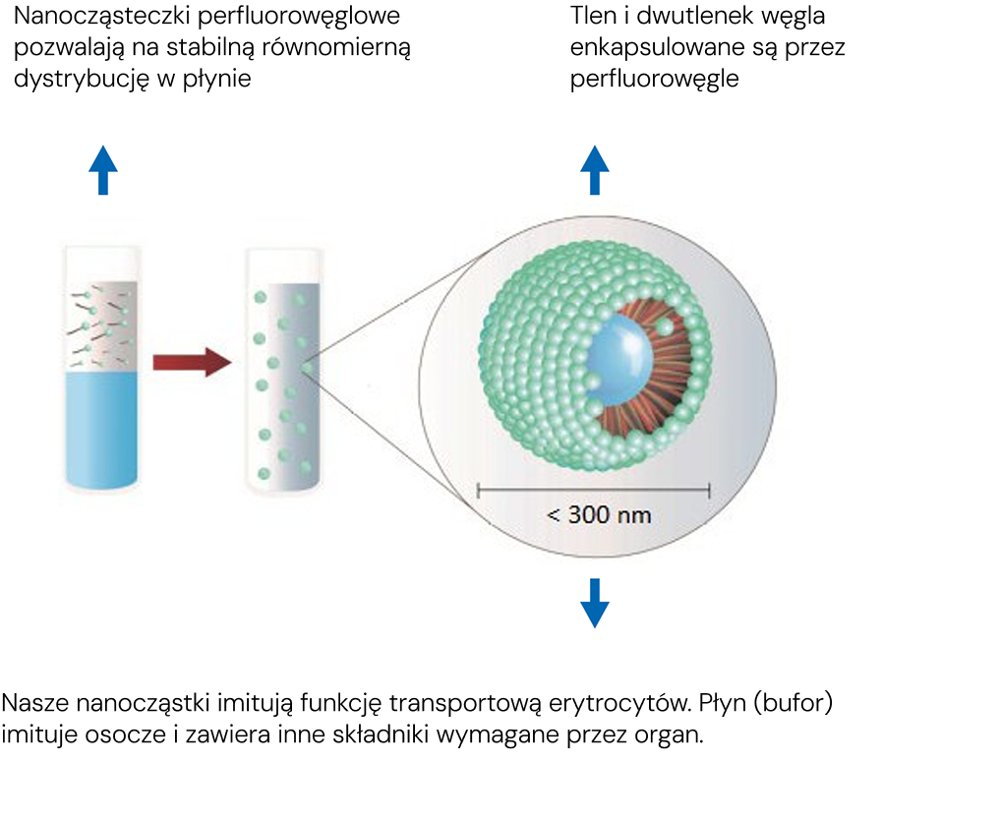
Based on a new method of nanoformulation of perfluorocarbons. Perfluorocarbons allow for high concentrations of oxygen and carbon dioxide in liquids. Thanks to the innovative manufacturing method, nanoparticles maintain a stable distribution once dissolved in the liquid. This can be used in various applications, particularly in replacing the function of red blood cells
CATEGORY