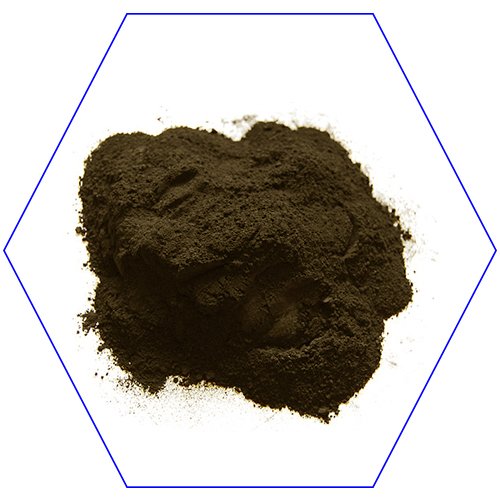
By Modern Synthesis Technology
Reduced graphene oxide Elemental composition: Carbon: 96% Oxygen: 2,7% Hydrogen: 0,3% Sulfur: 0,4% Nitrogen: 0,5% Particle size: 10-100um Monolayer content: > 80% Bulk density: 0.01 gram / cm3
CAS: 1034343-98-0 Graphene oxide Elemental composition: Carbon: 46% Oxygen: 49% Hydrogen: 2,5% Sulfur: 2,5% Particle size: 10-100um Monolayer content: 80% Bulk density: 2.0-2.5 grams / cm3 Surface Area: 700 m2 / gram CAS: 1034343-98-0
CATEGORY
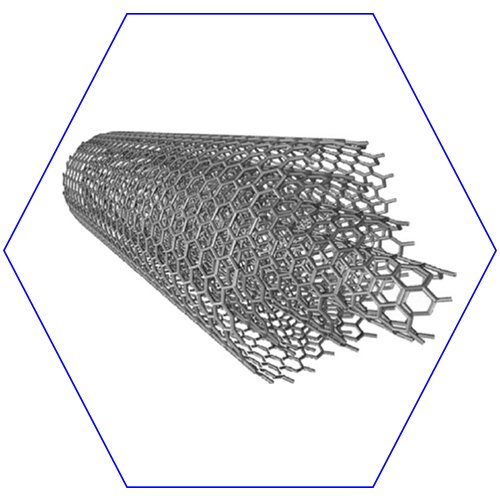
MWNTs consist of several graphene layers, formed as a tube. The space between the layers is 0.34 nm, which is the same distance as between the crystal graphite layers. Parameter: OD 20nm-50nm/L 2um Outer diameter, nm: 20-50 Internal diameter, nm: 10-20 Length, μm: ≥2 Total amount of impurities, %: initial (after purification): ≤10 (≤1) Bulk density, g/cm3: 0.3-0.6 Specific surface area, m2/g: ≥160 MWNTs consist of several graphene layers, formed as a tube. The space between the layers is 0.34 nm, which is the same as between the crystal graphite layers. MST MWNTs do not require any purification from other carbon forms (soot), they do not have any surface damages and are aimed for the following applications: - composite material modification/masterbatches - components for electronics - chemical industry - oil-refining industry - building industry - lacquers and paints - adsorbents for mineral oils Production method MST Multi-Walled Carbon Nanotubes (MWNTs) are synthesized by a unique production method, low-temperature thermocatalytic pyrolysis of hydrocarbon. Our method is based on the conversion of carbon-containing gas bursts (methane, propane, butane) into multi-walled carbon nanotubes without impurities of other carbon forms. Tests provided showed that MWCNT-MST can be successfully applied for: - nanomodifiers for adhesives/glues - paint-metal surfaces - heat-conducting pastes If you require more detailed information please do not hesitate to contact us. Buy Carbon Nanotubes You can buy carbon nanotubes (Multi-Walled Carbon Nanotubes) provided by our company and made by prominent scientists which all work with the most up-to-date technologies in the field of nanomaterials. Carbon nanotubes were discovered in 1991 and they totally changed the material science. MWNTs (multi-walled carbon nanotubes) consist of several graphene layers, formed as a tube with open or closed ends. They form strong and highly elastic fibers. The space between the layers is 0.34 nm, which is the same as between the crystal graphite layers. There can be many structural models of carbon nanotubes which depend on the bond between carbons. With different bonding, we get different properties. The most common structure with many benefits is the hexagonal one. Buy Carbon Nanotubes, the Most Convenient Nanomaterials Carbon Nanotubes for Sale, Nanomaterial with Exceptional Properties Application Due to their chemical, physical and mechanical properties MWCNT MST are suitable for modifying of any composite materials in order to improve consumer characteristics and to increase the service life of end products. Large surface of our developed material enables its high adsorptive capacity. It can be used as an adsorbent for capturing of hydrogen sulphide, sulfur dioxide, RSH, disulfide, chlorine, fluorine and other. Due to their chemical, physical and mechanical properties MWCNT MST are suitable for modifying of any composite materials in order to improve consumer characteristics and to increase the service life of end products. Carbon nanotubes are excellently strong and flexible; they have extraordinary conductivity of heat and electricity as well as other carbon nanomaterials which our company also provides. Carbon nanotubes have also very valuable optical properties such as absorption or fluorescence. They can also be modified to achieve required properties. You can increase strength, flexibility, elasticity and even toughness by mixing carbon nanotubes with some polymers or metals. Large surface of our developed material enables its high adsorptive capacity. It can be used as an adsorbent for capturing of hydrogen sulphide, sulphur dioxide, RSH, disulphide, chlorine, fluorine and other. Application areas: В· Composite materials - Lacquers and paints - Coatings (carbon nanotubes as versatile coating materials) - Adhesives/Glues - Concrete - Cathodes - Heat-conducting pastes - Transparent films - Ceramics (improved toughness) В· Energy. The conductivity of carbon nanotubes is determined by their size and chirality - Supercapacitors (carbon nanotubes are special not just by their conductivity but also by their enormously high surface area) - Solar cells - Fuel cells (electrode catalyst) - Li-ion batteries (for notebooks and mobile phones) - Hydrogen storage В· Polymer materials - Рўhermoplastic - Thermosetting plastic В· Ecology - Multiuse adsorbents - Multiuse filters (water purification) - Photovoltaic technologies В· Bioengineering - Biosensors (could be used in medicine, food technology or military) - Receptors in vivo (inside of the living cell) - Synthetic implants - Cell tracking and labeling - Drug and gene delivery - Cancer research
CATEGORY
MWNTs consist of several graphene layers, formed as a tube. The space between the layers is 0.34 nm, which is the same distance as between the crystal graphite layers. Parameter: OD 8nm-30nm/L 20um - Outer diameter, nm: 8-30 - Internal diameter, nm: 5-15 - Length, μm: ≥20 - Total amount of impurities, %: initial (after purification): ≤5 (≤1) - Bulk density, g/cm3: 0.025-0.06 - Specific surface area, m2/g: ≥270 Multi-Walled Carbon Nanotubes MWNTs consist of several graphene layers, formed as a tube. The space between the layers is 0.34 nm, which is the same as between the crystal graphite layers. MST MWNTs do not require any purification from other carbon forms (soot), they do not have any surface damages and are aimed for the following applications: - composite material modification/masterbatches - components for electronics - chemical industry - oil-refining industry - building industry - lacquers and paints - adsorbents for mineral oils Production method MST Multi-Walled Carbon Nanotubes (MWNTs) are synthesized by a unique production method, low-temperature thermocatalytic pyrolysis of hydrocarbon. Our method is based on the conversion of carbon-containing gas bursts (methane, propane, butane) into multi-walled carbon nanotubes without impurities of other carbon forms. Tests provided showed that MWCNT-MST can be successfully applied for: - nanomodifiers for adhesives/glues - paint-metal surfaces - heat-conducting pastes If you require more detailed information please do not hesitate to contact us. Buy Carbon Nanotubes You can buy carbon nanotubes (Multi-Walled Carbon Nanotubes) provided by our company and made by prominent scientists which all work with the most up-to-date technologies in the field of nanomaterials. Carbon nanotubes were discovered in 1991 and they totally changed the material science. MWNTs (multi-walled carbon nanotubes) consist of several graphene layers, formed as a tube with open or closed ends. They form strong and highly elastic fibers. The space between the layers is 0.34 nm, which is the same as between the crystal graphite layers. There can be many structural models of carbon nanotubes which depend on the bond between carbons. With different bonding, we get different properties. The most common structure with many benefits is the hexagonal one. Buy Carbon Nanotubes, the Most Convenient Nanomaterials Carbon Nanotubes for Sale, Nanomaterial with Exceptional Properties Application Due to their chemical, physical and mechanical properties MWCNT MST are suitable for modifying of any composite materials in order to improve consumer characteristics and to increase the service life of end products. Large surface of our developed material enables its high adsorptive capacity. It can be used as an adsorbent for capturing of hydrogen sulphide, sulfur dioxide, RSH, disulfide, chlorine, fluorine and other. Due to their chemical, physical and mechanical properties MWCNT MST are suitable for modifying of any composite materials in order to improve consumer characteristics and to increase the service life of end products. Carbon nanotubes are excellently strong and flexible; they have extraordinary conductivity of heat and electricity as well as other carbon nanomaterials which our company also provides. Carbon nanotubes have also very valuable optical properties such as absorption or fluorescence. They can also be modified to achieve required properties. You can increase strength, flexibility, elasticity and even toughness by mixing carbon nanotubes with some polymers or metals. Large surface of our developed material enables its high adsorptive capacity. It can be used as an adsorbent for capturing of hydrogen sulphide, sulphur dioxide, RSH, disulphide, chlorine, fluorine and other. Application areas: - Composite materials - Lacquers and paints - Coatings (carbon nanotubes as versatile coating materials) - Adhesives/Glues - Concrete - Cathodes - Heat-conducting pastes - Transparent films - Ceramics (improved toughness) - Energy. The conductivity of carbon nanotubes is determined by their size and chirality - Supercapacitors (carbon nanotubes are special not just by their conductivity but also by their enormously high surface area) - Solar cells - Fuel cells (electrode catalyst) - Li-ion batteries (for notebooks and mobile phones) - Hydrogen storage - Polymer materials - Thermoplastic - Thermosetting plastic - Ecology - Multiuse adsorbents - Multiuse filters (water purification) - Photovoltaic technologies - Bioengineering - Biosensors (could be used in medicine, food technology or military) - Receptors in vivo (inside of the living cell) - Synthetic implants - Cell tracking and labeling - Drug and gene delivery - Cancer research
CATEGORY
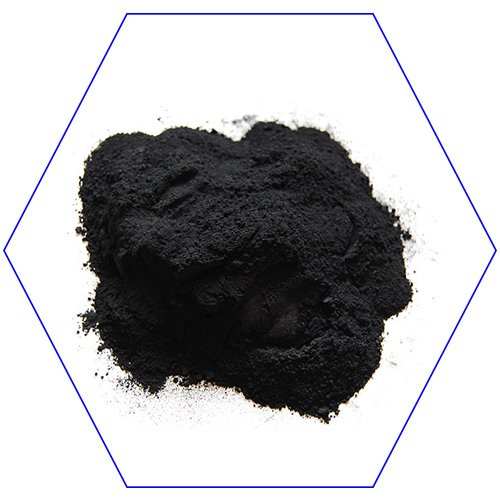
CAS: 1034343-98-0 The most valuable properties of graphene are: - super thin (it is actually the thinnest known compound) - extremely light weight - high mechanical strength (100-300 times stronger than steel) - good flexibility (graphene is even stretchable) with a large surface area - optical transparency (you can see through it) - enhanced lubricating properties - fascinating conductivity of heat and electricity (graphene allows electrons to move very quickly) Its conductivity is way better than the conductivity of any metal (including silver and copper). Another important thing you need to know is that graphene is not listed as a hazardous material. Last but not least, graphene is taken for an eco-friendly material which is also really important these days. Type1234 Carbon content99%99.5%99%99.95% Nanoparticle thickness 3-10nm 3-10nm 1-4nm 3-10nm Nanoparticle diameter 0.5-10μm 3-140μm 1-10μm 10-250μm Conductivity93 000s/m 196 000s/m n/a n/a Material density 210±50kg/m 3 260±50kg/m 3<40kg/m 3 290±50kg/m 3 measurement of specific conductivity made by a four-contact method of a compressed tablet under pressure of 70 atmospheres. Method of synthesis Graphene nanopowder is a form of carbon nanoparticle. We produce graphene nanopowder by using a low-temperature physical exfoliation of natural graphite (the material used in pencils) in deionized water. This means that the graphite is exposed to the temperature lower than 650C°. The final material is stable at room temperature and does not show any signs of combustibility. Our production method does not involve any chemicals. It means that our synthesis does not generate hazardous waste or toxic gases. We do not use any oxidizers or surfactants, and therefore our graphene is almost completely free of any impurities: carbon content equals 96%. This makes our graphene suitable for a wide range of applications. Due to their unique nanoscale size, shape, and material composition, graphene nanopowder can be applied to improve and change the properties of a wide range of polymeric materials (broad range of plastics), natural or synthetic rubber, adhesives, paints, inks, lacquers and coatings. Multifunctional property improvements offered by graphene nanopowder make this nanomaterial an ideal additive for applications where several property improvements are required. Applications - Composite materials - super concentrates/additives - lithium ion batteries - supercapacitors - conductive polymers - lightweight but durable plastic - touch screens - And lots more Effects that you can achieve with graphene nanopowder: - Increase thermal conductivity and stability - increase electrical conductivity - improve barrier properties - increase rigidity - toughness Our company provides graphene for sale which is one of the most promising nanomaterials available on the market these days. Graphene is an allotrope of carbon in the form of a two-dimensional, atomic-scale, honey-comb lattice in which one atom forms each vertex and fact is that graphene is only one atom thick. But why is graphene such a desirable material that fascinates researchers all over the world? It is undoubtedly because of its unique and remarkable properties with a wide range of applications in many different fields of industrial technology. Graphene is very popular also because of its building block - carbon, which is one of the most abundant elements in the world. The research of graphene brings innovation every day and of course, its advancements are evolving increasingly. Because of this, graphene and other graphene products are the most sought-after materials in the technological revolution which has already hit the market. All this makes graphene a perfect choice for: composite materials (formed by combining several different materials to create a unique one that could be used for example in the military area) - masterbatches/additives (additives for the plastic industry) - Li-ion batteries (improved to have fast charging and higher capacity than normal batteries) - supercapacitors (for bigger energy storage) - conductive polymers (with excellent electrical conductivity and ultra-light porous structure) - light-weight but strong plastics (graphene is not just strong but also very thin) - touch screens (graphene is non-reflective and could replace indium) - graphene membranes (graphene could be used in a process of ultrafiltration, for example, to filter seawater and then use it for agricultural purposes) - biological and chemical sensors (it could theoretically monitor the level of important substances in the human body such as cytochrome-c, cholesterol, NADH and so on) - solar cells (graphene could replace silicon) - and many-many others (medical and security scanning, superhydrophobic coating material, light-emitting diodes, corrosion barriers, DNA sequencing, tissue engineering, drug and gene delivery and so on) CAS: 1034343-98-0 Graphene Powder for Sale "Buy a Multifunctional Additive" Buy graphene Graphene Products For Sale / Graphene Materials For Sale Buy graphene Graphene for sale "Buy the most durable material in the world" Buy graphene
CATEGORY
