By INESC Microssistemas e Nanotecnologias
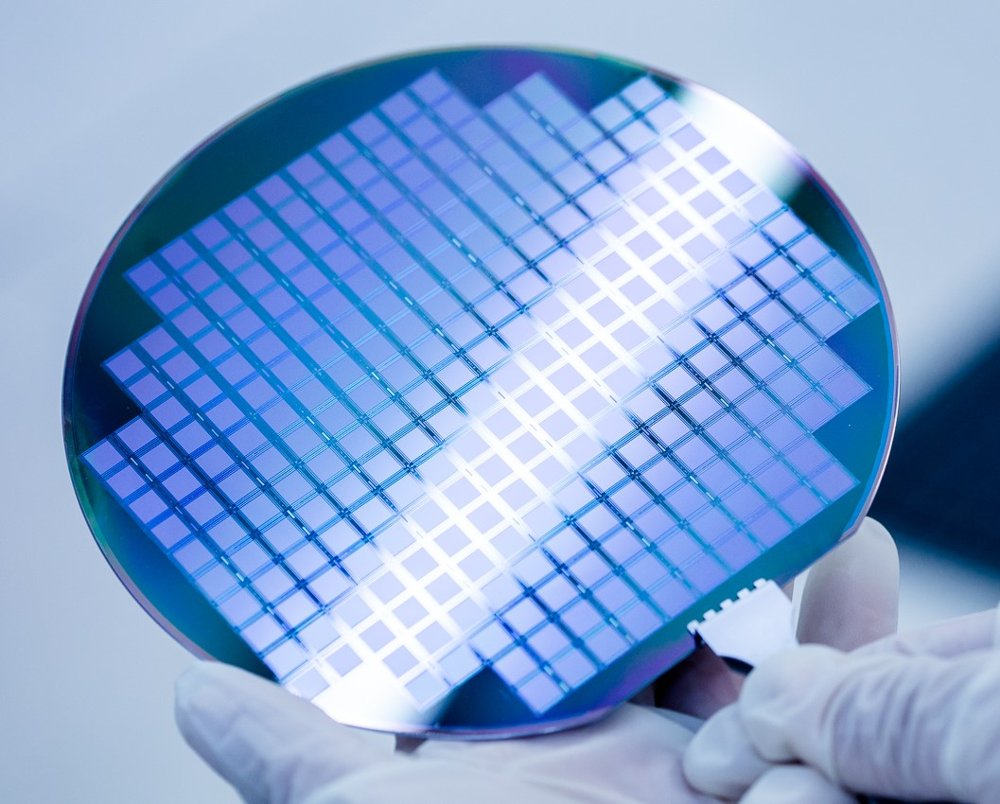
Magnetoresistive (MR) devices have revolutionized sensor technology by delivering the next generation of sensing solutions for a wide range of industrial applications. They can be found in the automotive industry, consumer electronics or biotechnology settings. The outstanding advantages of MR sensors rely on their high sensitivity and spatial resolution, combined with low power consumption and low cost. Their tunable response and adjustable operation range unveil MR sensors as a versatile technology, capable to ensure that specific requirements of different industrial applications are met. INESC MN has more than 30 years of experience on MR technology (Tunnel, Giant and Anisotropic Magnetoresistance). It is at the forefront of MR sensors development with recognized know-how on the full extent of the development chain, comprising sensor design, thin film multilayer engineering, deposition, micro and nano fabrication, testing, and monolithic (on CMOS) or hybrid integration. Main Features: The main features of magnetoresistive sensors include customized linear operation windows (from pT to mT range), resilience to wide temperature ranges (up to 200 C), high spatial resolution, due to reduced device size (down to nm) and low power consumption (mW). Furthermore, they are compatible with CMOS integration, present a cost-effective production and high scalability. Possible applications Industrial, automotive and consumer electronics applications of MR sensors include: magnetic field, current, position/angular and speed sensors, digital compasses, non-destructive testing and imaging. MR sensors are also used as magnetic biosensors on lab-on-chip and point-of-care (POC) systems for life-sciences applications (biomedical, bioengineering, environmental, food and agriculture, biodefense fields).
Portable, point-of-impact microfluidic chips able to detect mycotoxins and small molecules, protein and nucleic acid markers of biotic and abiotic stresses in plants and food products. The first demonstrators were developed for detection of mycotoxins in beer, wine and corn. More recently, the focus has been on the detection of metabolites such as abscisic acid for control of grape maturation and hydric stress and DNA detection of infections in vines. TRL level: 4-5 Main Features: Portability, speed of operation, fit-for-purpose sensitivity, easy signal acquisition, multiplexing, easy sample preparation compatible with point-of-impact analysis. Possible applications: These biochips can potentially be used to monitor plant stresses as well as infections in plants and in fruits during the transportation, storage, and processing stages. This information will allow better implementation of mitigating agents, such as pesticides, or the improvement of the harvesting, processing, transport, and storage conditions.
CATEGORY
