By Perpetuus Advanced Materials
At Perpetuus Advanced Materials we have spent a decade developing plasma functionalised surface engineered graphene nanoplatelets (SE-GNPs) and dispersing them via our masterbatch processing to create elastomer systems with fundamentally different performance characteristics. When you put aside the hype and look at the measurable physics, SE-GNPs deliver three behaviours that go straight to the root cause of the Qatar problem. 1. Graphene improves thermal conductivity High lateral loads = high deformation = internal heat generation. Most racing compounds trap heat. Graphene enhanced compounds move heat without compromising grip. Peer reviewed studies show that adding homogenously dispersed SE-GNPs into SBR or NR can: - Lower internal temperature rise by up to 20 percent - Reduce hysteresis losses - Distribute thermal gradients more evenly across the tread Grip still depends on reaching and holding the correct operating temperature range. The point of SE-GNP compounds is to stay in that working window while avoiding the excess heat that drives structural damage. 2. Graphene strengthens the elastomer matrix and delays crack initiation GNPs, when properly processed, surface engineered, and dispersed, do the opposite: - They act as load-bearing nanoflakes that bridge micro-cracks - They increase modulus without sacrificing elasticity - They improve the De Mattia flex fatigue life of compounds - They slow crack propagation under repeated shear 3. SE-GNPs reduce wear by reinforcing the contact patch Our SE-GNP reinforced compounds have repeatedly shown: - Improved abrasion resistance - Higher cohesive strength - Reduced tread block tearing under mixed shear Plasma treated SE-GNP technology offers a consistent and reliable pathway to enhanced compound performance without the need for any additional carrier systems.
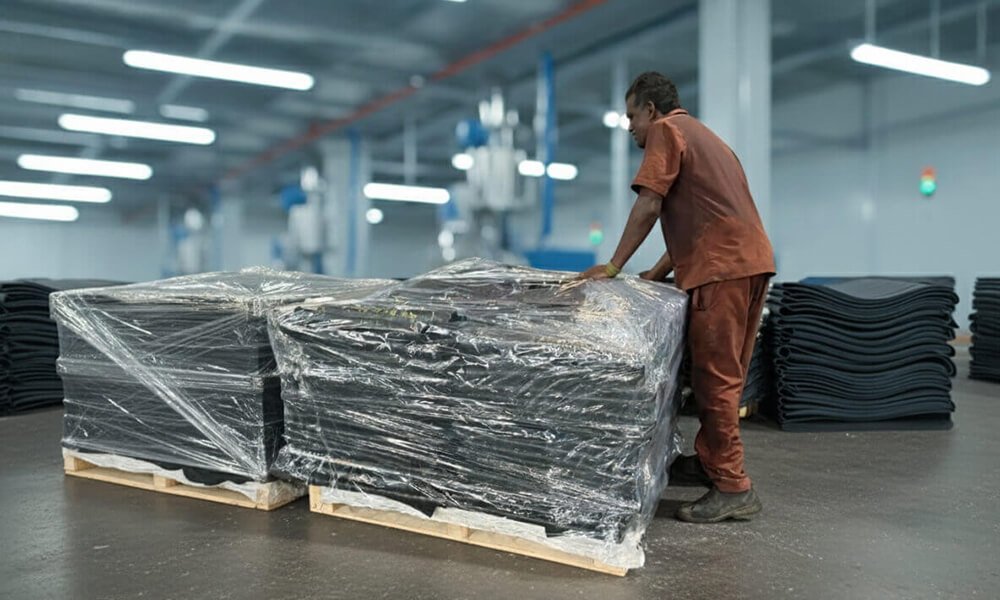
In parallel, Perpetuus is expanding its product development to include sustainable reinforcing materials such as recovered carbon black (rCB) and Tyre Derived Polymers (TDP), creating a new generation of graphene-enabled circular elastomers. The company is also developing graphene-enhanced synthetic rubber masterbatches to support global manufacturers seeking to reduce their environmental impact while elevating performance.
CATEGORY
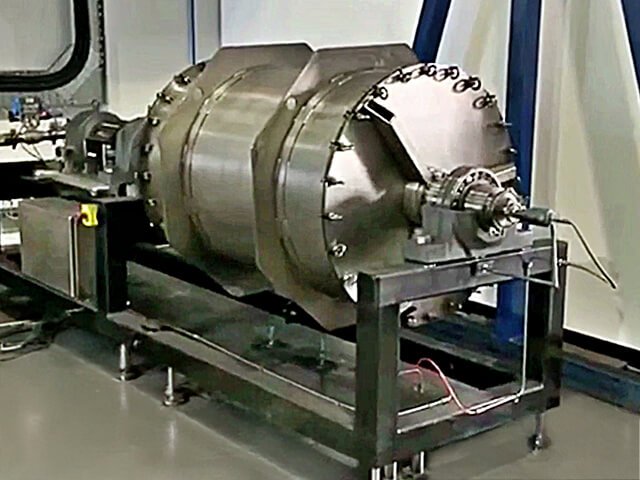
Combining patented plasma technology with advanced AI to produce industrial scale graphenes and next generation nanomaterials
CATEGORY
This clean, solvent free process delivers high quality, surface functionalised graphene nanoplatelets at commercial volumes and competitive costs. At the core of our innovation is a patented DBD plasma treatment process. This technology modifies the surface chemistry of graphene nanoplatelets and other 2D materials, enabling precise functionalisation so they disperse uniformly and bond effectively with host matrices such as rubber, polymers, metals, and composites. Unlike traditional acid or solvent based methods, our plasma process is clean, chemical free, and zero toxic waste. It operates at low temperature and energy input, making it scalable and environmentally responsible. The result is consistent, high quality functionalised graphene, delivered at industrial scale to provide measurable performance gains across every application.
CATEGORY
Today, Perpetuus operates globally, supplying industrial quantities of graphene masterbatches and nanomaterials to partners in tyres, elastomers, coatings, fertilisers, metals, and lubricants. This approach shortens R&D cycles, ensures batch-to-batch consistency, and enables the rapid design of graphene masterbatches tailored to customer needs. The result is faster innovation, predictable performance, and scalable solutions for industrial partners.
CATEGORY
