By SAMCO Inc.
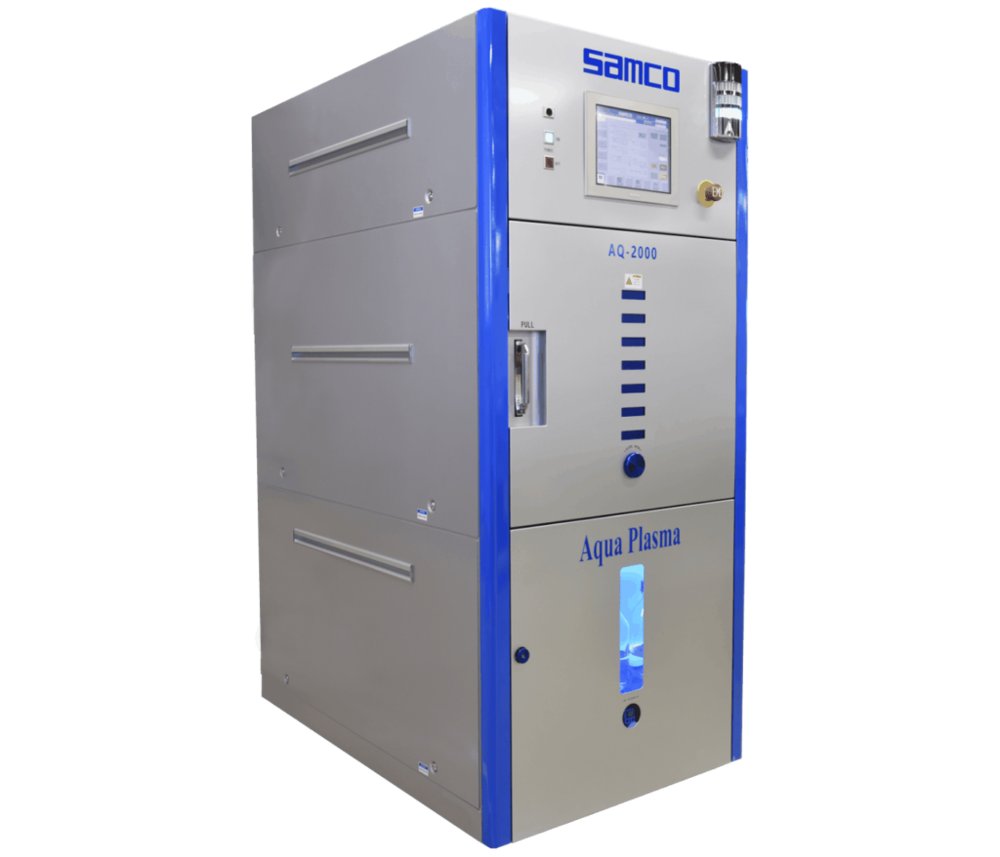
406 x 413 mm Open Load Aqua Plasma™ none Scalable System for Batch Processing The AQ-2000 is a scalable Aqua Plasma® cleaning system designed for production-scale operations. With H₂O as the process gas, it offers safe, eco-friendly treatments like reducing metal oxide films, cleaning organic stains, resin bonding, and superhydrophilization. Equipped with multiple shelves, it supports batch processing for samples up to 406 x 413 mm. Key Features & Benefits - Safe reduction and cleaning of metal oxide films with Aqua Plasma® technology. - Built-in automatic control system for water vapor generation and supply. - Space-efficient design suitable for production environments (762 mm (W) x 1135 mm (D)). Applications - Reduction, cleaning, and modification of silver and copper electrodes. - Room-temperature bonding of dissimilar materials. - Surface modification of resins, including superhydrophilization. Options - Quartz cover (to prevent spattering of powered electrodes) Processes Reduction of copper in electronic device applications Silver electrode reduction for LED packages Superhydrophilization of COP COP bonding at room temperature
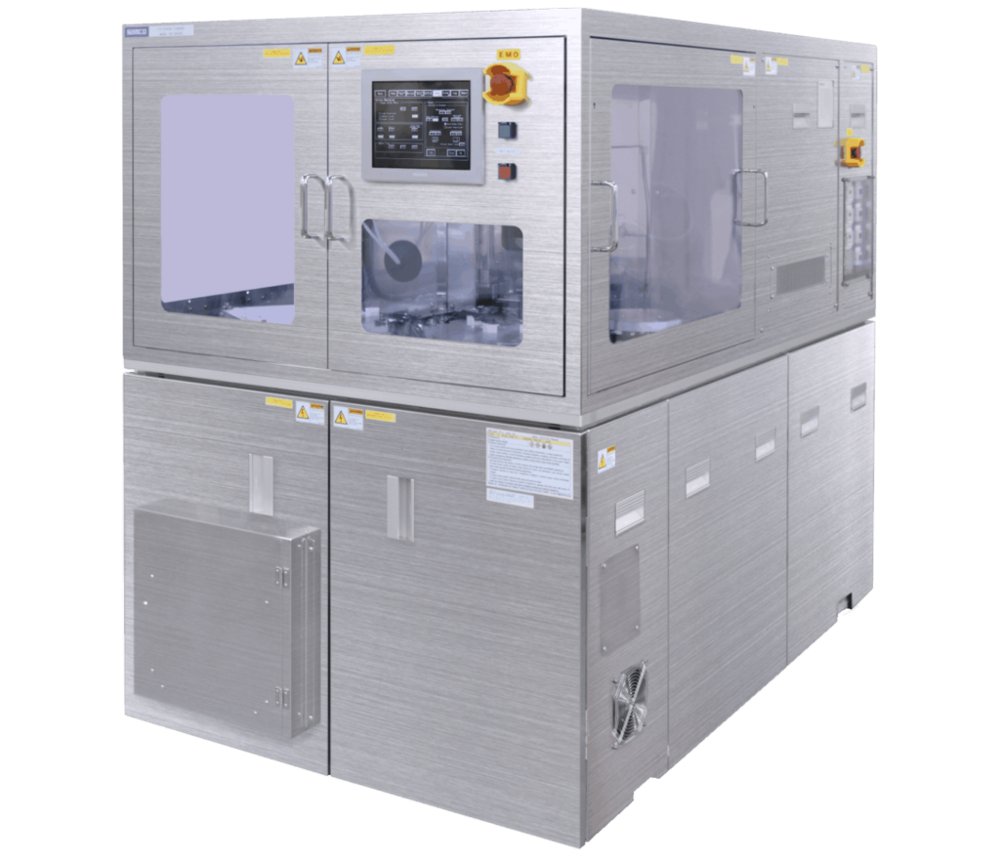
Samco’s UV ozone cleaning systems offer a sophisticated method for surface treatment by combining ultraviolet (UV) irradiation, ozone, and stage heating. This powerful, yet gentle process effectively removes organic contaminants from a wide range of substrates, including silicon, glass, and compound semiconductors such as GaN, SiC, GaAs, and InP. Available in compact benchtop and cassette-loading configurations, Samco’s UV ozone cleaners cater to both R&D and mass production environments, ensuring versatility and efficiency. With systems designed to handle a variety of materials, UV ozone cleaning is an ideal solution for those seeking a dry, non-invasive method for substrate preparation and contamination removal. UV ozone treatment works by utilizing both 185 nm and 254 nm UV light wavelengths. The 185 nm UV light dissociates molecular oxygen into atomic oxygen, which reacts with ozone to form highly reactive singlet atomic oxygen. This powerful oxidant interacts with the substrate surface to remove organic residues, while the 254 nm UV light dissociates ozone, further enhancing the oxidation process. Additionally, stage heating plays a crucial role by accelerating ozone dissociation at higher temperatures, increasing the concentration of singlet atomic oxygen and improving cleaning efficiency. This process results in the removal of organic contaminants without causing damage to the substrate, making it particularly useful for sensitive materials like semiconductor wafers. The UV ozone cleaning systems also feature an ozone decomposition unit and automatic nitrogen purging for enhanced safety, ensuring a completely dry, chemical-free treatment. COP samples treated with UV Ozone and stage heating, along with ozone flow, maintained stable hydrophilic surfaces for 180 days, demonstrating the long-term effectiveness of UV Ozone treatment compared to oxygen plasma. Ozone generator provides a higher ozone concentration and sample stage heater allows process temperature control up to 300°C. These features increase the reactive oxygen species during the process and improve the etch rate.
CATEGORY
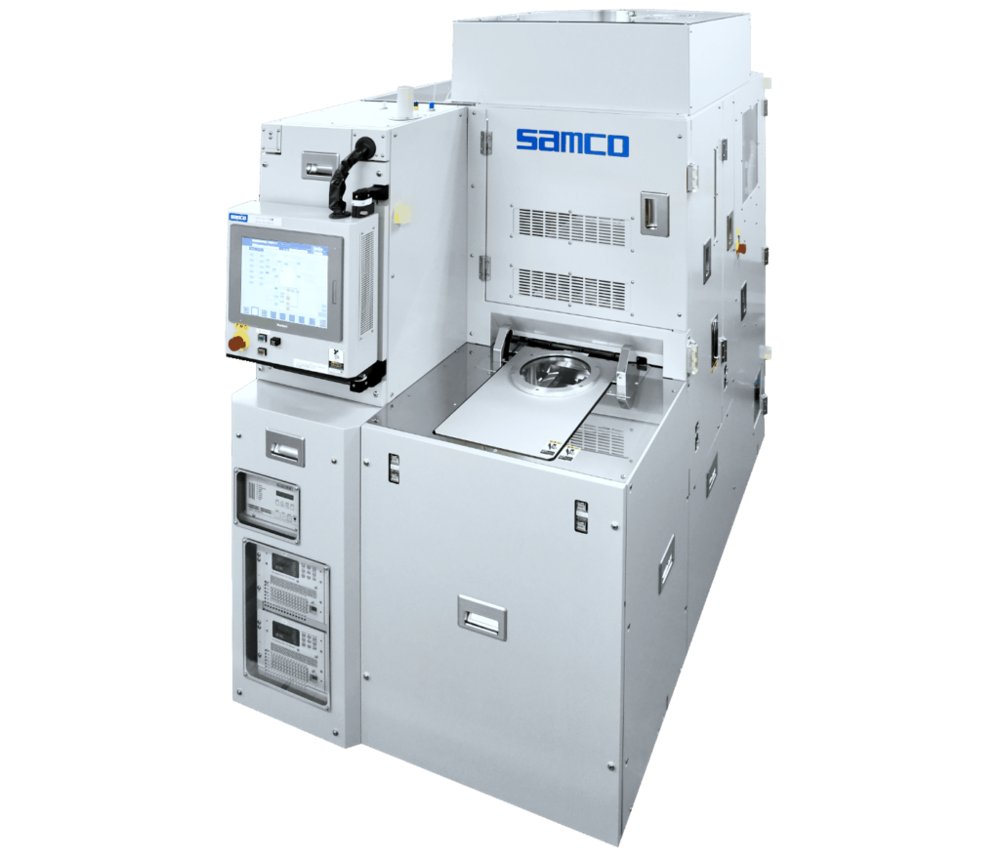
Atomic Layer Etching System RIE-800iP-ALE ⌀8″ Load Lock ALE none Precise depth control The RIE-800iP Atomic Layer Etching (ALE) system is an advanced and versatile tool designed for precise and controlled etching processes at the atomic scale. Equipped with cutting-edge technology, the RIE-800iP ALE enables researchers and engineers to achieve atomic-level precision in etching various materials. The system employs the Atomic Layer Etching method, ensuring highly uniform and reproducible results. Key Features & Benefits - Robust, Fast-Switching Gas Input Valve: Ensures stable and reliable performance for ALD and ALE processes. - New ICP Source HSTC™ (Hyper Symmetrical Tornado Coil): Efficiently applies high RF power (2 kW or more) for excellent stability and uniformity. - High Flow Exhaust: Directly connected to the reaction chamber, supporting a wide process window from low flow/pressure to high flow/pressure. - Endpoint Monitoring: Compatible with interferometric and emission spectroscopic methods for precise film thickness detection. - Easy-to-Maintain Design: Integrated TMP and high-frequency power supply allow for straightforward replacement and maintenance. Applications - Recess etching for GaN HEMT - p-GaN/AlGaN high selectivity ratio etching - 2D materials etching - Photonic crystal etching - Low rate and low damage etching Options - Interferometric endpoint monitor High-precision endpoint detection is possible, and the etching depth can be controlled to the desired depth. Processes High selectivity etching ALE of GaN Control of micro-loading effects ALE of SiO2 Papers Development of Atomic Layer Etching (ALEt) for GaN-based materials Congying You, C. Mannequin, G. Jacopin, T. Chevolleau, C. Durand, et al.. Development of Atomic Layer Etching (ALEt) for GaN-based materials. International Workshop on Nitride Semiconductors, Nov 2018, Kanazawa, Japan. hal-02008012 Comparative study of two atomic layer etching processes for GaN Cédric Mannequin, Christophe Vallée, Katsuhiro Akimoto, Thierry Chevolleau, Christophe Durand, et al.. Comparative study of two atomic layer etching processes for GaN. Journal of Vacuum Science & Technology A, 2020, 38 (3), pp.032602. ff10.1116/1.5134130. hal-02917577
CATEGORY
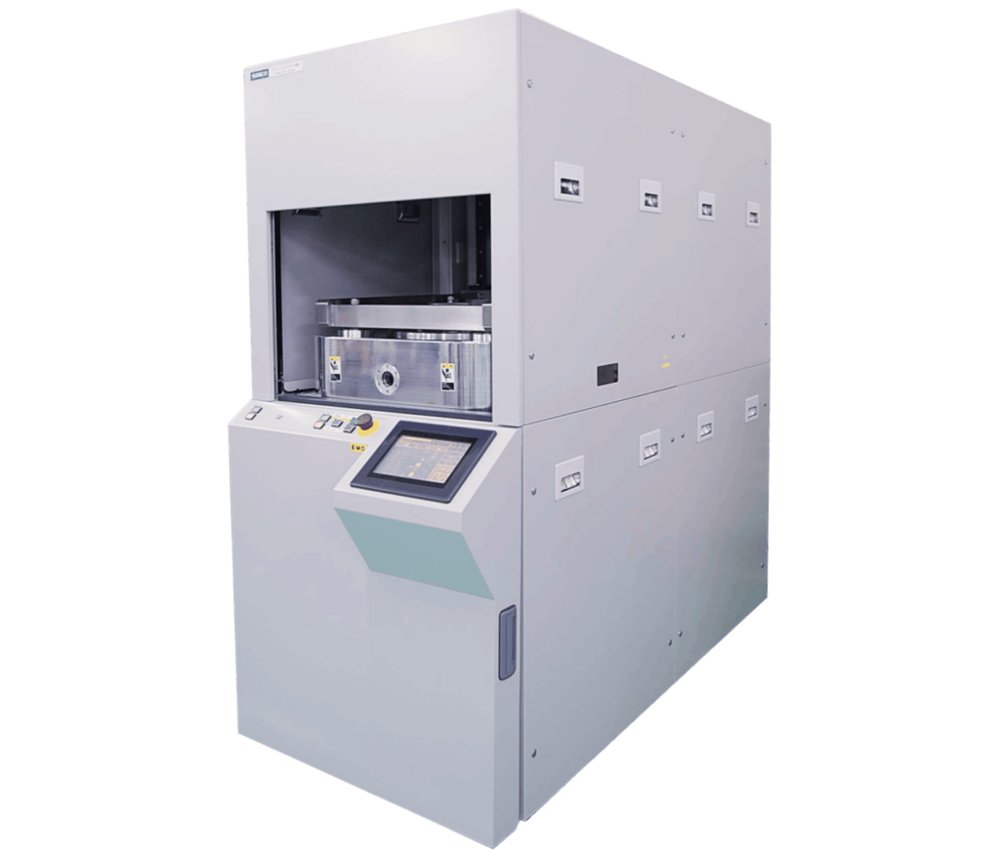
Samco offers reliable and durable Reactive Ion Etching (RIE) systems for R&D and production customers. Our benchtop compact RIE etcher is a suitable tool for academic device research and die deprocessing for IC failure analysis. Samco's open load RIE systems and load lock RIE systems have a wide process window for plasma etching of various materials (silicon, dielectrics, compound semiconductors, metals, polymers and photoresist). The cassette loading RIE systems improve process throughput for device fabrication.
CATEGORY
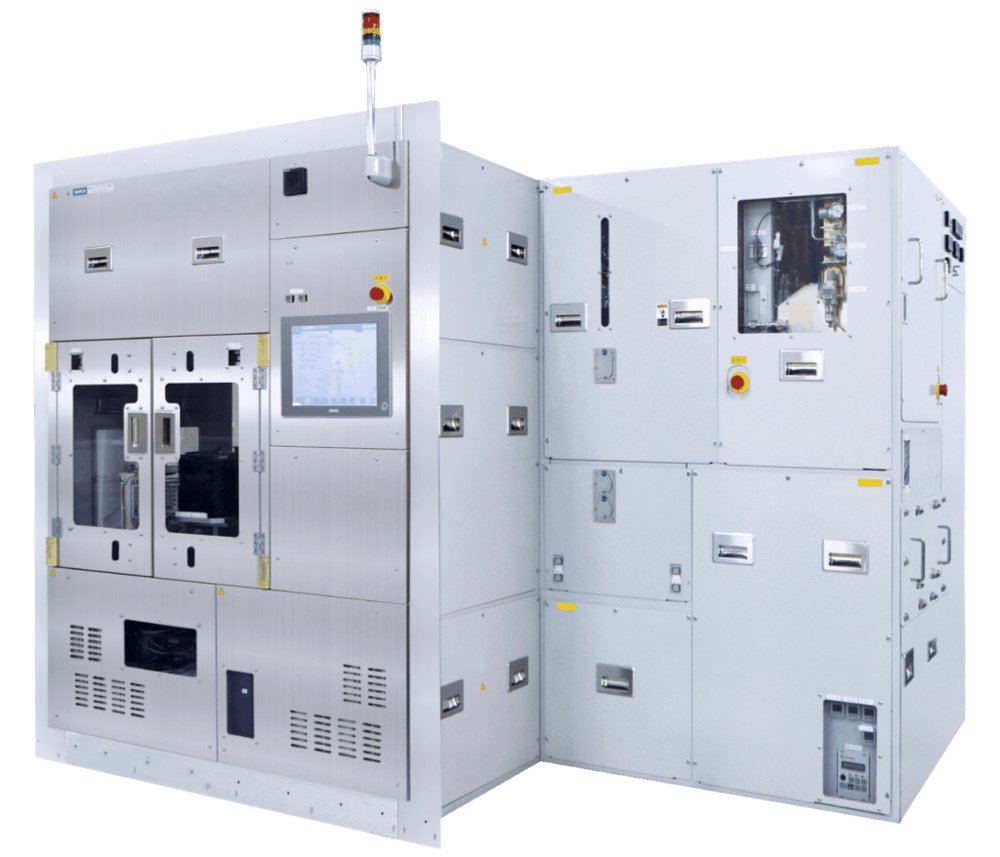
Samco was the first Japanese semiconductor process equipment manufacturer to provide Silicon Deep Reactive Ion Etching (DRIE) systems using the Bosch Process. We offer DRIE systems with a range of sample sizes and number of chambers for MEMS device fabrication and TSV via-hole etching. Our systems have industry-leading process capabilities, and the product lineup covers both R&D and production. For high-volume device manufacturing, a double reaction chamber specification is also available.
CATEGORY
