By EVOQ
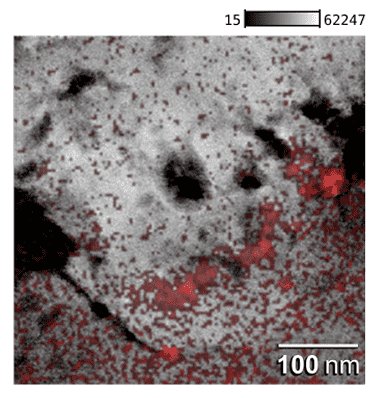
EVQ-GA Polymorphic Sphere Nanoparticles provide a transformative solution by optimizing crystal chemistry and improving charge transfer. This results in up to a 70% increase in effective capacity and greater stability for both lead-acid and lithium-ion batteries. EVQ-GA Polymorphic Sphere Nanoparticles tackle these issues head-on by managing crystal formation at the nanoscale, strengthening battery structure, and boosting charge transfer. EVQ-GA improves battery performance by directing crystal formation at the nanoscale. It acts as a guide, shaping crystal growth for a stronger, more efficient battery. Here's how: - Nucleation Control: EVQ-GA sets a critical radius for crystal nucleation, lowering the energy required for growth. Classical nucleation theory explains how crystals form from a supersaturated solution. It involves the creation of a critical radius, beyond which crystal growth becomes energetically favorable. EVQ-GA nanoparticles provide pre-formed seeds that match this critical radius, reducing the energy barrier for nucleation and promoting uniform crystal growth. - Uniform Distribution: Its distinct shape ensures even spread in the electrolyte, fostering consistent crystal formation. Sedimentation occurs when particles settle out of the electrolyte, reducing their effectiveness. EVQ-GA's polymorphic sphere shape minimizes sedimentation by enhancing colloidal stability, ensuring the nanoparticles remain dispersed and active throughout the battery's life. - Optimized Conductivity: Precise EVQ-GA levels increase nucleation sites without forming excess conductive paths, avoiding self-discharge. Unlike traditional conductive additives that create direct conductive paths, potentially leading to self-discharge, EVQ-GA increases conductivity by enhancing the porosity and channel structure within the PAM. This allows for better ion access to the electrode plate without forming continuous conductive channels.
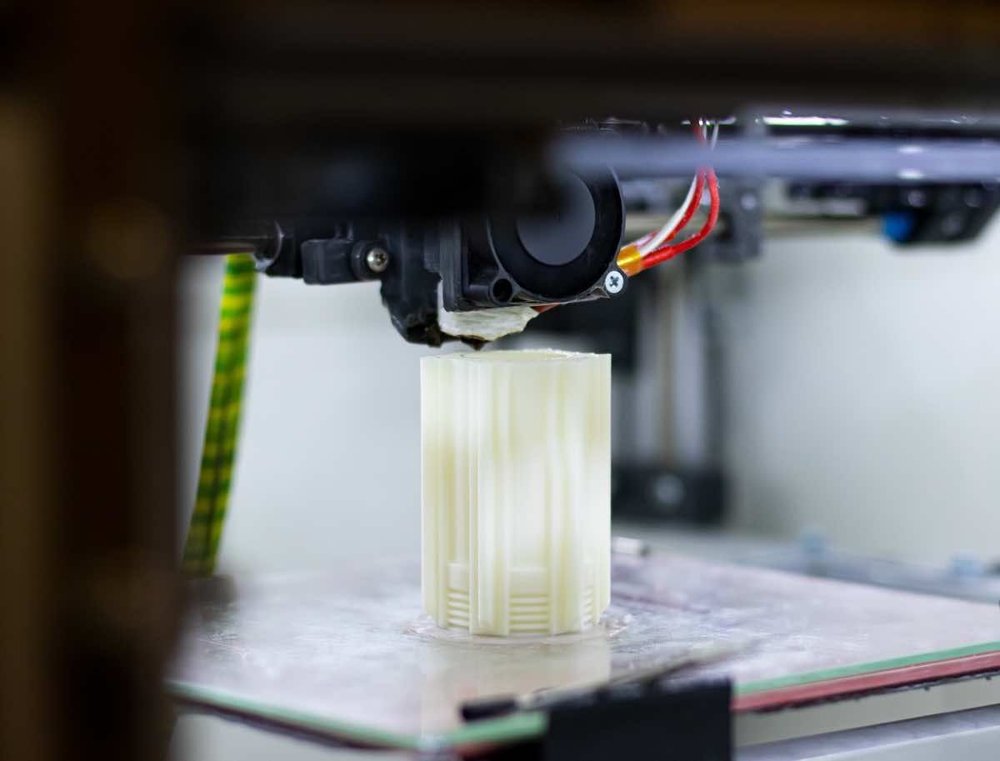
In the rapidly advancing field of 3D printing, EVOQ metamaterials serve as a catalyst for stronger, faster, and more resilient outputs. The EVOQ platform technology metamaterial integrates into resins, filaments, and powders to optimize material properties at the atomic level, enhancing production speeds, structural integrity, and durability without compromising precision or detail. Designed for precision and powered by innovation, EVOQ overcomes traditional limitations. Patented laser ablation produces consistent 10nm ±4 spheres that disperse evenly throughout printing materials, strengthening atomic bonds and reducing defects like warping or porosity in printed structures. This narrow size distribution ensures uniform enhancement without secondary processing, enabling seamless compatibility with FDM, SLA, and SLS technologies. Lab research on material enhancements shows improved mechanical integrity, with EVQ-218 demonstrating antimicrobial properties that could add hygienic features to prints, such as self-sanitizing surfaces. The non-ionic stability prevents degradation over time, hypothesizing faster curing times, higher resolution, and better layer adhesion in diverse printing environments, from desktop to industrial scales. By interacting at the atomic level, EVOQ unlocks novel allotropes, allowing for tailored metamaterials that boost thermal and electrical conductivity as needed. Proven in material science tests, EVOQ integrations have reduced layering issues and boosted tensile strength in 3D-printed prototypes by significant margins, making it suitable for demanding industrial and medical applications. For example, enhanced filaments have shown greater resilience in stress and impact tests, supporting reliable outputs in sectors like aerospace for lightweight components and automotive for custom parts. Laboratory validations confirm no cytotoxicity, positioning EVOQ for biomedical prints like prosthetics or surgical models where hygiene is critical. These applications demonstrate real-world reliability, with early adoptions highlighting cost efficiencies through fewer failed prints and extended material lifespan. Benefits abound: stronger, more efficient prints that cut material waste, energy consumption, and production time, leading to substantial cost savings. The eco-friendly process from EVOQ, scalable and using natural elements without capping agents, promotes sustainable manufacturing, aligning with green standards like ISO 14001 and reducing the carbon footprint of additive technologies through longer-lasting materials and fewer reprints. This resilience supports a circular economy, where printed products endure longer, minimizing environmental impact across sectors.
CATEGORY
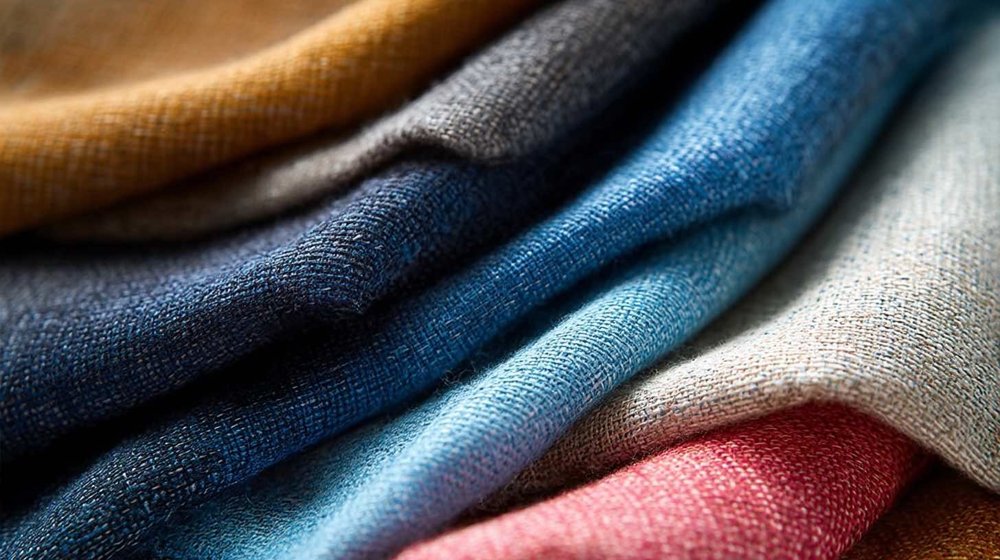
FUZE technology uses the EVOQ platform technology to produce FUZE F1, a metamaterial with antibacterial properties. These metamaterials are incorporated into fabrics and applied to surfaces, repelling bacteria and odors for lasting freshness. FUZE F1 is stable and non-ionic, ensuring durability through hundreds of washes, reducing not only bacteria growth and associated odors, but helps to improve wear and fabric integrity. From sportswear to home goods, FUZE delivers sustainable, high-performance textiles that resist wear and environmental impact, making it ideal for eco-conscious brands and consumers. Textiles and surfaces protected and improved with FUZE. FUZE technology enhances fabrics, and many other surfaces, with sustainable, antimicrobial metamaterials for lasting cleanliness and durability. Metamaterials are engineered materials with unique properties derived from their precise structure, not composition. FUZE technology uses non-ionic, spherical metamaterials with consistent size and shape to create cleaner, more durable textiles, reducing environmental impact and enhancing performance. The EVOQ platform technology delivers scalable, sustainable solutions for gym gear, linens, apparel, and much more. FUZE products outperform traditional treatments and virtually eliminate harsh chemicals. Additionally, surface treatments provide peace of mind for hospitals, gyms, and any other place where bacteria, fungus, and mold hide. All-Natural Components: Uses pure minerals. Long-Lasting: Effective on textiles for over 100 washes. Zero-Waste Manufacturing: Made in its storage water; no resources wasted. Easy Application: Light mist; no water wasted or dumped. Minimal Ingredients: Uses 480x less than other anti-odor treatments. EPA registered: Meets EPA standards for addressing odor-causing microorganisms. No Loss in Washes: Stays adhered after hundreds of washes; no waste detected. Non-Leaching: Permanently adheres; won't release into environment or skin. Non-Ionic: Stable; no harmful ions or forever chemicals. FUZE is a non-ionic application that adheres to textiles and surfaces for long-lasting protection against odor-causing bacteria. FUZE meets EPA standards for addressing odor-causing microorganisms. It won't alter material characteristics. Can be applied with other enhancements like DWR or softener, but application order matters. For textiles, use ASTM 2149-13a for non-ionic treatments requiring contact.
CATEGORY
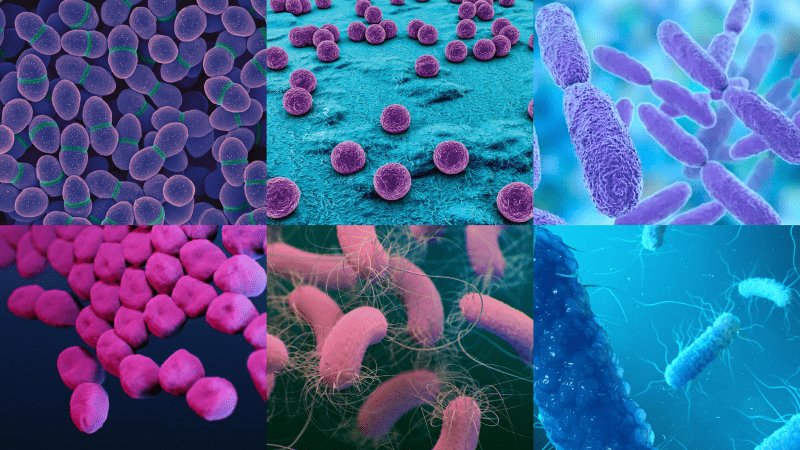
EVOQ Bio applies the EVOQ platform to antimicrobial applications. EVQ-218 demonstrated broad-spectrum in vitro activity across 64+ isolates, with resistance-resilient behavior under tested conditions. EVOQ Bio uses non-ionic, spherical metamaterials with consistent size and shape. In laboratory studies, EVQ-218 showed antimicrobial activity against drug-resistant strains including MRSA and multidrug-resistant P. aeruginosa. No resistance was detected after 30 serial passages across six ESKAPE pathogens under the conditions tested. In vitro antimicrobial activity: Demonstrated activity across 64+ bacterial, fungal, and mycobacterial isolates in laboratory studies. Resistance-resilient: No resistance detected after 30 serial passages across all six ESKAPE pathogens under tested conditions. Scalable integration: The EVOQ platform integrates into existing healthcare manufacturing workflows. Consistent performance: Uniform structural properties engineered at production support consistent performance across applications. In laboratory testing, EVQ-218 demonstrated broad-spectrum antimicrobial activity. The CFF-funded study at Seattle Children's Research Institute tested 64+ isolates spanning bacteria, fungi, and mycobacteria using CLSI methods. EVQ-218 met bactericidal classification (MBC less than 4x MIC) under the assay conditions tested. Published resistance data showed no MIC elevation after 30 serial passages across six ESKAPE pathogens. EVQ-218 is a non-ionic silver metamaterial. Imaging data from DF-STEM/EDS analysis across 20+ isolates is consistent with a non-lytic, multi-target interaction profile. This is consistent with the proposed Silver-Sulfur Siege (S3) hypothesis. In laboratory studies funded by the Cystic Fibrosis Foundation, EVQ-218 was tested against 64+ isolates at Seattle Children's Research Institute. All efficacy data to date is preclinical. No therapeutic or device approvals are implied. EVOQ Bio applies the EVOQ platform to antimicrobial applications in medical devices and therapeutic development. Preclinical data supports continued development.
CATEGORY
EVOQ metamaterials revolutionize fuel additives, enhancing combustion efficiency and reducing emissions for a cleaner, more sustainable energy future. Precision-engineered spheres integrate into fuels to optimize performance at the atomic level, delivering power and eco-benefits without traditional additives' drawbacks. Designed for precision and ready for impact, EVOQ metamaterials fuel innovation—collaborate to drive the next generation of energy solutions. Patented laser ablation produces uniform 10nm ±4 spheres with no ion emission, ensuring stable, non-reactive integration into liquid fuels. These spheres enhance atomic-level interactions, supporting improved burn rates and reduced carbon buildup. Lab research on material stability informs fuel applications, with EVQ-218's antimicrobial properties suggesting cleaner fuel systems by preventing microbial-induced corrosion. A non-ionic design resists degradation in high-temperature or oxidative environments, ensuring consistent performance across gasoline, diesel, and biofuels. Scalable synthesis from natural metals supports tailored solutions, optimizing fuel formulations without environmental harm. While direct fuel applications are emerging, proven stability in material science tests supports the potential of EVOQ metamaterials to optimize combustion across fuel types. Preliminary integrations demonstrate reduced residue in controlled burn tests, suggesting cleaner engine exhaust and improved performance. Hypotheses for EVOQ metamaterials in fuels are transformative. Diesel additives could reduce soot and particulate emissions, potentially enabling greener transport for heavy vehicles. Gasoline blends might achieve higher mileage through optimized combustion, lowering fuel consumption for consumer cars. Aviation fuels could improve efficiency and reduce contrail formation, supporting sustainable air travel. Marine fuels might gain corrosion-resistant properties, extending engine life in harsh saltwater conditions. Biofuel integrations could enhance energy output, while hydrogen fuel systems might benefit from antimicrobial barriers to prevent tank contamination. Additives for industrial generators could reduce maintenance by minimizing carbon deposits. Tailored synthesis supports low-temperature ignition enhancers for cold climates or eco-additives for hybrid fuel systems. Cleaner combustion, lower emissions, and cost savings through improved fuel efficiency and engine longevity drive benefits. Eco-friendly, scalable, and chemical-free production reduces environmental impact, aligning with global sustainability goals like net-zero emissions. Manufacturers benefit from regulatory compliance, while consumers enjoy cost-effective, greener fuel options. Drive fuel innovation with EVOQ metamaterials. If this technology sparks ideas for energy research in automotive, aviation, or industrial fuels, request materials today to test and explore. Consult an expert for tailored insights. Collaborate to power a cleaner future.
CATEGORY
