By OCSiAl Group
Graphene nanotubes—nature’s longest and most flexible material for conductivity and reinforcement of electrodes—resolve the major technological challenge of improving electric vehicle battery energy density, charge rate, and service life. Nanotubes serve as enablers for all new battery technologies.
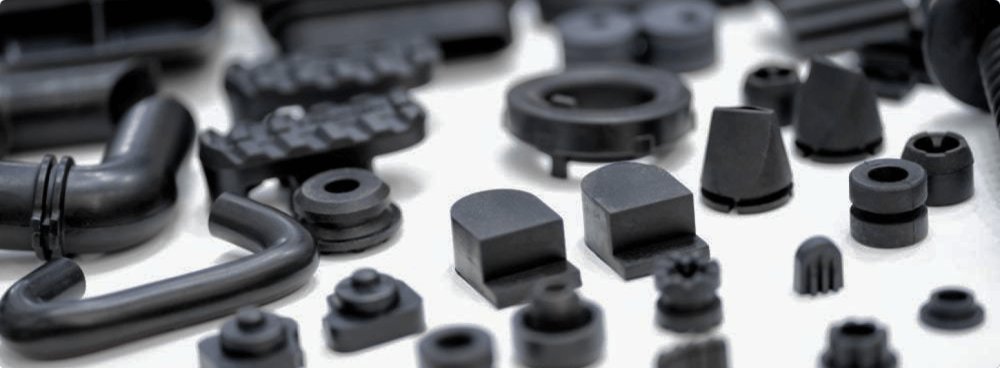
Increased durability, mechanical property stability, retained elasticity, and electrical conductivity are enabled by graphene nanotubes in rubber car parts. This set of properties is crucially important for car seals, O-rings, hoses, ignition wire cores, and cable connectors.
CATEGORY

TUBALL™ High purity graphene nanotubes Application s Energy Storage, Paints & Coatings, Resins & Composites, Elastomers TUBALL™ nanotubes are synthesized in powder form in various grades with nanotube content from 80% to 99.5%.
CATEGORY

TUBALL™ graphene nanotubes (SWCNT) are a conductive filler with the best price-per-property performance in comparison with standard ESD additives, such as conductive carbon black, mica, carbon fibers and conductive polymers. Its ultra-low effective loading (starting from only 0.1% in the form of concentrate in the overall compound) is enough to create a uniform conductive and reinforcing network without a negative impact on the other key properties of a thermoset resin.
CATEGORY
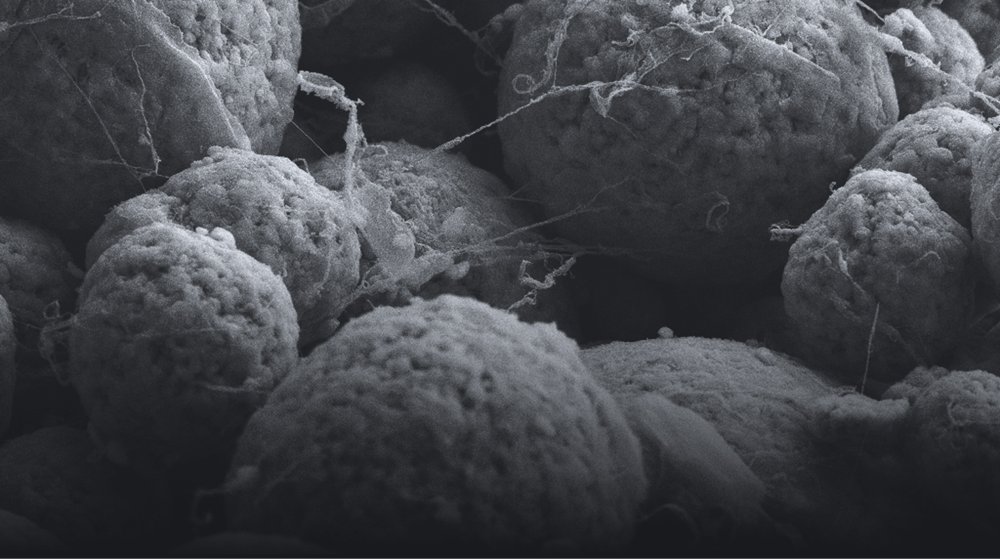
Dry electrode manufacture requires conductivity and mechanical strength without liquid dispersion. TUBALL™ forms a 3D conductive network, delivering uniform conductivity, crack resistance, and high-density solvent-free electrodes. - Achieves structural conductivity - Improves cohesion and crack resistance
CATEGORY
