American Chemical Society (ACS)
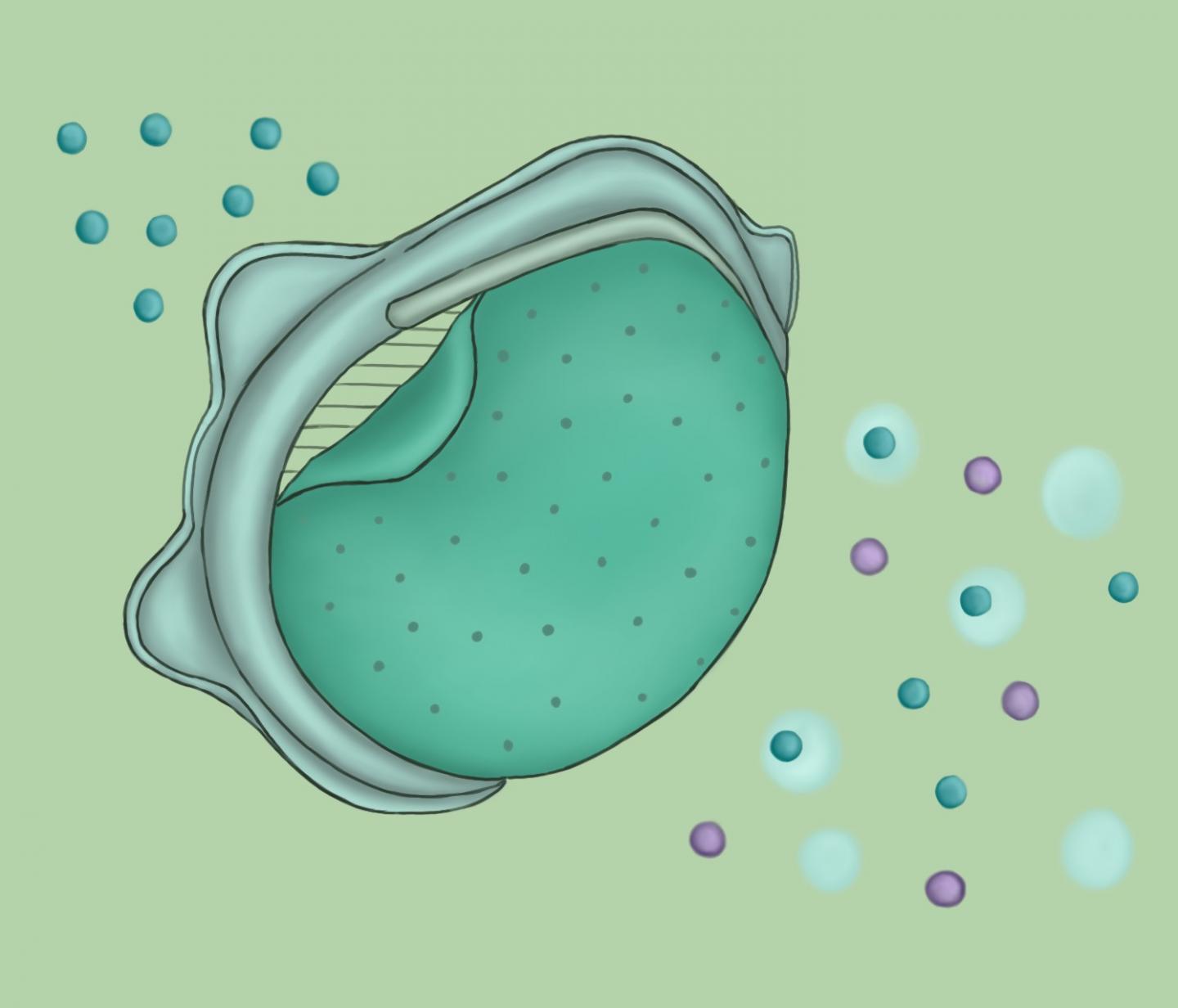
Since the outbreak of COVID-19, there's been a worldwide shortage of face masks -- particularly, the N95 ones worn by health care workers. Although these coverings provide the highest level of protection currently available, they have limitations. Now, researchers reporting in ACS Nano have developed a membrane that can be attached to a regular N95 mask and replaced when needed. The filter has a smaller pore size than normal N95 masks, potentially blocking more virus particles.
N95 masks filter about 85% of particles smaller than 300 nm. SARS-CoV-2 (the coronavirus that causes COVID-19) is in the size range of 65-125 nm, so some virus particles could slip through these coverings. Also, because of shortages, many health care workers have had to wear the same N95 mask repeatedly, even though they are intended for a single use. To help overcome these problems, Muhammad Mustafa Hussain and colleagues wanted to develop a membrane that more efficiently filters particles the size of SARS-CoV-2 and could be replaced on an N95 mask after every use.
To make the membrane, the researchers first developed a silicon-based, porous template using lithography and chemical etching. They placed the template over a polyimide film and used a process called reactive ion etching to make pores in the membrane, with sizes ranging from 5-55 nm. Then, they peeled off the membrane, which could be attached to an N95 mask. To ensure that the nanoporous membrane was breathable, the researchers measured the airflow rate through the pores. They found that for pores tinier than 60 nm (in other words, smaller than SARS-CoV-2), the pores needed to be placed a maximum of 330 nm from each other to achieve good breathability. The hydrophobic membrane also cleans itself because droplets slide off it, preventing the pores from getting clogged with viruses and other particles.
Flexible nanoporous template for the design and development of reusable anti-COVID-19 hydrophobic face masks
Nazek El-Atab, Nadeem Qaiser, Huda Badghaish, Sohail F. Shaikh, and Muhammad Mustafa Hussain
ACS Nano (2020)
Contact information:
Professor at King Abdullah University of Science and Technology
muhammad.hussain@kaust.edu.sa
SPECS reports on work at the LMA microscopy lab, where Dr. David Serrate's team used the JT-STM to study graphene nanoribbons on MgO/Ag(001) and the Aarhus 150 to monitor nanostructure growth.
Nanologica's board has resolved on a rights issue of units of appx. SEK 110.5 million, with an oversubscription option of up to SEK 10 million. Commitments and a guarantee intention cover appx. SEK 85.7 million.
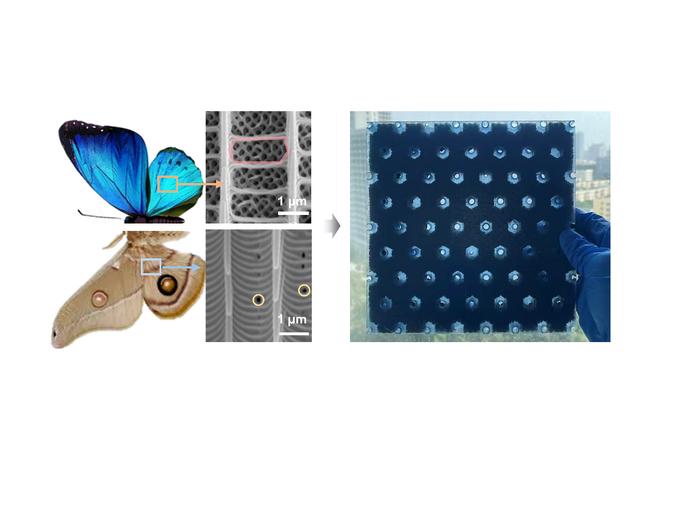
Researchers at Harbin Institute of Technology have printed a 24 mm metamaterial that absorbs impact, shields microwaves and damps low-frequency noise at once. Inspired by butterfly wing scales, it nests a gyroid lattice inside a hexagonal honeycomb, absorbing 21.9 times more impact energy than an equal-weight honeycomb and capturing over 90% of 2-40 GHz radiation and 600-900 Hz sound.
This week in nanotech
$108.5M raised
7 funding rounds · 39 deals tracked
New products
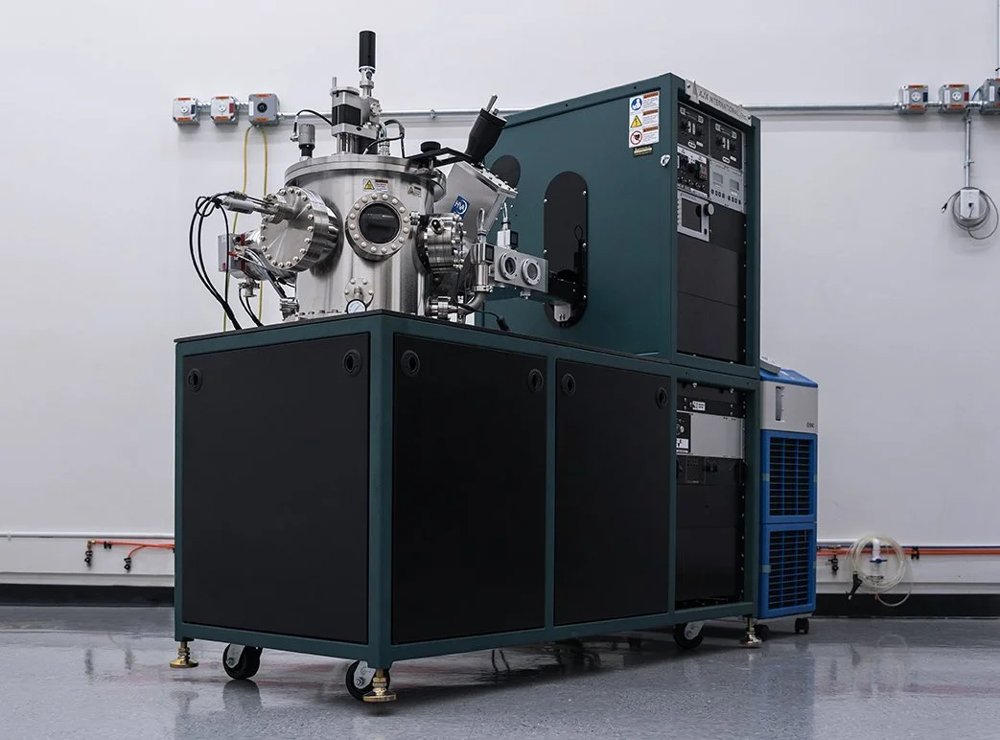 Orion Sputtering Deposition SystemsAJA International Featured
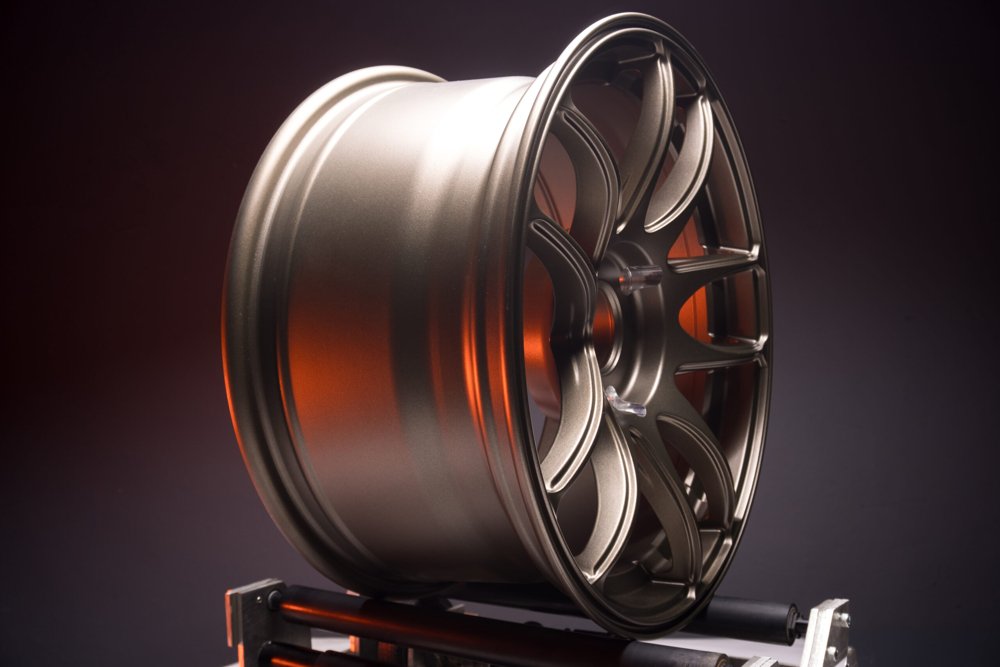 Ti-WCMBN Nanomaterialia Featured
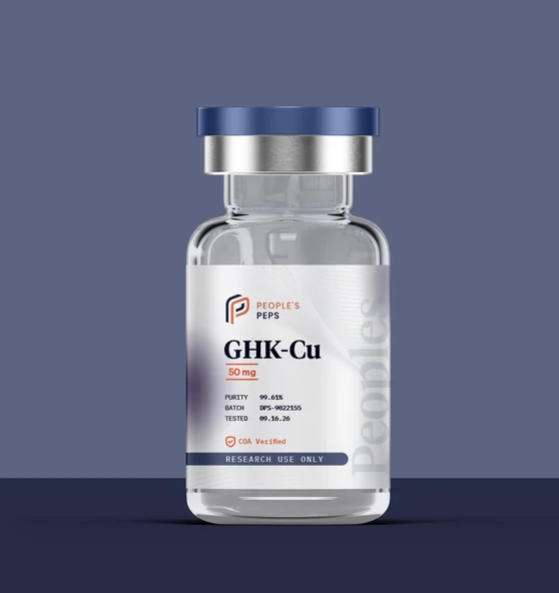 GHK-CuPeoples Peps
Market insights
Last 30 days: Quantum Technologies drew the most money: $3.17B.
Money raised per month