SPECS Surface Nano Analysis GmbH has published an account of research carried out with its instruments at the Laboratorio de Microscopias Avanzadas (LMA), which it describes as a national reference microscopy lab since 2015. The LMA scanning probe microscopy (SPM) division runs competitive experimental proposals from across Europe and operates three Nanonis control electronics systems, according to the company.
Dr. David Serrate's team has used the JT-STM to study graphene nanoribbons (GNRs) on MgO/Ag(001) substrates. The instrument's ultra-high energy resolution was used to reveal and manipulate the ribbons' electronic states. By tuning ribbon length by single molecular units, the researchers can switch between non-magnetic and spin-1/2 paramagnetic states. The work was published in Nat. Commun. 16, 5632 (2025), doi.org/10.1038/s41467-025-60767-5.
The high-temperature stability of the Aarhus 150 system allows the team to monitor surface diffusion processes and guide self-assembly of nanoscale structures. In a study of Thulium (Tm) growth on W(110), controlling temperature and accounting for carbon diffusion from the bulk gave reproducible formation of pseudomorphic nanoislands (IntechOpen Epitaxy, 2018; DOI:10.5772/intechopen.70218). Island size can be resolved down to a few nanometers.
The Aarhus system also allows live monitoring of chemical vapor deposition (CVD) reactions. Researchers observed the time evolution of propene decomposition on Ni(111) at 823 K, including formation of a Ni2C layer and its transformation during graphene growth.
On the Nanonis electronics, Serrate said: "Most users are already familiar with Nanonis, and those who are not quickly adapt to it." He added that the hardware and software are "designed by scientists for scientists."
International researchers can apply for access to the LMA through its Access & User Program.
Atomera has signed a Joint Development Agreement with IQE plc to co-optimize MST-enabled GaN-on-silicon wafers, which IQE will manufacture for foundry and IDM customers, starting with RF applications.
Polar Semiconductor and IC-Link by imec are collaborating on 8-inch production of enhancement-mode GaN devices, enabled by a license transfer agreement with imec for its GaN-on-silicon process, device and epitaxy.
Wolfspeed announced a conditional loan commitment letter from the U.S. Department of War for up to $1.5 billion of long-term financing for silicon carbide materials and wide bandgap power devices.
This week in nanotech
$108.5M raised
8 funding rounds · 46 deals tracked
New products
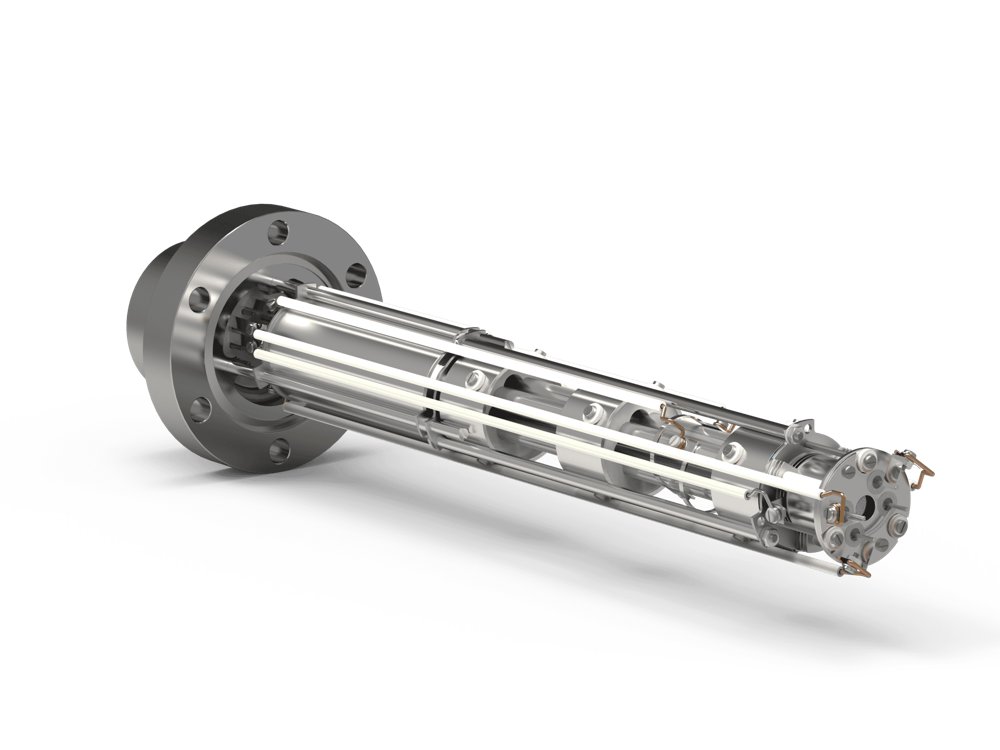 DLS-1 Mass Spectrometer for Fusion Gas AnalysisHiden Analytical Featured
 Nion-compatible In Situ STEM Holders for Electrical BiasingHummingbird Scientific Featured
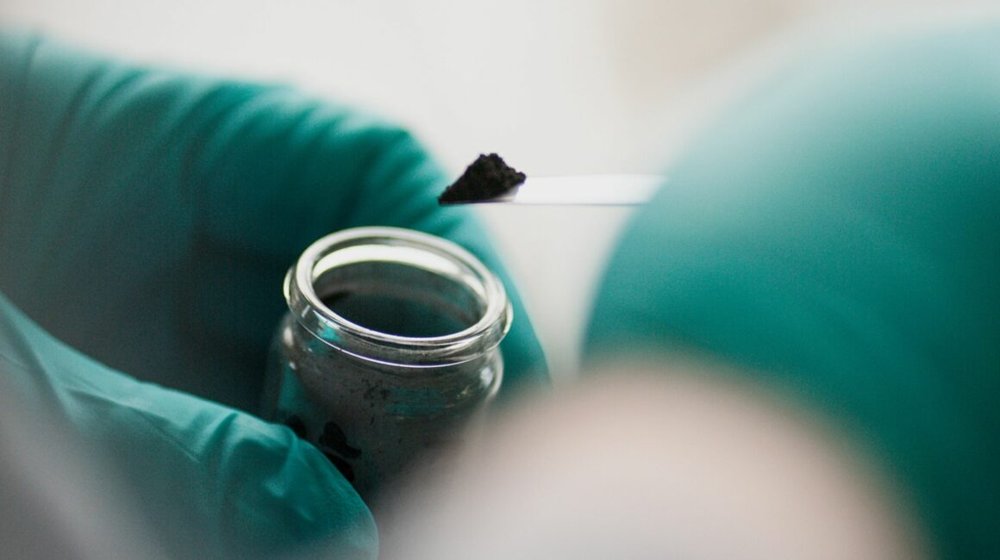 Talphene™ Graphene AdditivesTalga Group
Market insights
Last 30 days: Quantum Technologies drew the most money: $3.17B.
Money raised per month