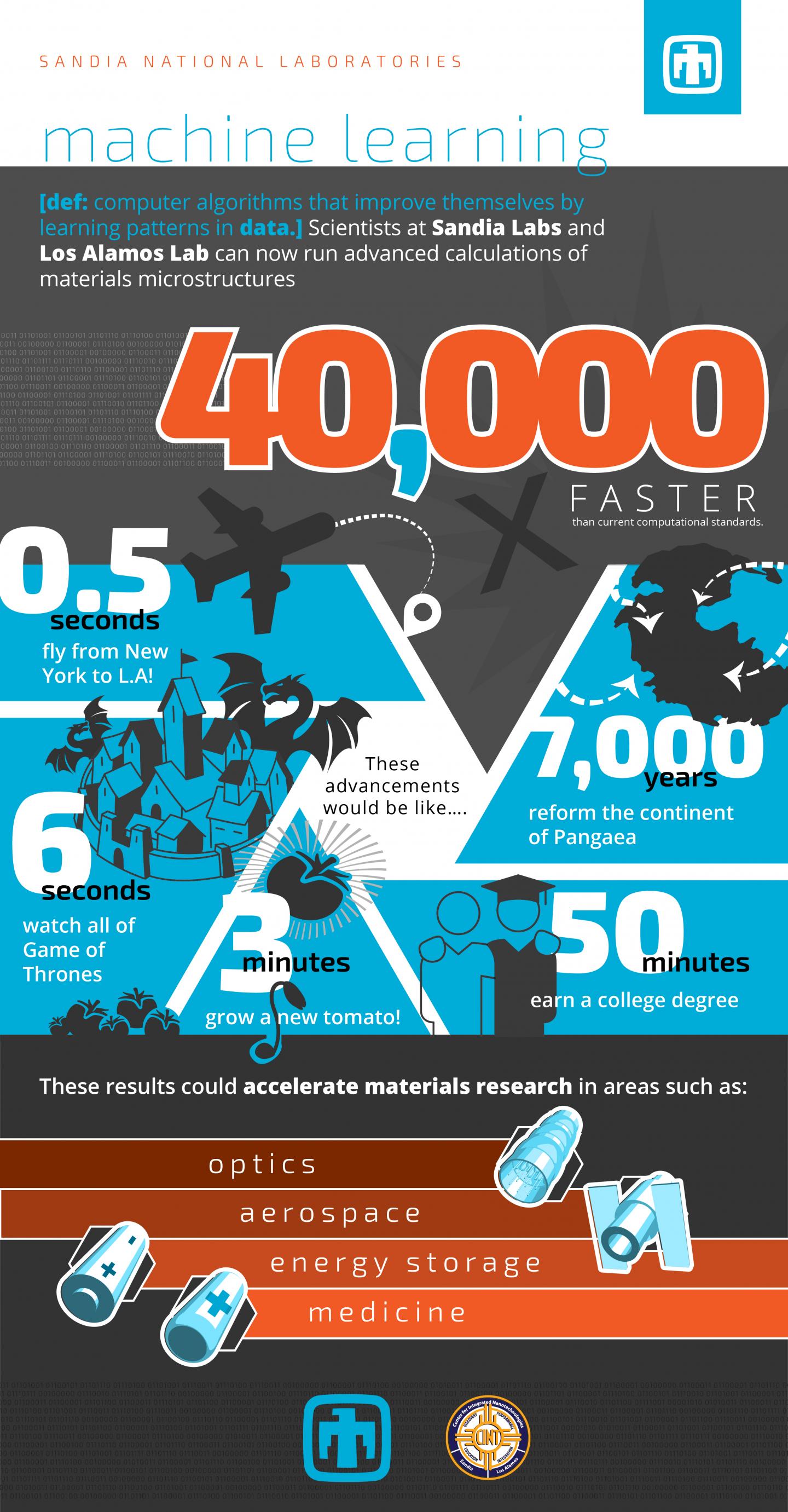
ALBUQUERQUE, N.M. -- If everything moved 40,000 times faster, you could eat a fresh tomato three minutes after planting a seed. You could fly from New York to L.A. in half a second. And you'd have waited in line at airport security for that flight for 30 milliseconds.
Thanks to machine learning, designing materials for new, advanced technologies could accelerate that much.
A research team at Sandia National Laboratories has successfully used machine learning -- computer algorithms that improve themselves by learning patterns in data -- to complete cumbersome materials science calculations more than 40,000 times faster than normal.
Their results, published Jan. 4 in npj Computational Materials, could herald a dramatic acceleration in the creation of new technologies for optics, aerospace, energy storage and potentially medicine while simultaneously saving laboratories money on computing costs.
"We're shortening the design cycle," said David Montes de Oca Zapiain, a computational materials scientist at Sandia who helped lead the research. "The design of components grossly outpaces the design of the materials you need to build them. We want to change that. Once you design a component, we'd like to be able to design a compatible material for that component without needing to wait for years, as it happens with the current process."
The research, funded by the U.S. Department of Energy's Basic Energy Sciences program, was conducted at the Center for Integrated Nanotechnologies, a DOE user research facility jointly operated by Sandia and Los Alamos national labs.
Sandia researchers used machine learning to accelerate a computer simulation that predicts how changing a design or fabrication process, such as tweaking the amounts of metals in an alloy, will affect a material. A project might require thousands of simulations, which can take weeks, months or even years to run.
The team clocked a single, unaided simulation on a high-performance computing cluster with 128 processing cores (a typical home computer has two to six processing cores) at 12 minutes. With machine learning, the same simulation took 60 milliseconds using only 36 cores-equivalent to 42,000 times faster on equal computers. This means researchers can now learn in under 15 minutes what would normally take a year.
Sandia's new algorithm arrived at an answer that was 5% different from the standard simulation's result, a very accurate prediction for the team's purposes. Machine learning trades some accuracy for speed because it makes approximations to shortcut calculations.
"Our machine-learning framework achieves essentially the same accuracy as the high-fidelity model but at a fraction of the computational cost," said Sandia materials scientist Rémi Dingreville, who also worked on the project.
Dingreville and Montes de Oca Zapiain are going to use their algorithm first to research ultrathin optical technologies for next-generation monitors and screens. Their research, though, could prove widely useful because the simulation they accelerated describes a common event -- the change, or evolution, of a material's microscopic building blocks over time.
Machine learning previously has been used to shortcut simulations that calculate how interactions between atoms and molecules change over time. The published results, however, demonstrate the first use of machine learning to accelerate simulations of materials at relatively large, microscopic scales, which the Sandia team expects will be of greater practical value to scientists and engineers.
For instance, scientists can now quickly simulate how miniscule droplets of melted metal will glob together when they cool and solidify, or conversely, how a mixture will separate into layers of its constituent parts when it melts. Many other natural phenomena, including the formation of proteins, follow similar patterns. And while the Sandia team has not tested the machine-learning algorithm on simulations of proteins, they are interested in exploring the possibility in the future.
Contact
Rémi Dingreville
Center for Integrated Nanotechnologies
Sandia National Laboratories
rdingre@sandia.gov
Reference
Accelerating phase-field-based microstructure evolution predictions via surrogate models trained by machine learning methods
David Montes de Oca Zapiain, James A. Stewart & Rémi Dingreville
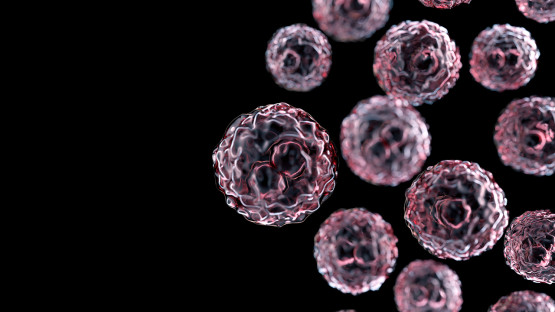
Cornell and Pacific Northwest National Laboratory researchers have developed a predictive model for how crystals such as calcite incorporate silica nanoparticles, revealing that the energy needed to cross water layers at the crystal surface strongly governs uptake, and that amines rather than carboxylic acids bind best.
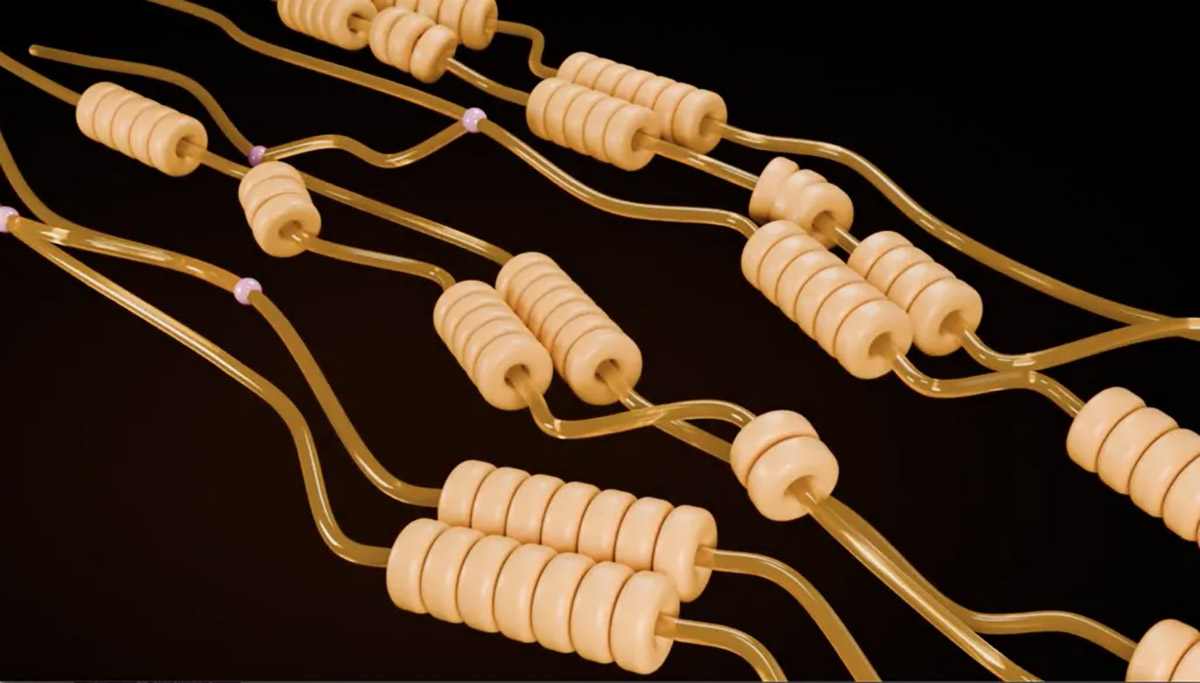
A polymer hydrogel that grows stronger under repeated bending and strain has been developed by chemists, who report the material survived 10,000 bending cycles in tests on a knee-like joint. Made from a biodegradable blend of sugar crystals and polyethylene glycol, the 3D printable material uses sliding cyclodextrin rings to reinforce stressed regions, mimicking collagen.
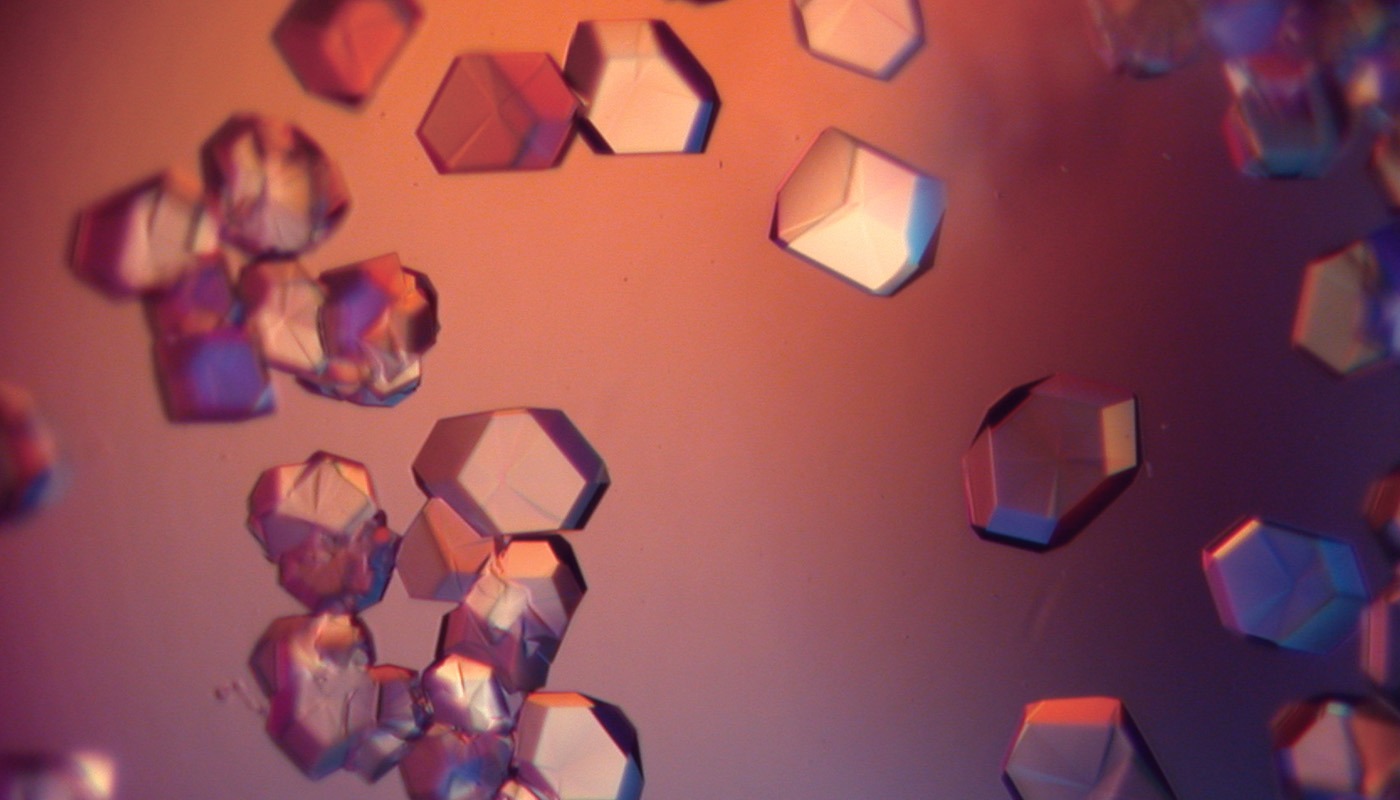
Rigaku has introduced the PhotonJetMAX-S microfocus sealed-tube X-ray source for the XtaLAB Synergy-S, delivering more than twice the diffracted intensity of the PhotonJet-S at a peak power of 50 W.
This week in nanotech
$18.9M raised
4 funding rounds · 31 deals tracked
New products
 Nion-compatible In Situ STEM Holders for Electrical BiasingHummingbird Scientific Featured
 Ti-WCMBN Nanomaterialia Featured
 Ionic® Purification SystemBionano Genomics, Inc.
Market insights
Last 30 days: Semiconductors & Electronics was the busiest vertical: 52 of 170 events (31%).
Money raised per month