Light Publishing Center, Changchun Institute of Optics, Fine Mechanics And Physics, CAS
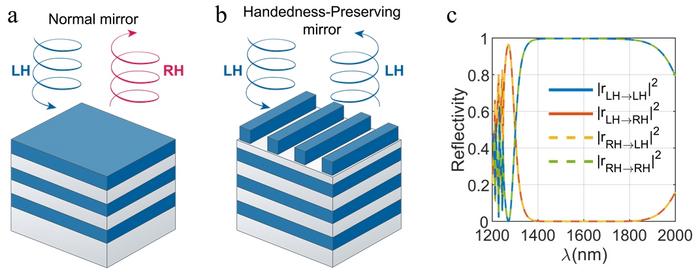
Conventional mirrors reverse the handedness of circularly polarised light upon reflection (Figure 1a). This familiar optical effect becomes a serious limitation for building photonic devices that preserve and enhance chiral light, for example resonators for studying chiral molecules in chemistry, biology and pharmaceuticals.
In a new paper published in Light: Advanced Manufacturing, Natalia Salakhova, Sergey Dyakov and colleagues from Skoltech, the Institute of Solid State Physics RAS and the Lebedev Physical Institute RAS report a broadband mirror that preserves the handedness of light upon reflection (Figure 1b-c) and works over a wide range of incidence angles. The mirror is based on a one-dimensional silicon grating placed on a silicon-silicon dioxide Bragg mirror. This planar all-dielectric architecture creates strong in-plane anisotropy while remaining compatible with scalable nanofabrication.
The team fabricated two experimental samples (Figure 2). The first sample was close to the optimal design, while the second sample intentionally had non-optimal geometric parameters. For the optimal structure, a handedness-preserving band was about 400 nm, from 1400 to 1800 nm (Figure 2b-c). Even for the non-optimal sample, the handedness-preserving reflection was observed over a spectral band wider than 100 nm (Figure 2d-e). The fabricated mirrors preserved more than 98 percent of the light handedness. Moreover, the mirrors maintained high performance for oblique incidence up to 10 degrees.
Authors of the work particularly highlight several advantages of the proposed design. First, they emphasise the importance of broadband operation: “By moving away from a resonance-based design, we make handedness-preserving reflection compatible with broadband frequency scanning, which is essential for spectroscopy and sensing applications.”
Regarding fabrication and practical use, they add: “A key advantage of our approach is its simplicity. The mirror is a planar grating on a Bragg reflector, yet it remains tolerant to fabrication imperfections, robust under oblique illumination, and extremely compact compared with handedness-preserving solutions based on commercial achromatic wave plates.”
Looking toward future resonator applications, they note: “Because the structure is fully dielectric, it can be engineered not only for high reflection but also for controlled partial transmission. This is especially important for creating Fabry-Perot microresonators, where at least one mirror must let light in and out while preserving the handedness of chiral modes.”
These properties make the design promising for reflective phase plates, Fabry-Perot resonators for chiral light, and future photonic devices for controlling light-matter interaction.
Reference
Broadband wide-angle handedness-preserving mirror
Natalia Salakhova, Andrey Demenev, Oleg Klimenko, Diana Shimlovskaya, Konstantin Garbuzov, Sergey Kosolobov, Vladimir Kulakovskii, Vladimir Antonov, Vladimir Drachev, Nikolay Gippius, and Sergey Dyakov
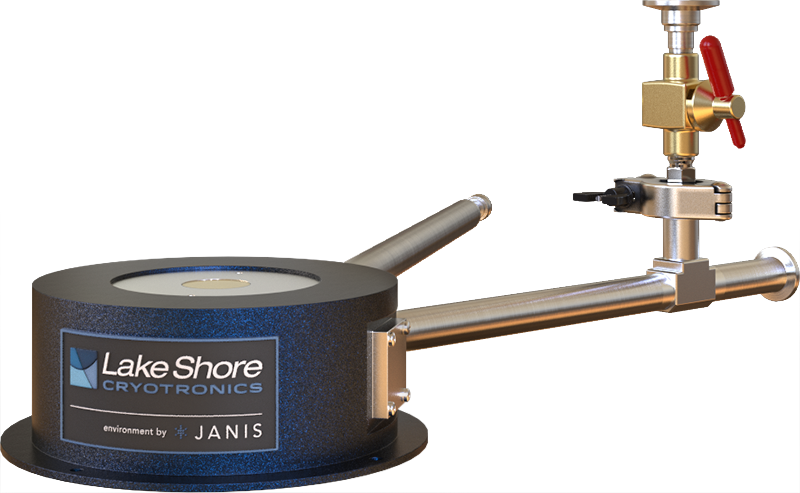
Lake Shore Cryotronics Inc. has published an overview of its Environment by Janis cryostats for FTIR, Raman, photoluminescence, NMR, Mössbauer, and magneto-optical spectroscopy applications.
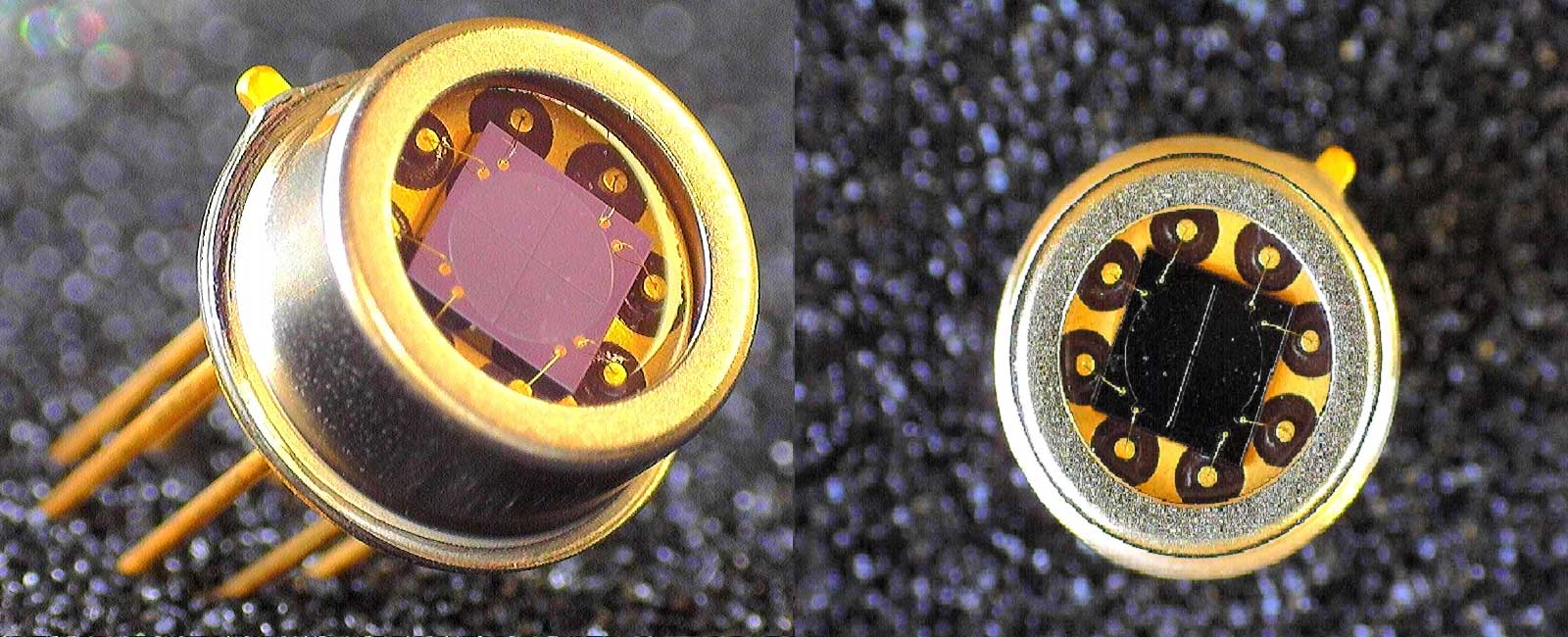
Marktech Optoelectronics and Optrans America announced an expanded portfolio of four-channel InGaAs PIN photodiodes, combining 1.7 µm-cut-off and 2.6 µm-cut-off technologies for infrared detection and positional information.
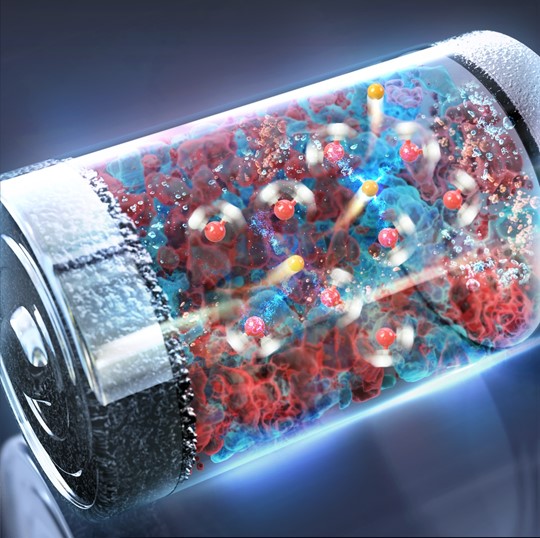
Microscopic understanding of solvation structure reveals heterogeneity in the superconcentrated water-in-salt electrolytes - Lithium-ion...
This week in nanotech
$111.7M raised
4 funding rounds · 18 deals tracked
New products
 Nion-compatible In Situ STEM Holders for Electrical BiasingHummingbird Scientific Featured
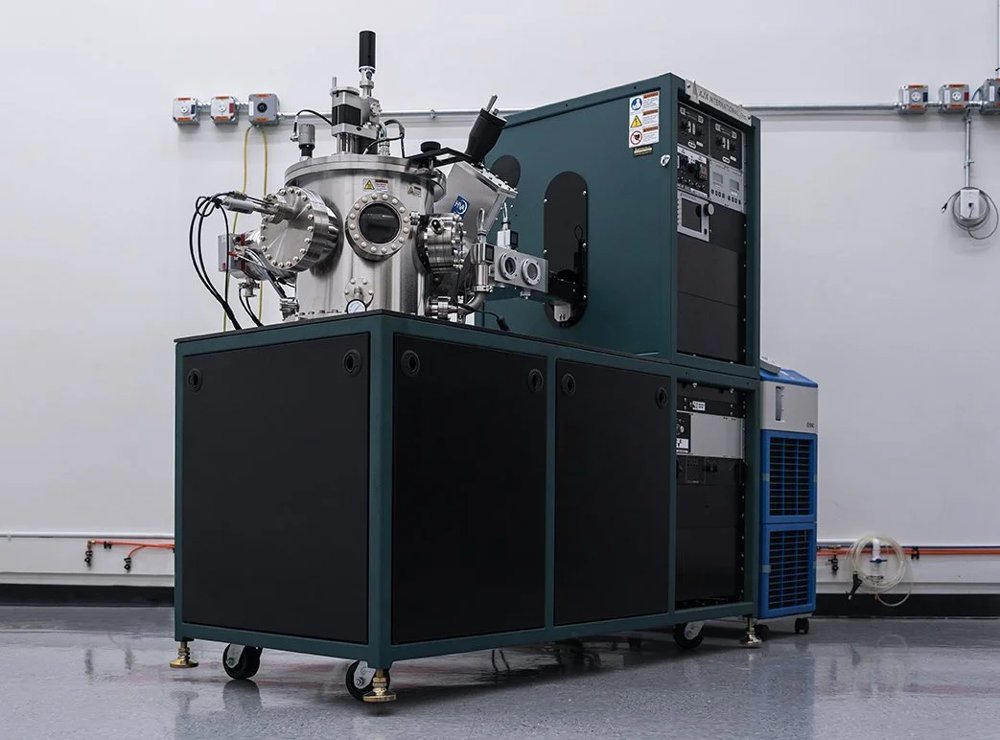 Orion Sputtering Deposition SystemsAJA International Featured
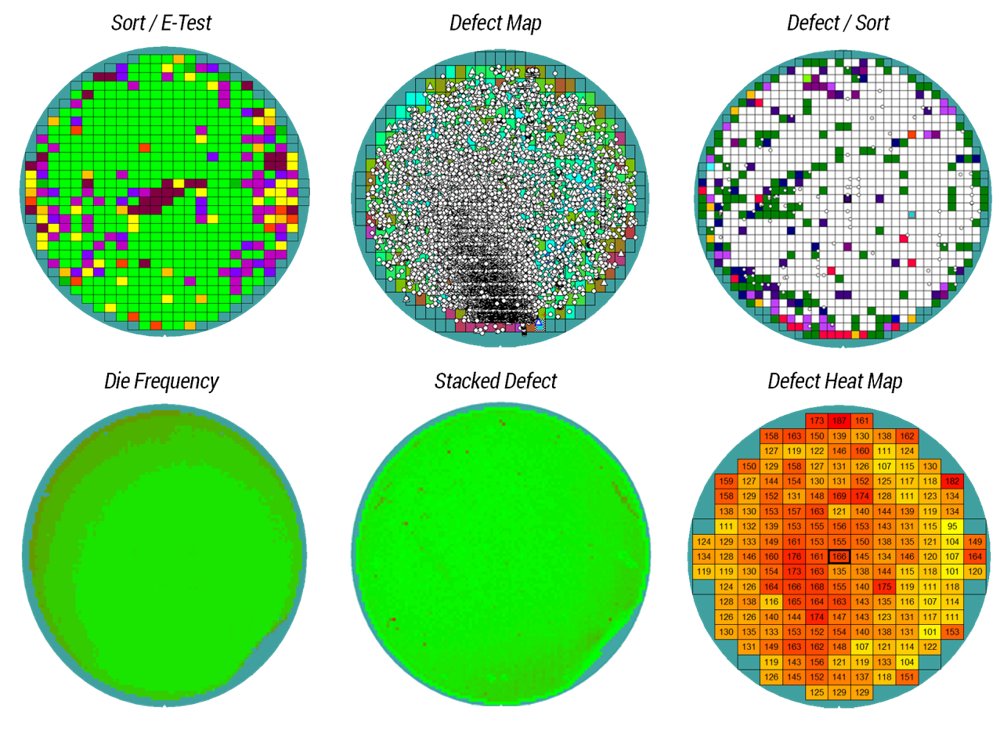 Discover Mapping SuiteOnto Innovation
Market insights
Last 30 days: Semiconductors & Electronics drew the most money: $547.7M.
Money raised per month
Behind the deal
Who led Sandia National Laboratories’s $3.4M Grant?
See the investors with Insights Pro →