Delft University of Technology
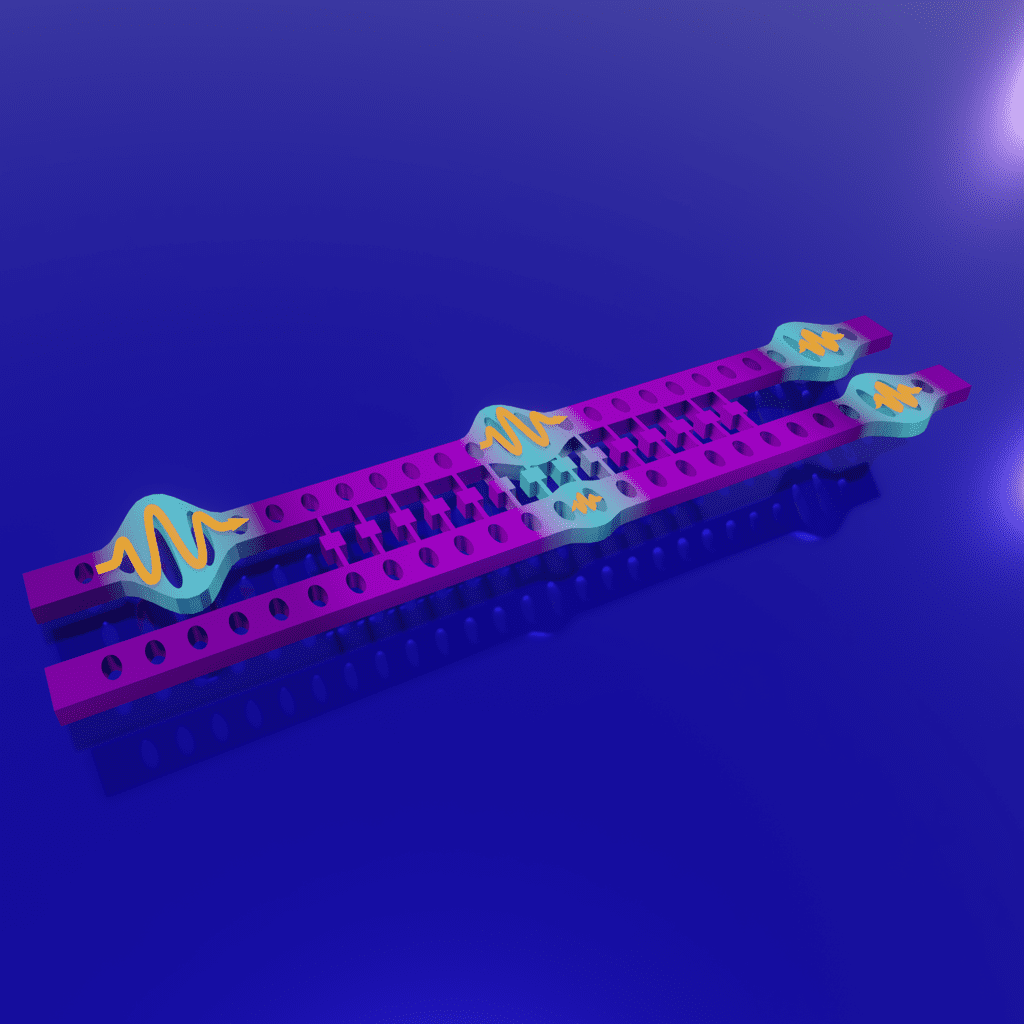
Researchers have created a chip-based device that can split phonons — tiny packets of mechanical vibration that can carry information in quantum systems. By filling a key gap, this device could help connect various quantum devices via phonons, paving the way for advanced computing and secure quantum communication.
“Phonons can serve as on-chip quantum messages that connect very different quantum systems, enabling hybrid networks and new ways to process quantum information in a compact, scalable format,” said research team leader Simon Gröblacher from Delft University of Technology in the Netherlands. “To build practical phononic circuits requires a full set of chip-based components that can generate, guide, split and detect individual quanta of vibrations. While sources and waveguides already exist, a compact splitter was still missing."
In the Optica Publishing Group journal Optica Quantum, the researchers describe their compact, integrated four-port directional coupler for single phonons and show that it can accomplish controllable splitting and quantum-level performance.
“Our device could enable microscopic on-chip routers and splitters that link superconducting qubits, which are often used for fast quantum calculations, with spin-based systems, which are good for storing quantum information for longer periods. It could also enable a variety of quantum experiments or extremely compact ultra-sensitive mechanical sensors,” said Gröblacher.
Connecting quantum systems
Although quantum technology holds great promise for enabling faster computing, more secure communication and new types of sensing, different quantum systems often don’t interact well with each other. To address this, engineers have developed platforms based on a type of phonon known as a surface acoustic wave. However, the limited propagation distance due to high loss and inherently open 2D structure of existing solutions make such devices relatively large, posing a barrier to their practical use.
In the new work, the researchers designed a chip-based directional coupler that uses highly confined, high-frequency (GHz) phonons traveling in phononic-crystal waveguides. These phonons allow smaller, more scalable on-chip devices due to their ability to reduce cross-talk between communication channels. They also support longer phonon lifetimes, enabling complex interference and routing before the quantum properties degrade.
Each device is built into silicon and has four ports — two inputs, two outputs — like a standard optical directional coupler. At cryogenic temperatures, it can be used with single-phonon quantum states, which allow the vibrations to act as discrete, reliable units of quantum information.
“The coupler we made acts like a junction in a quantum ‘postal route,” said Gröblacher. “It can split, route or recombine single quantum vibrations so that an excitation created in one processor can be sent reliably to another processor on the same chip or to multiple recipients — enabling more flexible and compact quantum devices and networks.”
To build the integrated directional coupler, the researchers patterned nanoscale structures onto a silicon chip to guide vibrations along tiny channels and bring them together in a region where they could mix in a controlled way. Achieving this required very precise fabrication so that the vibrations could travel long distances without fading.
Demonstrating phonon splitting
As an initial test of the device, the researchers measured how energy in a coherent phonon wave packet was divided between the two output cavities over time and over multiple round trips. By varying the coupling length, they were able to achieve controllable splitting ratios. After this classical test, they used a phonon heralding scheme to verify the presence of a phonon and demonstrate that the coupler behaved as a beam splitter for single phonons – quantized states of mechanical motion.
The researchers are now working to add more advanced phononic components to the coupler, improve fabrication to reduce losses and incorporate the device into more complex multi-component devices such as interferometers. To move beyond the lab, these devices will need to be integrated with existing quantum computing platforms.
“The ability to route and manipulate single phonons on a chip is key to transferring quantum information between different types of quantum systems and unlocking the potential of hybrid quantum systems,” said Gröblacher. “We expect that the new device will be as important as the optical counterpart is in modern science.”
Reference
A single-phonon directional coupler
Amirparsa Zivari, Niccolò Fiaschi, Lorenzo Scarpelli, Menno Jansen, Roel Burgwal, Ewold Verhagen, and Simon Gröblacher
https://opg.optica.org/opticaq/fulltext.cfm?uri=opticaq-3-5-445

Engineered polymers hold promise for use in next generation technologies such as light-harvesting devices and implantable electronics that interact with the nervous system – but creating polymers with the right combination of chemical, physical and electronic properties poses a significant challenge. New research offers insights into how polymers can be engineered to fine-tune their electronic properties in order to meet the demands of such specific applications. To make electronically useful...

EPFL researchers have pioneered a 3D printing method that grows metals and ceramics inside a water-based gel, resulting in exceptionally dense, yet intricate constructions for next-generation energy, biomedical, and sensing technologies.
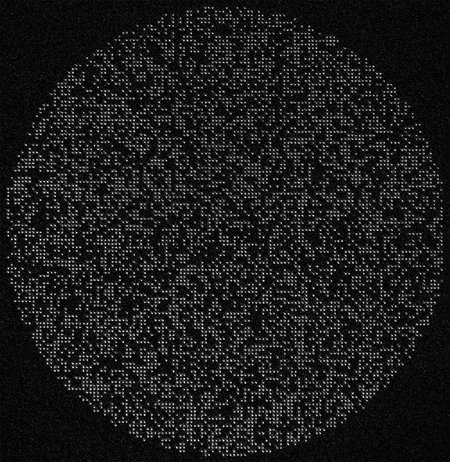
Quantum computers will need large numbers of qubits to tackle challenging problems in physics, chemistry, and beyond. Unlike classical bits, qubits can exist in two states at once—a phenomenon called superposition. This quirk of quantum physics gives quantum computers the potential to perform certain complex calculations better than their classical counterparts, but it also means the qubits are fragile. To compensate, researchers are building quantum computers with extra, redundant qubits to...
This week in nanotech
$109M raised
3 funding rounds · 18 deals tracked
New products
 Nion-compatible In Situ STEM Holders for Electrical BiasingHummingbird Scientific Featured
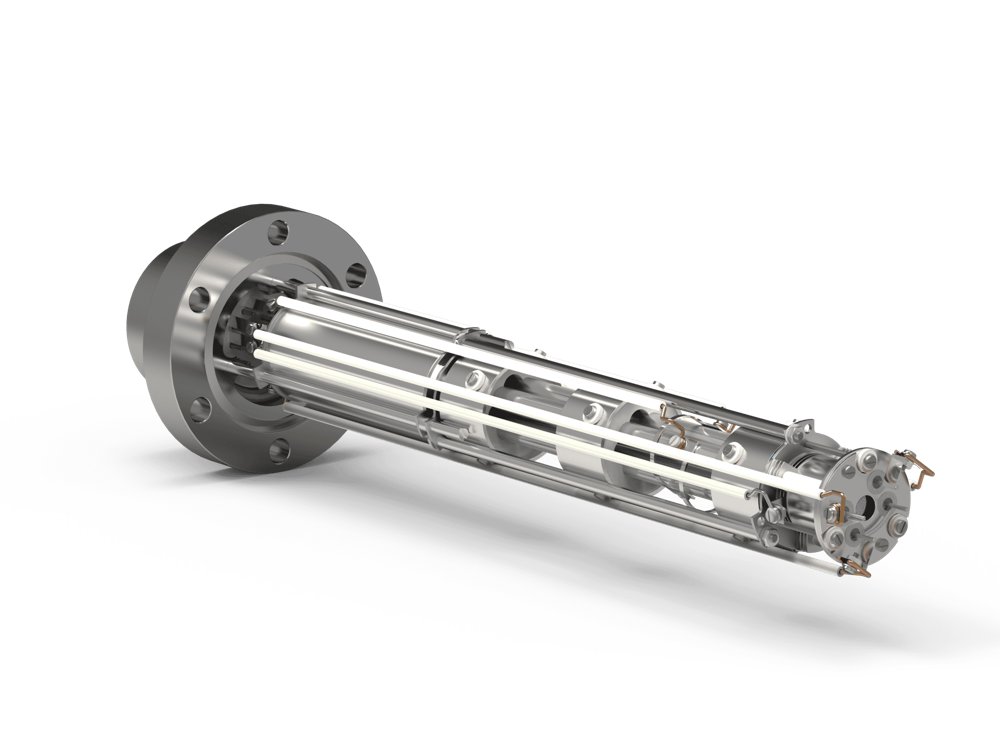 DLS-1 Mass Spectrometer for Fusion Gas AnalysisHiden Analytical Featured
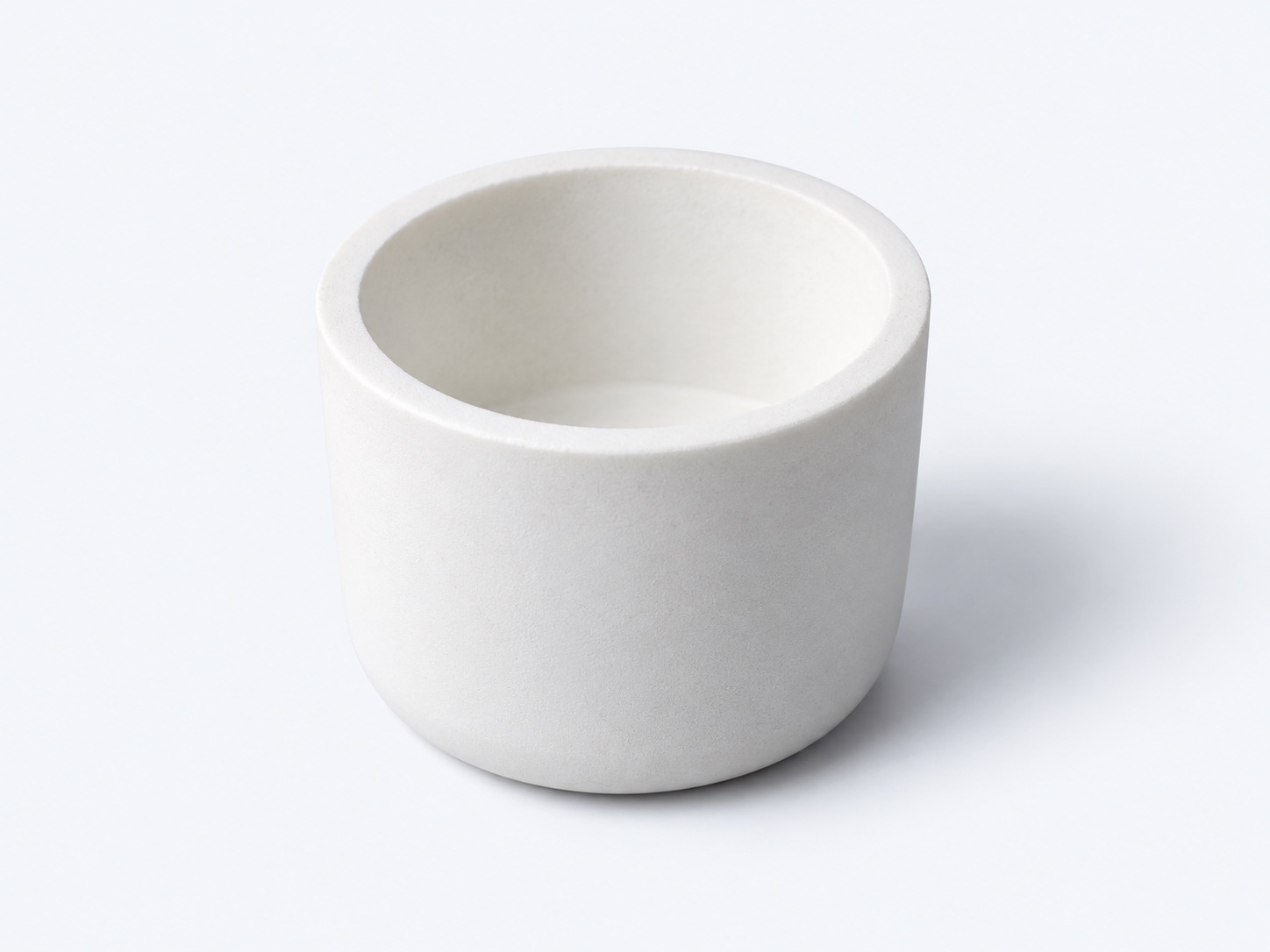 CruciblesBasis Materials
Market insights
Last 30 days: Semiconductors & Electronics drew the most money: $545M.
Money raised per month