DGIST (Daegu Gyeongbuk Institute of Science and Technology)
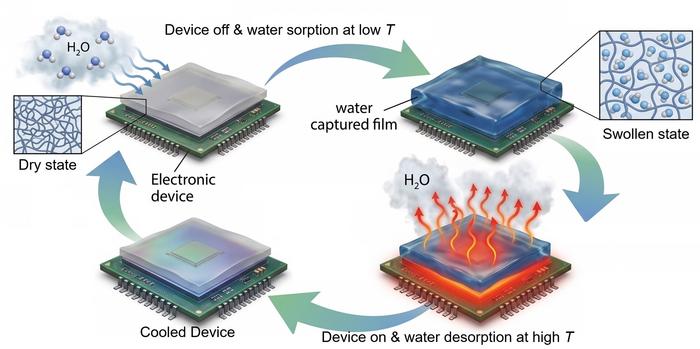
A research team led by Professor Seong Kyun Kim of the Department of Physics and Chemistry at DGIST (President Kunwoo Lee) has developed a next-generation “passive cooling film material” that utilizes moisture in the air to cool electronic devices —no water or electricity is required. The technology is drawing attention as a promising, environmentally friendly solution to thermal management challenges in AI data centers, mobile devices, and electric vehicle (EV) batteries, which consume substantial water and electricity.
Recent advances in AI technology have driven the surge in data centers, and securing the electricity and water resources required for their thermal management has emerged as a global challenge. Likewise, mobile devices and EV batteries require technologies that can efficiently dissipate heat within confined spaces. However, conventional active cooling methods that operate pumps or fans require electrical energy and a coolant (water), and their complex systems entail significant maintenance costs.
Accordingly, passive cooling technologies that require no external energy input—particularly, evaporative cooling technologies that utilize airborne moisture—have emerged as an alternative. However, as most conventional hygroscopic materials—that is, materials that absorb moisture—are rigid crystalline solids, they do not adhere firmly to the surfaces of electronic devices, and induce corrosion. These are significant limitations to their commercialization.
Professor Seong Kyun Kim’s research team achieved a major breakthrough in addressing these limitations by combining “nanocellulose,” which possesses excellent moisture storing capacity, with organic ionic molecules with robust hygroscopic properties to synthesize a novel flexible, adhesive film material.
The developed material maintains strong adhesion and flexibility even when completely dry, enabling firm, gap-less adherence to various electronic device surfaces, including metals, semiconductors, and glass. Even in dry environments, it absorbs and stores substantial airborne moisture, which evaporates when the device generates heat during operation, thereby lowering the surface temperature in real time. A key advantage of the material is that it does not induce corrosion despite containing moisture, enabling direct application to device surfaces without any additional coating.
When the research team tested the film under actual conditions of continuous electronic device operation, the developed film material demonstrated exceptional cooling performance, stably reducing the device’s surface temperature by up to 18.2°C (from 72.3°C to 54.1°C) for more than 12 hours.
“The significance of this study goes beyond merely developing an environmentally friendly material. It simultaneously addresses multiple limitations of conventional passive cooling materials, including corrosiveness and insufficient flexibility and adhesion,” explained Professor Seong Kyun Kim of the Department of Physics and Chemistry at DGIST.
This research was led by doctoral student Hyeondo Kim of the Department of Physics and Chemistry, with support from the Ministry of Science and ICT’s Individual Basic Research Program and the DGIST International Joint Research Program. The findings were published in the internationally renowned journal Small Structures in September 2026.
Reference
All Bio‐Based Noncorrosive Hygroscopic Hydrogel Enables Passive Cooling of Electronic Devices
Hyeondo Kim, Deok Jun Hwang, Na Kyung Kim, Taewon Kang, Soobeen Kim, and Seong Kyun Kim
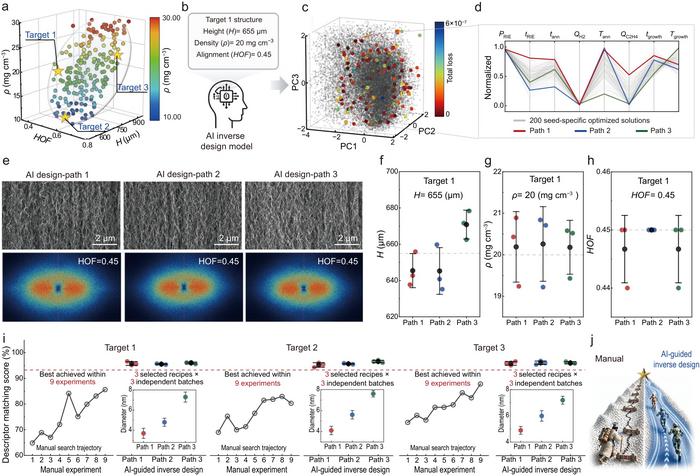
An AI-assisted inverse-design framework has identified multiple distinct growth recipes that reach the same prescribed height, density and alignment in carbon nanotube forests. Trained on 200 water-assisted chemical vapour deposition experiments, the model searched backward from structural targets; 26 of 27 validation batches scored above 95% descriptor matching, yet nanotube diameters and wall structures differed.
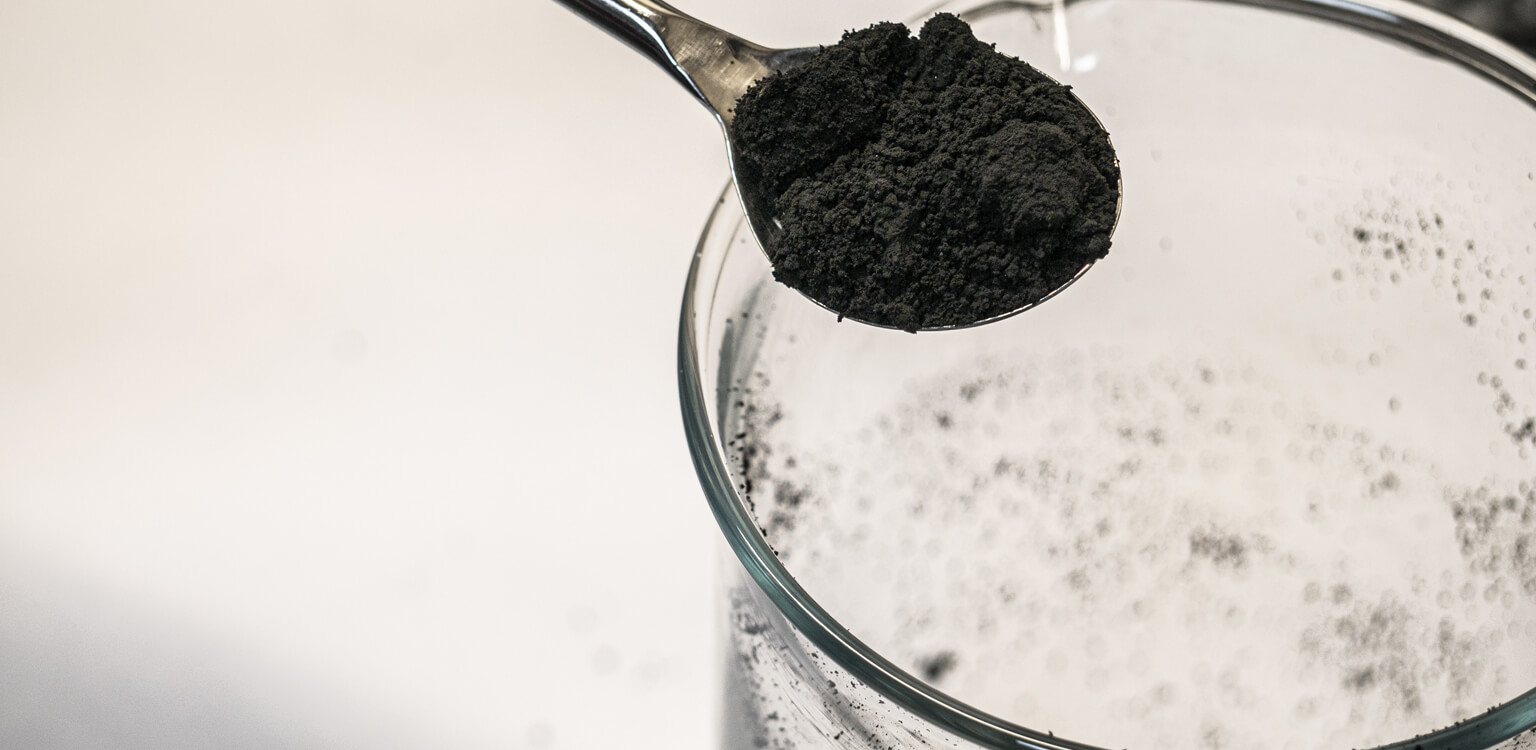
Nanomate by Phi4tech has announced carbon nanomaterials for polymer composites, including carbon nanofibers, reduced graphene oxide, and graphene oxide with metal nanoparticles. The company says these improve mechanical, electrical, and thermal properties.
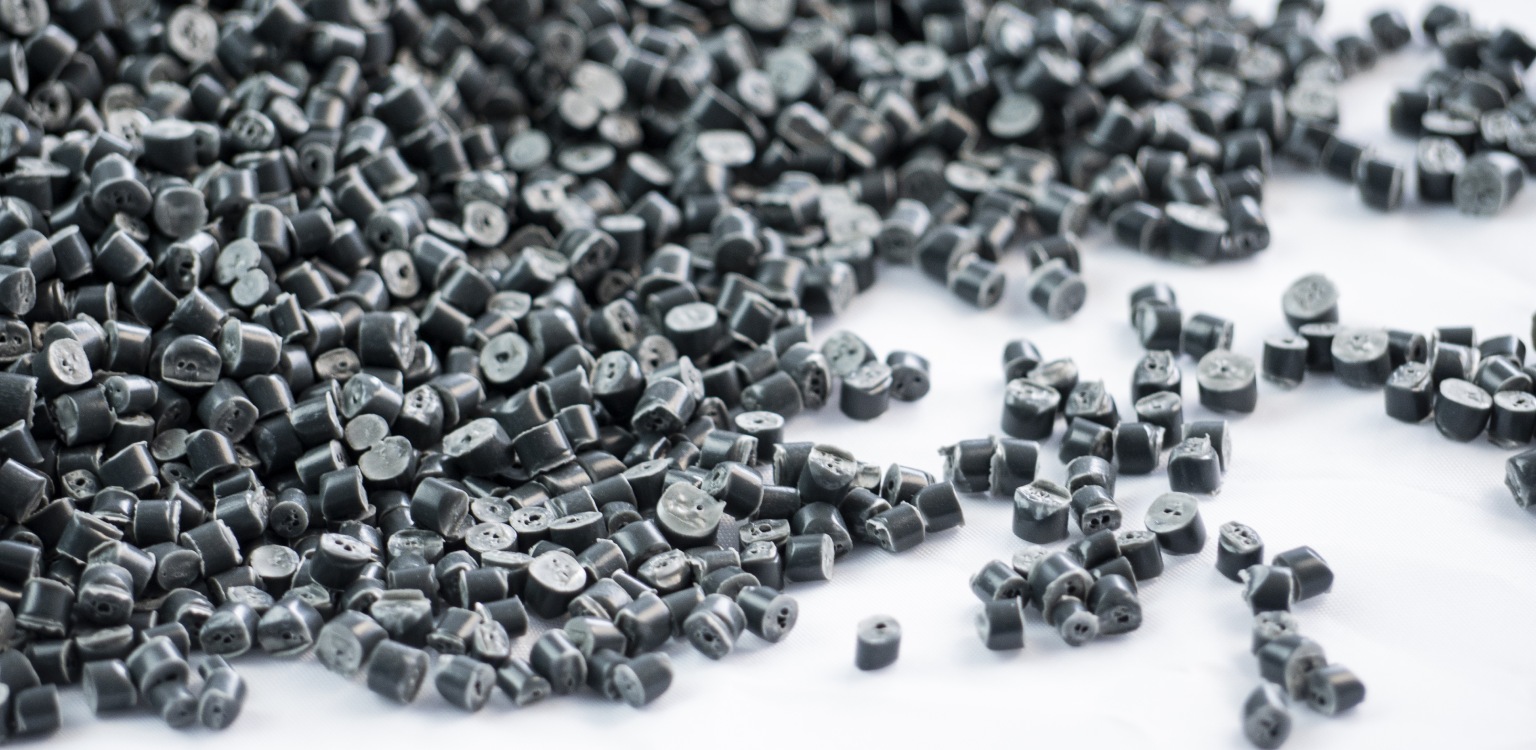
Nanomate has developed carbon nanomaterials for large-scale manufacturing that improve the mechanical properties of plastics by up to 30%, according to the company. The nanomaterials also provide electrical, thermal and bactericidal improvements.






