
Nanomate by Phi4tech has announced a range of carbon nanomaterials for polymer composites. The products are carbon nanofibers, reduced graphene oxide and graphene oxide with metal nanoparticles.
The company states that adding carbon nanofibers to composites increases strength and stiffness while keeping the material lightweight. It says these composites suit aerospace, automotive and construction uses.
According to the company, reduced graphene oxide provides electrical and thermal conductivity and can be used in electronic devices and energy storage systems. Graphene oxide with metal nanoparticles can give composites magnetic, optical or catalytic properties for medicine, electronics and renewable energy.
Nanomate also states that its materials reduce the need for traditional materials and lower environmental impact. Their low weight contributes to energy efficiency, lowering fuel consumption in transport applications.
The company describes itself as leading this transformation and says it provides solutions for many markets.
Source: Nanomate by Phi4tech news
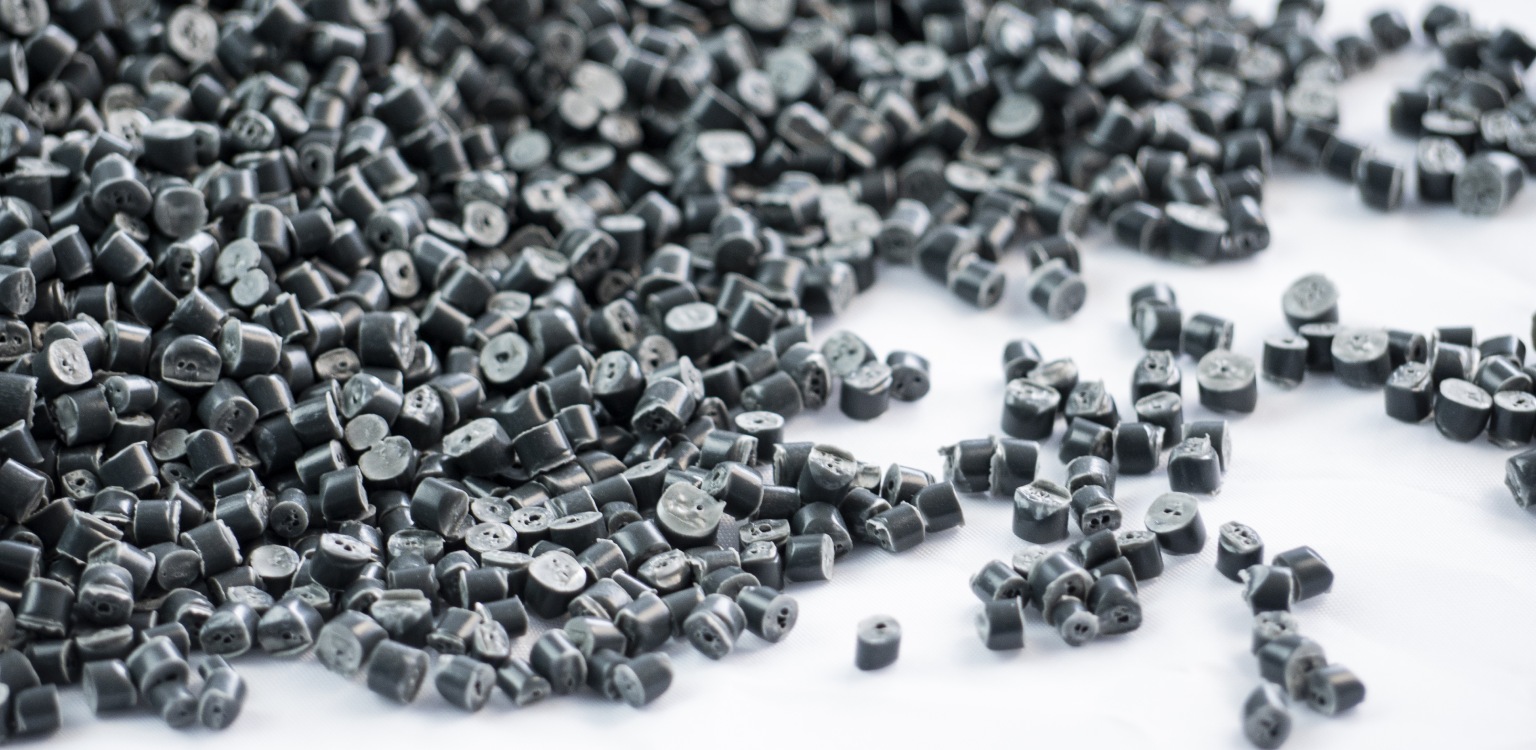
Nanomate has developed carbon nanomaterials for large-scale manufacturing that improve the mechanical properties of plastics by up to 30%, according to the company. The nanomaterials also provide electrical, thermal and bactericidal improvements.
AIST and HORIBA, Ltd. have jointly established the HORIBA Institute for Particle Analysis in AIST TSUKUBA (HIPAA) under the National Metrology Institute of Japan, AIST. HIPAA has conducted operations since February 1, 2021.
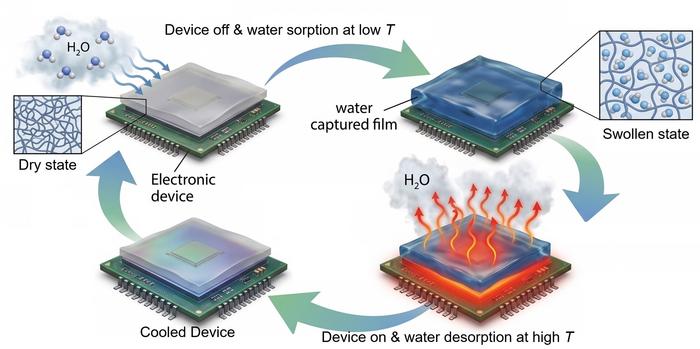
A DGIST team has synthesized a flexible, adhesive passive cooling film that combines nanocellulose with organic ionic molecules to harvest airborne moisture. The material stays tacky and flexible when dry, bonds gap-free to metals, semiconductors and glass, and avoids the corrosion that limits rigid hygroscopic solids.






