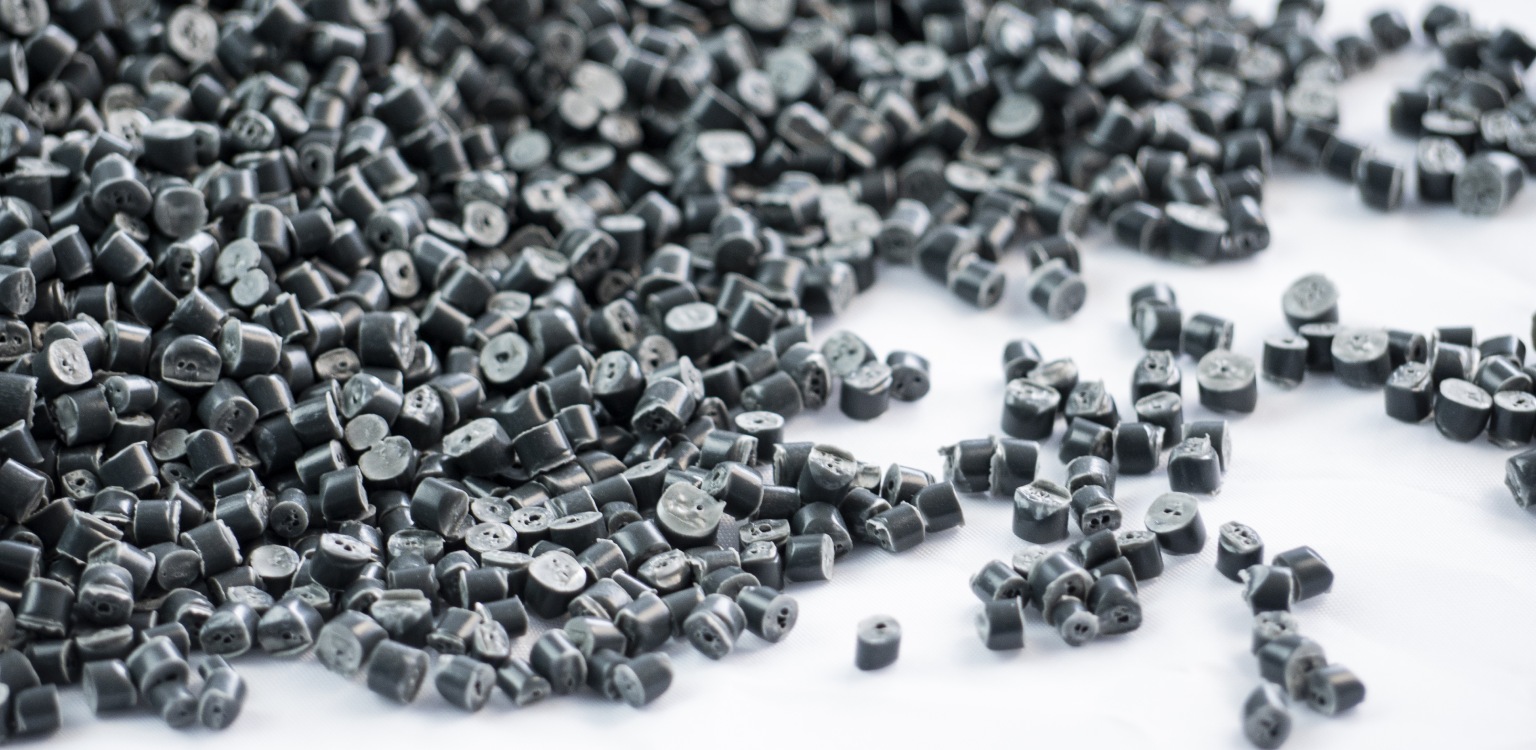
Nanomate has developed carbon nanomaterials for large-scale manufacturing that improve the properties of plastics. The company announced the products in a statement from Marta González, Smart Materials Manager.
According to the company, the carbon nanomaterials can improve the mechanical properties of plastics by up to 30%. Final products are more resistant, durable and able to withstand the demands of applications from data centers to the motor industry and battery manufacturing.
The nanomaterials also provide improvements in electrical and thermal properties, making them suitable for applications that require electrical conductivity or heat resistance. Nanomate has also developed nanomaterials with bactericidal properties for industries where hygiene is key and the reduction of microorganisms is a requirement.
The company states that the property improvements are maintained even in recycled and economical plastics. This supports a more circular economy where materials can be reused and recycled without compromising performance.
Nanomate says it is committed to sustainable innovation and to contributing to a more environmentally responsible plastics industry.
Source: Nanomate news
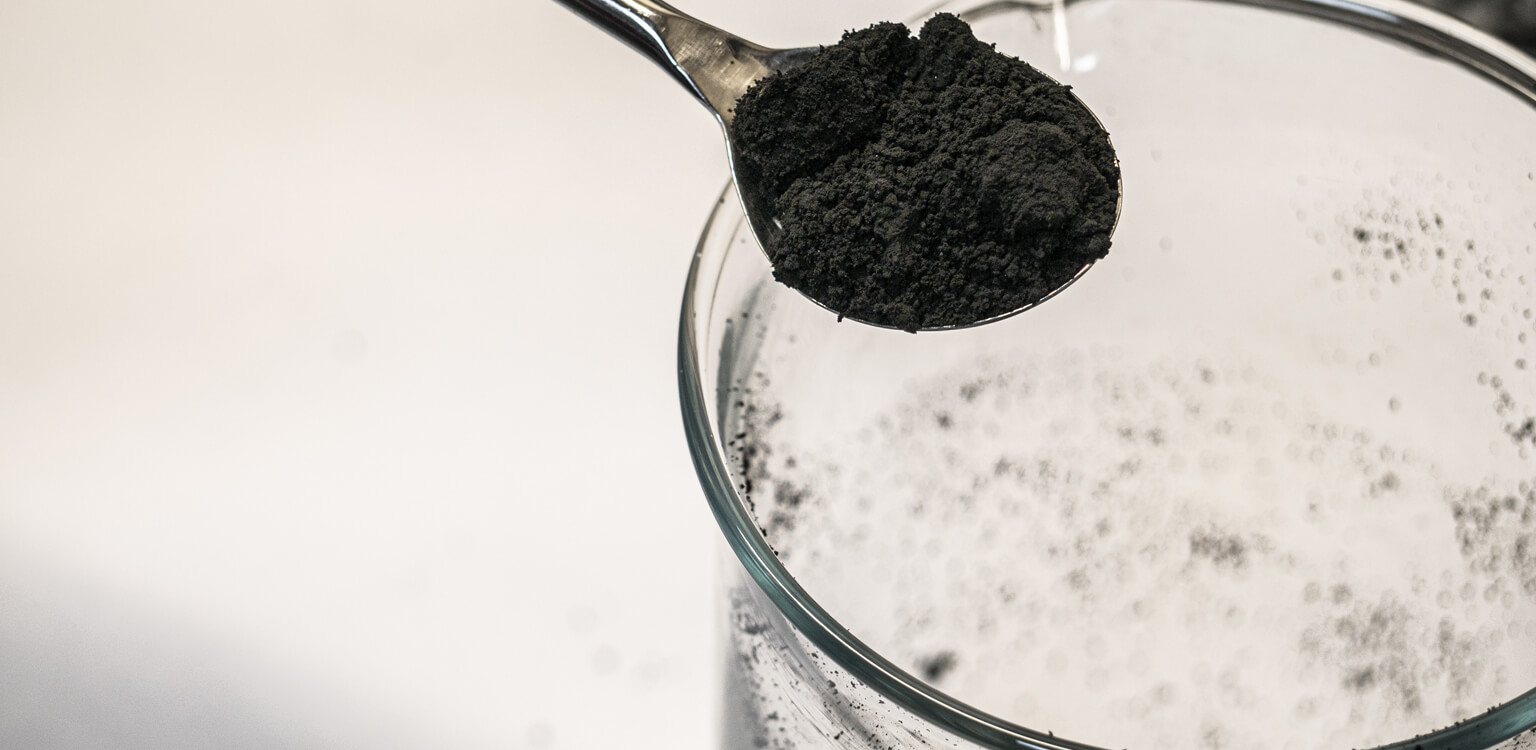
Nanomate by Phi4tech has announced carbon nanomaterials for polymer composites, including carbon nanofibers, reduced graphene oxide, and graphene oxide with metal nanoparticles. The company says these improve mechanical, electrical, and thermal properties.
AIST and HORIBA, Ltd. have jointly established the HORIBA Institute for Particle Analysis in AIST TSUKUBA (HIPAA) under the National Metrology Institute of Japan, AIST. HIPAA has conducted operations since February 1, 2021.
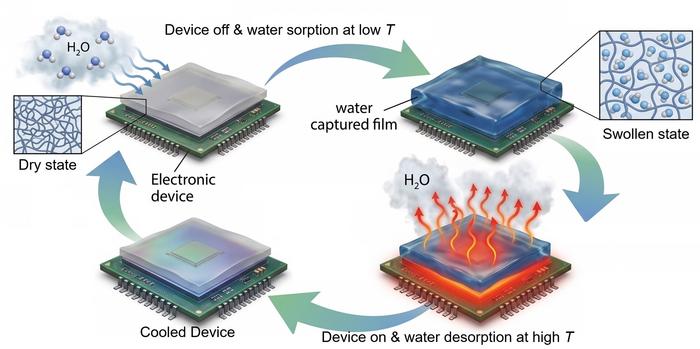
A DGIST team has synthesized a flexible, adhesive passive cooling film that combines nanocellulose with organic ionic molecules to harvest airborne moisture. The material stays tacky and flexible when dry, bonds gap-free to metals, semiconductors and glass, and avoids the corrosion that limits rigid hygroscopic solids.






