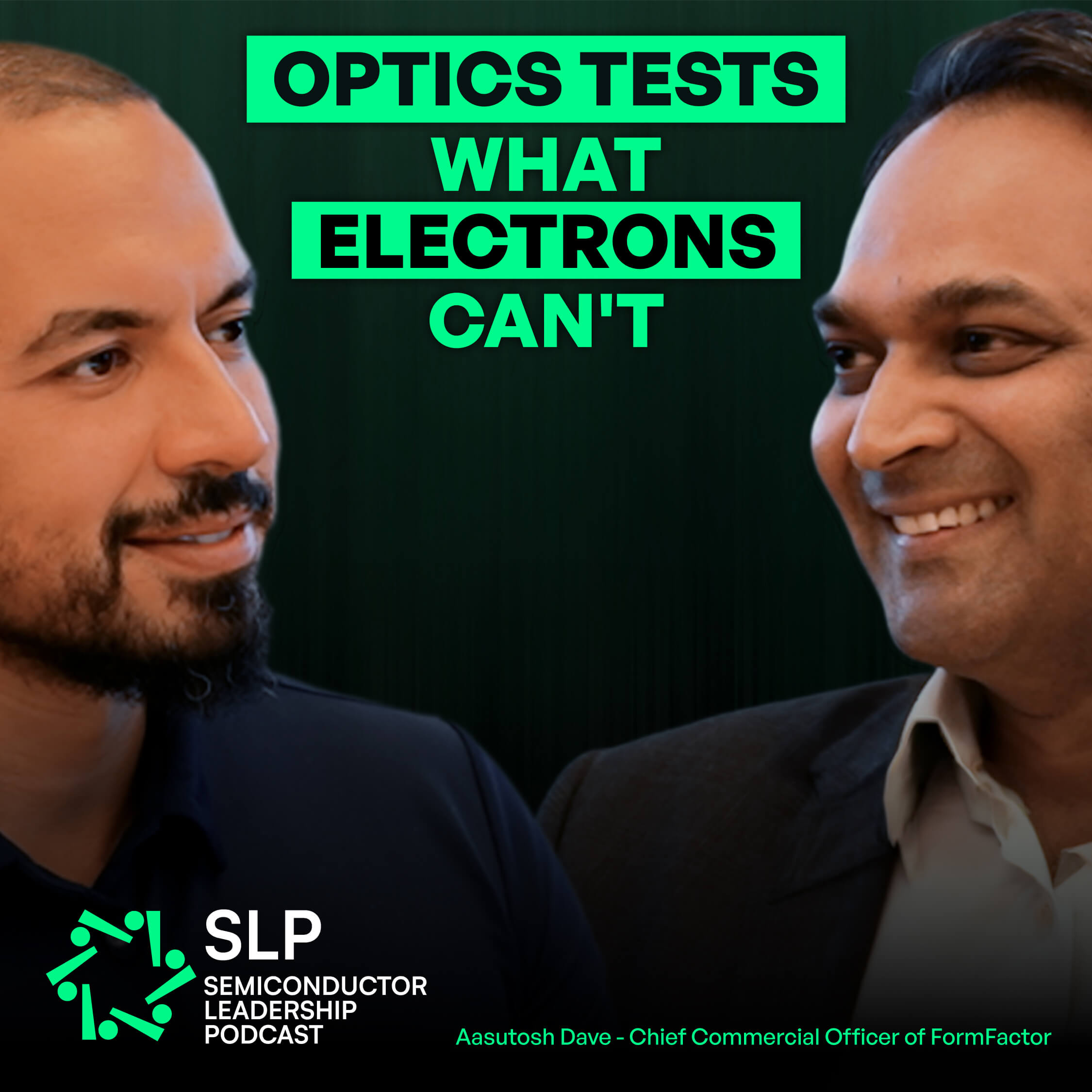
23 October 2026. FormFactor Chief Commercial Officer Aasutosh Dave discussed capacity and technology scaling in semiconductor test on a recent episode of the Semiconductor Leadership Podcast with host Salah Nasri. The episode was published on October 23, 2026.
Dave said demand is unprecedented and that capacity constraints are real. He said customers want capacity with the right technology, not capacity alone. Advanced chips bring higher current requirements, hybrid and copper bonding, different pad structures, and more complex memory and high-performance computing stacks, which create new test challenges.
Dave cited the ramp of FormFactor's new manufacturing facility in Farmers Branch, Texas, as one example of expanding capacity. He said test is no longer an isolated step and that probe and interface technology, automated test equipment and the rest of the test infrastructure must evolve with the devices and packages they serve. FormFactor works with an open ecosystem of partners, including Advantest and Teradyne.
Dave named silicon photonics as the shift in semiconductor test that most people are not paying attention to. He said optics are moving into the mainstream as data rates become more challenging. FormFactor calls the progression from R&D to production lab to fab. TRITON, FormFactor's production-ready silicon photonics test cell, was developed with Advantest and Tokyo Electron (TEL). It combines optical and electrical test at the wafer level for high-volume manufacturing.
Asked whether that shift is still years away, Dave said: "It s already happening right now." He said the same approach applies to technologies still in research, such as quantum computing: lay the foundation early and work closely with customers.
Dave also said close engagement with test suppliers has become more common as the cost of test and the cost of yield loss rise. "We are no longer a commodity," he said.
Source: FormFactor Inc. news
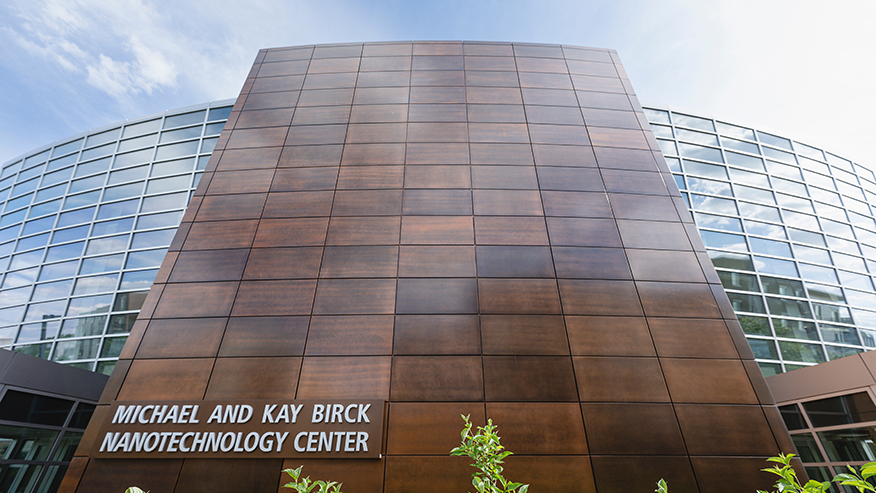
Purdue University and GlobalFoundries have formalized a master research agreement, building on a partnership begun in 2022 to give both organizations a streamlined framework for launching collaborative projects quickly. Work already under way spans semiconductor technologies, AI hardware, silicon photonics and chip security.
ZuriQ and Rhonexum have signed a multi-year commercial framework agreement for cryogenic integrated-circuit technologies and customization services. A first quantity of Rhonexum's inaugural product is scheduled for delivery by the end of this year.

Researchers at Columbia University have observed electron waves trapped in place within a metal, Pd5AlI2, the first clear evidence of a bound state in the continuum for electrons. Destructive quantum interference among competing atomic hopping paths holds the waves at crystal defects, even though metals normally let electrons roam freely. The finding offers a new route to manipulating quantum states in metals.
This week in nanotech
$108.5M raised
8 funding rounds · 46 deals tracked
New products
 Ti-WCMBN Nanomaterialia Featured
 Nion-compatible In Situ STEM Holders for Electrical BiasingHummingbird Scientific Featured
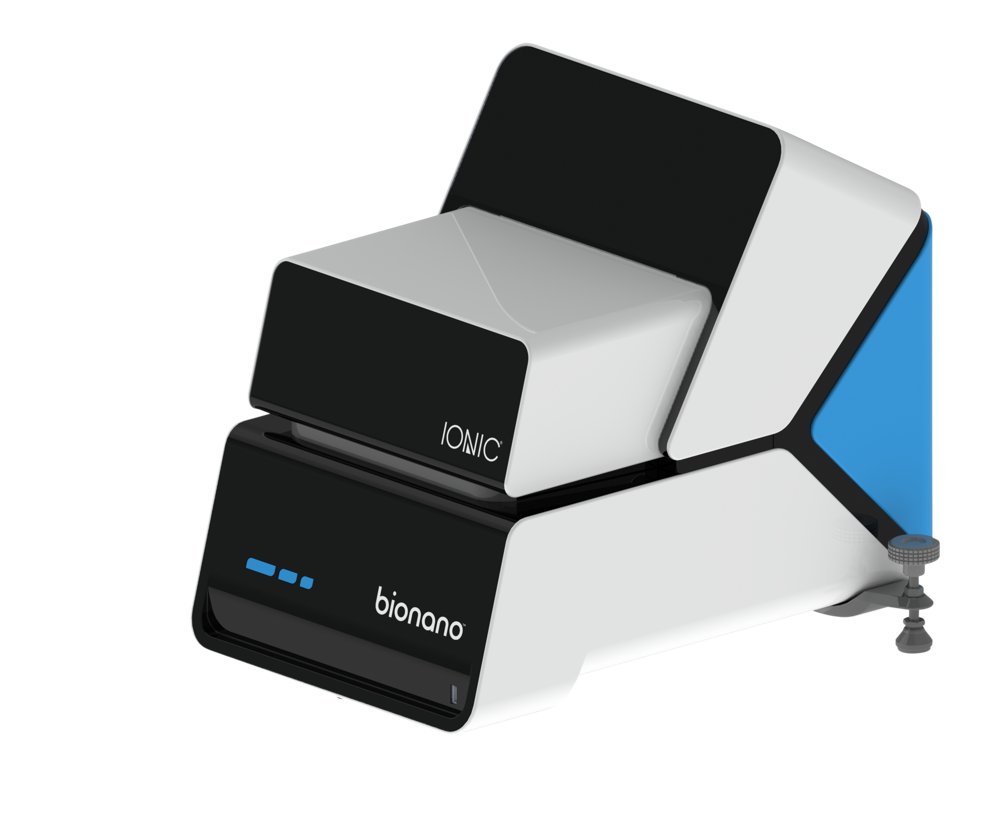 Ionic® Purification SystemBionano Genomics, Inc.
Market insights
Last 30 days: Quantum Technologies drew the most money: $3.17B.
Money raised per month
Behind the deal
Who invested in Vertical Semiconductor’s $73M Grant?
See the investors with Insights Pro →