Zurich, 22 October 2026. ZuriQ and Rhonexum have announced a multi-year commercial framework agreement. Under the agreement, Rhonexum will supply cryogenic integrated-circuit technologies and customization services to ZuriQ, which will evaluate the potential of each solution to advance its trapped-ion quantum computing roadmap.
The agreement establishes a framework for future orders, product deployments and technical collaboration. It has already resulted in a first quantity of Rhonexum's inaugural product, scheduled for delivery by the end of this year.
The companies said a longstanding challenge in scaling trapped-ion quantum computing is reducing the overhead in control signals per qubit that travel from room-temperature sources into a cryogenic environment. ZuriQ's architectural advances and Rhonexum's cryogenic electronics are intended to enable denser qubit arrays while retaining flexible reconfiguration capabilities.
The agreement extends beyond a traditional customer-supplier relationship and includes long-term technical cooperation. ZuriQ will have privileged access to selected Rhonexum technologies and future product developments, while feedback from ZuriQ will help Rhonexum shape future products for trapped-ion quantum computing applications.
"We are pleased to formalize our collaboration with Rhonexum through this multi-year commercial agreement," said Pavel Hrmo, CEO of ZuriQ. "The partnership combines highly complementary capabilities and gives us access to specialized cryogenic electronics technologies that support our future deployment roadmap."
"This agreement is a significant milestone for Rhonexum, as I strongly believe partnerships between hardware innovators are increasingly important to bridge the gap between R&D efforts and breakthroughs and commercial adoption," said Vicente Carbon, CEO of Rhonexum. ZuriQ is based in Zurich and spun out of ETH Zurich in 2024. Rhonexum, a spin-out from the AQUA Lab at EPFL, was founded in Lausanne in 2025.
Source: ZuriQ news
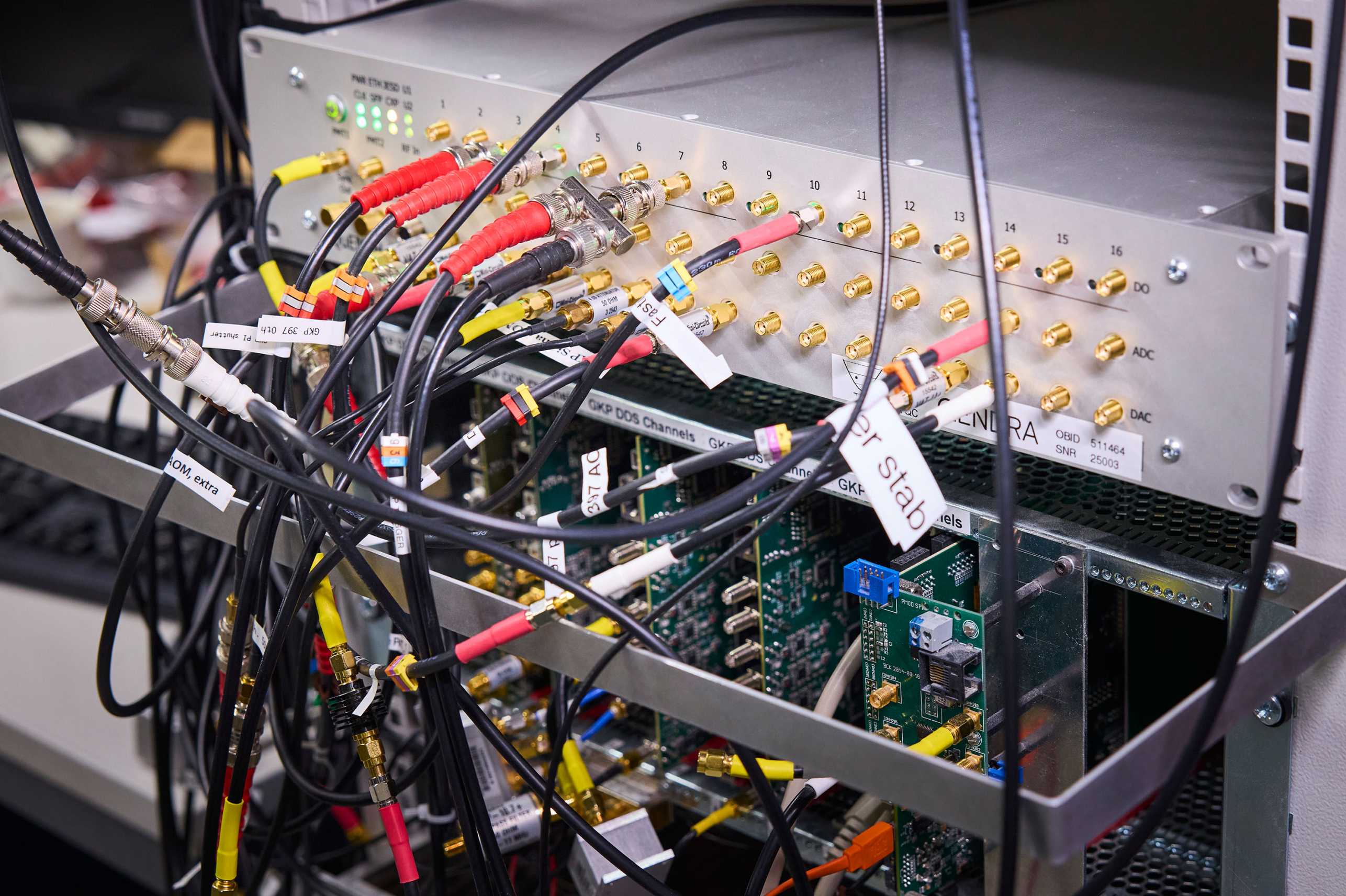
Qendra, an ETH Zurich spin-off, is building a compact control system that generates and coordinates the radio-frequency and laser signals driving trapped-ion and neutral-atom qubits. The device synchronises lasers, cameras and detectors and can evaluate measurements continuously to trigger corrective pulses during a calculation, addressing the lack of real-time error correction in existing controllers.
IonQ and the University of Cambridge have opened the first-ever university-based IonQ Quantum Innovation Centre at the Ray Dolby Centre, home of the Cavendish Laboratory. The Centre includes nine inaugural research projects.
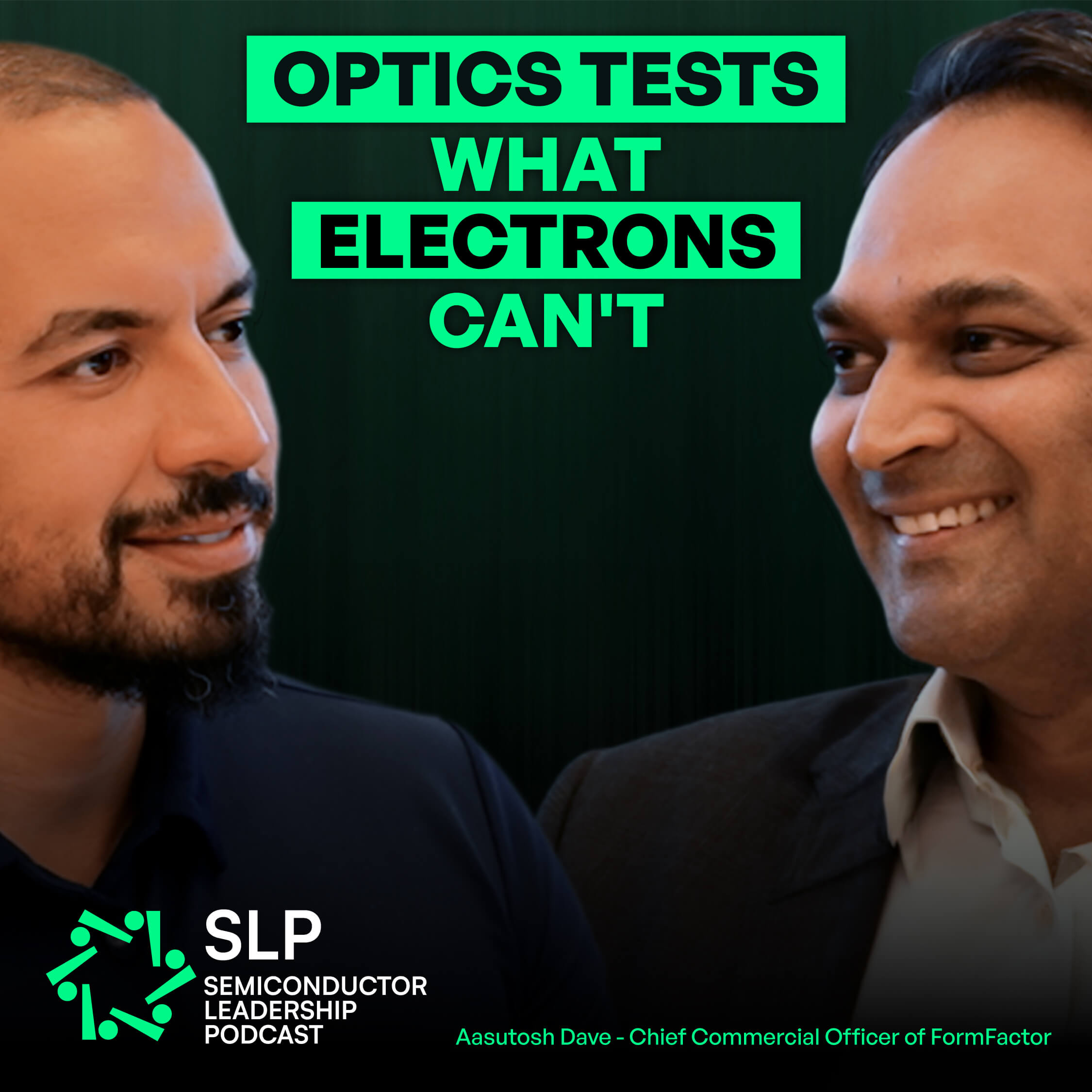
FormFactor CCO Aasutosh Dave discussed capacity constraints, silicon photonics test and the TRITON test cell on the Semiconductor Leadership Podcast episode published October 23, 2026.
This week in nanotech
$108.5M raised
8 funding rounds · 46 deals tracked
New products
 Ti-WCMBN Nanomaterialia Featured
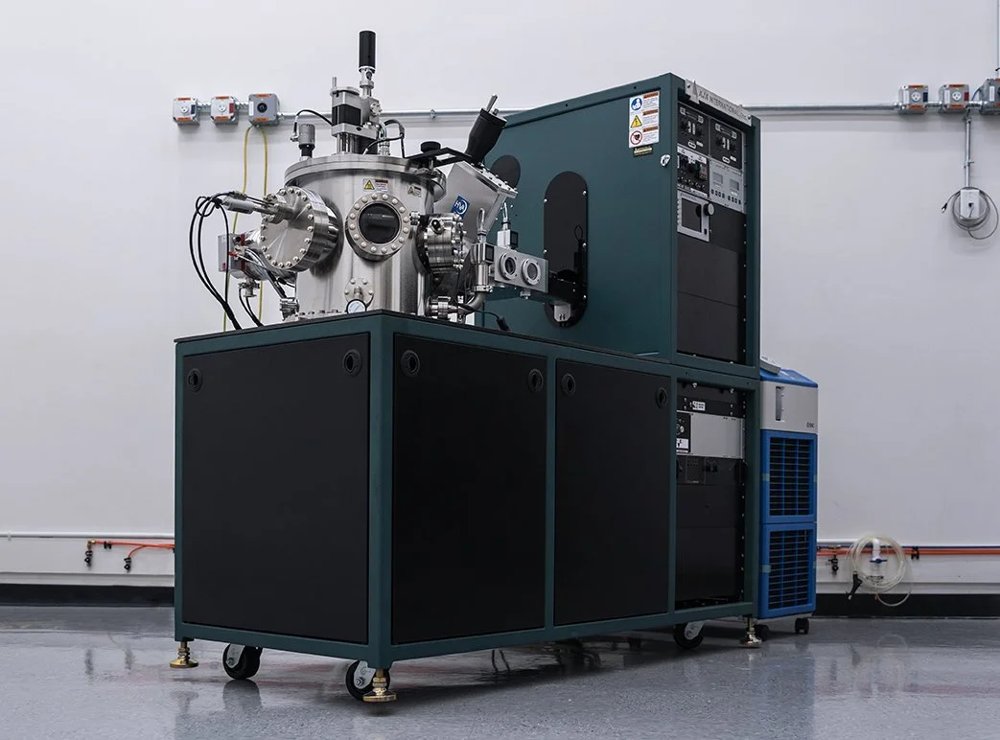 Orion Sputtering Deposition SystemsAJA International Featured
 GiiiGii
Market insights
Last 30 days: Quantum Technologies drew the most money: $3.17B.
Money raised per month
Behind the deal
Who led Xanadu Quantum Technologies Limited’s $10M Grant?
See the investors with Insights Pro →