Orlando, 22 October 2026. Hesperos, Inc. has been awarded a Small Business Innovation Research (SBIR) Phase II grant (R44AI197758) from the National Institute of Allergy and Infectious Diseases (NIAID). The Orlando, Florida company will use the award to expand its phenotypic Malaria-on-a-Chip platform and improve its physiological relevance as a human-based preclinical platform for therapeutic development.
The work builds on results previously published in Scientific Reports and Advanced Science. The enhanced platform reproduces the parasite lifecycle and evaluates therapeutic response without animal models.
According to the release, the platform accommodates fully viable, replicating parasite strains. This differs from controlled human malaria infection (CHMI) clinical studies, which rely on weakened, non-replicating strains. The system allows tracking of real-time replication rates, organ parasite burden and parasite recrudescence.
The platform also recreates infected erythrocyte sequestration and parasite-induced immune responses, and allows evaluation of parasite clearance and multi-organ toxicity together under sequential dosing regimens and combination therapies. It integrates a therapeutic delivery method with predictive pharmacokinetic/pharmacodynamic (PK/PD) modeling to translate in vitro findings into in vivo outcomes.
The release states that malaria accounted for more than 280 million cases and roughly 610,000 deaths worldwide in 2024, according to the World Health Organization. It cites animal models that often fail to capture human-specific immune reactions, organ toxicities or parasite biology, and the limit of CHMI trials to attenuated strains.
"Bridging the gap between preclinical studies and clinical reality is one of the toughest challenges in infectious disease research. By expanding our platform to support viable, replicating strains while capturing sequestration and multi-organ responses, we can provide developers with predictive PK/PD data that significantly de-risks new antimalarial therapies and speeds effective solutions to patients worldwide" said James J. Hickman, PhD, Chief Scientist at Hesperos, Inc.
Source: Hesperos Inc. news
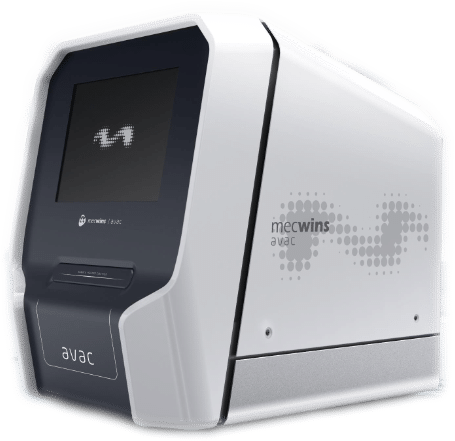
Mecwins has described its AVAC technology, which labels target proteins with plasmonic nanoparticles and counts each one individually by dark-field micro-spectrophotometry. The AVAC Analyzer reaches femtogram-range sensitivity.
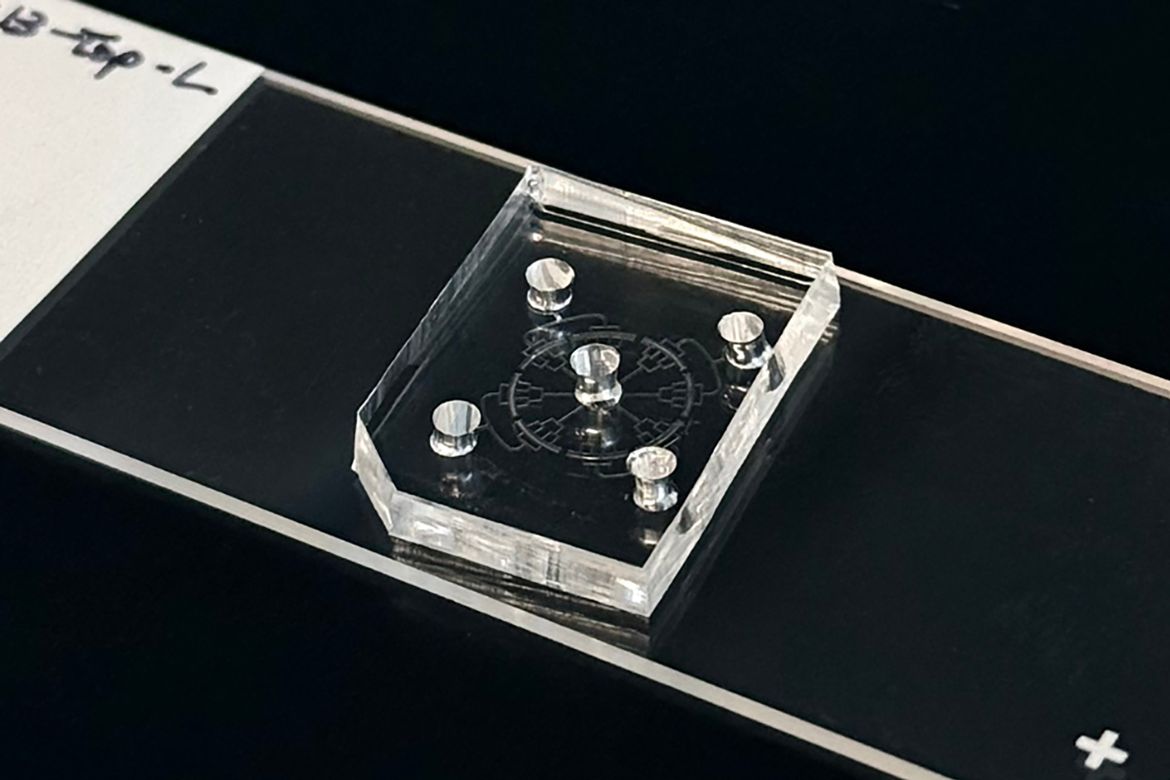
UCLA researchers have shown that briefly squeezing a cell's nucleus for milliseconds can loosen tightly packed DNA and make CRISPR activation far more effective at reprogramming cell identity. After mapping which genomic regions opened, they aimed guide RNAs at those sites, raising the share of mouse skin cells converted to neurons from about 3% to 10%. Adding a priming step that activated Oct4 pushed conversion to roughly 40%.
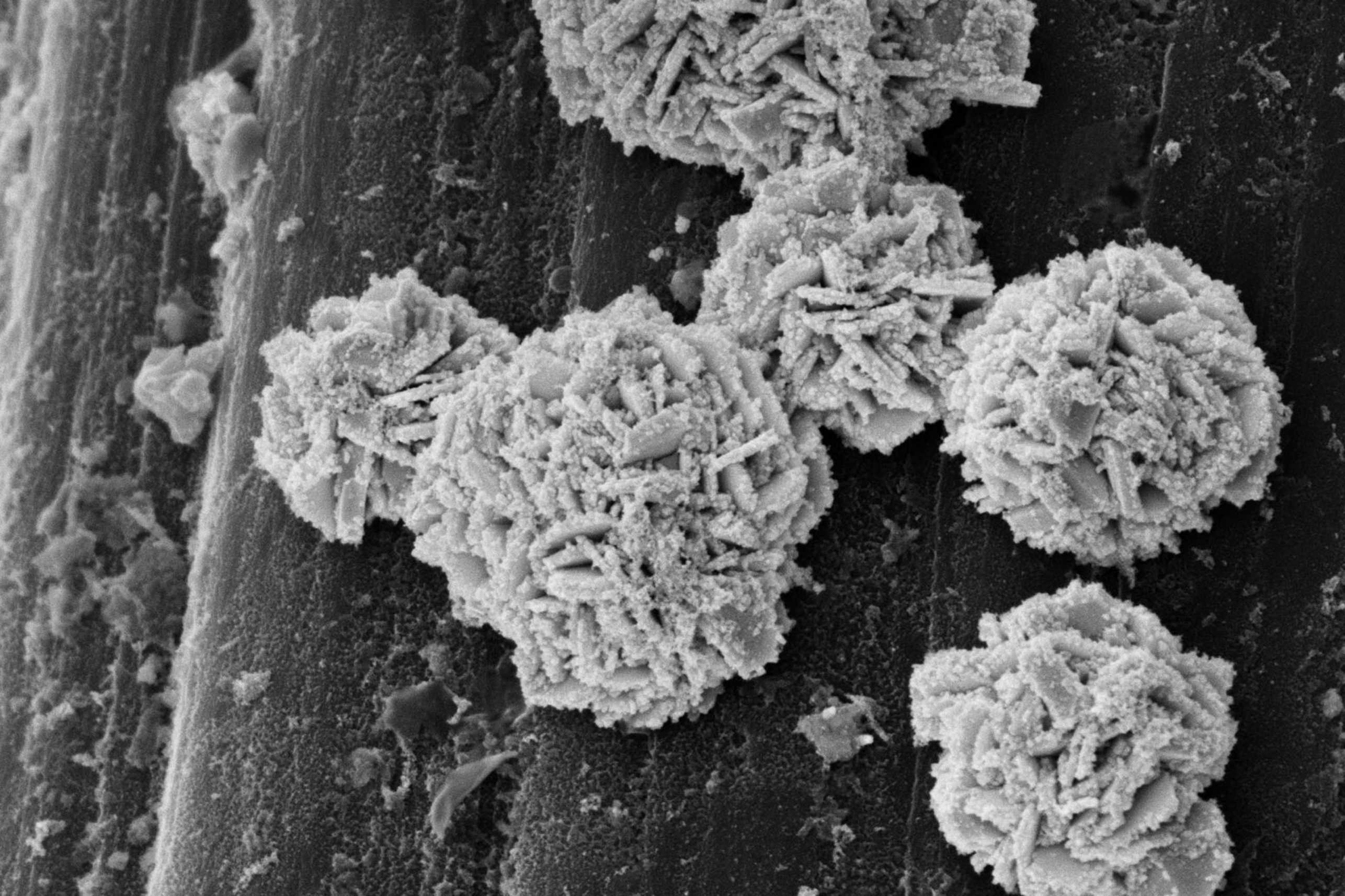
ETH Zurich researchers led by Martin Fussenegger have built an implantable device that lowers blood glucose using an inorganic catalyst of gold nanoclusters and platinum particles on graphite felt, requiring no cells or enzymes. A glucose sensor triggers the catalyst wirelessly to convert excess glucose into gluconate, which is excreted. In mice, blood sugar was precisely regulated over six weeks with weight loss and no tissue damage.
This week in nanotech
$108.5M raised
8 funding rounds · 46 deals tracked
New products
 Nion-compatible In Situ STEM Holders for Electrical BiasingHummingbird Scientific Featured
 Ti-WCMBN Nanomaterialia Featured
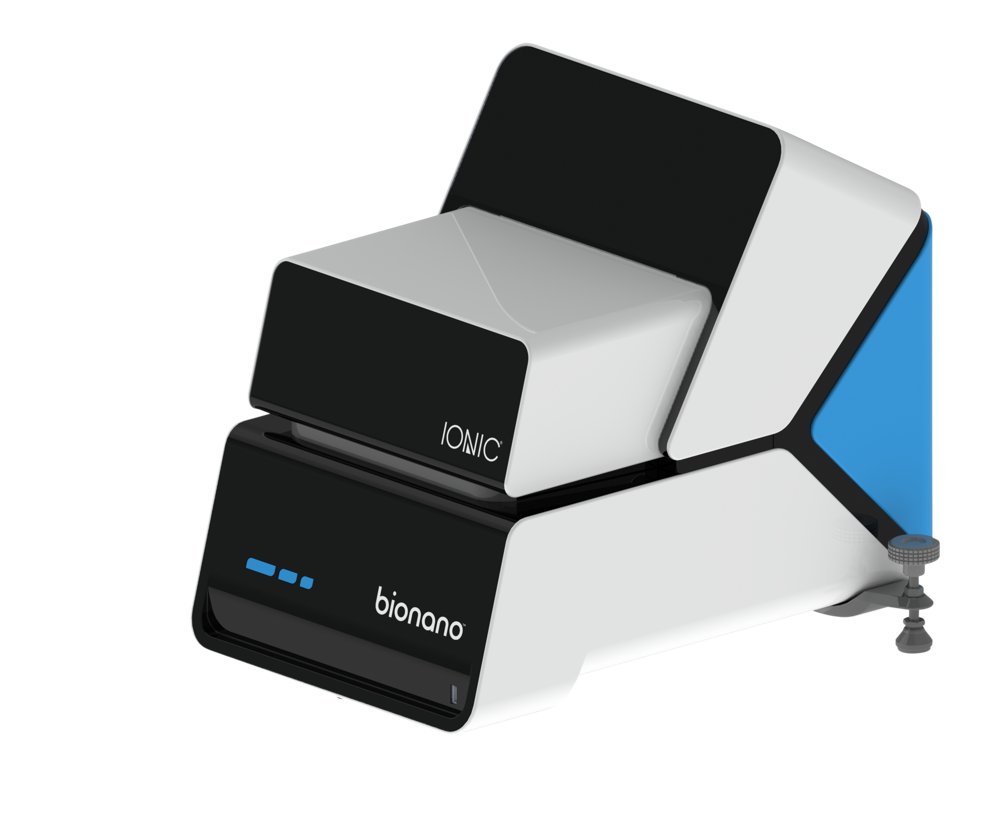 Ionic® Purification SystemBionano Genomics, Inc.
Market insights
Last 30 days: Quantum Technologies drew the most money: $3.17B.
Money raised per month
Behind the deal
Who led Xanadu Quantum Technologies Limited’s $10M Grant?
See the investors with Insights Pro →