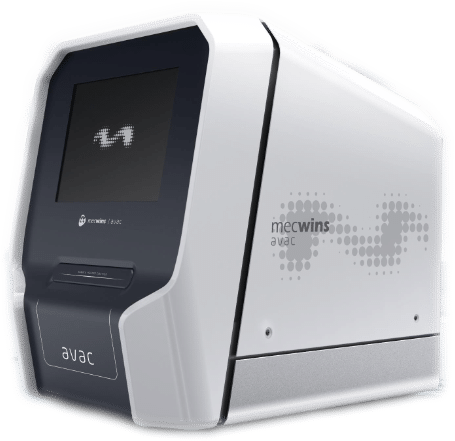
25 October 2026. Mecwins has described how its AVAC technology enables ultrasensitive immunoassays that detect proteins down to the femtogram-per-millilitre range. The company published the explanation of the method on October 25, 2026.
Conventional immunoassays such as standard ELISA report an average signal across an entire sample. As target concentrations fall, that averaged signal sinks into background noise, and the limit of detection is reached before biologically relevant low levels are captured. Mecwins states this affects biomarkers that circulate at pg/mL or below, including many cytokines, neurological and cardiac markers, and early tumour-associated proteins.
The AVAC technology applies single-molecule counting optically. Target proteins are captured and labelled with plasmonic nanoparticles. Each nanoparticle is then detected and counted individually by dark-field micro-spectrophotometry. Because the readout is a direct, single-particle digital count, the AVAC Analyzer reaches sensitivities in the femtogram range while keeping a simple workflow, according to the company.
Mecwins lists oncology, cardiology, neurology, immunology and infectious disease among the fields where ultrasensitive detection is used. The company says quantifying a protein previously below the limit of detection opens new windows for discovery and, ultimately, for clinical decision-making.
Mecwins invites researchers and clinical programmes evaluating ultrasensitive protein detection to contact its team about applying AVAC.
Source: Mecwins news
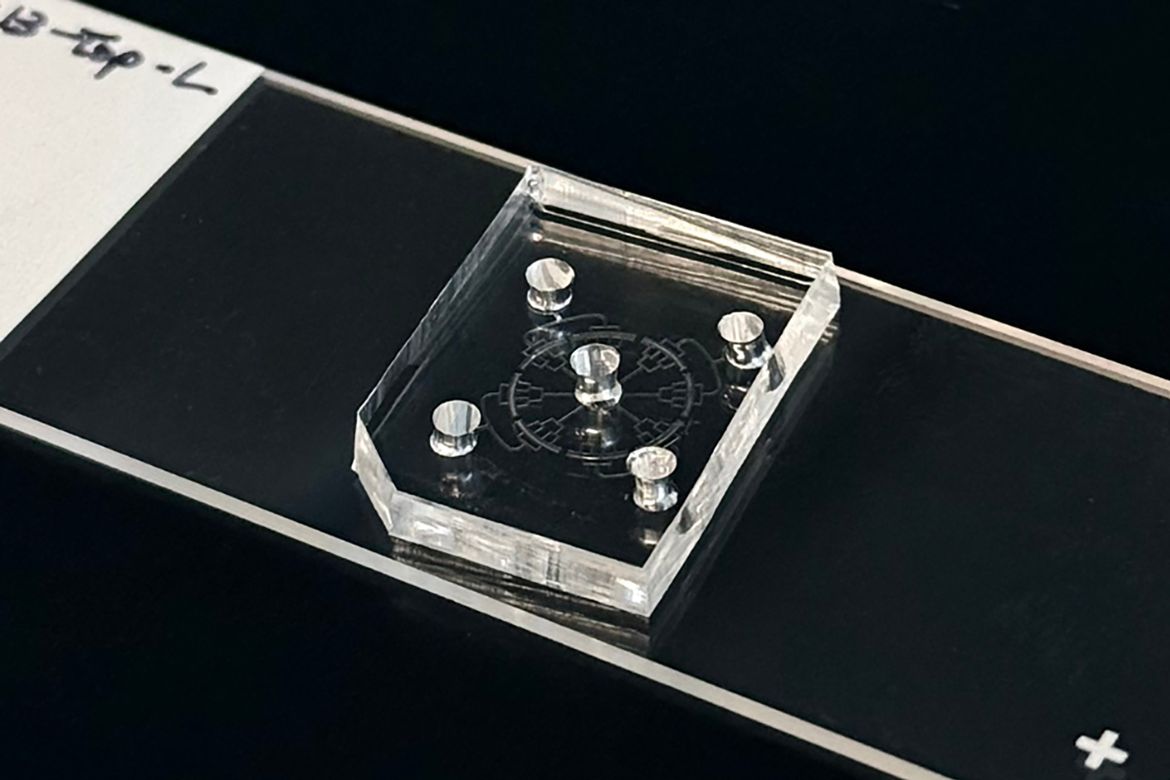
Hesperos has received an SBIR Phase II grant (R44AI197758) from NIAID to expand its Malaria-on-a-Chip platform, adding support for viable, replicating parasite strains and predictive PK/PD modeling.
UCLA researchers have shown that briefly squeezing a cell's nucleus for milliseconds can loosen tightly packed DNA and make CRISPR activation far more effective at reprogramming cell identity. After mapping which genomic regions opened, they aimed guide RNAs at those sites, raising the share of mouse skin cells converted to neurons from about 3% to 10%. Adding a priming step that activated Oct4 pushed conversion to roughly 40%.
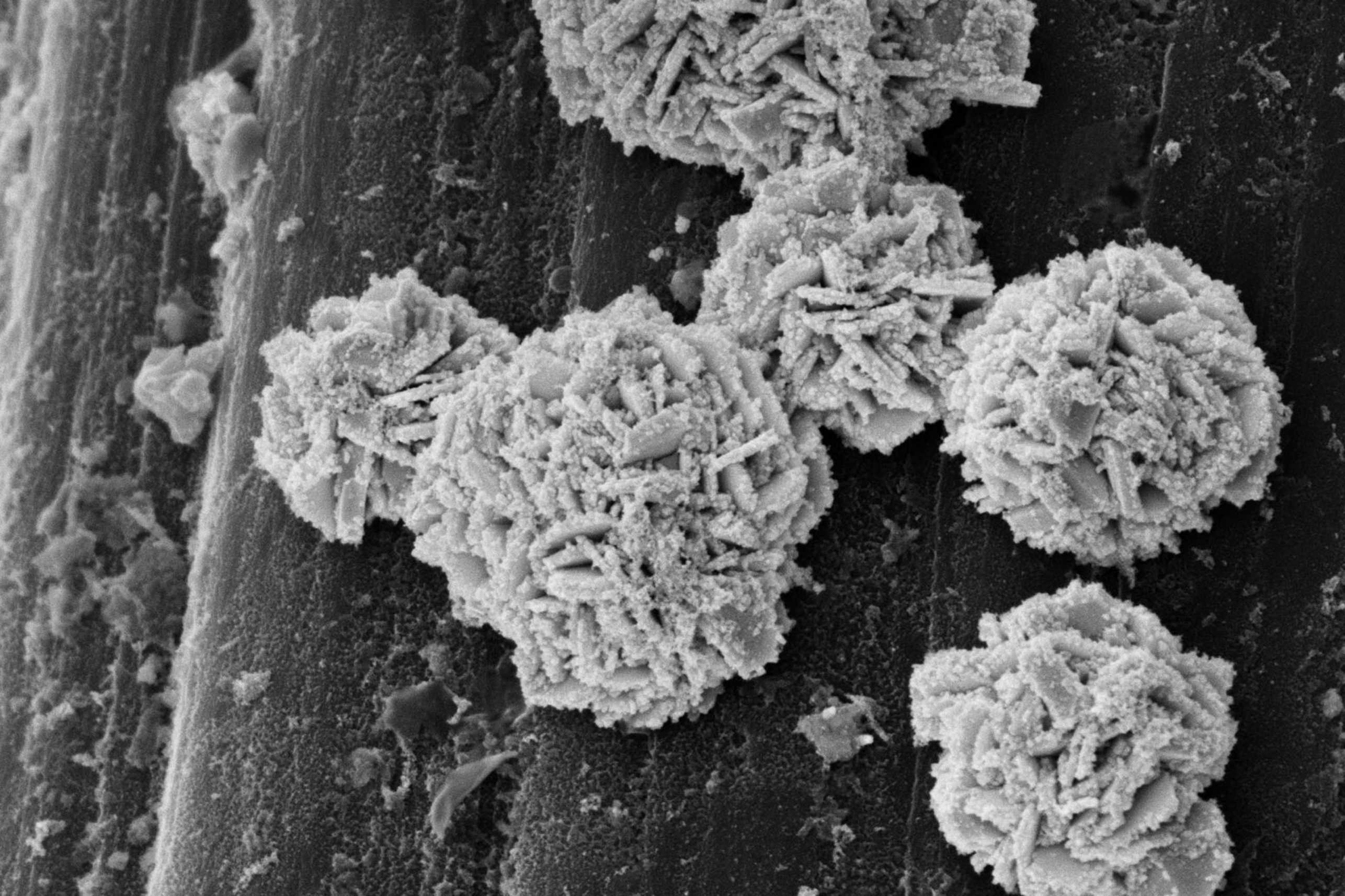
ETH Zurich researchers led by Martin Fussenegger have built an implantable device that lowers blood glucose using an inorganic catalyst of gold nanoclusters and platinum particles on graphite felt, requiring no cells or enzymes. A glucose sensor triggers the catalyst wirelessly to convert excess glucose into gluconate, which is excreted. In mice, blood sugar was precisely regulated over six weeks with weight loss and no tissue damage.
This week in nanotech
$108.5M raised
8 funding rounds · 46 deals tracked
New products
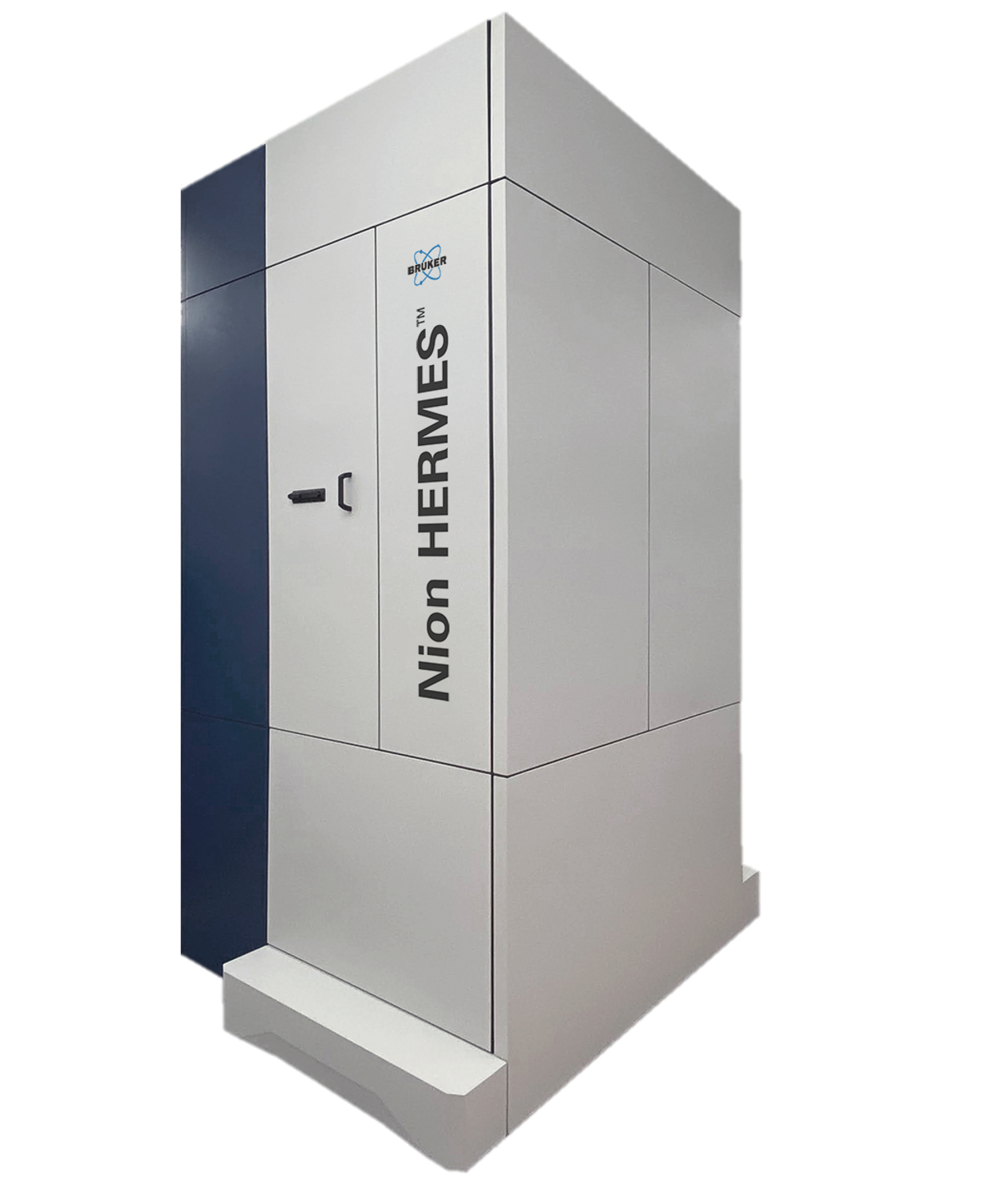 Nion-compatible In Situ STEM Holders for Electrical BiasingHummingbird Scientific Featured
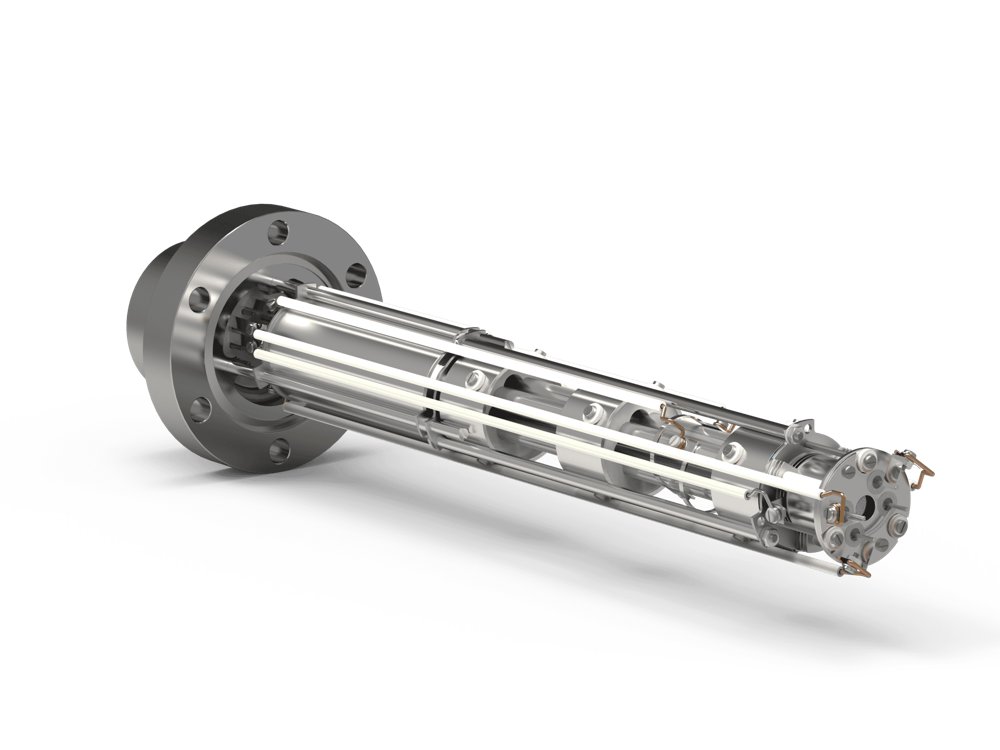 DLS-1 Mass Spectrometer for Fusion Gas AnalysisHiden Analytical Featured
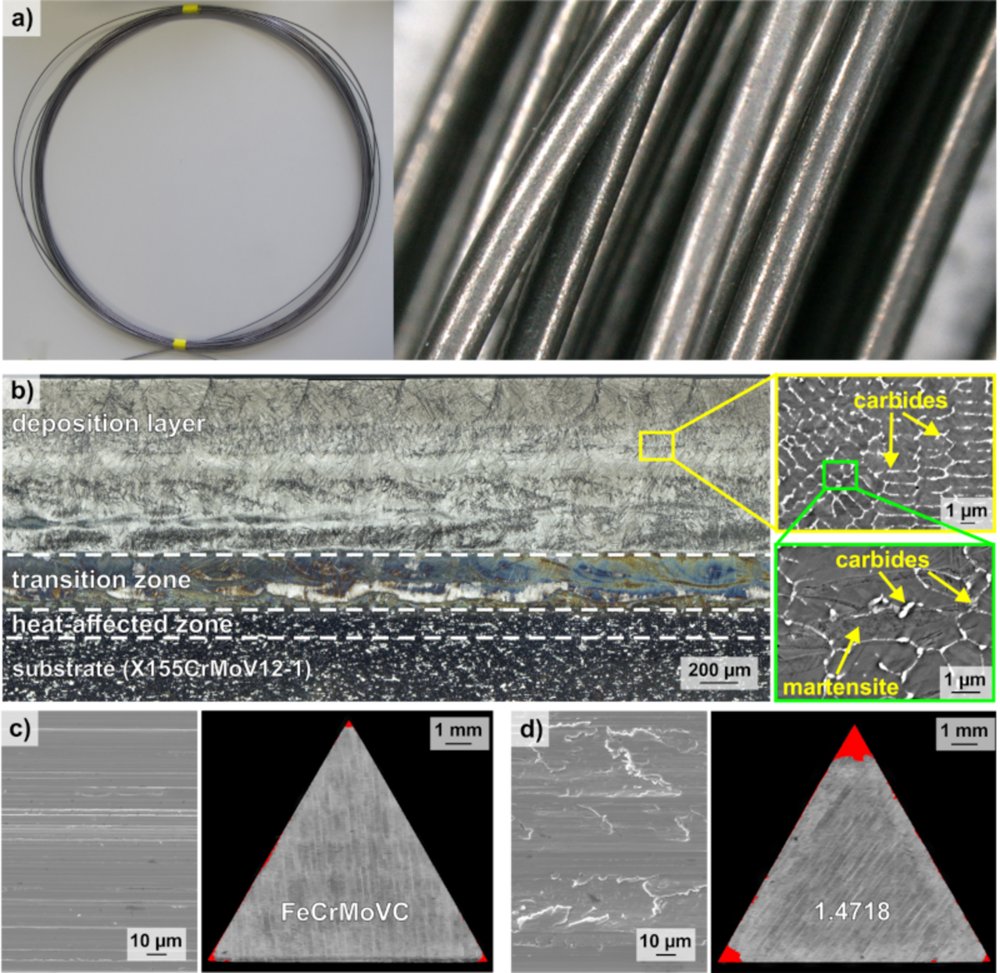 Fe85Cr4Mo8V2C1 wire filler materialLeibniz Institute for Solid State and Materials Research Dresden - IFW Dresden
Market insights
Last 30 days: Quantum Technologies drew the most money: $3.17B.
Money raised per month