The Institute of Microelectronics of Barcelona (IMB-CNM-CSIC) is a partner in POLARIS, a project selected in the European Innovation Council's EIC Pathfinder Open 2026 call. Researcher Anton Guimerà leads the institute's contribution. The project is led by the Catalan Institute of Nanoscience and Nanotechnology (ICN2), under researcher Jose Antonio Garrido.
The EIC selected 43 research projects in the call, with total funding of 166 million euros, amounting to up to 4 million euros per project. POLARIS brings together eight European partners in neurotechnology, advanced materials, microelectronics, neuroscience and clinical medicine.
The project aims to develop a new generation of graphene-based brain implants for monitoring and treating patients with acute brain injury. It seeks to overcome the limitations of current technologies by creating neural interfaces that can record brain signals with high sensitivity, and to support future strategies for personalised neuromodulation.
The consortium covers the value chain from technological development to preclinical and clinical validation. Spain will coordinate 6 EIC Pathfinder Open projects, the highest number for any EU country. With 31 participations, it ranks second among EU nations and third in rate of return, securing 18 million euros.
Six projects will be coordinated by entities based in Spain, including the Universidad Autónoma de Madrid, CSIC, FIMA at the University of Navarra, the University of Cádiz, Ploid AI Biotech S.L. and ICN2.
Source: Institut de Microelectronica de Barcelona (IMB-CNM, CSIC) news
MRDI will lead and operate Hong Kong's first national manufacturing innovation centre, supported by the region's First Five-Year Plan and 2026 Policy Address. The institute is installing two pilot lines for third-generation semiconductor chips at the Yuen Long InnoPark.
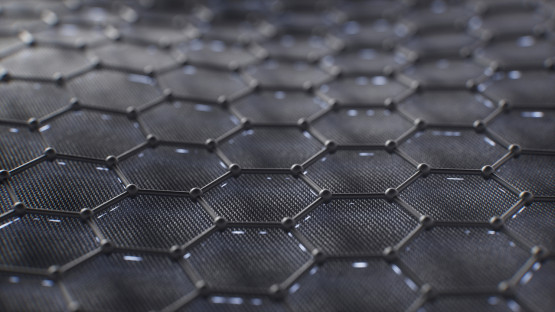
Cornell researchers found that applying voltage to a four-layer graphene stack slides the layers between atomic stacking arrangements, reversibly switching the material between nonmagnetic and magnetic states. The effect, reported in Nature Nanotechnology, exploits weak van der Waals bonds rather than breaking chemical bonds, and the resulting state persists after voltage is removed.
ICN2 and INBRAIN Neuroelectronics announced the completion and results of the MINIGRAPH project. The consortium developed graphene neural interfaces, implantable electronics, autonomous software and a robotic implantation procedure.
This week in nanotech
$291.1M raised
7 funding rounds · 41 deals tracked
New products
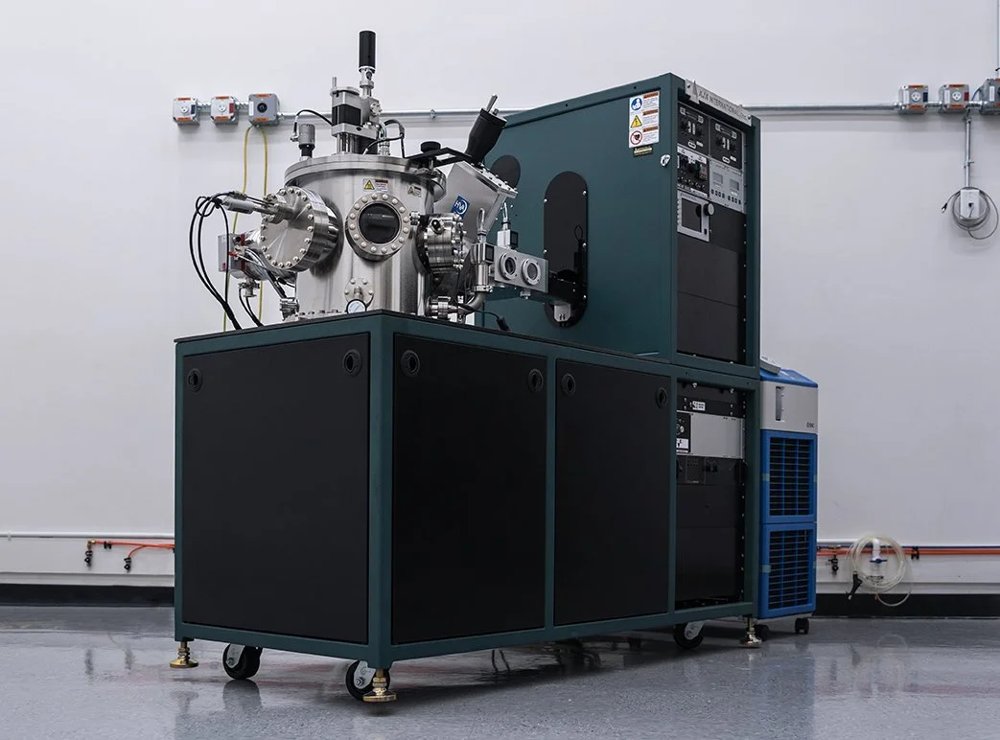 Orion Sputtering Deposition SystemsAJA International Featured
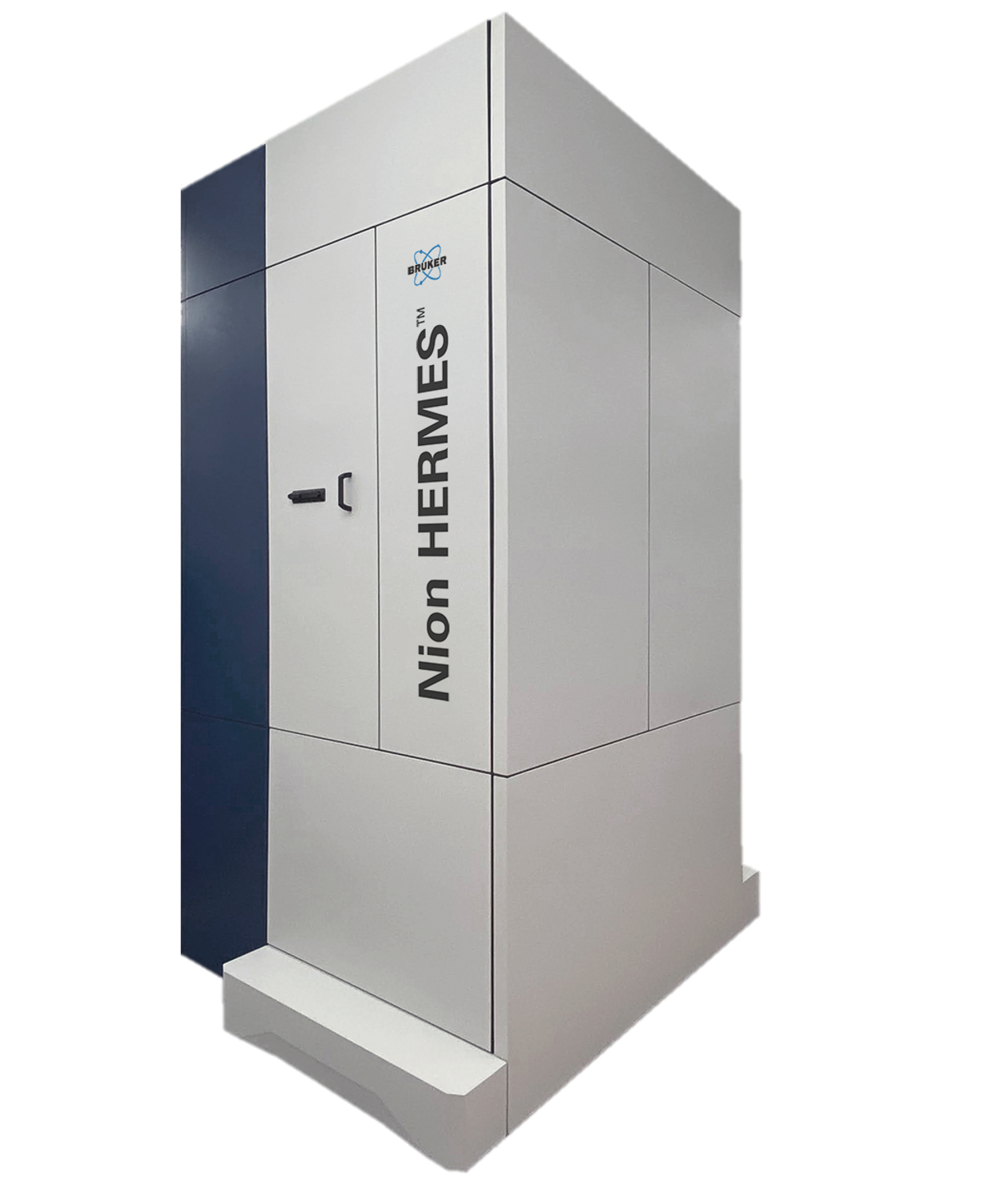 Nion-compatible In Situ STEM Holders for Electrical BiasingHummingbird Scientific Featured
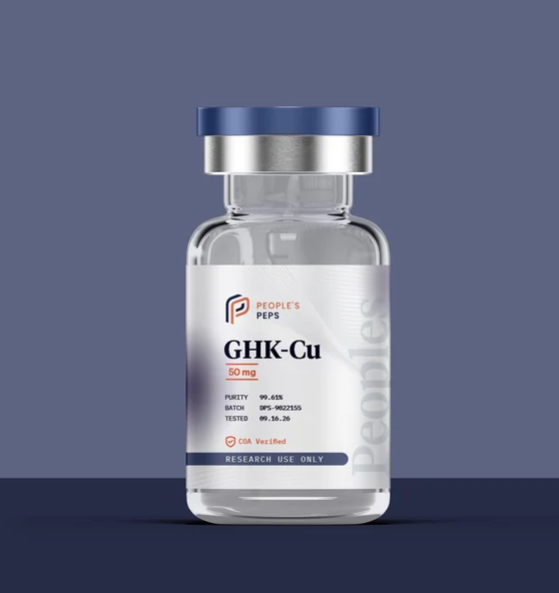 GHK-CuPeoples Peps
Market insights
Last 30 days: Quantum Technologies drew the most money: $3.17B.
Money raised per month
Behind the deal
Who invested in Vertical Semiconductor’s $73M Grant?
See the investors with Insights Pro →