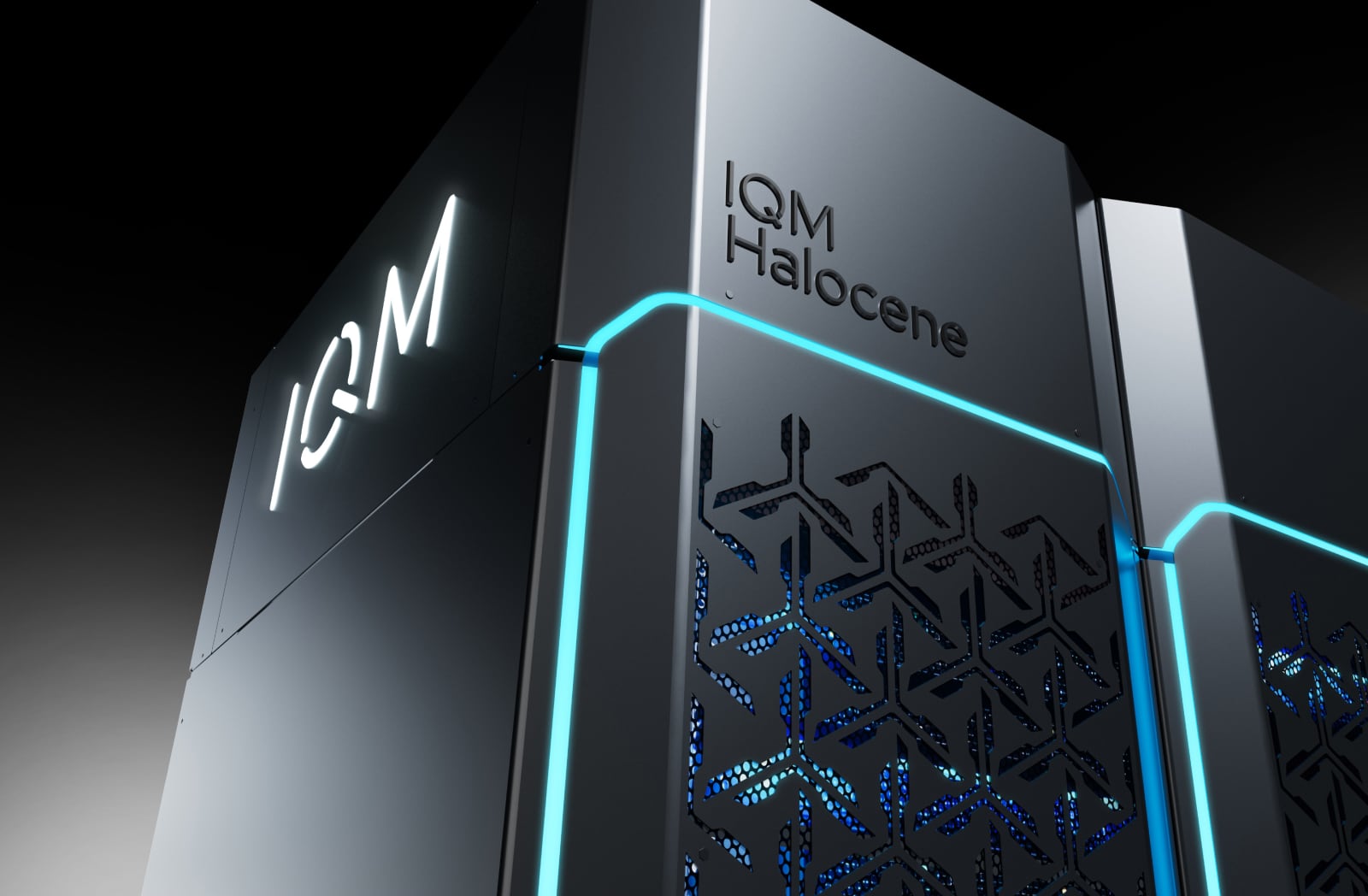
Chicago, 17 November 2026. IQM Quantum Computers (Nasdaq: IQMX) announced an upgrade programme for IQM Halocene, its error-correction product line. The programme gives customers a path from the 150-qubit system of today to a system of over 1,000 qubits. IQM introduced Halocene in November 2025, starting with a 150-qubit system.
Customers can run hybrid workloads today alongside their AI and HPC systems. They can upgrade to each new Halocene system without downtime as they move toward fault-tolerant quantum computing. IQM's HPC integration service is included with every upgrade.
When a customer upgrades, IQM installs the new Halocene system while the current one keeps running. The previous system is removed once the new one is in service. The integration service connects the new system to the centre's existing infrastructure, schedulers and GPU platforms. Halocene systems share common infrastructure, error-correction methods and software across generations, so the investment in each system carries forward to the next.
IQM said the LUMI AI Factory, coordinated by CSC - IT Center for Science, has chosen Halocene for LUMI-IQ, which will be connected to the upcoming LUMI-AI supercomputer. VTT has moved through successive IQM systems since 2021, from 5 qubits to a 53-qubit system coupled with the LUMI supercomputer. The Leibniz Supercomputing Centre (LRZ) has integrated four IQM systems into its supercomputing infrastructure.
"Integrating quantum computers into our supercomputing environment has shown us that the real value lies in continuity. Each IQM system we have added has built on the integration, software and expertise we developed with the previous one, so our users keep working while the technology moves forward. An upgrade path designed around that continuity is what supercomputing centers need on the way to fault-tolerant quantum computing," said Dr. Tobias Guggemos, Quantum Technologies Team Lead, LRZ.
IQM said it has sold more on-premises quantum computers than any other manufacturer and has completed 10 integrations with supercomputing systems since 2021. Halocene is built on an open and modular error-correction stack. IQM is presenting Halocene and the upgrade programme at SC26 in Chicago, November 15-20, at booth #1243.
Source: IQM Quantum Computers news
PsiQuantum and AMD expanded a strategic partnership to co-design infrastructure for utility-scale, fault-tolerant quantum computers. AMD plans an equity investment in PsiQuantum.
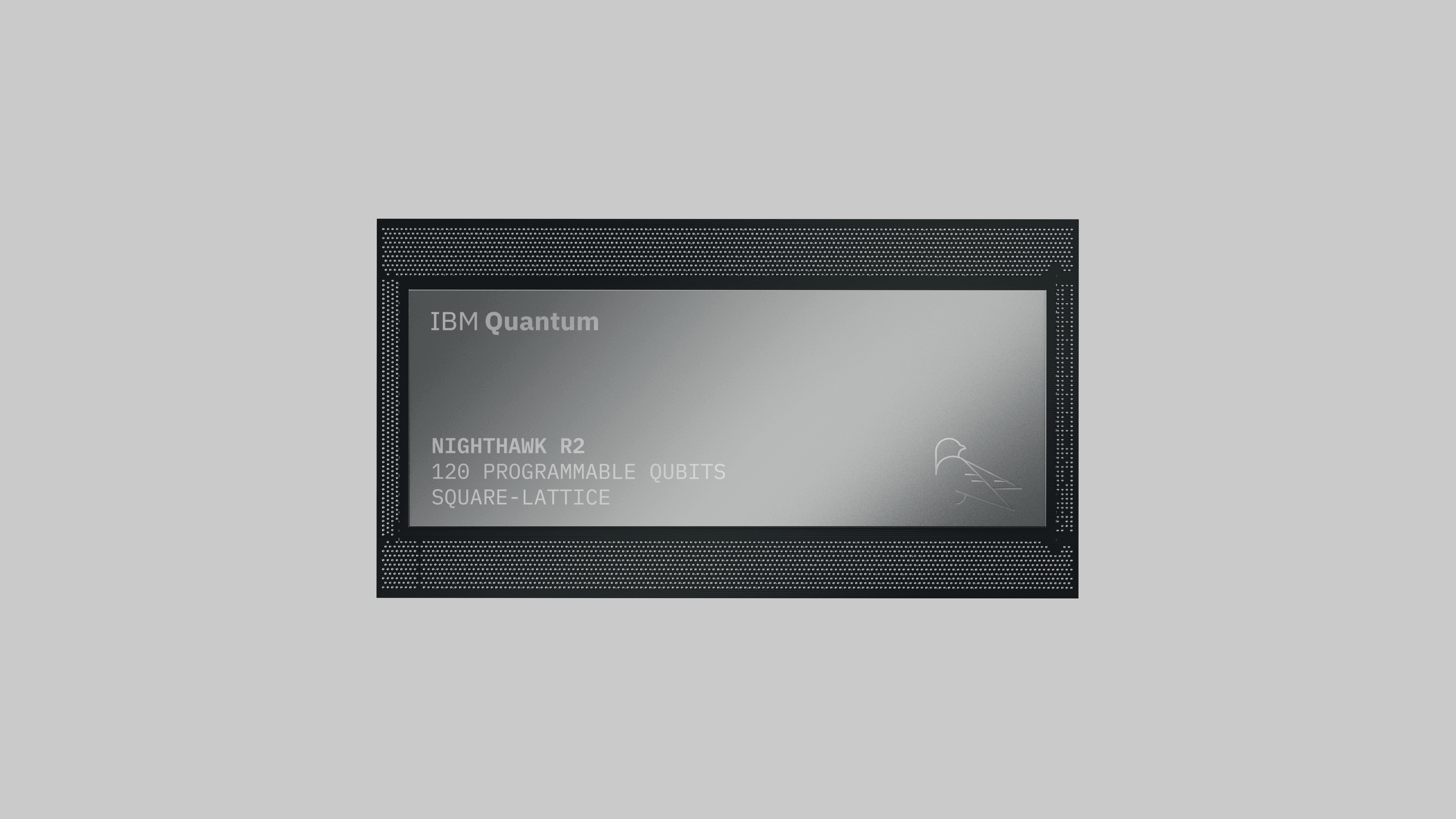
IBM's Nighthawk r3 is engineered for 10,000 operations across 520 programmable qubits, with a 1,040-qubit dual-chip system planned for 2027. Partners on the r2 fleet reported speedups of up to 15x.
Quantinuum reported third quarter 2026 financial results and raised its 2026 revenue outlook after landing its largest cloud agreement. The company also unveiled a roadmap for its Nexus developer platform.
This week in nanotech
$111.7M raised
4 funding rounds · 18 deals tracked
New products
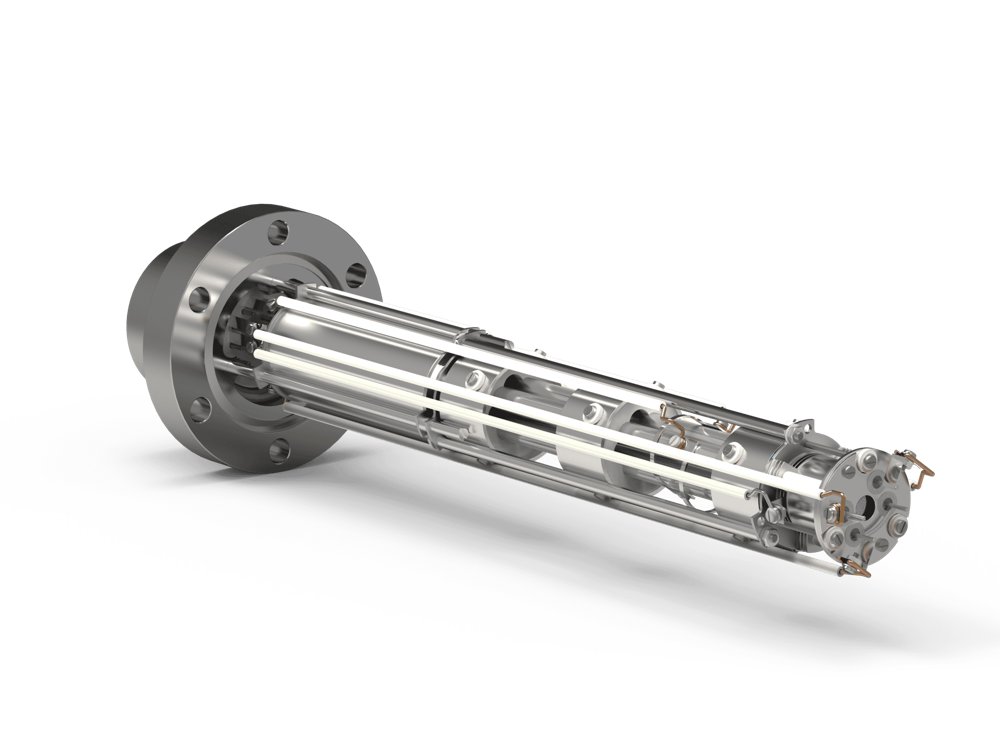 DLS-1 Mass Spectrometer for Fusion Gas AnalysisHiden Analytical Featured
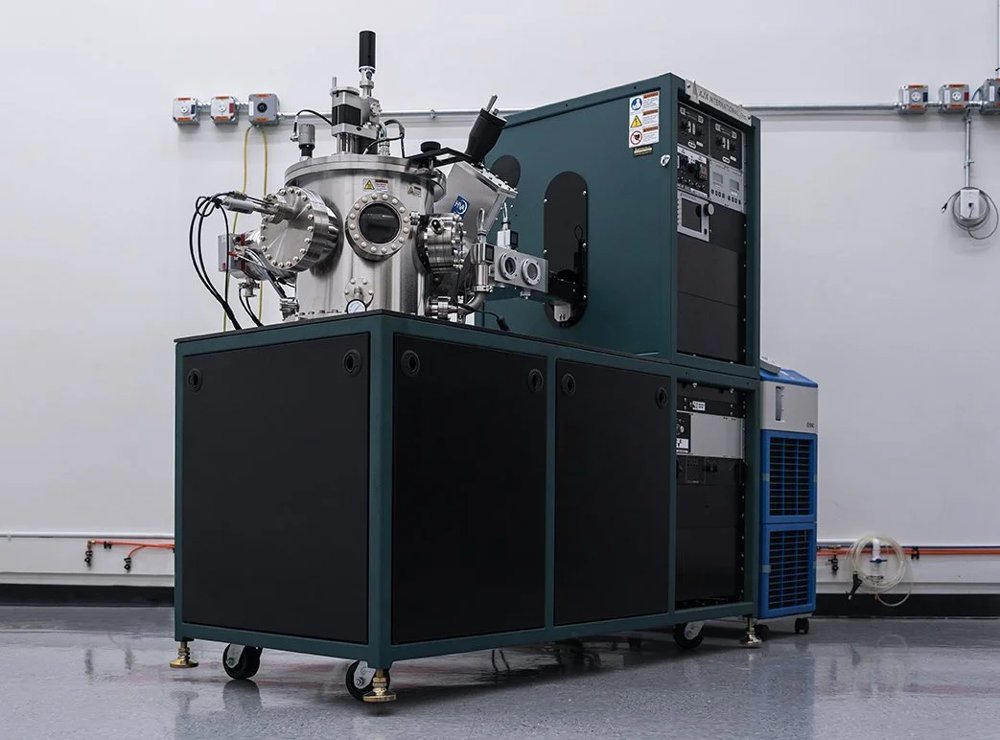 Orion Sputtering Deposition SystemsAJA International Featured
 GHK-CuPeoples Peps
Market insights
Last 30 days: Semiconductors & Electronics drew the most money: $547.7M.
Money raised per month