International Journal of Extreme Manufacturing
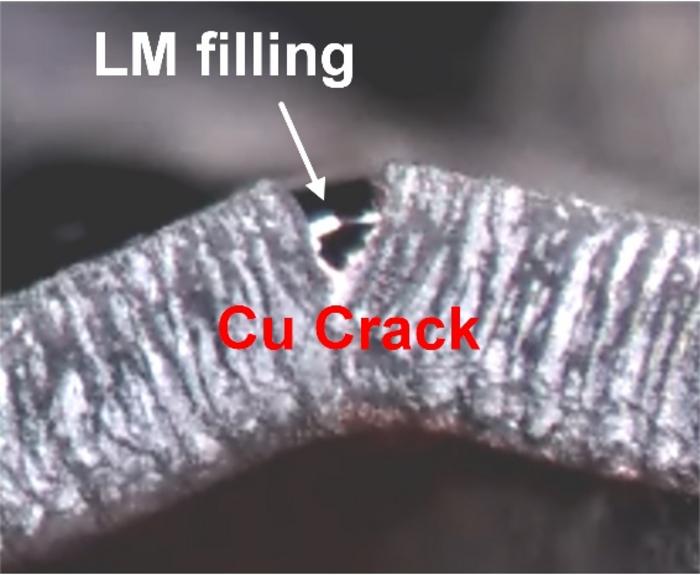
Wearable patches that continuously track arterial pulses and bendable screens folded inside pockets share an identical, insidious failure point: metal fatigue. Every time an arm bends or an electronic hinge closes, microscopic hairline fractures spread across the ultra-thin copper wires responsible for carrying electrical power and data. In medical monitors, this silent fracturing corrupts delicate physiological signals or severs connections entirely.
In the International Journal of Extreme Manufacturing, Prof. Jinyou Shao at Xi'an Jiaotong University and his co-workers have resolved this dilemma by bonding a sturdy copper base directly beneath a reservoir of liquid metal alloy. The pairing functions like an autonomous, self-repairing highway: as bending tears microscopic cracks into the solid copper floor, the liquid alloy overhead immediately flows into the fractures to preserve electrical flow, while the rigid copper foundation bears external pressure so the circuit never chokes under compression.
Electronics manufacturers have faced a frustrating physical trade-off. Laminated copper films on bendable plastic sheets are cheap, highly conductive, and fit directly into established microchip assembly lines. Yet, like a paperclip bent back and forth too many times, solid copper inevitably snaps under repeated cyclic stress, even when strains remain well within theoretical safety limits.
Gallium-based liquid metals seemed to offer an ideal alternative because fluids cannot crack, but their mechanical softness makes them fragile against everyday touch. Previous attempts to stabilize liquid metals on ultrathin nanoscale tracks failed because the aggressive gallium dissolved the underlying metal base entirely, converting the trace into a brittle compound and leaving the conduit defenseless against crushing. Mixing liquid metal droplets into rubbery silicones avoided corrosion, but slashed electrical conductivity and required slow, specialized printing methods unsuitable for high-density computer circuits.
Prof. Shao's team overcame this barrier by exploiting a naturally self-limiting chemical reaction. Instead of applying delicate nanofilms, the team laid down a substantial, 13-micrometre-thick strip of commercial copper foil and dipped it into galinstan, a non-toxic liquid blend of gallium, indium, and tin. When the fluid touches the solid track, gallium atoms react with copper to form a rugged intermetallic compound called copper gallide (CuGa2). Crucially, this reaction acts as an automatic chemical brake: once the compound grows roughly three to five μm deep, it forms an impenetrable barrier that stops further corrosion, leaving a thick, intact core of pure solid copper underneath.
This transformed surface also slashes interfacial tension, prompting the liquid alloy to cling tightly to the copper track like water spreading across clean glass. Whenever cyclic folding cracks the underlying copper, the overlying liquid metal wicks straight into the fresh fissure through spontaneous capillary wetting. Acting like an autonomous, built-in liquid solder, it restores the conductive path before electrical signals can falter.
The mechanical resilience of this dynamic repair mechanism proved striking under laboratory stress tests. When bent around a curve with a radius of just 0.5 mm, the hybrid conductor survived 230,000 cycles before failing, more than double the lifespan of standard copper. Under complete 180° folding, where untreated copper snapped and suffered a 300% surge in electrical resistance within 500 cycles, the liquid-metal-reinforced tracks endured 60,000 folding cycles before displaying comparable wear
The architecture resisted blunt force just as effectively. When compressed under 4 MPa of stress that equivalent to balancing roughly 40 kilograms on an area the size of a fingernail, conventional liquid metal circuits suffered a 208.4% resistance surge as their conductive fluid was forced outward. In contrast, the rigid copper foundation in the hybrid circuit absorbed the physical load, limiting resistance drift to just 0.11%, which is only one two-thousandth of the fluctuation observed in pure fluid channels.
Because this selective coating method relies on spontaneous surface physics, it bypasses the need for costly micro-nozzle printers and integrates into standard manufacturing workflows. Prof. Shao's team patterned standard copper-clad polyimide films using conventional photolithography and wet etching, then submerged the sheets in a two-tier bath containing liquid galinstan beneath an alkaline sodium hydroxide wash. The chemical bath strips away sticky surface oxides, allowing the alloy to coat the copper lines cleanly while sliding off the surrounding polymer film without leaving messy residues.
This single dip-coating step achieved crisp circuit traces as fine as 35 μm across. To demonstrate the system's clinical viability, the researchers integrated the traces with off-the-shelf microcontrollers and a pressure sensor to create a flexible pulse monitor. Strapped to a human wrist, the device continuously registered arterial heartbeat rhythms without signal distortion during wrist flexion, and continued to operate accurately after 10,000 bending cycles.
Moving this architecture from benchtop prototypes into consumer wearables requires solving several practical environmental constraints. In cold environments, galinstan thickens and flows sluggishly, which could slow down automatic crack repair during sub-zero use. Future development will focus on formulating alloys with depressed freezing points, evaluating how continuous electrical currents affect interfacial atomic diffusion over years of continuous operation, and verifying that protective silicone jackets can prevent metal leakage under decades of daily friction.
Reference
Extremely bending-resistant and compression-insensitive flexible circuits enabled by real-time crack healing via spontaneous interfacial wetting
Sheng Li, Liang Wang, Xiaoliang Chen, Cong Zhao, Bing Wang, Jinbin Xu, Qi Zhang, Yizhuo Luo, Guifang Liu, Qi Chen, Chunhui Wang, Hongmiao Tian, Xiangming Li, and Jinyou Shao

An AI-assisted inverse-design framework has identified multiple distinct growth recipes that reach the same prescribed height, density and alignment in carbon nanotube forests. Trained on 200 water-assisted chemical vapour deposition experiments, the model searched backward from structural targets; 26 of 27 validation batches scored above 95% descriptor matching, yet nanotube diameters and wall structures differed.
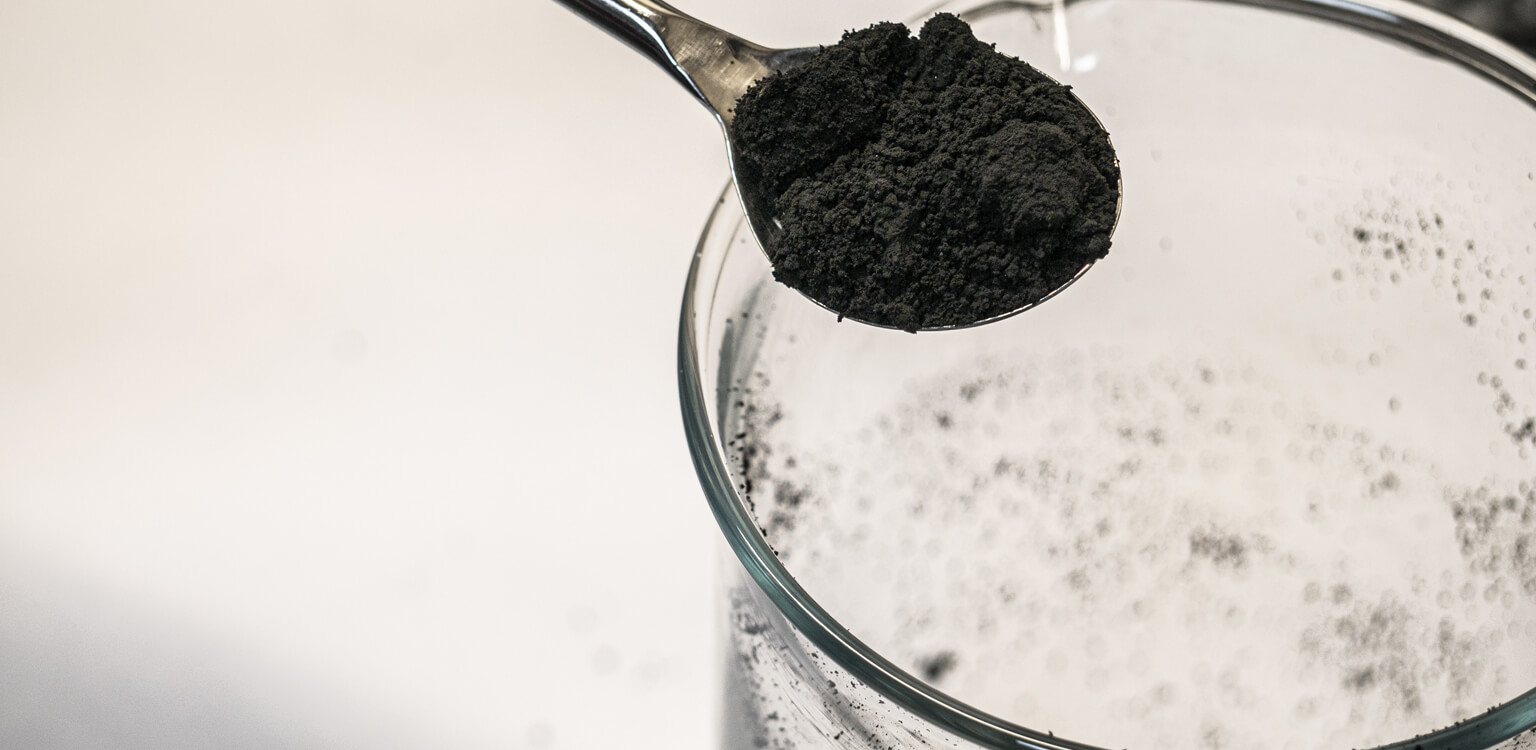
Nanomate by Phi4tech has announced carbon nanomaterials for polymer composites, including carbon nanofibers, reduced graphene oxide, and graphene oxide with metal nanoparticles. The company says these improve mechanical, electrical, and thermal properties.
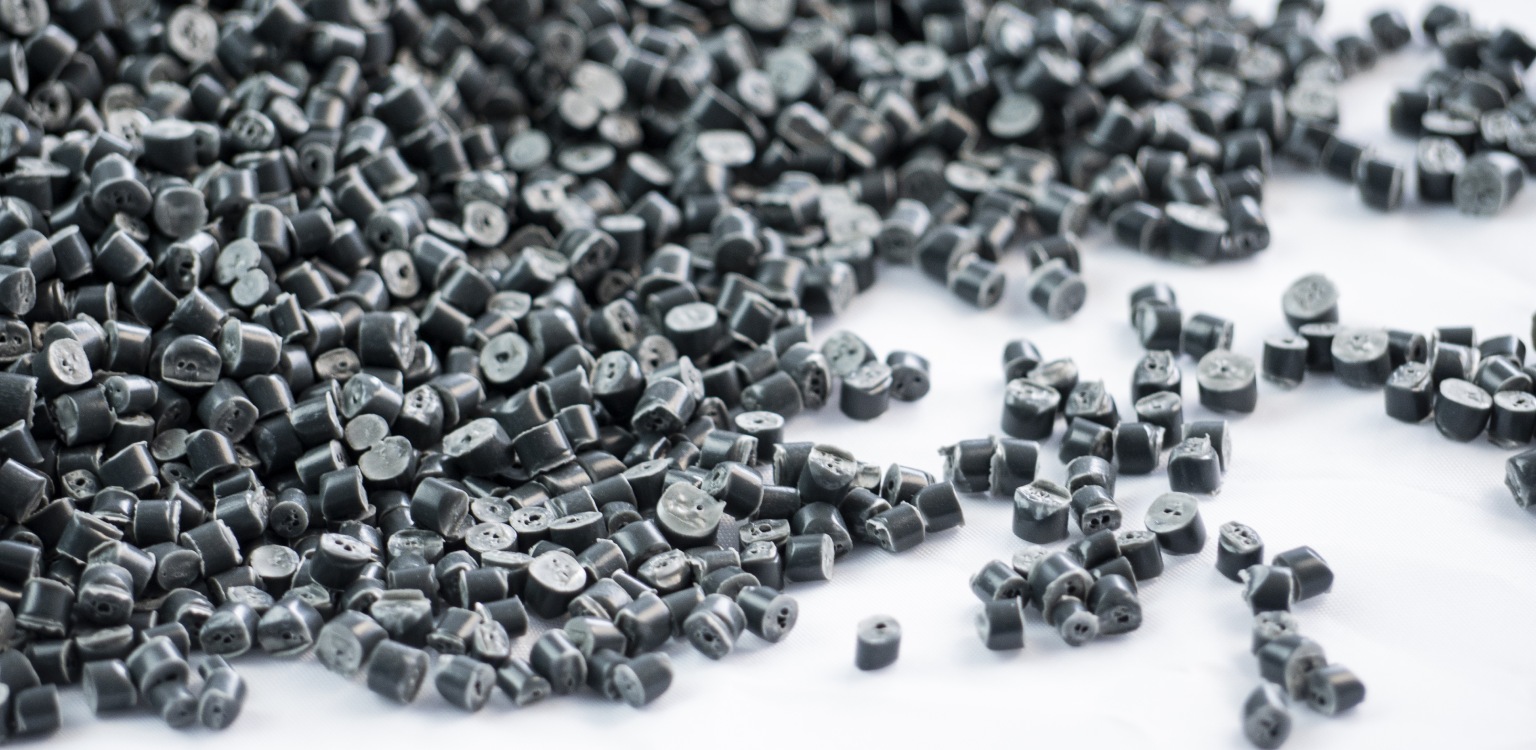
Nanomate has developed carbon nanomaterials for large-scale manufacturing that improve the mechanical properties of plastics by up to 30%, according to the company. The nanomaterials also provide electrical, thermal and bactericidal improvements.






