University of Basel
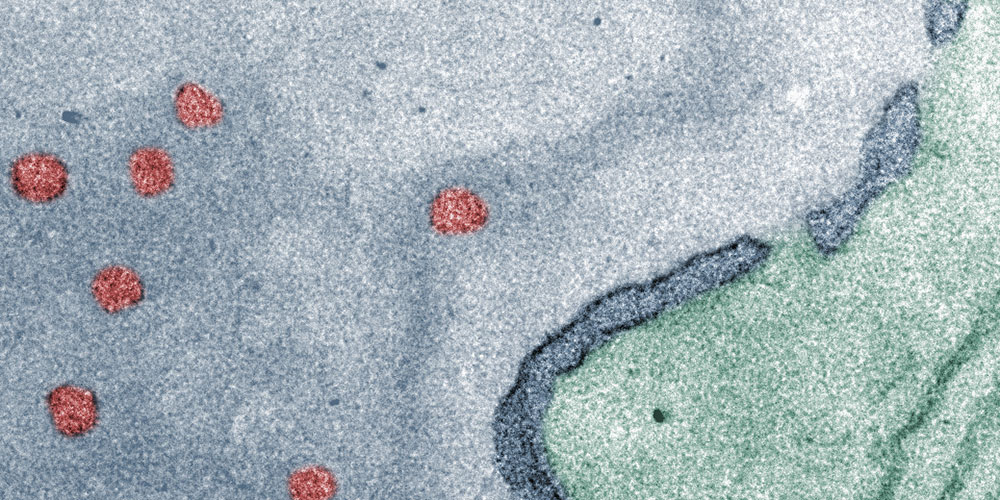
In order to combat diseases, different therapies strive to intervene in pathological processes that occur in the cell nucleus. Chemotherapies, for example, target biochemical reactions that are involved in the proliferation of cancer cells, while the objective of gene therapies is to insert a desired gene into the nucleus. Therefore, a challenge in the field of nanomedicine is to develop a reliable method of introducing active substances specifically into the cell nucleus.
Researchers at the University of Basel have now developed tiny nanocontainers that do just that in living cells. These nanocontainers can pass through the nuclear pore complexes that control the transport of molecules into and out of the cell nucleus. The development of these so-called polymersomes involved a highly interdisciplinary team of scientists from the Swiss Nanoscience Institute, the Biozentrum and the Department of Chemistry.
Entry ticket into the nucleus
Researchers used a trick to direct the artificial nanocontainers through the nuclear pore complexes: "These polymersomes, which are about 60 nanometers in size, are encapsulated by a flexible polymer membrane that mimics natural membranes," explains chemist Professor Cornelia Palivan. "However, they are more robust than lipid vesicles and can be functionalized as needed."
In addition, the researchers constructed the polymersomes with nuclear localization signals bound to them - giving them an entry ticket into the nucleus, so to speak. Cells use these signals to differentiate between molecules that need to be transported into the nucleus and those that should be kept out. In this way, the nuclear localization signals are used to disguise the artificial nanocontainers as permissible cargo.
Inspired by nature
"The presence of nuclear localization signals enables the polymersomes to hijack the cellular transport machinery that delivers cargo through the nuclear pore complexes," explains Professor Roderick Lim. This property is similarly based on nature: "This strategy is also used by some viruses," said the biophysicist.
The researchers were able to track the path of the polymersomes into the cell nucleus by filling them with different dyes and observing them using various microscopic techniques. This confirmed the successful transport of the artificial nanocontainers into the cell nucleus in vitro as well as in vivo within living cells. For future investigations, these dyes will be replaced by therapeutic agents.
"These findings show that the polymersomes we have developed make it possible to deliver artificial cargo very specifically into the cell nucleus. Indeed, nanocontainers without nuclear localization signals could not be detected in the cell nucleus," according to first author Christina Zelmer, summarizing the study.
Organelle-specific targeting of polymersomes into the cell nucleus
Christina Zelmer, Ludovit P. Zweifel, Larisa E. Kapinos, Ioana Craciun, Zekiye P. Güven, Cornelia G. Palivan, and Roderick Y. H. Lim
Proceedings of the National Academy of Sciences first published January 27, 2020
Contact information:
Roderick Lim
University of Basel, Biozentrum and the Swiss Nanoscience Institute
roderick.lim@unibas.ch
Phone: +41 61 207 20 83
Cornelia G. Palivan
University of Basel, Department of Chemistry
cornelia.palivan@unibas.ch
Phone: +41 61 207 38 39
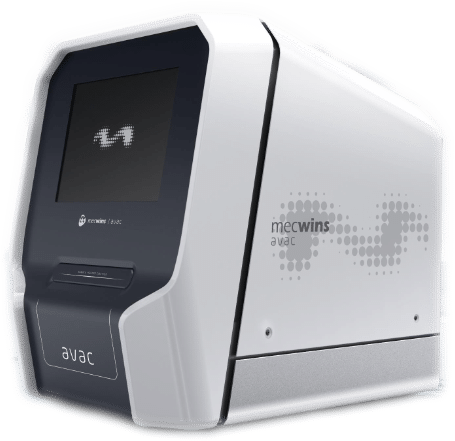
Mecwins has described its AVAC technology, which labels target proteins with plasmonic nanoparticles and counts each one individually by dark-field micro-spectrophotometry. The AVAC Analyzer reaches femtogram-range sensitivity.
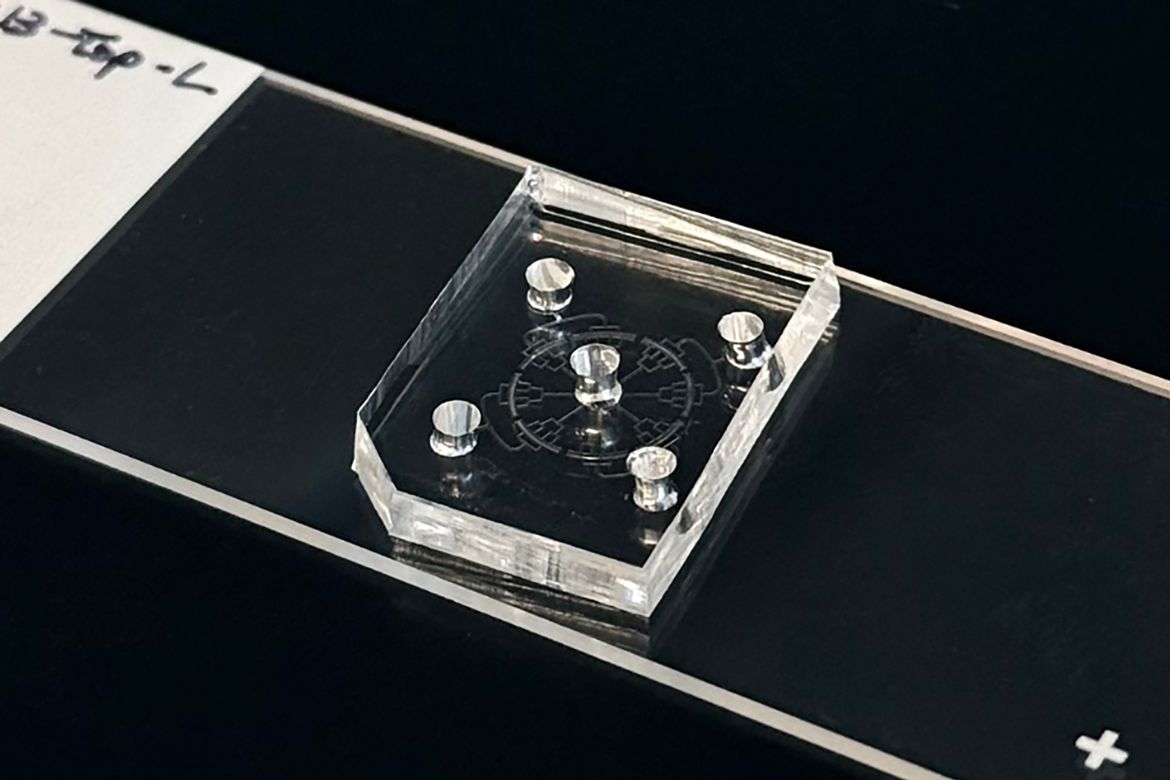
Hesperos has received an SBIR Phase II grant (R44AI197758) from NIAID to expand its Malaria-on-a-Chip platform, adding support for viable, replicating parasite strains and predictive PK/PD modeling.
UCLA researchers have shown that briefly squeezing a cell's nucleus for milliseconds can loosen tightly packed DNA and make CRISPR activation far more effective at reprogramming cell identity. After mapping which genomic regions opened, they aimed guide RNAs at those sites, raising the share of mouse skin cells converted to neurons from about 3% to 10%. Adding a priming step that activated Oct4 pushed conversion to roughly 40%.
This week in nanotech
$108.5M raised
7 funding rounds · 37 deals tracked
New products
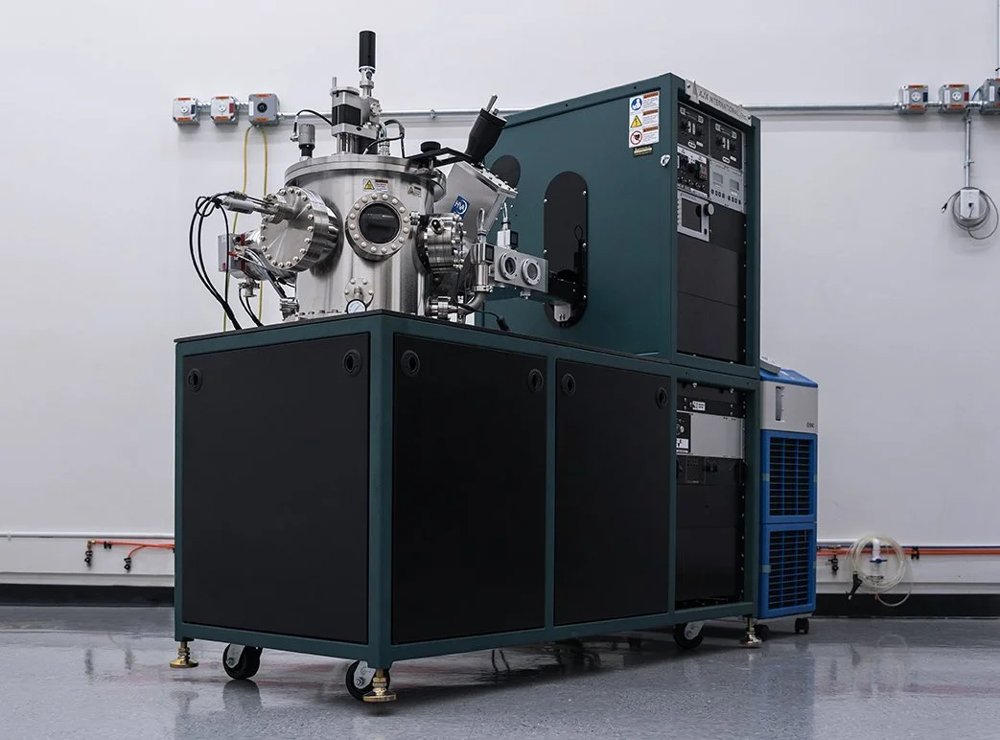 Orion Sputtering Deposition SystemsAJA International Featured
 Ti-WCMBN Nanomaterialia Featured
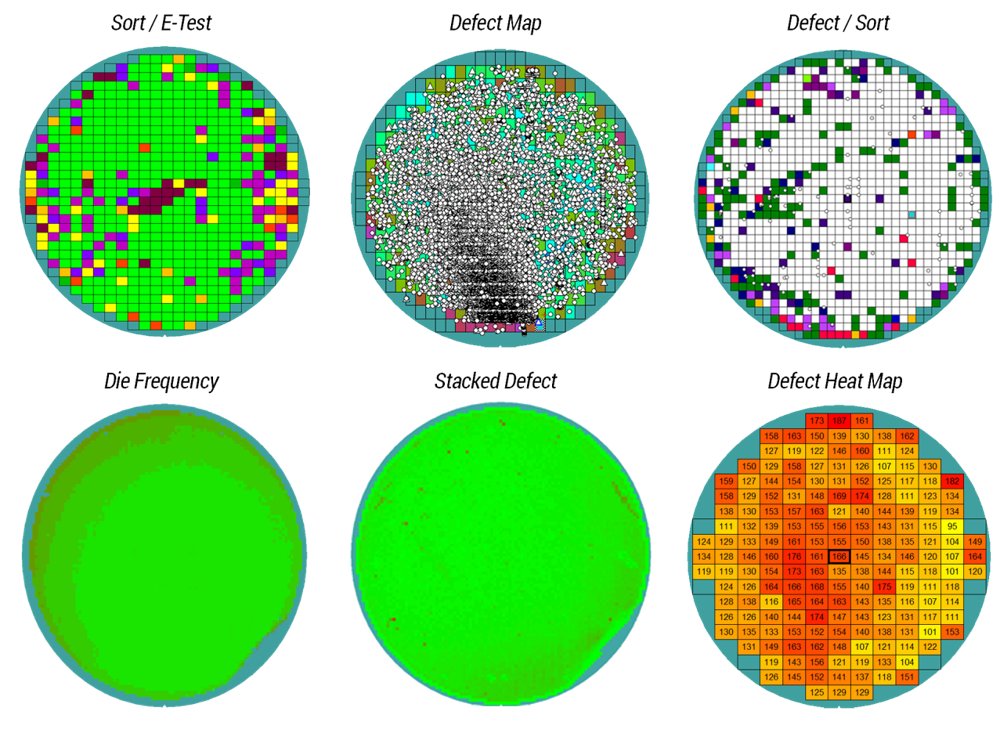 Discover Mapping SuiteOnto Innovation
Market insights
Last 30 days: Quantum Technologies drew the most money: $3.17B.
Money raised per month
Behind the deal
Who led Xanadu Quantum Technologies Limited’s $10M Grant?
See the investors with Insights Pro →