ANN ARBOR—Nanoengineers have created a quasicrystal—a scientifically intriguing and technologically promising material structure—from nanoparticles using DNA, the molecule that encodes life.
The team, led by researchers at Northwestern University, the University of Michigan and the Center for Cooperative Research in Biomaterials in San Sebastian, Spain, reports the results in Nature Materials.
Unlike ordinary crystals, which are defined by a repeating structure, the patterns in quasicrystals don’t repeat. Quasicrystals built from atoms can have exceptional properties—for example, absorbing heat and light differently, exhibiting unusual electronic properties such as conducting electricity without resistance, or their surfaces are very hard or very slippery.
Engineers studying nanoscale assembly often view nanoparticles as a kind of ‘designer atom,’ which provides a new level of control over synthetic materials. One of the challenges is directing particles to assemble into desired structures with useful qualities, and in building this first DNA-assembled quasicrystal, the team entered a new frontier in nanomaterial design.
“The existence of quasicrystals has been a puzzle for decades, and their discovery appropriately was awarded with a Nobel Prize,” said Chad Mirkin, the George B. Rathmann Professor of Chemistry at Northwestern University and co-corresponding author of the study. “Although there are now several known examples, discovered in nature or through serendipitous routes, our research demystifies their formation and more importantly shows how we can harness the programmable nature of DNA to design and assemble quasicrystals deliberately.”
Mirkin’s group is known for using DNA as a designer glue to engineer the formation of colloidal crystals made of nanoparticles, and the group of Luis Liz-Marzán, the Ikerbasque Professor at the Spanish Center for Cooperative Research in Biomaterials, could produce nanoparticles that might form quasicrystals under the right conditions. The team focused on bipyramidal shapes—basically two pyramids stuck together at their bases. Liz-Marzán’s group tried different numbers of sides as well as squashing and stretching the shapes. Then Wenjie Zhou and Haixin Lin, doctoral students in chemistry at Northwestern at the time of the work, used DNA strands encoded to recognize one another to program the particles to assemble into a quasicrystal.
Independently, the group of Sharon Glotzer, the Anthony C. Lembke Chair of Chemical Engineering at U-M, had been simulating bipyramids with different numbers of sides. Yein Lim and Sangmin Lee, doctoral students in chemical engineering at U-M, found that decahedra—10-sided pentagonal bipyramids—would form a quasicrystal under certain conditions, and with the right relative dimensions.
In 2009, Glotzer’s team had predicted the first layered nanoparticle quasicrystal, not from bipyramids but from tetrahedra—single pyramids with four triangular sides like a D4 die. Because five tetrahedra can nearly make a type of decahedron, she says that the decahedron was a savvy choice for making a quasicrystal.
“In our original quasicrystal simulation, the tetrahedra arranged into decahedra with very small gaps between the tetrahedra. Here, those gaps would be filled by DNA, so it made sense that decahedra might make quasicrystals, too,” said Glotzer, co-corresponding author of the study.
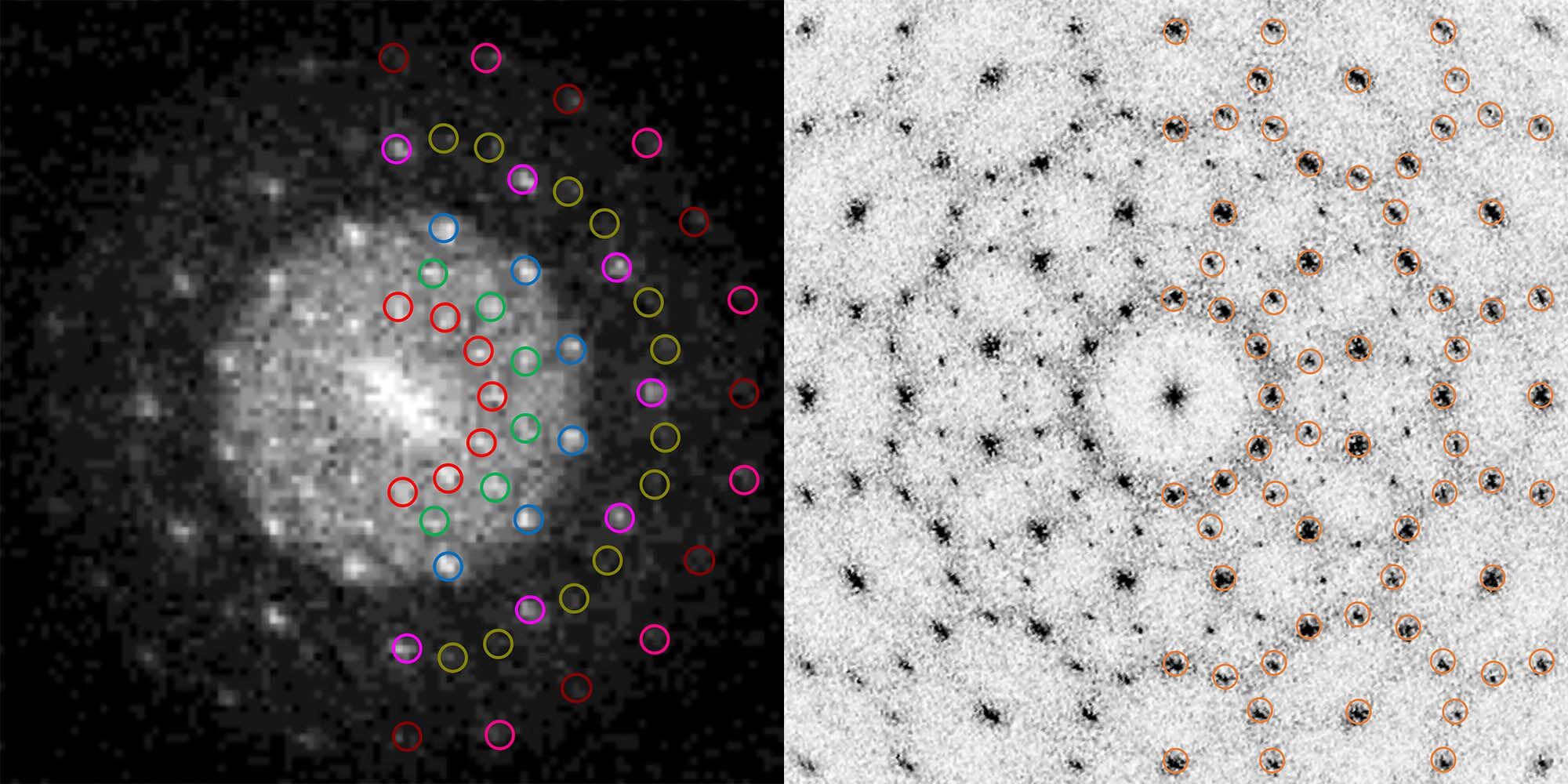
Through a combination of theory and experiment, the three research groups made the decahedron particles into a quasicrystal, which was confirmed by electron microscope imaging at Northwestern and X-ray scattering done at Argonne National Laboratory.
“Through the successful engineering of colloidal quasicrystals, we have achieved a significant milestone in the realm of nanoscience,” said Liz-Marzán, co-corresponding author of the study. “Our work not only sheds light on the design and creation of intricate nanoscale structures but also opens a world of possibilities for advanced materials and innovative nanotechnology applications.”
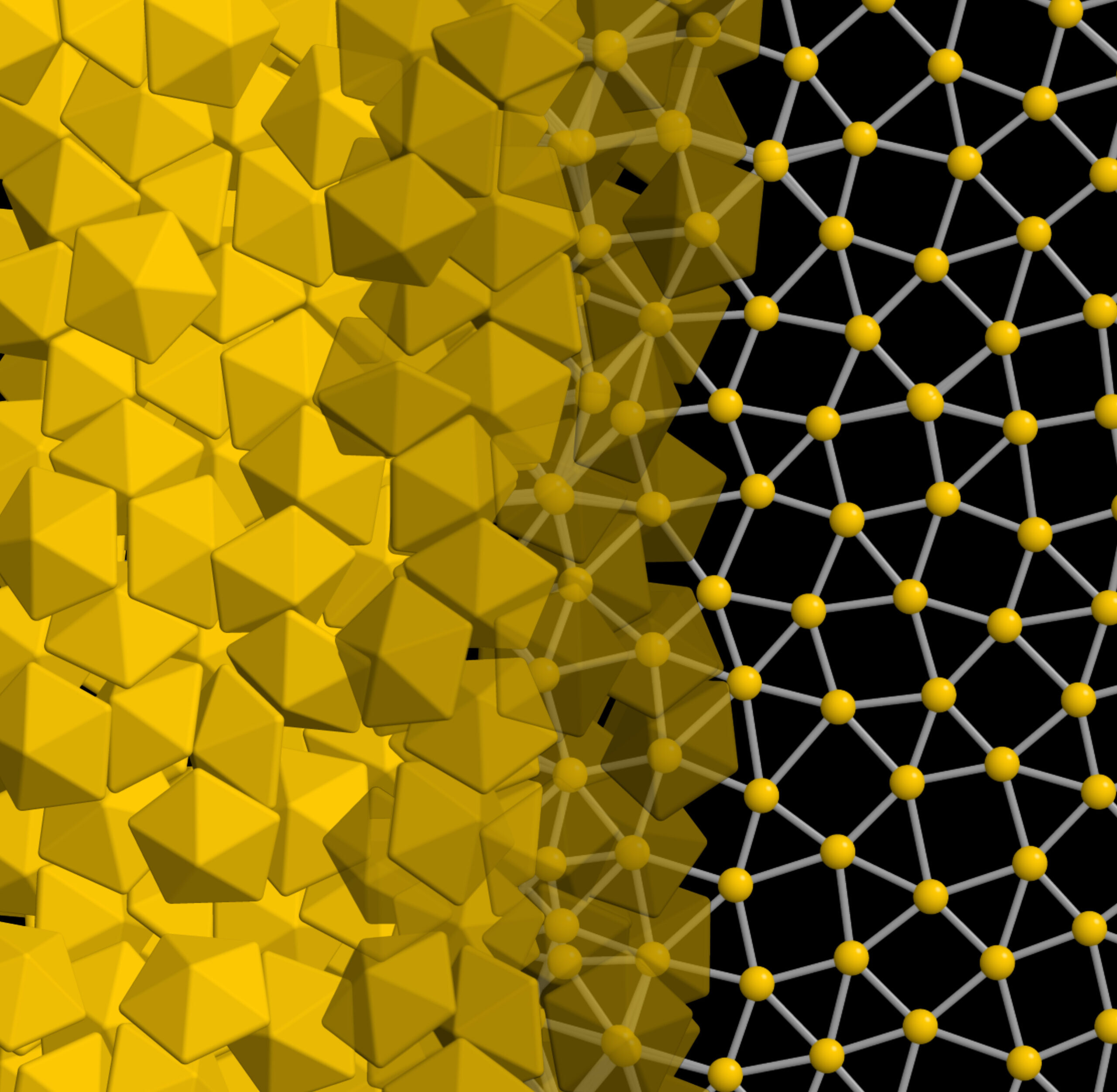
The structure resembles an array of rosettes in concentric circles, the 10-sided shapes creating a 12-fold symmetry in 2D layers that stack periodically. This stacked structure, also seen with quasicrystals made from tetrahedra, is called an axial quasicrystal. But unlike most axial quasicrystals, the tiling pattern of the new quasicrystal’s layers do not repeat identically from one layer to the next. Instead, a significant percentage of tiles are different, in a random way—and this small amount of disorder adds stability.
Reference
Colloidal quasicrystals engineered with DNA
Wenjie Zhou, Yein Lim, Haixin Lin, Sangmin Lee, Yuanwei Li, Ziyin Huang, Jingshan S. Du, Byeongdu Lee, Shunzhi Wang, Ana Sánchez-Iglesias, Marek Grzelczak, Luis M. Liz-Marzán, Sharon C. Glotzer & Chad A. Mirkin
Cornell and Pacific Northwest National Laboratory researchers have developed a predictive model for how crystals such as calcite incorporate silica nanoparticles, revealing that the energy needed to cross water layers at the crystal surface strongly governs uptake, and that amines rather than carboxylic acids bind best.
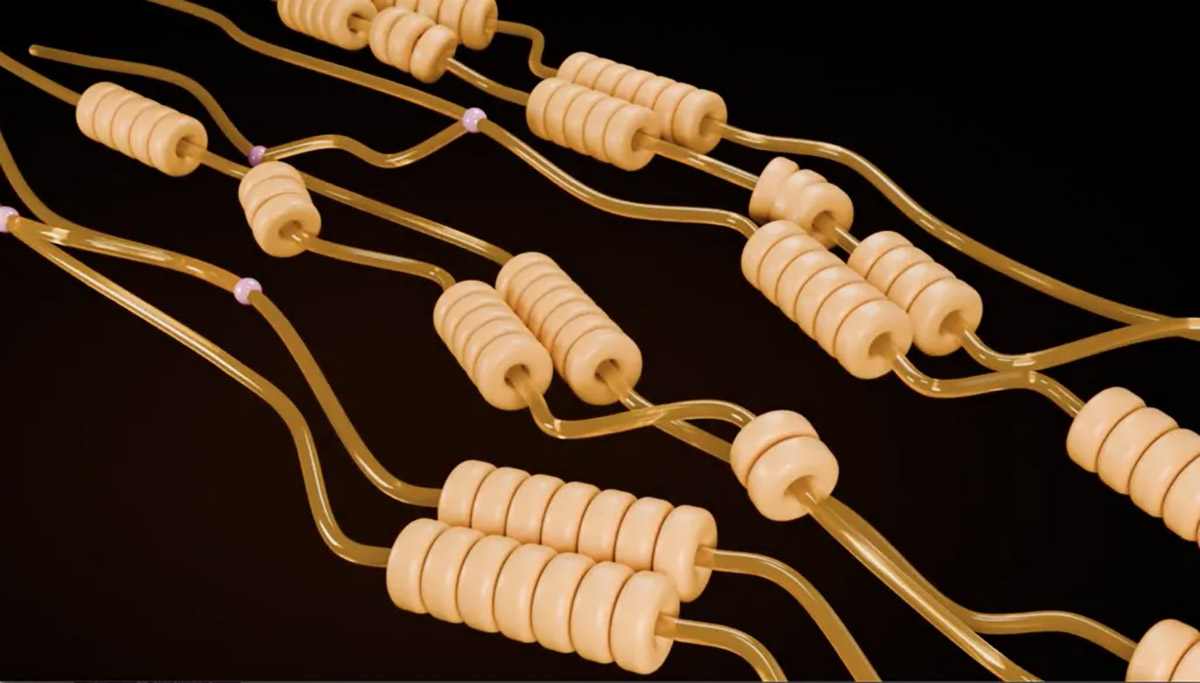
A polymer hydrogel that grows stronger under repeated bending and strain has been developed by chemists, who report the material survived 10,000 bending cycles in tests on a knee-like joint. Made from a biodegradable blend of sugar crystals and polyethylene glycol, the 3D printable material uses sliding cyclodextrin rings to reinforce stressed regions, mimicking collagen.
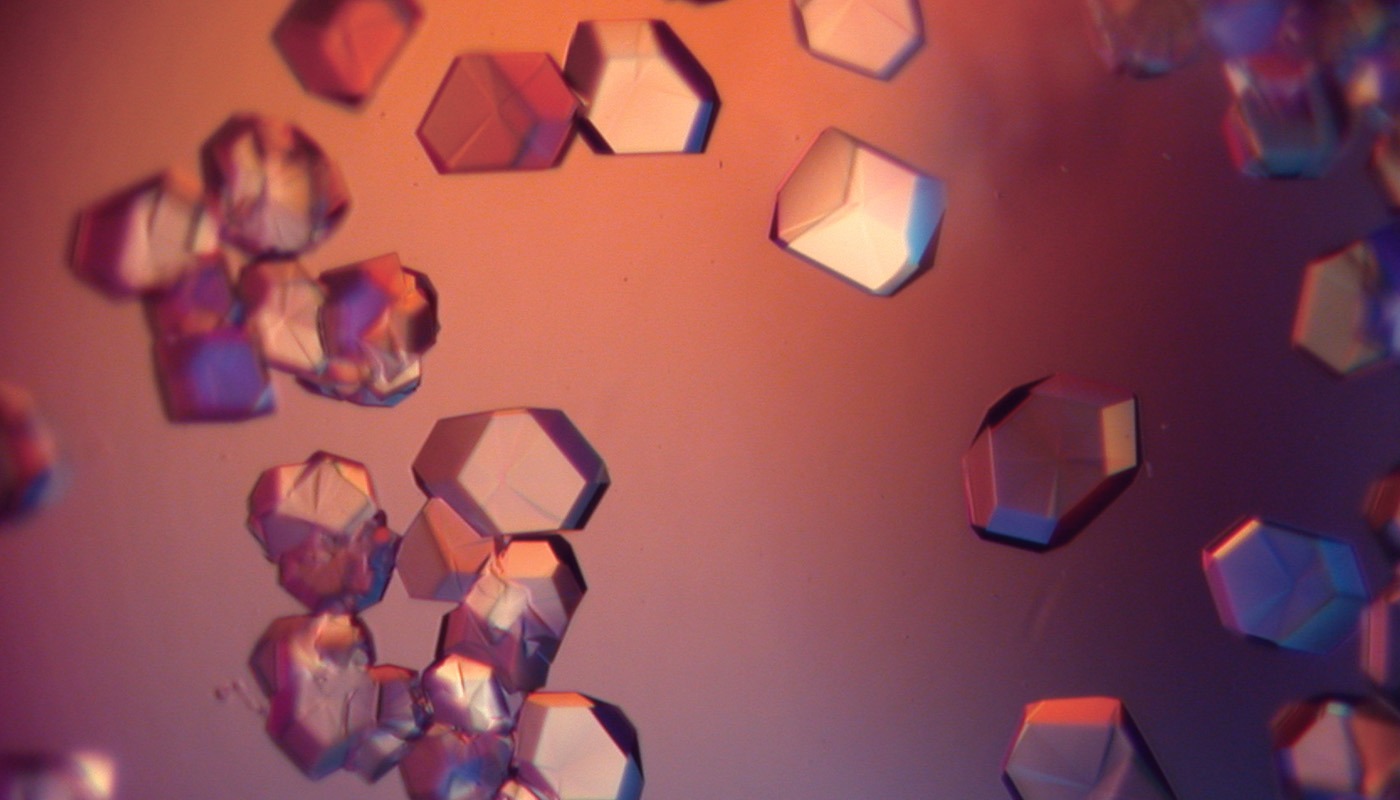
Rigaku has introduced the PhotonJetMAX-S microfocus sealed-tube X-ray source for the XtaLAB Synergy-S, delivering more than twice the diffracted intensity of the PhotonJet-S at a peak power of 50 W.
This week in nanotech
21 deals tracked
New products
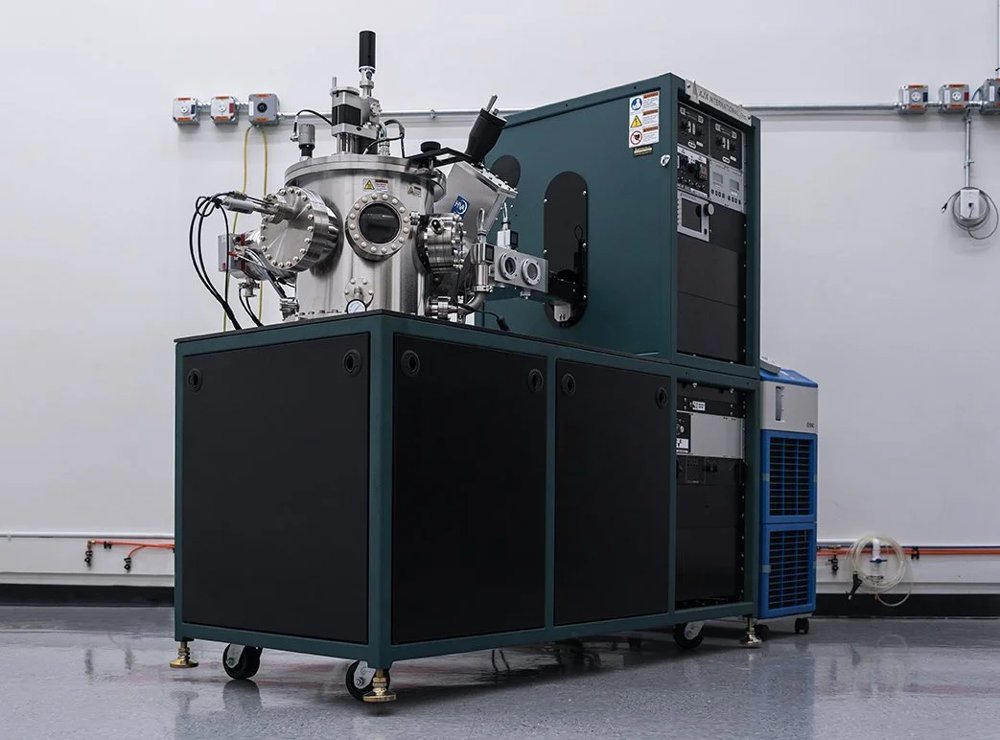 Orion Sputtering Deposition SystemsAJA International Featured
 Nion-compatible In Situ STEM Holders for Electrical BiasingHummingbird Scientific Featured
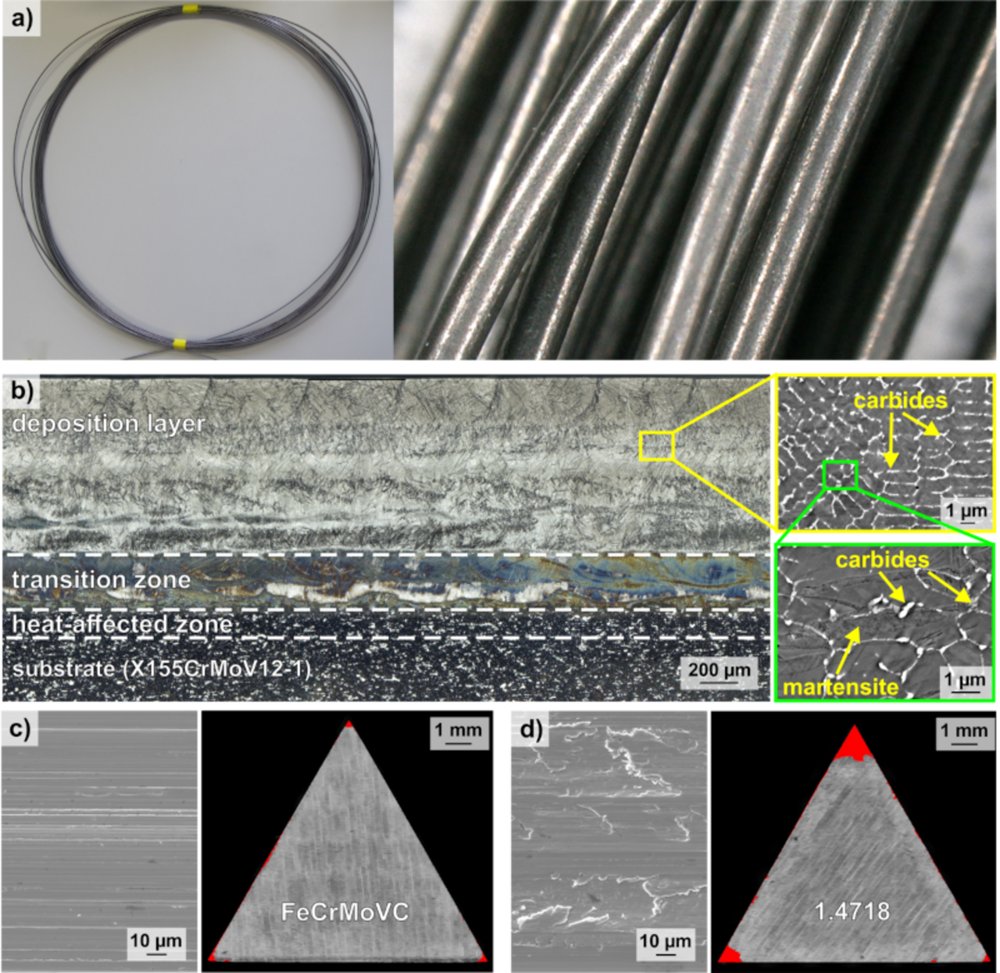 Fe85Cr4Mo8V2C1 wire filler materialLeibniz Institute for Solid State and Materials Research Dresden - IFW Dresden
Market insights
Last 30 days: Semiconductors & Electronics was the busiest vertical: 52 of 169 events (31%).
Money raised per month