In an Australian first, researchers from The University of Queensland have used nanotechnology to develop effective ways to manage tooth sensitivity.
Dr Chun Xu from UQ’s School of Dentistry said the approach might provide more effective long-term pain relief for people with sensitive teeth, compared to current options.
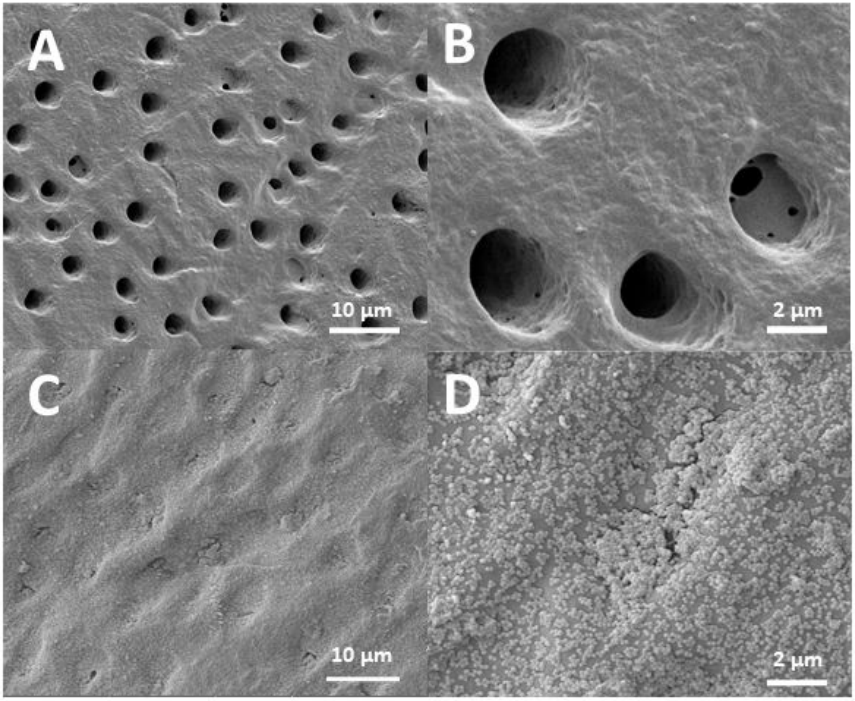
“Dentin tubules are located in the dentin, one of the layers below the enamel surface of your teeth,” Dr Xu said.
“When tooth enamel has been worn down, and the dentin are exposed, eating or drinking something cold or hot can cause a sudden sharp flash of pain.
“The nanomaterials used in this preclinical study can rapidly block the exposed dentin tubules and prevent the unpleasant pain.
“Our approach acts faster and lasts longer than current treatment options.
“The materials could be developed into a paste, so people who have sensitive teeth could simply apply this paste to the tooth and massage for one to three minutes.
“The next step is clinical trials.”
Tooth sensitivity affects up to 74 per cent of the population, at times severely impacting quality of life and requiring expensive treatment.
“If clinical trials are successful people will benefit from this new method that can be used at home, without the need to go to a dentist in the near future,” Dr Xu said.
“We hope this study encourages more research using nanotechnology to address dental problems.”
The team also included researchers from UQ’s Australian Institute for Bioengineering and Nanotechnology (AIBN).
The study is published in ACS Applied Nano Materials.
Reference
Calcium-Doped Silica Nanoparticles Mixed with Phosphate-Doped Silica Nanoparticles for Rapid and Stable Occlusion of Dentin Tubules
Yuxue Cao, Chun Xu, Patricia P. Wright, Jingyu Liu, Yueqi Kong, Yue Wang, Xiaodan Huang, Hao Song, Jianye Fu, Fang Gao, Yang Liu, Laurence J. Walsh, and Chang Lei
https://pubs.acs.org/doi/10.1021/acsanm.1c01365
University of Queensland
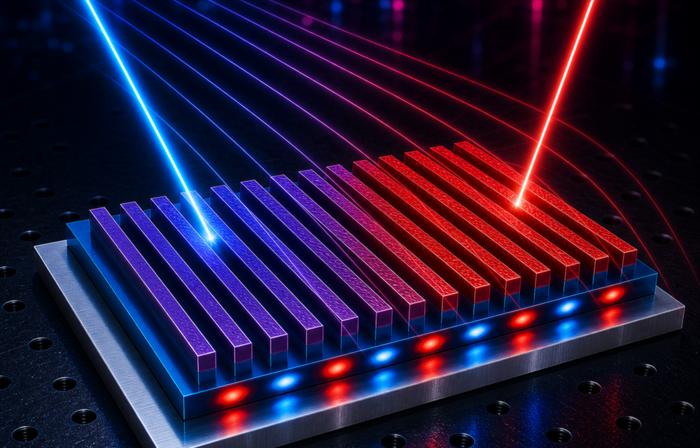
certain wavelength and direction will also emit heat in the same ways. This fundamental relationship, known as reciprocity, limits our ability to independently control heat absorption and heat emission. But if absorption and emission could be separated, engineers could design devices that absorb heat from one direction while emitting it in another. By ‘steering’ thermal energy, they could create more efficient thermal management, energy conversion, infrared sensing, and thermal communicati...
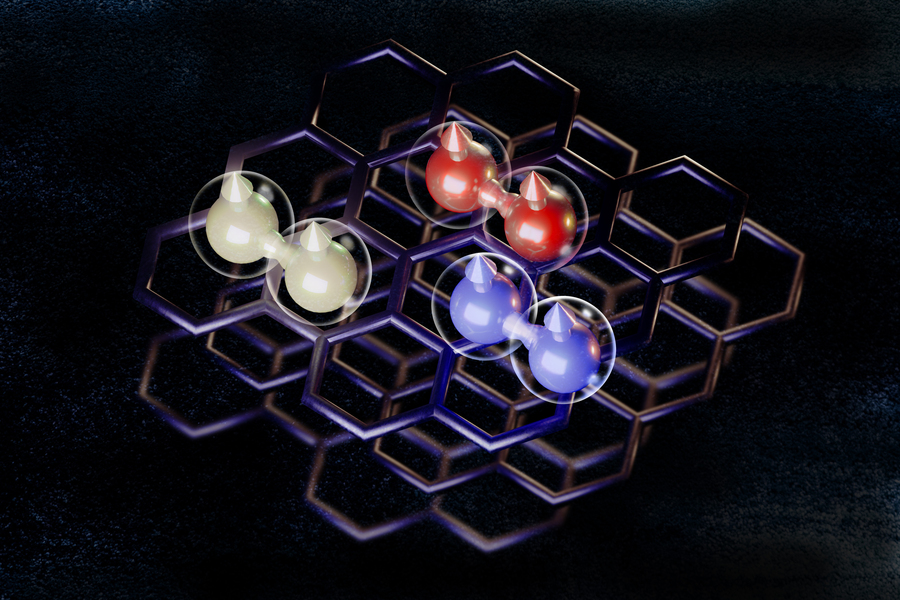
MIT researchers have found that rhombohedral graphene — a naturally occurring staircase-like stack of four or five atomically thin carbon layers found in ordinary graphite — can host multiple distinct superconducting states simultaneously, a rarity among known superconductors. Publishing in Nature, the team reports that three of these states not only survive exposure to magnetic fields up to around 9 tesla (roughly 180,000 times Earth's magnetic field), which would normally destroy supercondu...
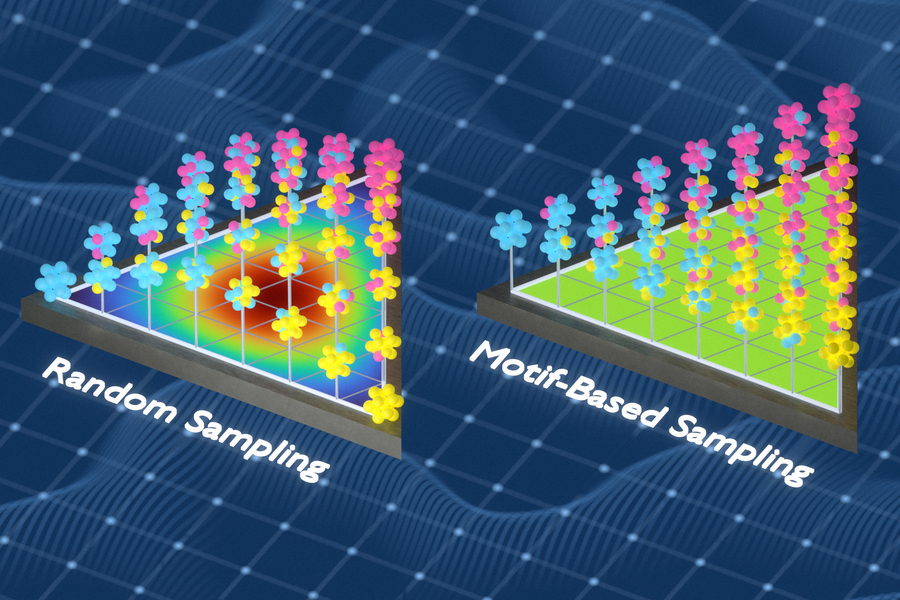
MIT researchers have developed a new approach that dramatically improves the modeling of chemically disordered metal alloys, a long-standing challenge in materials science. Traditional simulation techniques struggle with the complex atomic arrangements in real-world alloys. The team addressed this by creating smarter training datasets for machine-learning models that better capture the diverse local chemical environments in disordered materials. Using information theory to generate more repre...
This week in nanotech
$741.8M raised
4 funding rounds · 24 deals tracked
New products
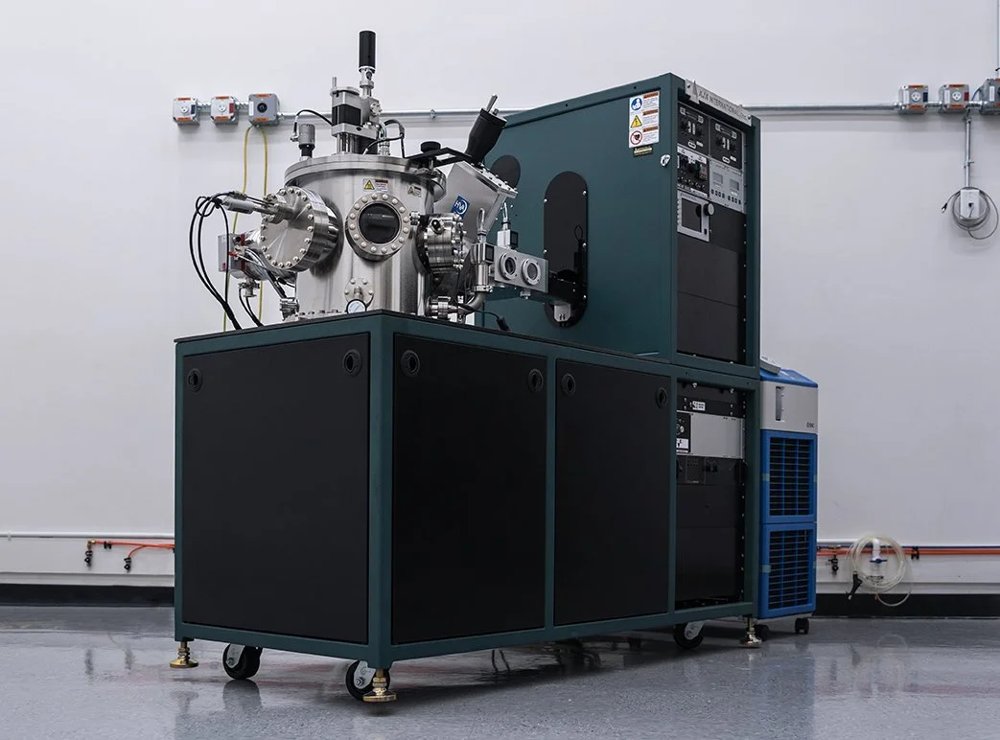 Orion Sputtering Deposition SystemsAJA International Featured
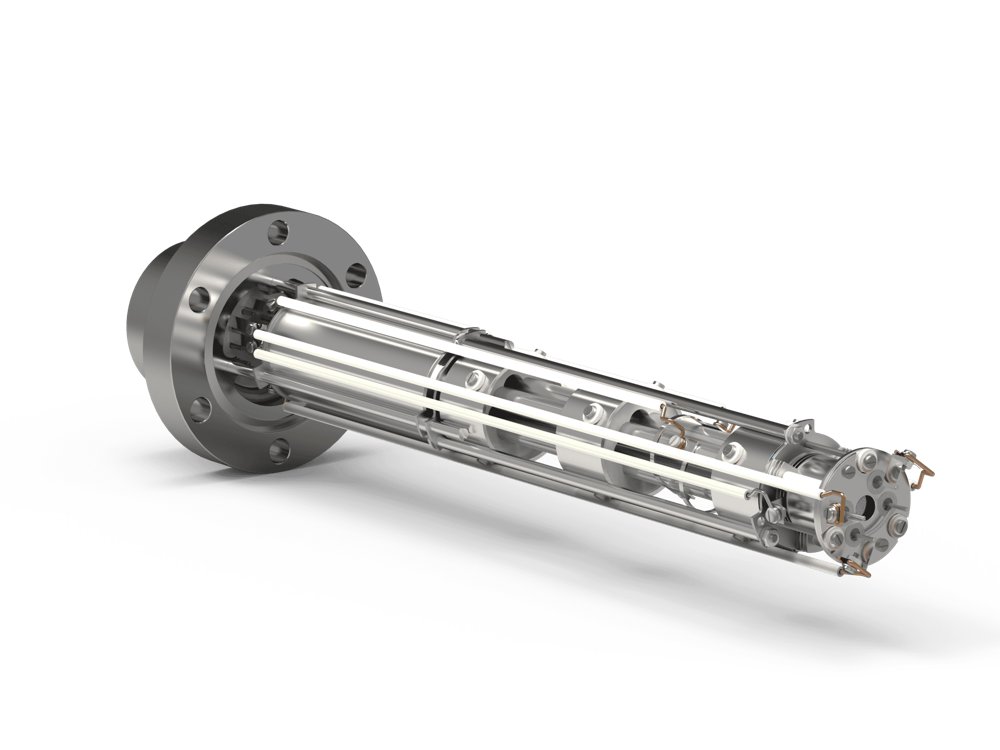 DLS-1 Mass Spectrometer for Fusion Gas AnalysisHiden Analytical Featured
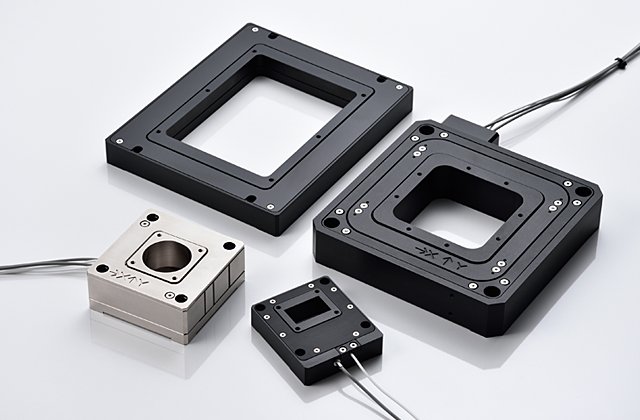 PKVH / PKVL ZAxis With an opening modelTHK PRECISION CO.,LTD.
Market insights
Last 30 days: Quantum Technologies drew the most money: $3.17B.
Money raised per month