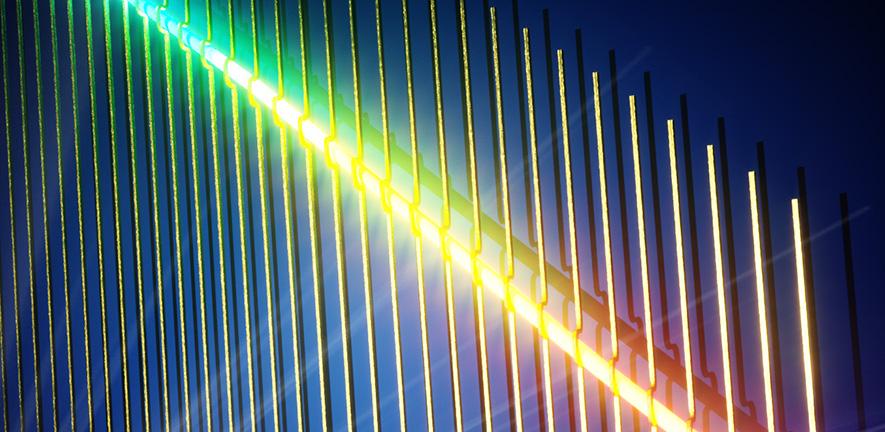
Scientists have designed an ultra-miniaturised device that could image single cells without the need for a microscope or make chemical fingerprint analysis possible from within a smartphone camera.
The device, made from a single nanowire 1000 times thinner than a human hair, is the smallest spectrometer ever designed. It could be used in potential applications such as assessing the freshness of foods, the quality of drugs, or even identifying counterfeit objects, all from a smartphone camera. Details are reported in the journal Science.
In the 17th century, Isaac Newton, through his observations on the splitting of light by a prism, sowed the seeds for a new field of science studying the interactions between light and matter – spectroscopy. Today, optical spectrometers are essential tools in industry and almost all fields of scientific research. Through analysing the characteristics of light, spectrometers can tell us about the processes within galactic nebulae, millions of light years away, down to the characteristics of protein molecules.
However, even now, the majority of spectrometers are based around principles similar to what Newton demonstrated with his prism: the spatial separation of light into different spectral components. Such a basis fundamentally limits the size of spectrometers in respect: they are usually bulky and complex, and challenging to shrink to sizes much smaller than a coin. Four hundred years after Newton, University of Cambridge researchers have overcome this challenge to produce a system up to a thousand times smaller than those previously reported.
The Cambridge team, working with colleagues from the UK, China and Finland, used a nanowire whose material composition is varied along its length, enabling it to be responsive to different colours of light across the visible spectrum. Using techniques similar to those used for the manufacture of computer chips, they then created a series of light-responsive sections on this nanowire.
“We engineered a nanowire that allows us to get rid of the dispersive elements, like a prism, producing a far simpler, ultra-miniaturised system than conventional spectrometers can allow,” said first author Zongyin Yang from the Cambridge Graphene Centre. “The individual responses we get from the nanowire sections can then be directly fed into a computer algorithm to reconstruct the incident light spectrum.”
“When you take a photograph, the information stored in pixels is generally limited to just three components – red, green, and blue,” said co-first author Tom Albrow-Owen. “With our device, every pixel contains data points from across the visible spectrum, so we can acquire detailed information far beyond the colours which our eyes can perceive. This can tell us, for instance, about chemical processes occurring in the frame of the image.”
“Our approach could allow unprecedented miniaturisation of spectroscopic devices, to an extent that could see them incorporated directly into smartphones, bringing powerful analytical technologies from the lab to the palm of our hands,” said Dr Tawfique Hasan, who led the study.
One of the most promising potential uses of the nanowire could be in biology. Since the device is so tiny, it can directly image single cells without the need for a microscope. And unlike other bioimaging techniques, the information obtained by the nanowire spectrometer contains a detailed analysis of the chemical fingerprint of each pixel.
The researchers hope that the platform they have created could lead to an entirely new generation of ultra-compact spectrometers working from the ultraviolet to the infrared range. Such technologies could be used for a wide range of consumer, research and industrial applications, including in lab-on-a-chip systems, biological implants, and smart wearable devices.
The Cambridge team has filed a patent on the technology, and hopes to see real-life applications within the next five years.
Reference:
Zongyin Yang et al. ‘Single nanowire spectrometers.’ Science (2019). DOI: 10.1126/science.aax8814
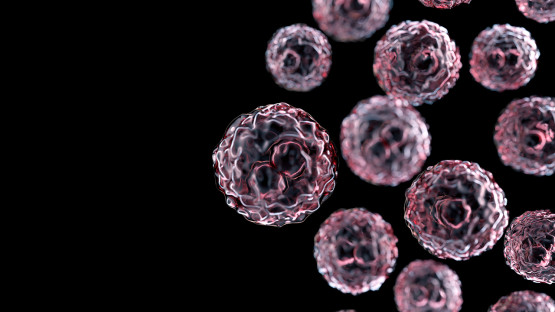
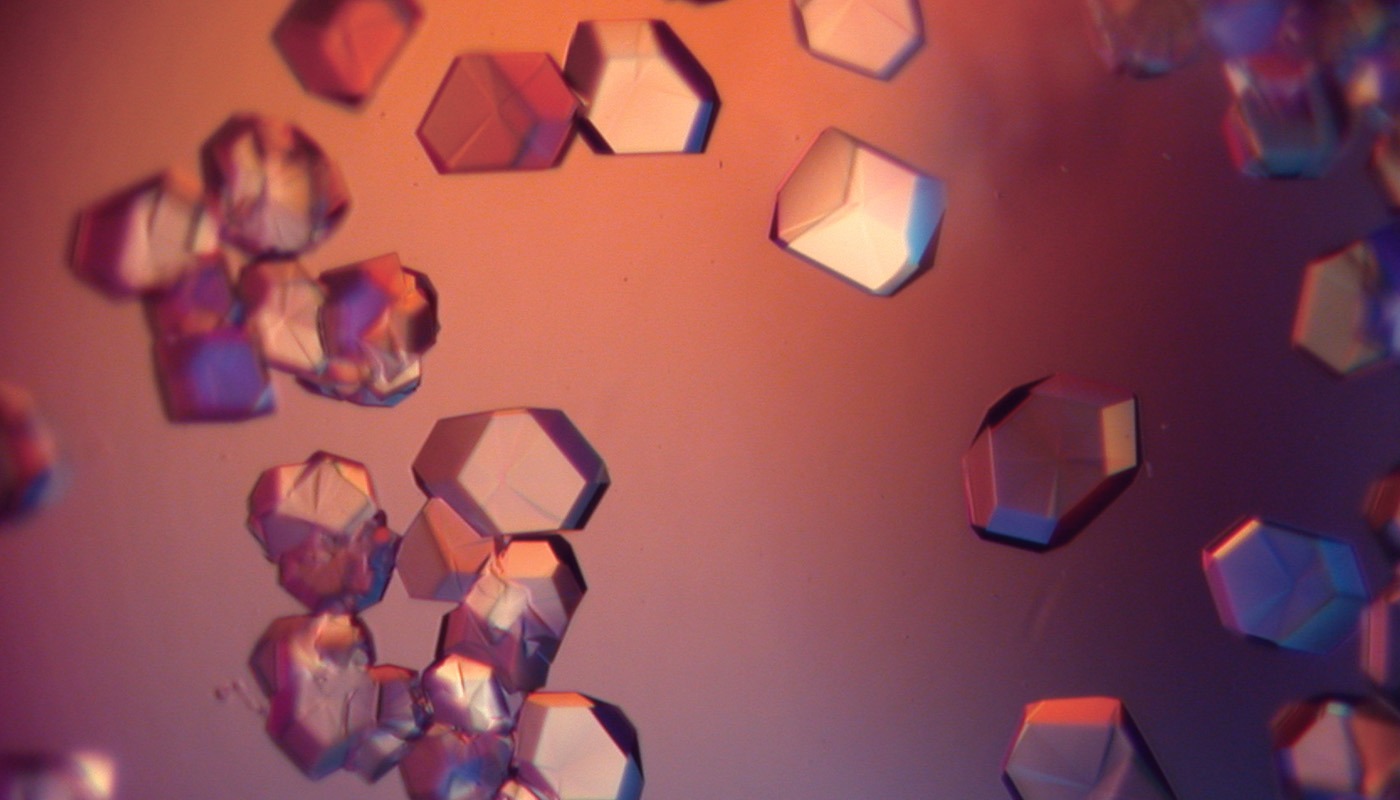
Cornell and Pacific Northwest National Laboratory researchers have developed a predictive model for how crystals such as calcite incorporate silica nanoparticles, revealing that the energy needed to cross water layers at the crystal surface strongly governs uptake, and that amines rather than carboxylic acids bind best.
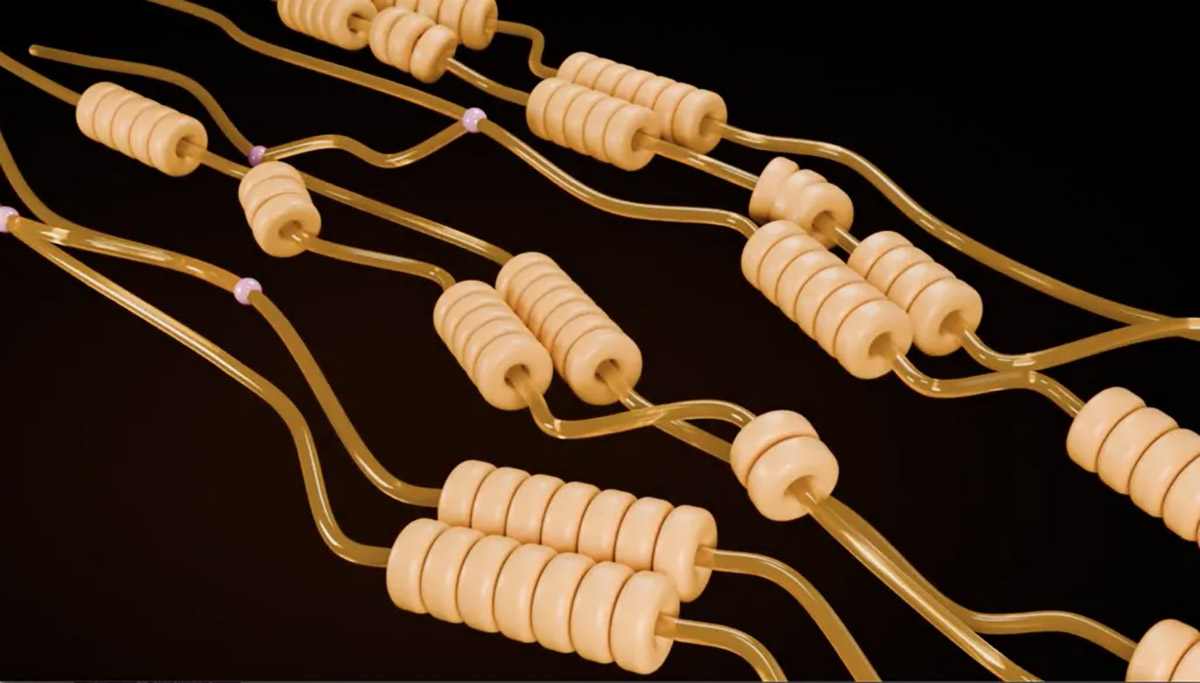
A polymer hydrogel that grows stronger under repeated bending and strain has been developed by chemists, who report the material survived 10,000 bending cycles in tests on a knee-like joint. Made from a biodegradable blend of sugar crystals and polyethylene glycol, the 3D printable material uses sliding cyclodextrin rings to reinforce stressed regions, mimicking collagen.
Rigaku has introduced the PhotonJetMAX-S microfocus sealed-tube X-ray source for the XtaLAB Synergy-S, delivering more than twice the diffracted intensity of the PhotonJet-S at a peak power of 50 W.
This week in nanotech
$18.9M raised
4 funding rounds · 31 deals tracked
New products
 Nion-compatible In Situ STEM Holders for Electrical BiasingHummingbird Scientific Featured
 Ti-WCMBN Nanomaterialia Featured
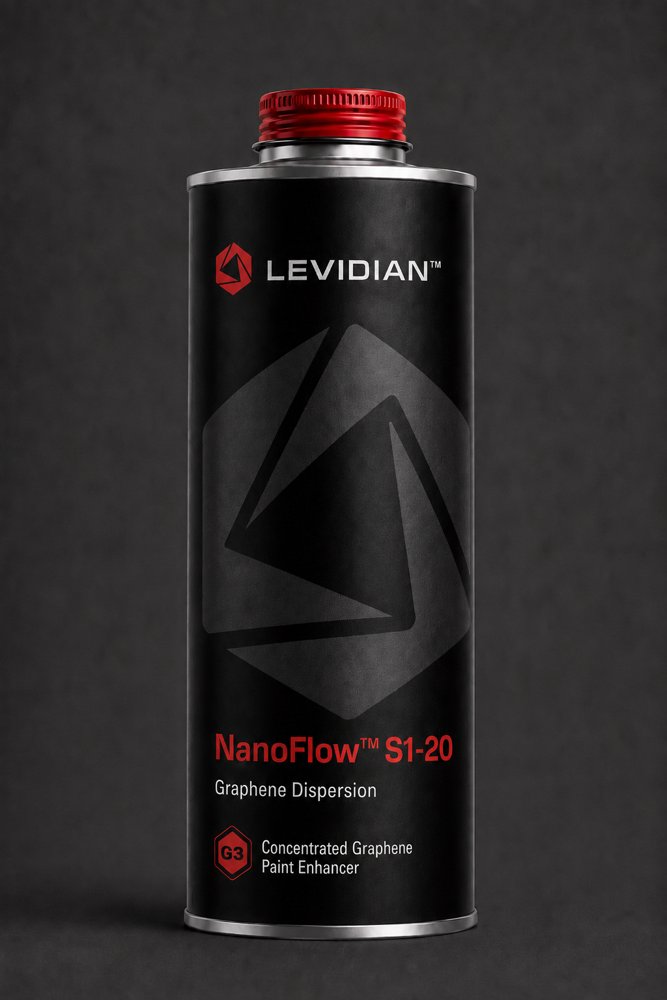 NanoFlow® S1-20Levidian
Market insights
Last 30 days: Semiconductors & Electronics was the busiest vertical: 52 of 170 events (31%).
Money raised per month
Behind the deal
Who led Eindhoven University of Technology’s $1.1M Grant?
See the investors with Insights Pro →