
Reno, 2 November 2026. NevadaNano announced MethaneTrack 3.0, the latest version of its continuous methane emissions monitoring system. The release combines enhanced dashboard analytics and reporting with the latest-generation Leak Source Isolation (LSI) technology. It builds on deployments across more than 500 sites in 22 countries.
MethaneTrack combines intrinsically safe wireless endpoint detectors, wind measurements and cloud-based analytics to continuously detect, localize and quantify methane emissions across onshore and offshore operations. The 3.0 release adds a KPI view that organizes active events by severity and carbon dioxide equivalent (CO2e). Enhanced event visualization and time-series analysis provide average, maximum and hourly leak-rate data as separate points of analysis.
"Operators need more than an alert that methane is present. They need to understand where emissions are coming from, how they are changing and which events require attention first," said Ian Rogoff, CEO of NevadaNano. "MethaneTrack 3.0 brings that information together with the historical data and reporting tools teams need to establish a baseline, track improvements and manage emissions across their operations."
Expanded reporting capabilities include an Emissions Summary Report with flexible filtering by site, region, asset and reporting period. Equipment Uptime reports document monitoring continuity and help identify potential gaps in data coverage. The system keeps emissions records alongside evidence of monitoring-system operation for operational, corporate and regulatory reporting.
MethaneTrack 3.0 uses latest-generation LSI models for methane detection, source localization and quantification. For the past nine months the system has been deployed at the Methane Emissions Technology Evaluation Center (METEC) at Colorado State University. Testing included controlled releases from multiple equipment types at rates from 0.1 to 25 kg/h. In a 12-week controlled-release study at METEC, MethaneTrack detected 100% of leaks above 0.6 kg/h with zero false positives.
MethaneTrack uses Close-Proximity Continuous Monitoring (CPCM), placing wireless endpoint detectors on or near potential emission sources. The endpoints are certified for Class I, Division 1 and Zone 0 hazardous locations, have a five-year battery life with no required field calibration, and operate from -40°C to 75°C and up to 100% relative humidity.
Source: Nevada Nano news
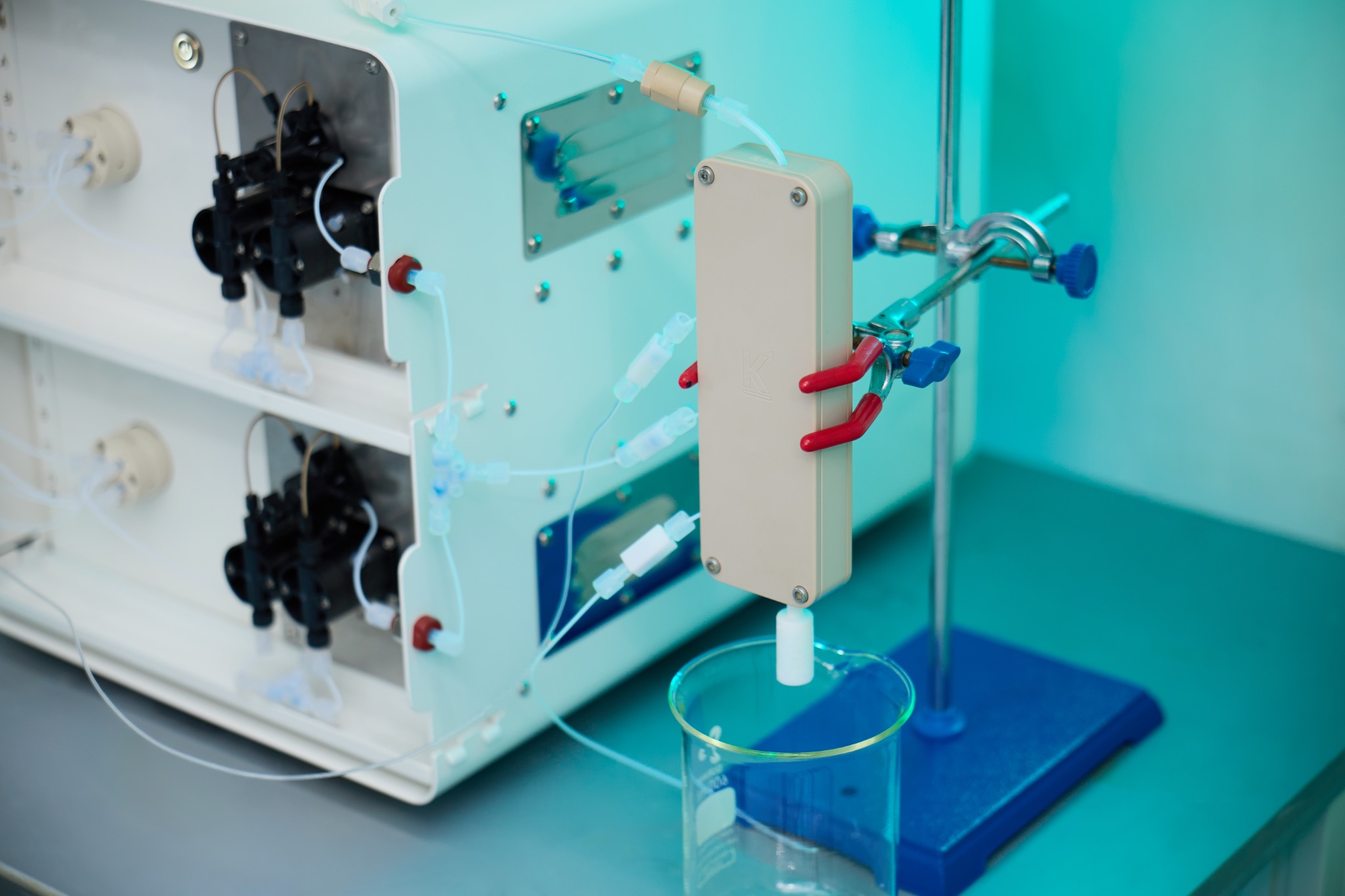
Accelerated Materials has launched the K1 Pro, an automated four-reagent microreactor for 1 kg/day nanoparticle synthesis. The company says processes developed on it move to its K10 and K100 systems with minimal reconfiguration.
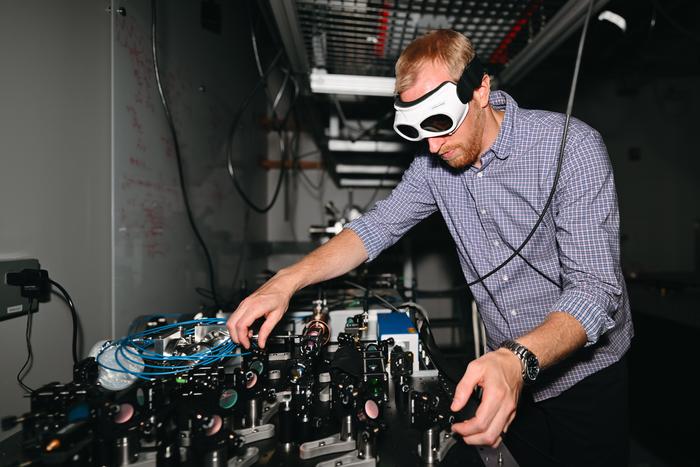
Breakthrough from a team led by Jacob Covey, associate professor in the University of Chicago’s Pritzker School of Molecular Engineering and Department of Physics, turns helium-3’s low mass into a quantum resource

Researchers at the University of Osaka have developed an autonomous solid-state nanopore that senses molecules, generates electrical signals, and retains memory of recent events without external control. Chemical reactions inside the pore continuously reshape its structure, producing molecule-specific signal patterns. Machine learning distinguished DNA nucleotides and amino acids from these signatures. Published in ACS Nano.
This week in nanotech
$548.4M raised
3 funding rounds · 32 deals tracked
New products
 Ti-WCMBN Nanomaterialia Featured
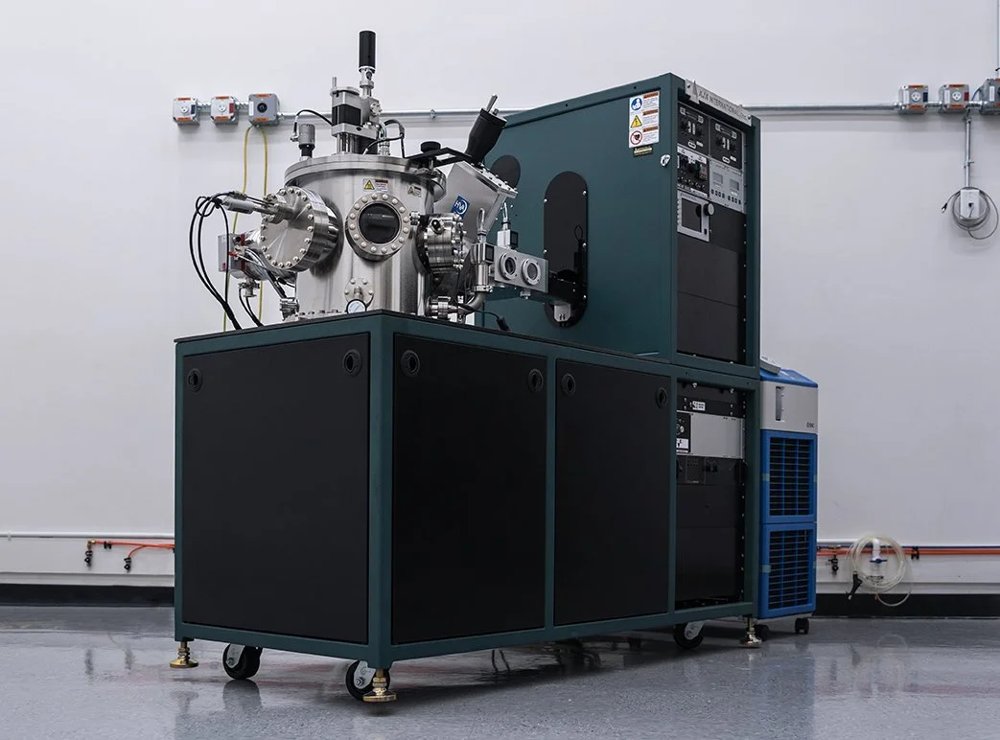 Orion Sputtering Deposition SystemsAJA International Featured
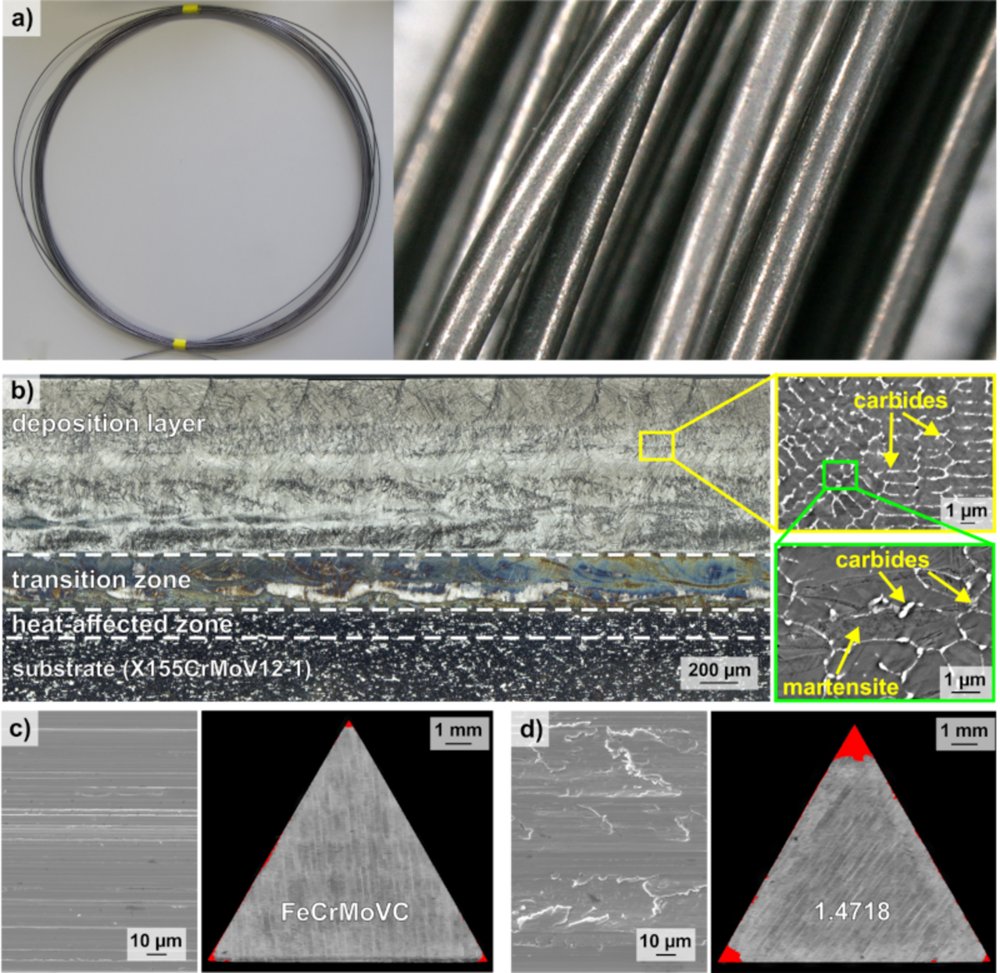 Fe85Cr4Mo8V2C1 wire filler materialLeibniz Institute for Solid State and Materials Research Dresden - IFW Dresden
Market insights
Last 30 days: Quantum Technologies drew the most money: $2.15B.
Money raised per month