Scottsdale, 14 October 2026. onsemi (Nasdaq: ON) announced that Sungrow has adopted onsemi's latest EliteSiC silicon carbide (SiC) hybrid power module technology for the Sungrow PowerTitan 3.0 energy storage platform.
The PowerTitan 3.0 platform incorporates onsemi's high-density power integrated modules (PIMs), optimized for advanced three-level inverter architectures used in high-power energy storage applications. Compared with the previous-generation platform, the new architecture improves inverter-level efficiency by 0.4%. The architecture supports power conversion units rated up to 450 kW.
According to onsemi analysis, a 0.4% efficiency improvement delivered by the new SiC hybrid module could save more than 475 MWh of energy annually in a 100 MW battery energy storage installation compared with the previous-generation module. The design win builds on a long-standing strategic relationship between onsemi and Sungrow.
"By integrating advanced technologies and collaborating with strategic partners such as onsemi, Sungrow is accelerating the deployment of higher-performance storage solutions that deliver greater value throughout the lifecycle of energy assets," said Chen Peng, General Manager of Energy Storage Conversion Product Line at Sungrow Energy Storage Business Unit. Sungrow estimates delivering 10 GWh of PowerTitan 3.0 across Europe in 2026.
Source: onsemi news
Wolfspeed and Infineon expanded and extended their long-term silicon carbide wafer supply agreement. The deal adds 200 mm silicon carbide wafers to the existing 150 mm supply.
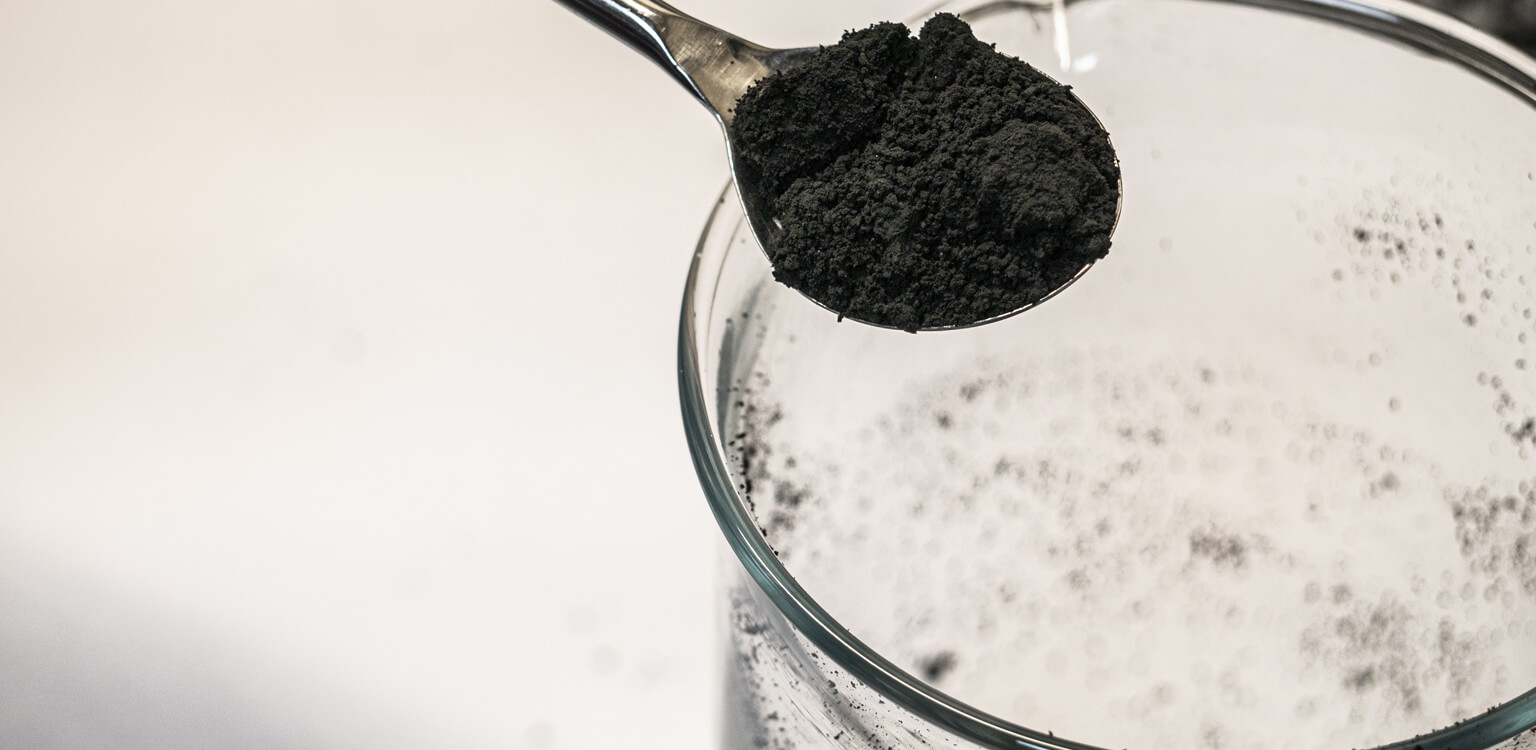
Nanomate by Phi4tech has announced carbon nanomaterials for polymer composites, including carbon nanofibers, reduced graphene oxide, and graphene oxide with metal nanoparticles. The company says these improve mechanical, electrical, and thermal properties.
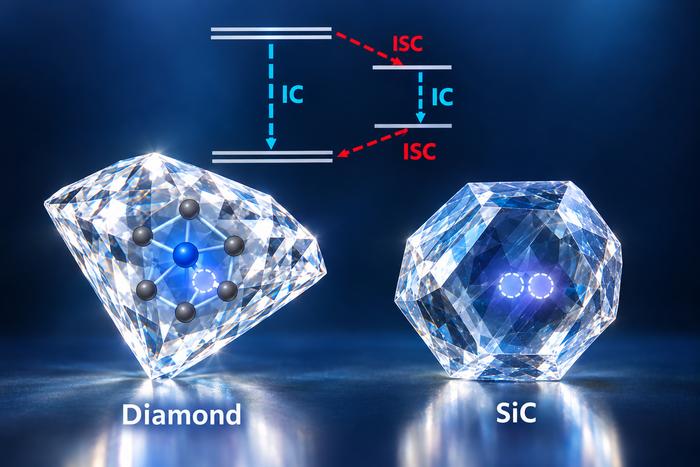
Researchers at UChicago PME developed a computational framework that models the full optical cycle of spin defects in solids, including internal conversion, the energy-loss pathway that has resisted accurate prediction. Applied to nitrogen-vacancy centers in diamond, it matched spectroscopy data; in silicon carbide divacancies, it revealed internal conversion strongly limits triplet excited-state lifetimes, resolving a long-standing theory-experiment discrepancy.