Optics11 has secured €50 million in follow-on equity investment. The Dutch company develops fibre optic sensing for underwater intelligence and energy grids. The round takes total investment in the company to more than €100 million in 15 months.
The round is backed by existing institutional investors FORWARD.one, Value Creation Capital, SET Ventures and JOIN Capital. All four reinvested. The capital will support increased manufacturing and international expansion, the company said.
Optics11 said its international pipeline and order book are expanding. It cites earlier warning and more precise subsea detection compared with traditional active electrical sensing methods. Its technology uses light to capture minute acoustic signals rather than powered electronics at the sensing point. The company says this keeps the sensing point silent and immune to electromagnetic interference.
Underwater, OptiBarrier provides persistent seabed sensing and can detect and classify targets at distances of up to 100 kilometres from the shoreline. OptiArray is a mobile towed array for anti-submarine warfare and maritime surveillance. In energy grids, OptiFinder detects and localises partial discharge in high-voltage assets and is in live deployment globally. OptiFinder can support up to 32 passive sensors from a single unit and provides centimetre-level localisation.
Earlier this year, the Dutch Ministry of Defence selected Optics11's containerised OptiArray technology for its ASWINABO (Anti-Submarine Warfare In A Box) programme. The programme is intended to strengthen the readiness and self-sufficiency of the Royal Netherlands Navy.
Paul Heiden, CEO of Optics11, said: “This investment gives us the ability to scale our manufacturing and international capabilities, deliver on that growing demand and continue working with partners to bring advanced sensing technology to the markets where it is needed most.” Optics11 was founded in 2011 as a spin-out from Vrije Universiteit Amsterdam.
Source: Optics11 news
Nokia has placed several repeat orders for AIXTRON G10-AsP systems, with deliveries scheduled throughout 2027, expanding its InP PIC manufacturing capacity.
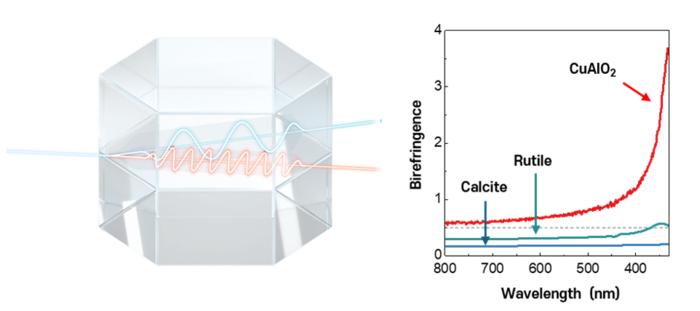
Researchers at KAIST and collaborators have identified copper aluminum oxide (CuAlO2) as an oxide semiconductor that combines high visible light transmission with birefringence roughly 120 times that of quartz for violet light, allowing half-wave plates just 173 nanometers thick. The effect stems from dumbbell-shaped O-Cu-O atomic structures that permit or suppress absorption depending on polarization direction. The team also observed hyperbolic optical behavior in the ultraviolet.
The EU-funded project 2DFIRE has started with a budget of €4.92 million and seven partners from five countries. It will combine barium titanate with graphene and MoS2 for electro-optic modulators in AI and HPC data centres.
This week in nanotech
25 deals tracked
New products
 Ti-WCMBN Nanomaterialia Featured
 DLS-1 Mass Spectrometer for Fusion Gas AnalysisHiden Analytical Featured
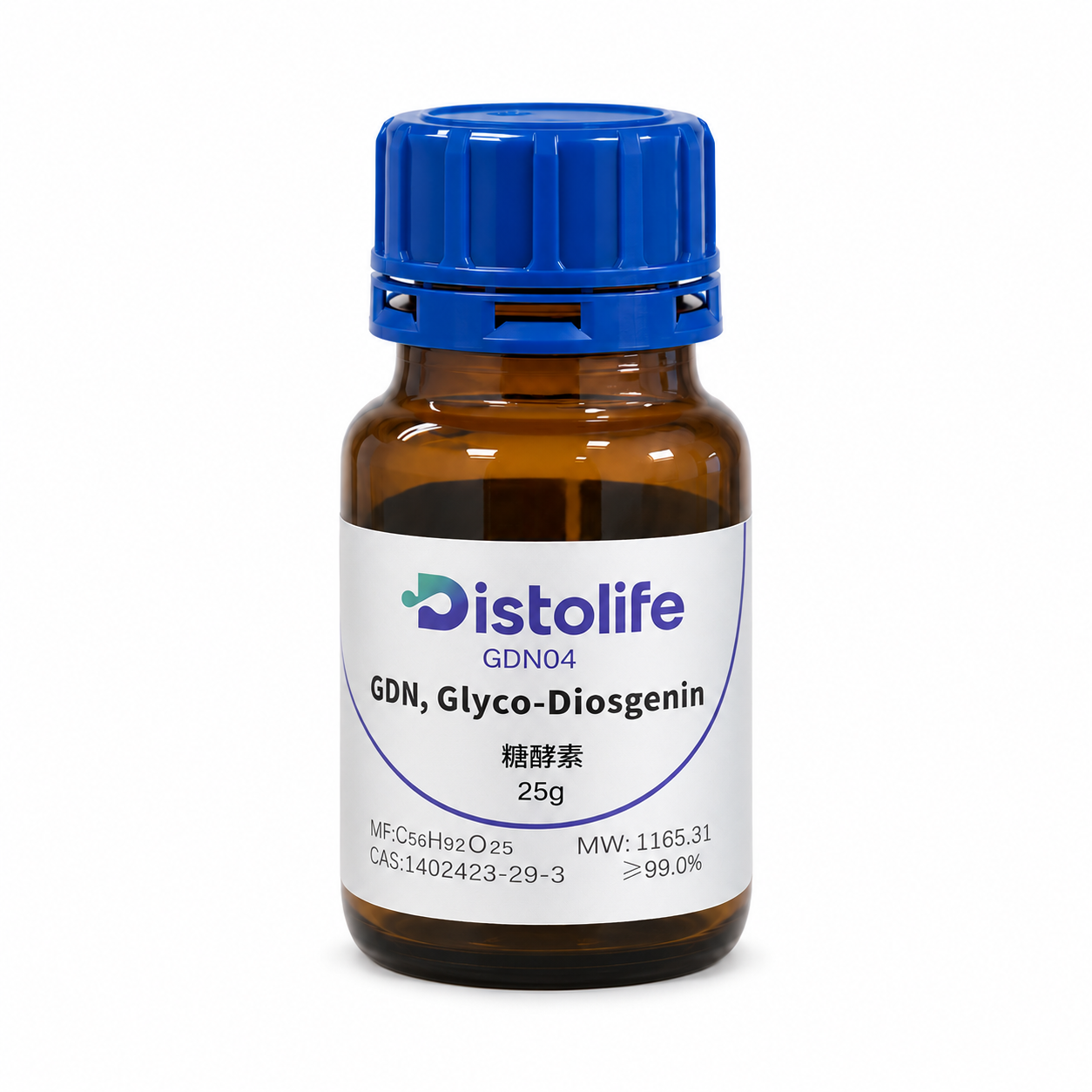 GDN (Glyco-Diosgenin)Distolife Shanghai Co., Ltd
Market insights
Last 30 days: Semiconductors & Electronics was the busiest vertical: 54 of 175 events (31%).
Money raised per month