Palo Alto, 12 November 2026. PsiQuantum and AMD announced an expanded strategic partnership to co-design the computing infrastructure required to operate utility-scale, fault-tolerant quantum computers and the hybrid applications that combine quantum, high-performance and AI computing. The companies said the work builds on existing collaboration around AMD Versal FPGA technology, which PsiQuantum selected for development of its fault-tolerant quantum computing platform.
The expanded relationship spans AMD Instinct GPUs, AMD EPYC CPUs and the AMD ROCm software stack, combined with PsiQuantum's silicon photonics platform and its fully integrated platform. AMD also plans to make an equity investment into PsiQuantum to reinforce its commitment to the partnership. The companies expect the integration of classical high-performance, AI and photonic quantum computing technology to form a hybrid computing fabric.
"Quantum computing will enable solving problems in healthcare, materials, energy, finance, and other domains that are out of reach today, working in concert with AI and high-performance computing," said Victor Peng, Chief Executive Officer of PsiQuantum. Mark Papermaster, Executive Vice President, Chief Technology Officer, AMD, said: "We see that same opportunity with quantum computing, where leadership in classical computing is essential to building systems at scale."
The collaboration aligns with the U.S. Department of Energy's recently released Quantum Genesis Priority Applications. PsiQuantum said its computational chemistry methodologies are performing beyond state-of-the-art calculations on AMD hardware today, and the planned initial focus on drug discovery falls within biological modeling, an identified emerging application area for Quantum Genesis.
PsiQuantum researchers have optimized a machine-learning decoder called PRISM for low-latency implementation on programmable hardware accelerators, aimed at real-time error correction in utility-scale photonic quantum computers. The combination of PsiQuantum's workflows with AMD's GPU expertise in large scale simulation has delivered initial results in simulation of covalent inhibitors, a class of molecules relevant in drug discovery for oncology. PsiQuantum plans to explore integrated accelerated computing solutions for commercial applications, initially focusing on pharmaceutical research and drug discovery.
Both companies will also explore expanding their collaboration with a footprint at the Illinois Quantum and Microelectronics Park (IQMP) in Chicago, where PsiQuantum serves as anchor tenant. AMD and PsiQuantum will share more about the partnership at SC26 (November 15-20) in Chicago.
Source: PsiQuantum news
PsiQuantum and AMD expanded a strategic partnership to co-design infrastructure for utility-scale, fault-tolerant quantum computers. AMD plans an equity investment in PsiQuantum.
Alice & Bob has shared Phase 1 results from PROQCIMA, the French government's quantum computing programme. It assembled and operated three demonstrators, two on 6-qubit chips and one on a 12-qubit chip.
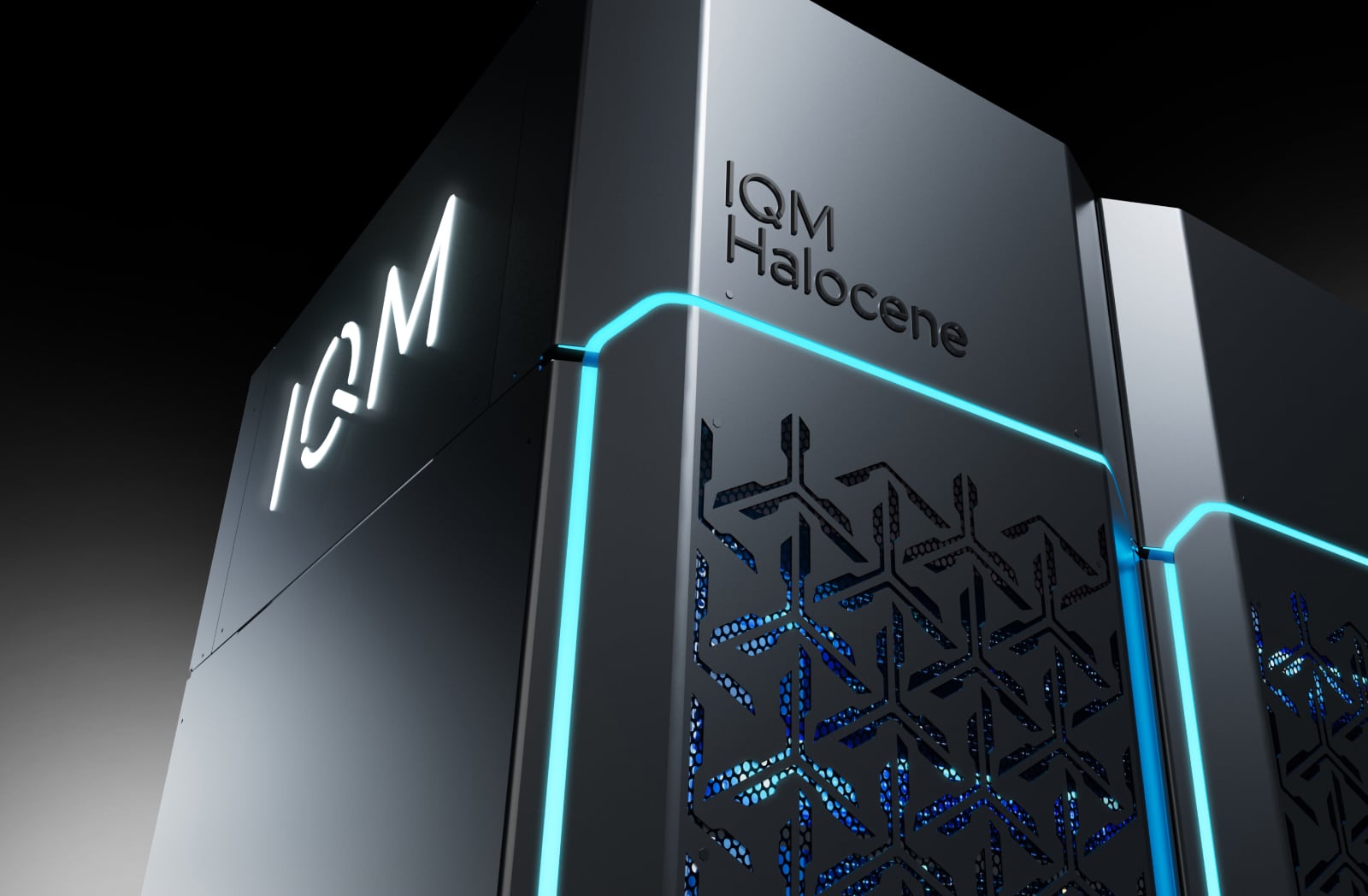
IQM announced an upgrade program for its Halocene error-correction product line, giving customers a path from a 150-qubit system to over 1,000 qubits without downtime. The HPC integration service is included with every upgrade.
This week in nanotech
$129.9M raised
6 funding rounds · 39 deals tracked
New products
 Nion-compatible In Situ STEM Holders for Electrical BiasingHummingbird Scientific Featured
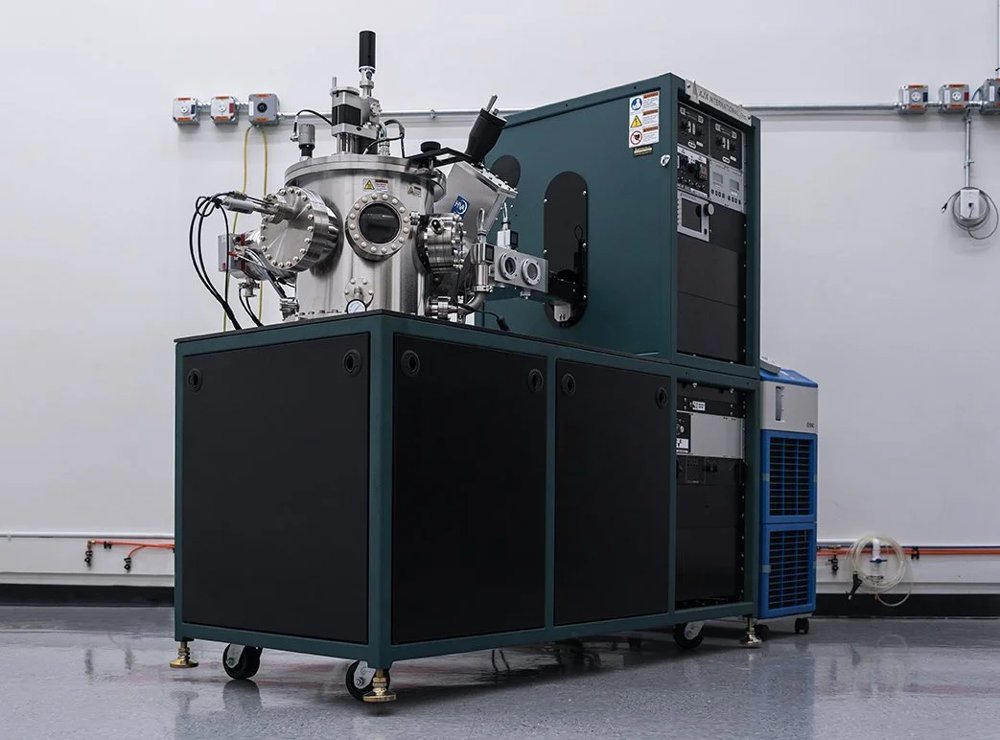 Orion Sputtering Deposition SystemsAJA International Featured
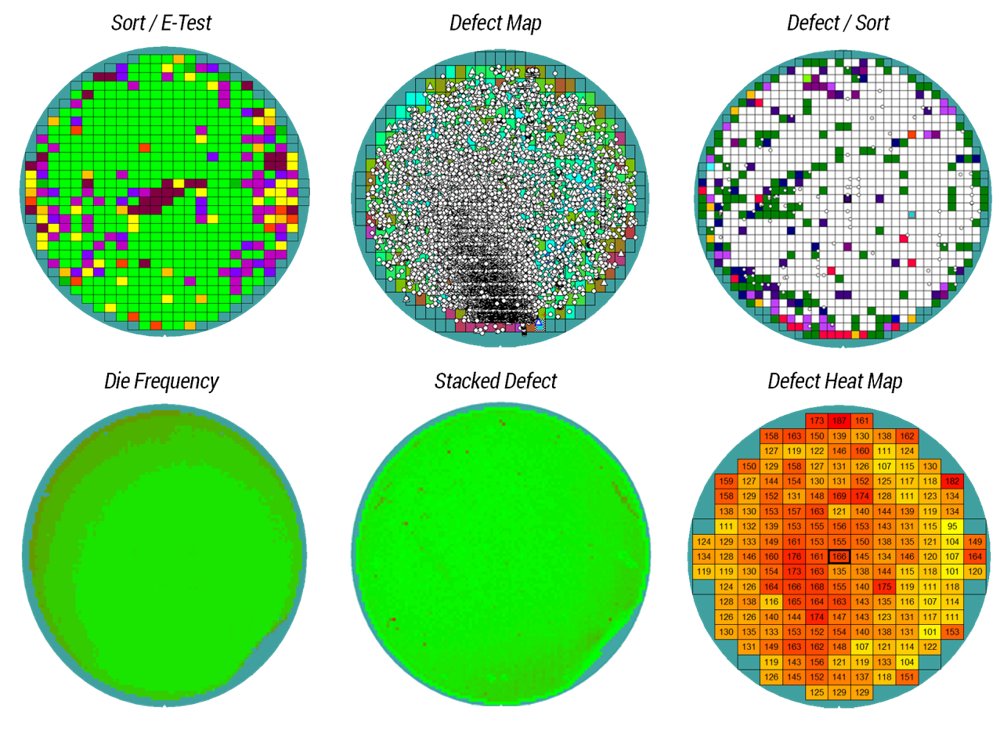 Discover Mapping SuiteOnto Innovation
Market insights
Last 30 days: Semiconductors & Electronics drew the most money: $547.7M.
Money raised per month