QuiX Quantum has been awarded the Photonic Quantum Computing Mission under Phase II of the PhotonDelta National Growth Fund (NGF) Integrated Photonics Programme. The Dutch-German developer of universal photonic quantum computers leads the mission, titled "Delivery of a 100+ Qubit Universal Quantum Computer", which runs from January 2026 through December 2028.
The mission brings together QuiX Quantum and nine Dutch industrial and academic partners. Listed partners include imec, PHIX, MicroAlign, Bruco-IC, University of Twente, Leiden University and Eindhoven University of Technology. Together they will develop and integrate twelve deliverables covering the quantum photonic stack, from low-loss chips and photon sources to detection, control electronics, packaging and manufacturing.
QuiX Quantum leads the mission, integrating the partner results at system level and tracking progress against a shared KPI and technology-readiness framework. The mission concludes with a manufacturing strategy for 100+ qubit systems. It is described as a three-year consortium project funded under Phase II of the PhotonDelta National Growth Fund Integrated Photonics Programme.
Earlier in 2026, QuiX Quantum delivered key hardware subsystems of its Carina universal photonic quantum computing architecture to the German Aerospace Center's Quantum Computing Initiative (DLR QCI). These subsystems are undergoing further system integration, commissioning and validation. In parallel, the company is advancing its next-generation fault-tolerant architecture, targeting demonstration of loss-tolerant logical-qubit capabilities between 2028 and 2030.
"This grant is a strong vote of confidence in the Dutch photonics ecosystem and in our roadmap," said Stefan Hengesbach, CEO of QuiX Quantum. "Scalable, Fault-Tolerant Quantum Computing cannot be built by one company alone. The challenges (loss, photon quality, detection, control speed and manufacturability) sit across the whole supply chain."
QuiX Quantum was founded in Enschede, the Netherlands, in 2019 and has offices in the Netherlands and Germany. The company develops integrated photonic quantum computing hardware based on silicon nitride photonic technology, with systems designed for modularity, scalability, and compatibility with data center and HPC environments.
Source: QuiX Quantum news
Alice & Bob has updated its modular roadmap to target 200 logical qubits by 2030, built from 3,600 physical cat qubits, double its previous goal. The plan sets milestones up to 2034.
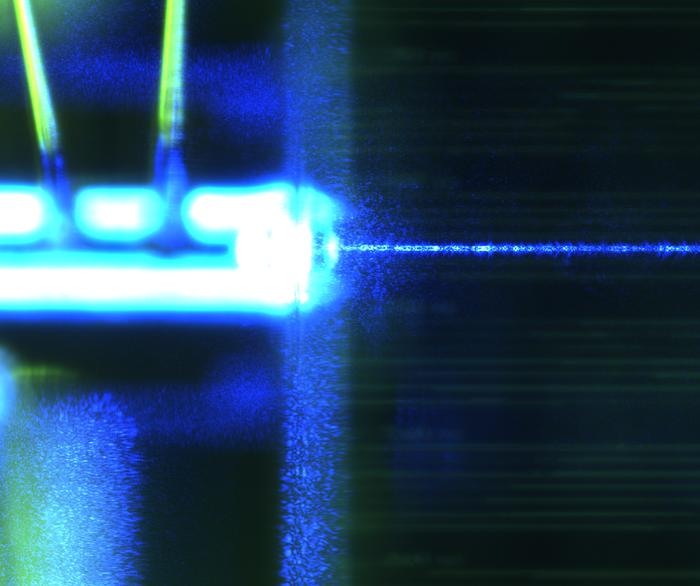
Researchers from EPFL, Purdue University and Aarhus University have demonstrated a chip-based blue laser that combines strong noise suppression with rapid electronic frequency tuning. Using waveguides just 25 nanometres thick, the design lets more light travel away from microscopic imperfections that cause fluctuations, achieving linewidths below 30 kilohertz and a tuning range approaching 900 megahertz.
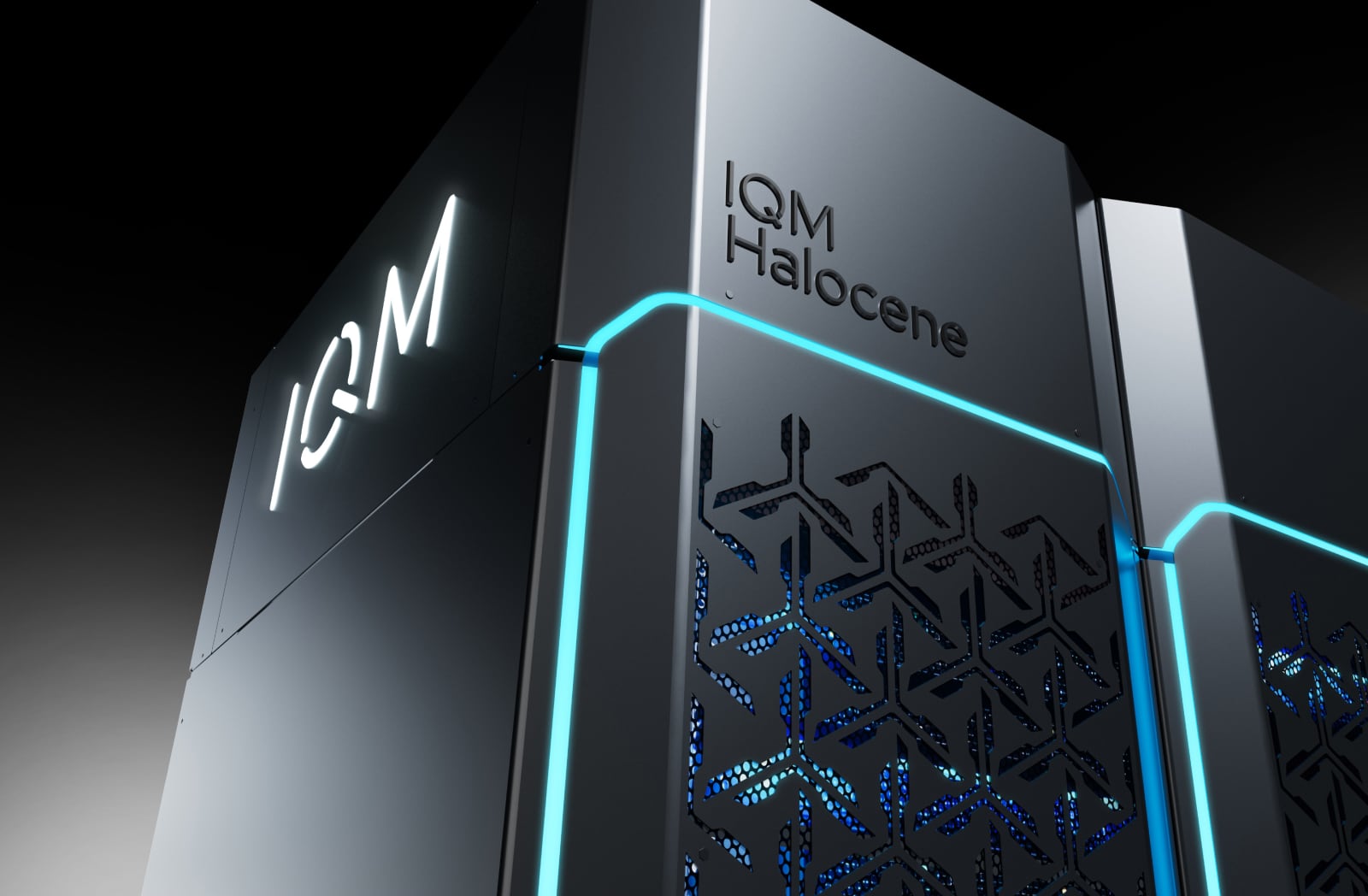
IQM Quantum Computers announced an upgrade programme for its Halocene error-correction product line, giving customers a path from a 150-qubit system to over 1,000 qubits without downtime.
This week in nanotech
20 deals tracked
New products
 Nion-compatible In Situ STEM Holders for Electrical BiasingHummingbird Scientific Featured
 Orion Sputtering Deposition SystemsAJA International Featured
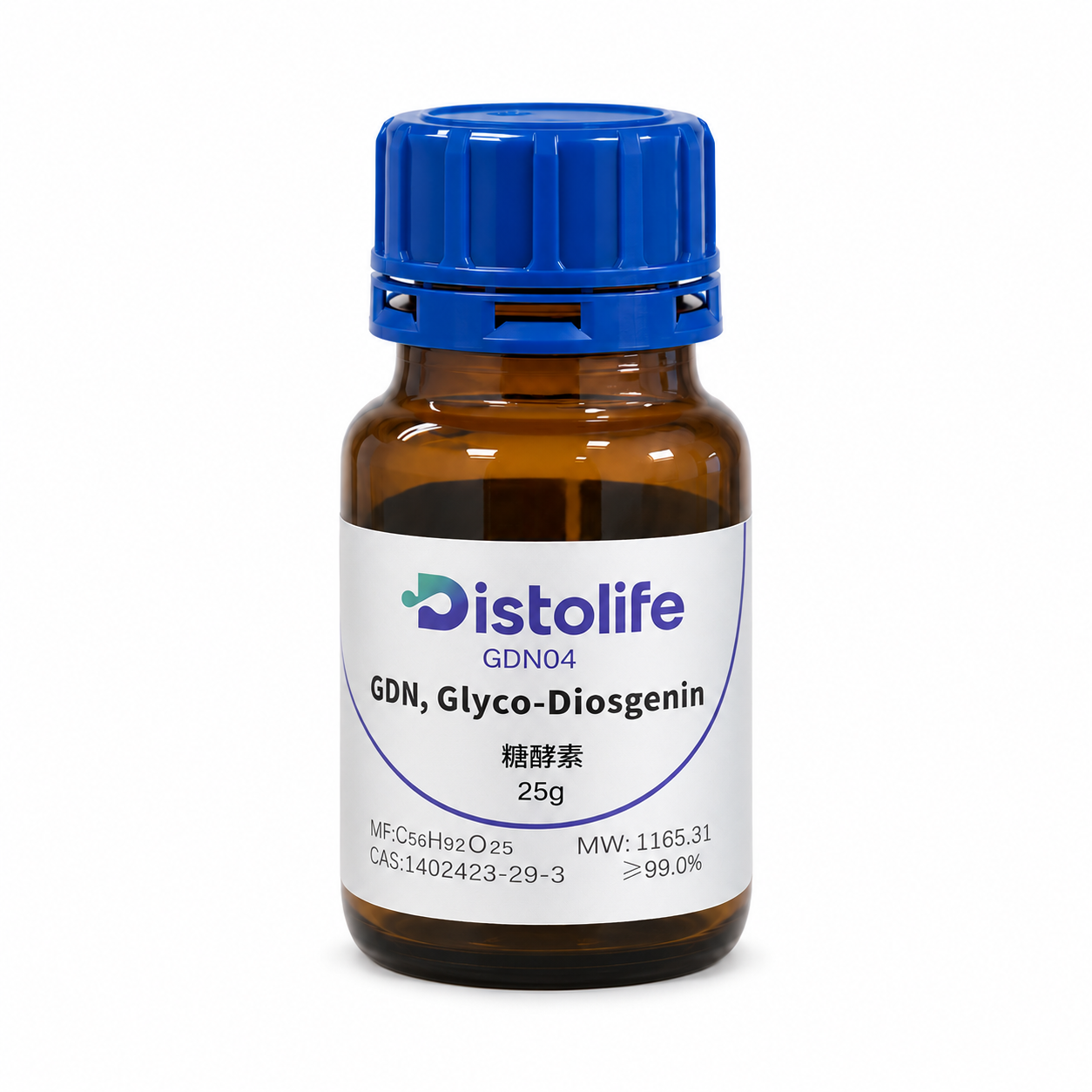 GDN (Glyco-Diosgenin)Distolife Shanghai Co., Ltd
Market insights
Last 30 days: Semiconductors & Electronics was the busiest vertical: 52 of 169 events (31%).
Money raised per month
Behind the deal
Who led Eindhoven University of Technology’s $1.1M Grant?
See the investors with Insights Pro →