Over the decades, many strains of disease-causing bacteria have evolved defenses to even the most potent antibiotics, setting off a growing health crisis. The rise of antibiotic-resistant “superbugs” has also set off an arms race. As germs find new ways to withstand drugs, researchers are looking for new ways to break down their defenses.
In a significant step forward, a research team led by Yan Yu, the Art Krieg Professor of Chemistry, in Arts & Sciences, and of biomedical engineering, at the McKelvey School of Engineering, has restored the power of failing antibiotics by combining them with two-sided nanoparticles, ultra-small building blocks of materials less than 100 nanometers across. The nanoparticles showed a remarkable ability to compromise bacterial cell walls, leaving the germs vulnerable to attack. “The nanoparticles supercharged the antibiotics,” Yu said. “This research could point to a new way to give new life to old anti-bacterial drugs.”
The study was reported in Nano Letters, a journal of the American Chemical Society. It was co-authored by Yu’s colleagues at Indiana University and Osaka University in Japan.
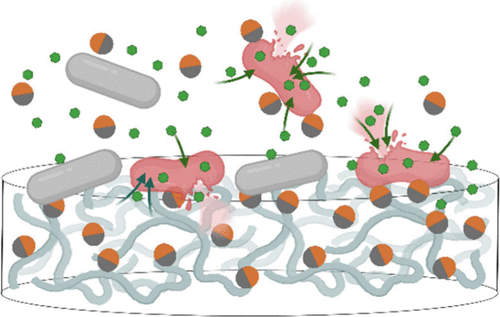
Yu and the team created nanoparticles with two distinct sides. Called Janus nanoparticles after the two-faced Roman god of beginnings and endings, the particles double the possibilities for chemists. One face was coated in positively charged molecules that help the nanoparticle attach to the bacterial cell wall. The other face is coated with hydrophobic (water-repelling) molecules that cause the cell wall to rupture. “A single Janus nanoparticle carries two punches in one shot,” Yu said.
Once the cell wall is compromised, antibiotics have a much easier time infiltrating and eventually killing germs, Yu explained. The team found that the combination of Janus nanoparticles and antibiotics killed colonies of drug-resistant strains of E. coli and A. baumannii — two types of bacteria that pose a significant human health risk — more efficiently than antibiotics alone. One of the strains of A. baumannii was an antibiotic-resistant variety collected from a hospital.
Other types of nanoparticles have been used to fight bacteria, and, in some cases, the germs have shown an ability to evolve defenses against the small-scale threats, Yu explained. But because Janus nanoparticles take a two-pronged attack directly to the cell wall, evolving any sort of resistance would likely be a slow, complicated process, she said. “If bacteria do develop some sort of resistance, it will likely be over a long time scale.”
In the event that bacteria built up defenses to one particular type of two-faced nanoparticle, researchers could always tweak the molecules attached to each side. “Janus nanoparticles are tunable and adjustable, which is a huge advantage,” Yu said.
In the future, Yu hopes to start new collaborations with researchers across WashU, including those at the McKelvey School of Engineering and at WashU Medicine. She would like to work with clinicians to test Janus nanoparticles in hospital settings, perhaps including wound healing in patients. She also would like to collaborate with researchers in chemistry and in engineering to explore new options for customizing the nanoparticles and manufacturing them in large quantities for clinical applications.
Yu has only been at WashU for a few months — she started in July — but she’s already excited about the possibilities of new connections. “WashU has so many talented researchers to work with and learn from,” she said. “This is the ideal place to move my group’s research forward.”
Reference
Amphiphilic Janus Nanoparticles Synergize with Antibiotics to Restore Susceptibility in Drug-Resistant Gram-Negative Bacteria
Martijn Zwama, Swagata Bhattacharyya, Nozomi Sakurai, Kunihiko Nishino, Yan Yu
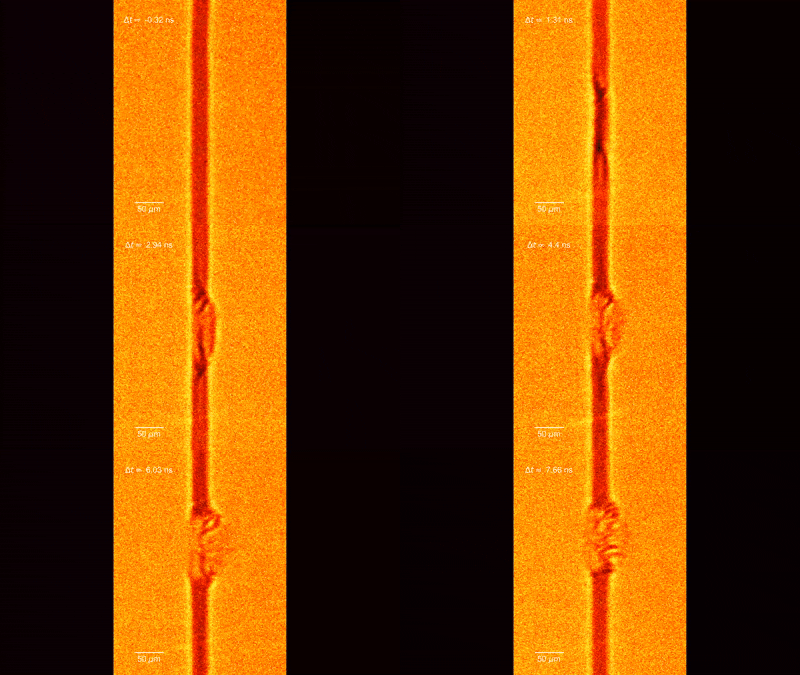
For the first time, researchers simultaneously used ultrafast X-rays and electrons to image a shockwave in water, a “multi-messenger” view that reveals details previous experiments couldn’t see. Researchers found an unexpected layer of water vapor made the shockwave symmetric, a feature similar to what happens in certain targets used for inertial confinement fusion. The work shows how researchers can use small-but-mighty systems called laser-plasma accelerators to explore the microphysics of...
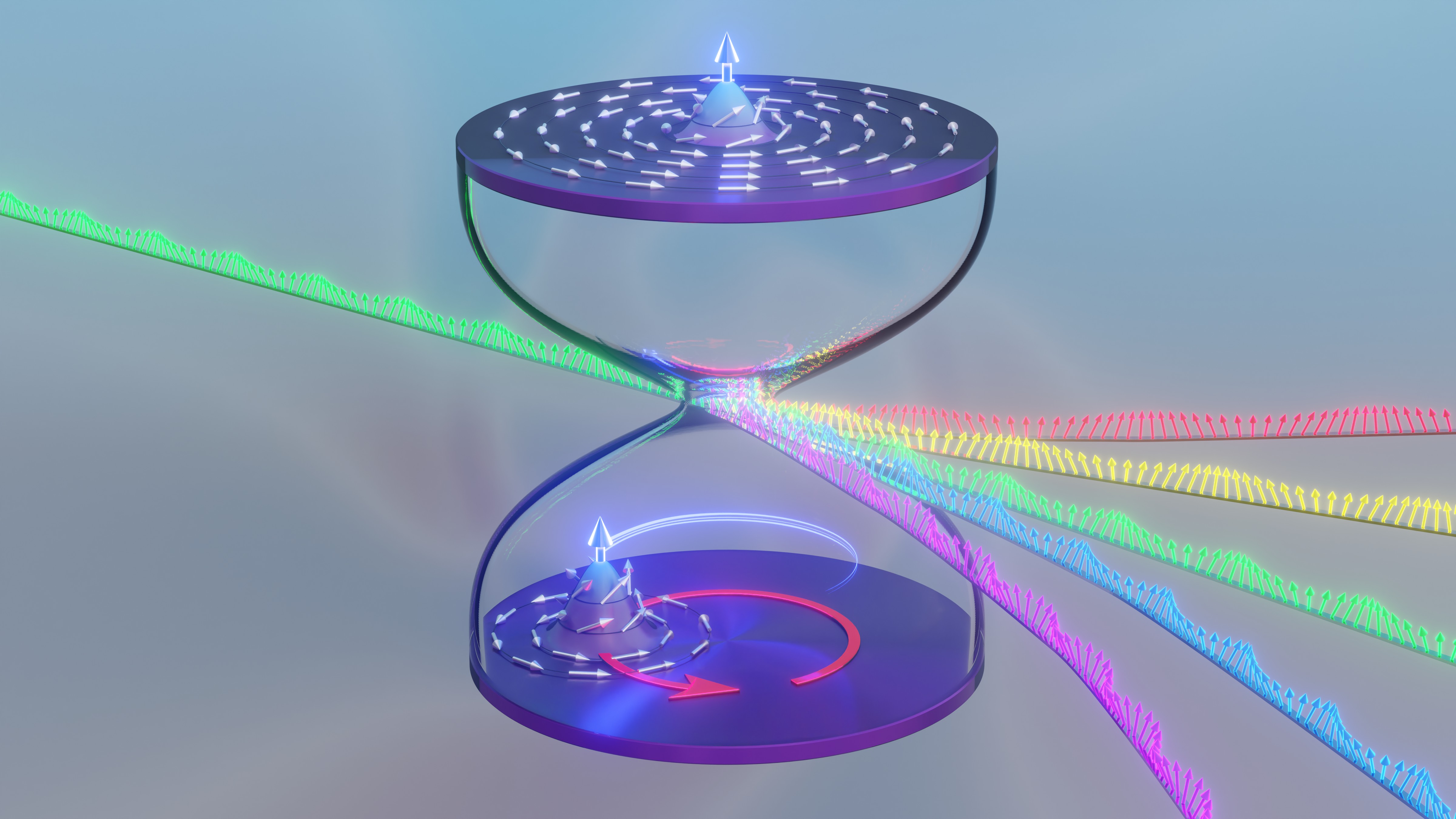
Researchers at the Helmholtz-Zentrum Dresden-Rossendorf (HZDR) have uncovered previously unobserved oscillation states – so-called Floquet states – in tiny magnetic vortices. Unlike earlier experiments, which required energy-intensive laser pulses to create such states, the team in Dresden discovered that a subtle excitation with magnetic waves is sufficient. This finding not only raises fundamental questions in basic physics but could also eventually serve as a universal adapter bridging ele...
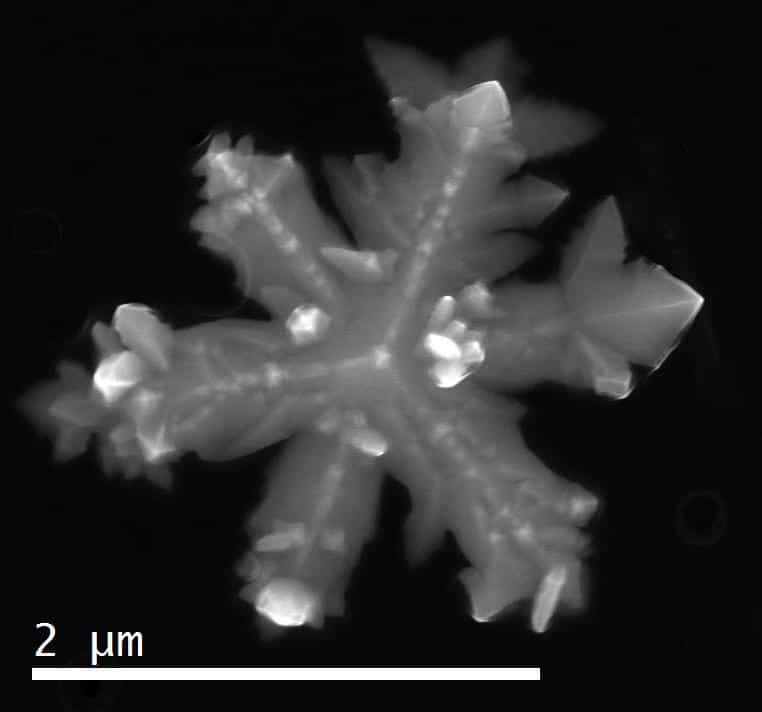
Whether they’re tickling your nose, hugging your eyelashes or melting on your tongue, few winter wonders are as fascinating as snowflakes. The freezing-cold crystals are known for their one-of-a-kind appearances, which can be attributed to the multiple scientific processes that converge during their growth. Water molecules solidify and stick together in the glacial air. As they collect, they craft complex hexagonal formations often too small for the naked eye. No two snowflakes are ever quite...
This week in nanotech
$24.4M raised
5 funding rounds · 33 deals tracked
New products
 Ti-WCMBN Nanomaterialia Featured
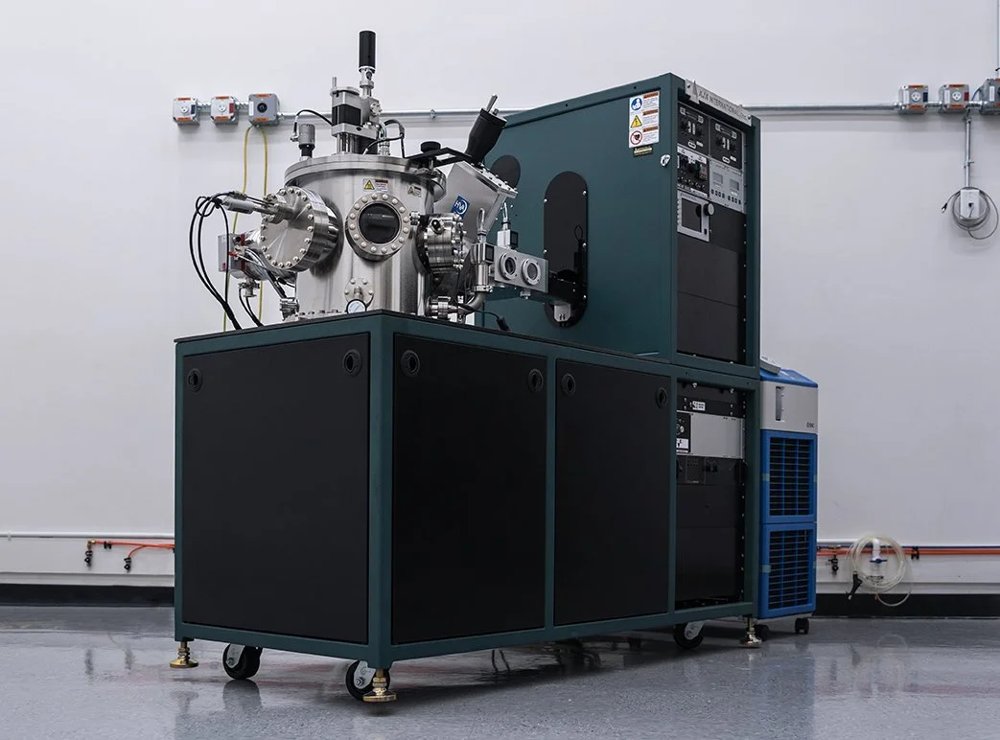 Orion Sputtering Deposition SystemsAJA International Featured
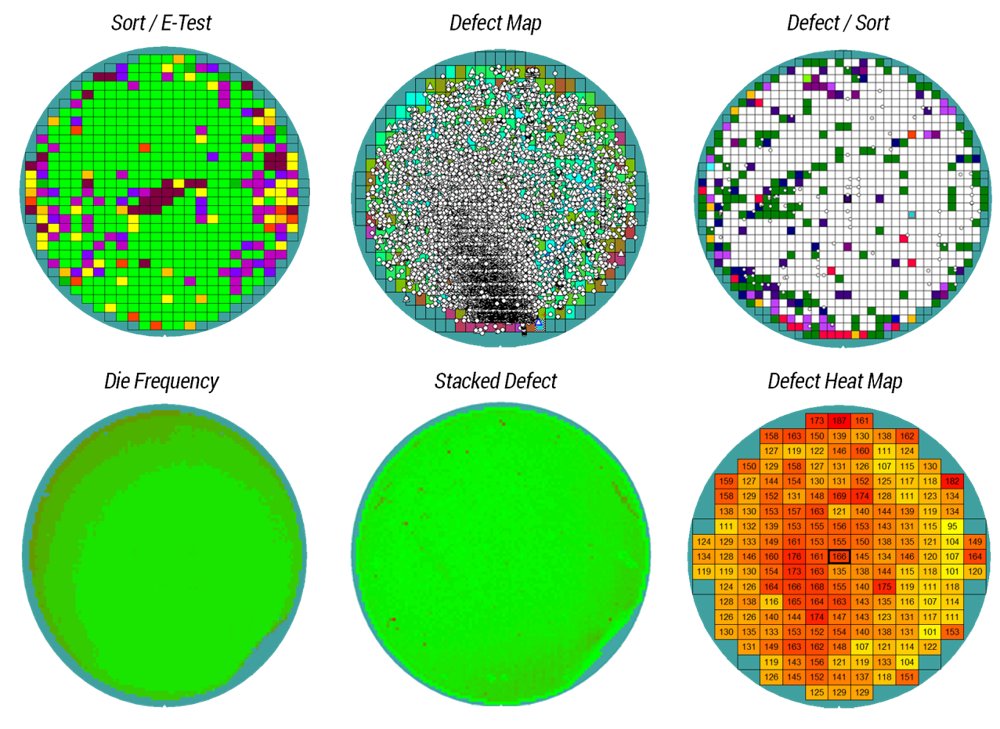 Discover Mapping SuiteOnto Innovation
Market insights
Last 30 days: Quantum Technologies drew the most money: $3.17B.
Money raised per month