Researchers at Hokkaido University have developed a new and more adaptable method for creating nanoparticles of finely controlled size. Their ‘bio-catalytic nanoparticle shaping’ (BNS) procedure, published in the journal Nanoscale Horizons, should greatly assist the production of a variety of nanoparticles for use in technology and medicine.
“One of the most promising applications is for creating assemblies of nanoparticles called quantum dots, which are small enough for their properties to be influenced by subtle quantum mechanical effects,” says Associate Professor Yuta Takano, the leader of the Hokkaido team. Takano and colleagues collaborated on the work with researchers at the University of Melbourne in Australia.
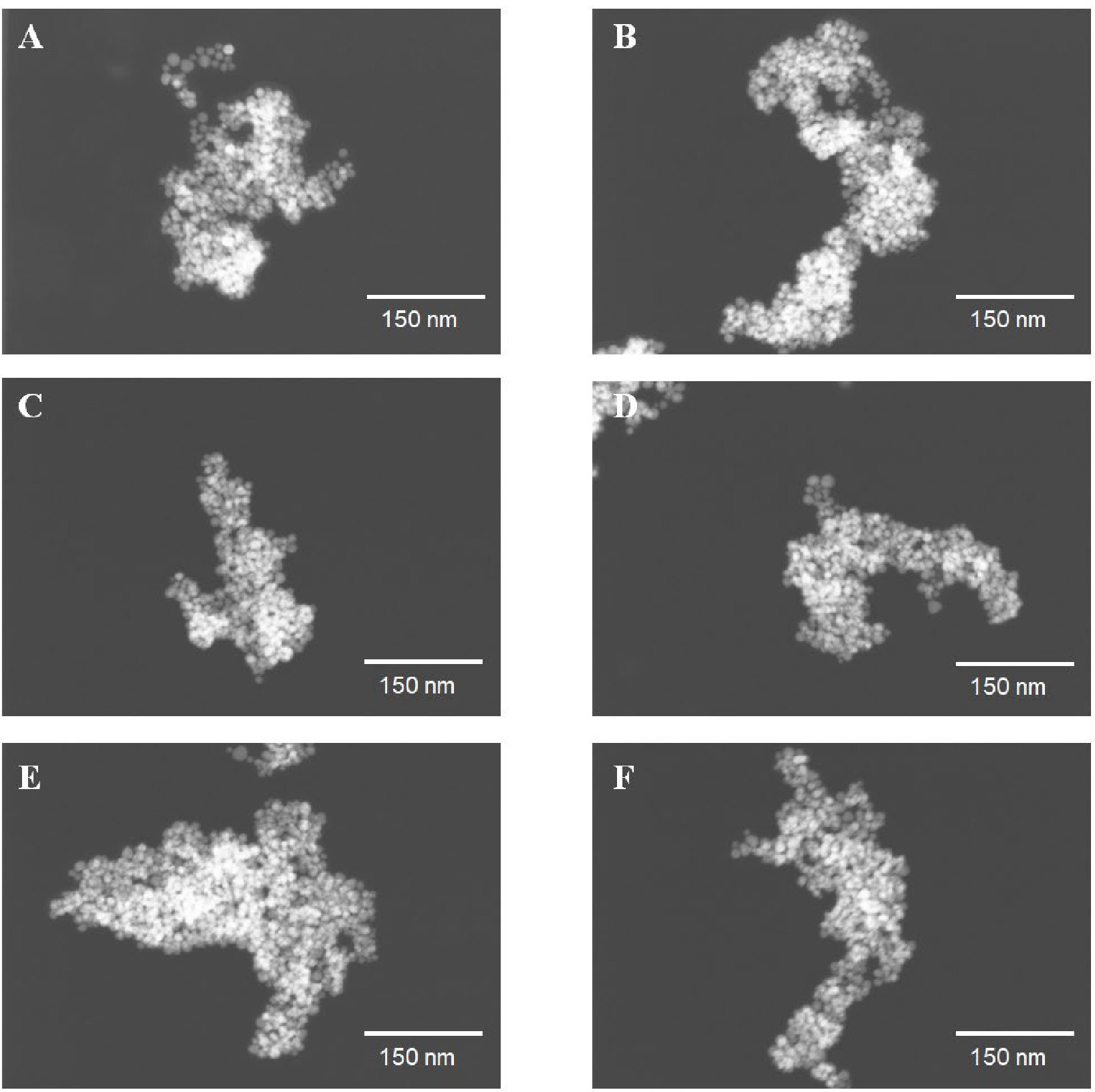
The method uses enzymes to cut specific chemical bonds in molecular assemblies that have been made by linking together small organic (carbon-based) molecules, inorganic materials, or mixed organic and inorganic components. A variety of natural and readily-obtained enzymes can cut the linker sections of the original larger structures into nanoparticles of various desired sizes and shapes.
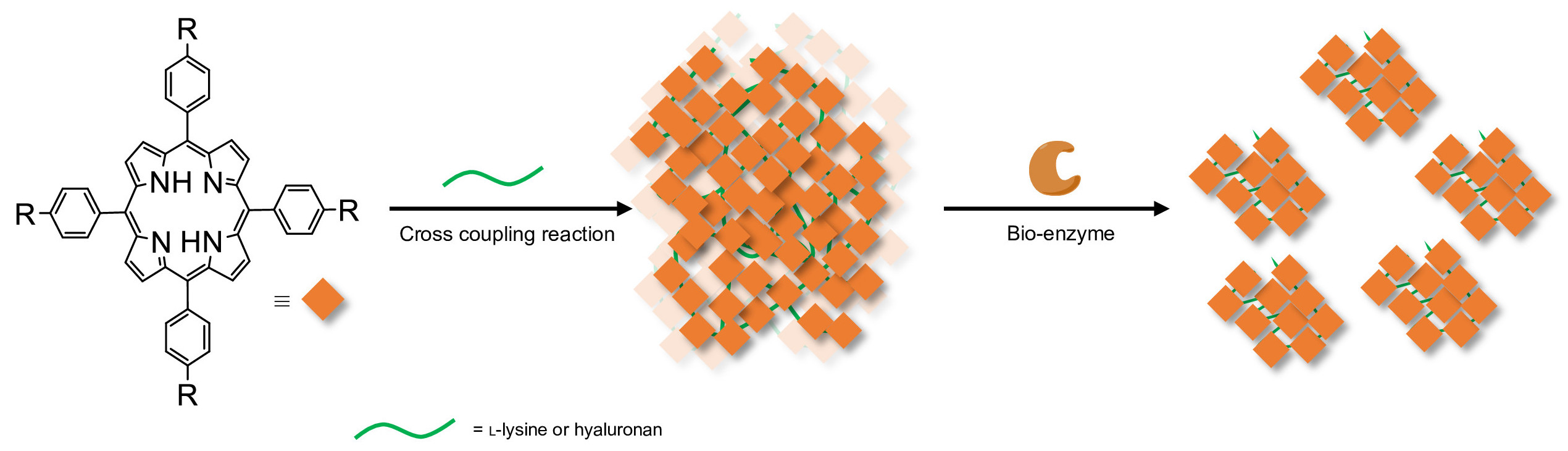
Varying the linkers and the core components held together by the linkers allows a range of different nanoparticles to be created, each with differing chemical and physical properties and differing sizes.
The researchers made several types of nanoparticles to demonstrate the potential of their technique. One example formed quantum dots whose optical and electronic properties could be useful in technological applications including molecular computation, high density data storage devices, photocatalysis and solar cells.
They also explored nanoparticles with chemical effects that could potentially be used to kill cancer cells or specific disease-causing bacteria. Another feasible medical application is to attach drugs to the nanoparticles, allowing them to achieve targeted drug delivery directly to the specific sites of disease.
“The potential of the bio-catalytic nanoparticle approach is enormous,” concludes Takano, “drawing on the chemical variability and power of naturally available enzymes opens a whole new area of opportunity in nanoparticle design and production.”
Takano has filed a patent application as the inventor of the new technique.
The researchers will now continue their exploration of this exciting new frontier, expanding the possibilities themselves while hopefully also encouraging other teams to pick up on the concept and develop their own ideas. They hope to eventually see bio-catalytic approaches commercialized and being exploited in many areas of research, technology and medicine.
Reference
Bio-catalytic nanoparticle shaping for preparing mesoscopic assemblies of semiconductor quantum dots and organic molecules
Rumana Akter, Nicholas Kirkwood, Samantha Zaman, Bang Lu, Tinci Wang, Satoru Takakusagi, Paul Mulvaney, Vasudevanpillai Biju and Yuta Takano
https://pubs.rsc.org/en/content/articlelanding/2024/nh/d4nh00134f
ONI recorded 177 scientific publications using its technology in 2026 to date, surpassing its previous annual high. Publications rose 72% in 2025, from 82 to 141.
Nicoya Lifesciences reported that BALANCE project partners demonstrated autonomous bioreactor control and integrated its Alto Digital SPR platform for automated antibody titer measurement from crude bioreactor samples.
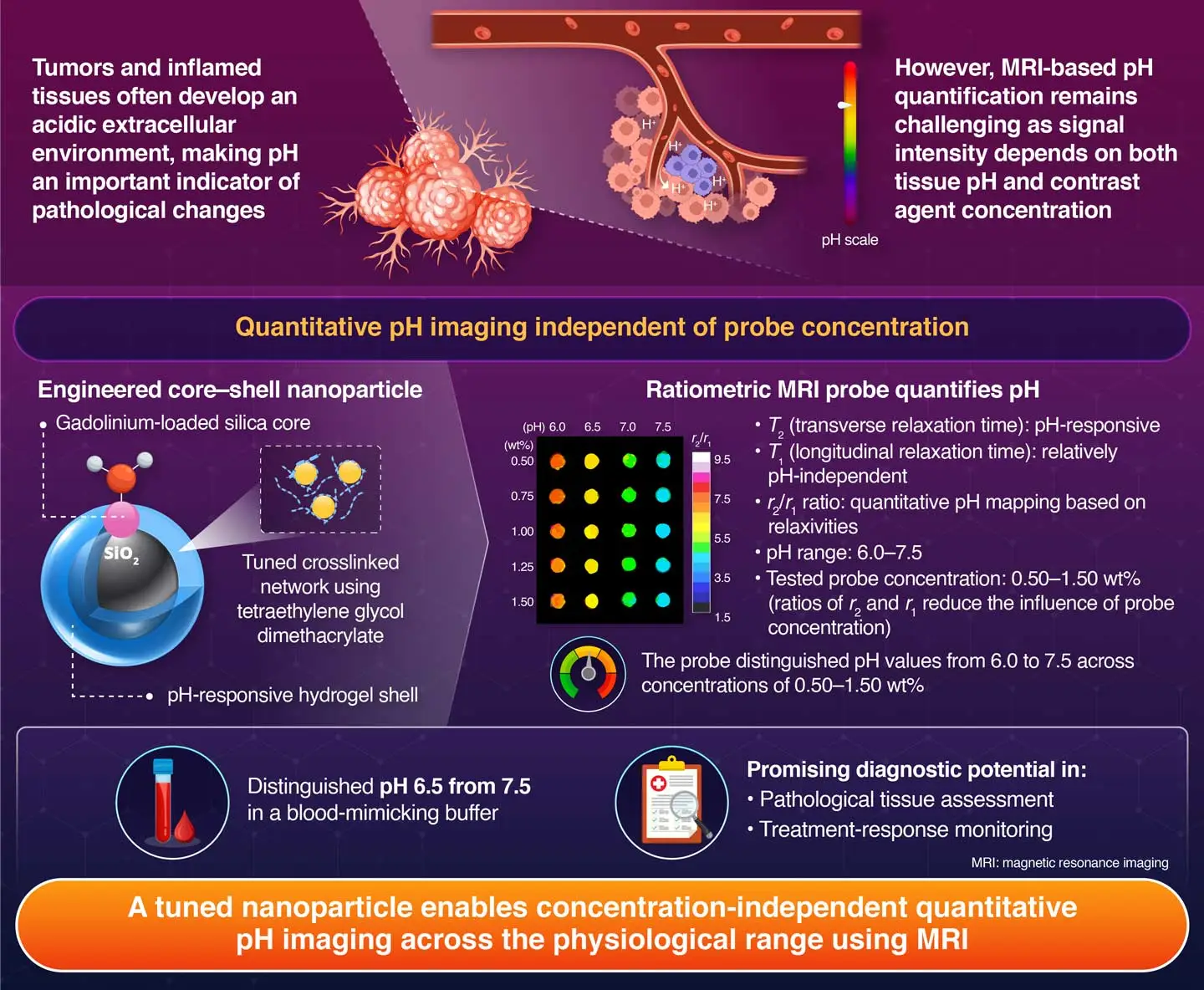
Researchers have built a core-shell nanoparticle MRI contrast agent that reports tissue pH independently of probe concentration. A gadolinium-loaded silica core sits inside a crosslinked polymer hydrogel shell tuned with tetraethylene glycol dimethacrylate; as acidity rises the shell shrinks, shifting transverse relaxivity while longitudinal relaxivity holds steady. Ratiometric imaging of the r2/r1 ratio resolved pH 6.0 to 7.5 across agent concentrations and in serum.
This week in nanotech
25 deals tracked
New products
 Ti-WCMBN Nanomaterialia Featured
 Nion-compatible In Situ STEM Holders for Electrical BiasingHummingbird Scientific Featured
 GiiiGii
Market insights
Last 30 days: Semiconductors & Electronics was the busiest vertical: 55 of 176 events (31%).
Money raised per month