DOE/Oak Ridge National Laboratory
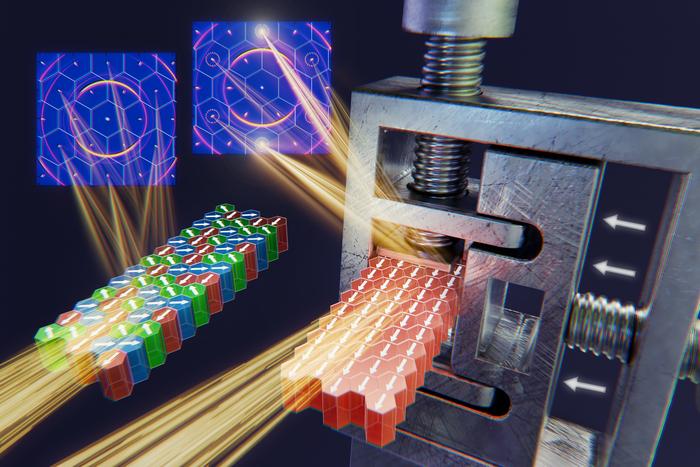
Researchers at the Department of Energy’s Oak Ridge National Laboratory used neutrons to reveal that a small mechanical squeeze can dramatically change the magnetic behavior of an emerging class of magnetic materials known as altermagnets.
The findings, published in back‑to‑back papers in Physical Review X and Advanced Materials, suggest mechanical strain could offer a simple way to control the magnetism and electron flow in materials being explored for future spintronic technologies.
Spintronics, short for spin electronics, relies on electron spin in addition to charge to store and process data, whereas traditional electronics relies solely on electron charge. Once the right foundational materials — including materials for altermagnets — are discovered, spintronics could advance technologies from wireless communication to quantum computing.
“By controlling the magnetic domains, we can directly influence the transport behavior, and that opens the door to exploring these materials for spintronic technologies,” said Pengcheng Dai of Rice University, a former neutron scientist at ORNL.
The research team at ORNL squeezed tiny crystals of manganese telluride and iron sulfide between two titanium plates. Neutron diffraction at ORNL’s Spallation Neutron Source showed that the mechanical strain altered the materials’ domain populations and changed an electrical response known as the anomalous Hall effect.
“What’s exciting is that one creative experimental idea — a small mechanical squeeze between two plates — can reveal entirely new magnetic behavior and push the field forward, and neutron scattering plays such a critical role, revealing the underlying change in magnetism,” said Feng Ye, an ORNL neutron scientist and co-author on both linked publications.
ORNL’s Spallation Neutron Source is a DOE Office of Science user facility.
UT-Battelle manages ORNL for the Department of Energy’s Office of Science, the single largest supporter of basic research in the physical sciences in the United States. The Office of Science is working to address some of the most pressing challenges of our time. For more information, please visit energy.gov/science. — Sumner Brown Gibbs
Reference
Uniaxial Strain Tuned Magnetism of the Altermagnet Candidate H-FeS
Weiliang Yao, Feng Ye, Zachary J. Morgan, Douglas L. Abernathy, Ruixian Liu, Sijie Xu, Yuxiang Gao, Kevin Allen, Yuan Fang, Emilia Morosan, Qimiao Si, and Pengcheng Dai
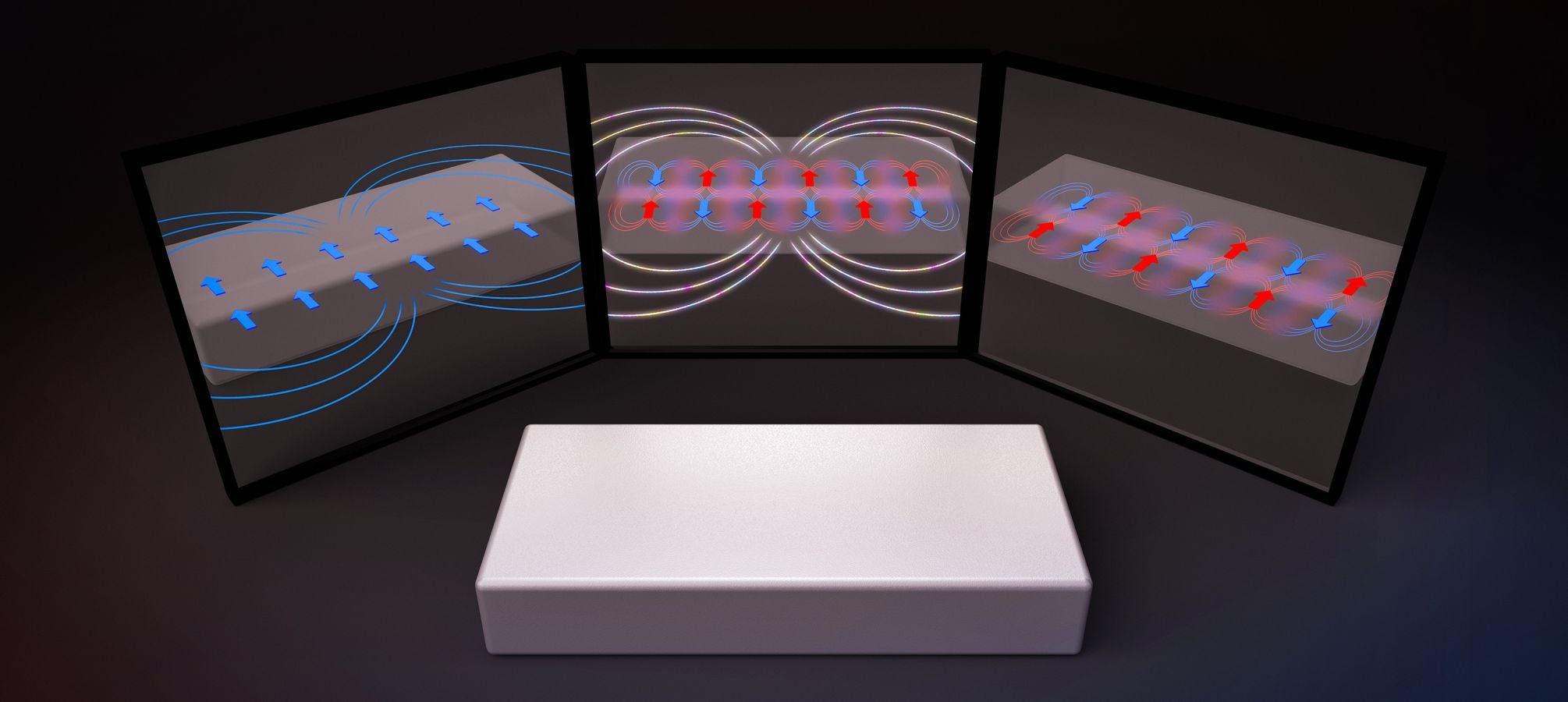
Physicists had long recognized only ferromagnetism and antiferromagnetism, but a SLAC-led team has now delivered conclusive experimental proof of a third phase: altermagnetism. Using circularly polarized X-rays at the European Synchrotron Radiation Facility, the researchers detected chirality in manganese telluride, a signature that conventional antiferromagnets cannot produce.
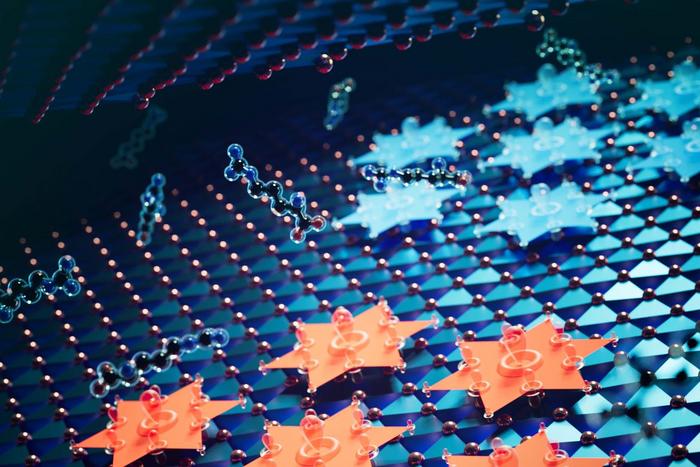
Researchers have linked atomic vibrations that carry heat and sound, known as acoustic phonons, to electron spin in ultrathin sheets of the semiconductor nickel phosphorous trisulfide. Using Brillouin-Mandelstam inelastic light scattering spectroscopy, they found the two properties correlate more strongly once spins organize into a zigzag pattern at low temperature, and that surface phonons slow near that transition.
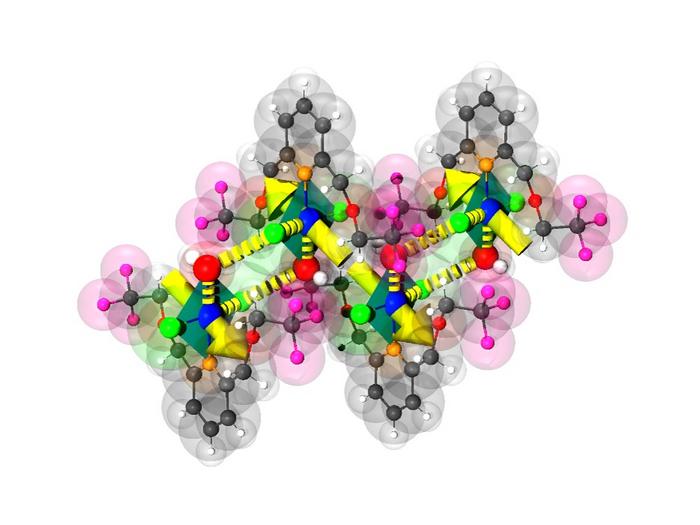
Tiny shifts in water molecule orientation can switch on magnetic coupling between copper ions that are not directly bonded, according to a study from Tohoku University and Taipei Tech. Using X-ray and neutron diffraction alongside magnetic susceptibility measurements, researchers found that cooling two fluorinated pincer-type copper complexes below 260 K orders the water molecules, splitting their hydrogen bonding pattern and producing antiferromagnetic pairs with interaction strengths near 10…
This week in nanotech
$109M raised
3 funding rounds · 18 deals tracked
New products
 Ti-WCMBN Nanomaterialia Featured
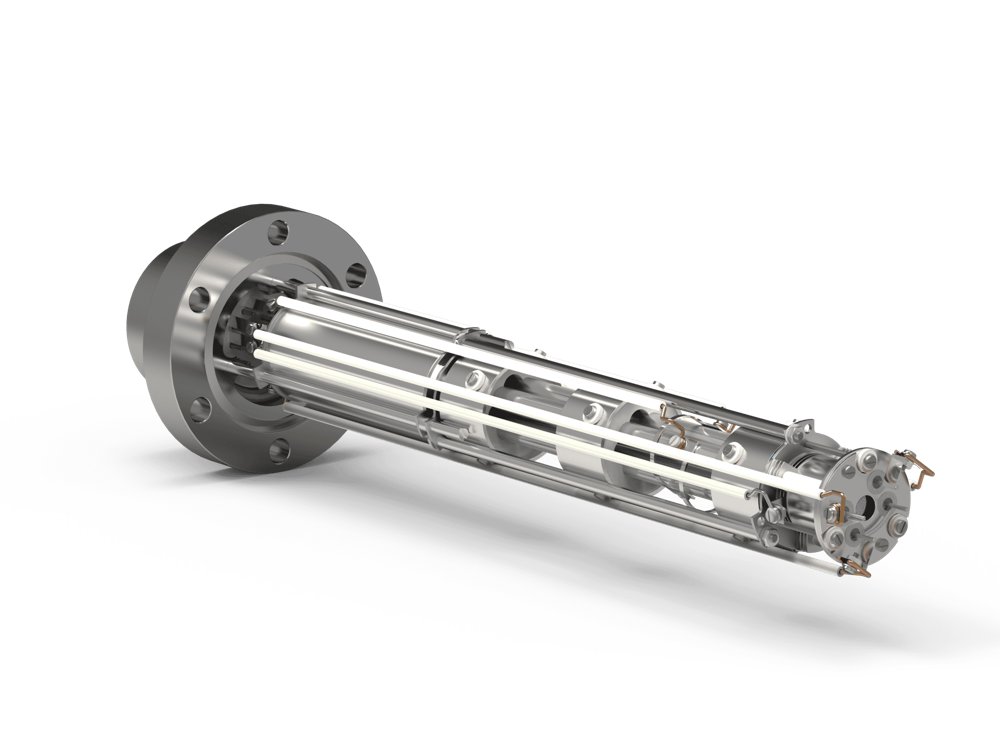 DLS-1 Mass Spectrometer for Fusion Gas AnalysisHiden Analytical Featured
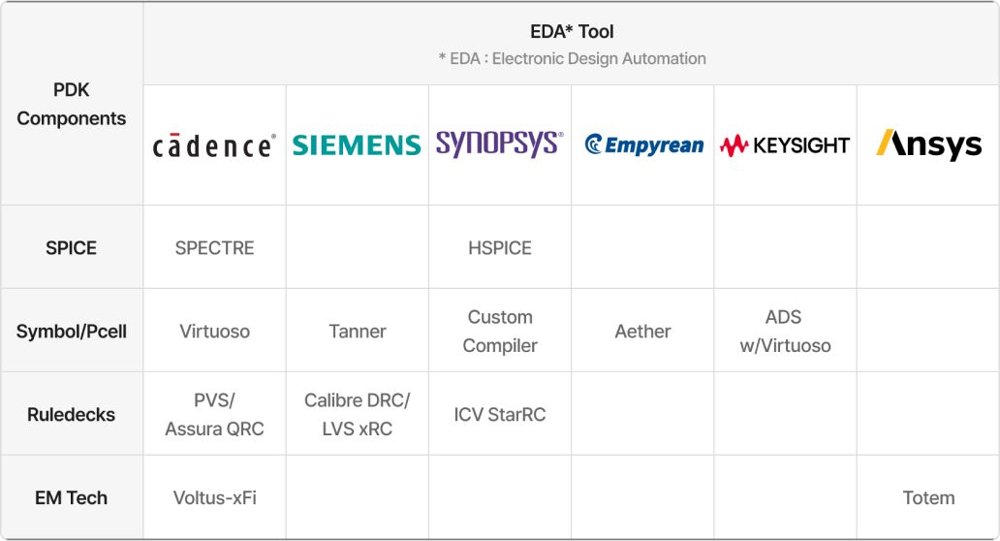 PDK (Process Design Kit)DB HiTek
Market insights
Last 30 days: Semiconductors & Electronics drew the most money: $545M.
Money raised per month
Behind the deal
Who led Sandia National Laboratories’s $3.4M Grant?
See the investors with Insights Pro →