Smoltek Hydrogen AB and hyworx GmbH have signed a Letter of Intent to jointly integrate Smoltek's porous transport electrode (PTE) into Hyworx's next-generation PEM electrolyzer stacks.
The collaboration begins with testing in a 4 kW Hyworx electrolyzer stack. The partners will further optimize iridium loading and develop current density, with joint stack testing planned from the second half of 2027. The electrode technology is then intended to follow Hyworx's roadmap into its larger L- and XL-Series stacks, aimed at multi-megawatt deployments.
Iridium is one of the major cost drivers in PEM electrolysis. Smoltek's nanostructured PTE is designed to make better use of the available iridium oxide catalyst, without ionomer or binder, so nearly all of the high-surface iridium can be active. Smoltek's anode PTE is targeting 0.1 mg iridium/cm², while remaining compatible with existing stack designs. The goal is to reduce precious-metal content, increase power density and help bring down the cost of green hydrogen.
Fabian Wenger, Head of R&D at Smoltek Hydrogen, said: "Higher current density with only a fraction of the usual iridium can boost the rated power of each stack, enabling more hydrogen production when renewable electricity is abundant and inexpensive."
The LOI is non-binding. The stated timelines and performance figures reflect development goals and lab-cell testing rather than final commercial commitments.
Source: Smoltek news

A KAIST team has developed a water electrolysis catalyst that clusters three or four ruthenium atoms in a single-atom-thick layer on a tungsten carbide support, letting neighbouring atoms cooperate while using far less precious metal. In an anion-exchange membrane electrolyzer the catalyst reached 9.82 A/cm² at 2.0 V and 80°C, matching commercial platinum while using 75% less precious metal, with roughly four times the activity per unit mass and about half the performance loss over 500 hours.
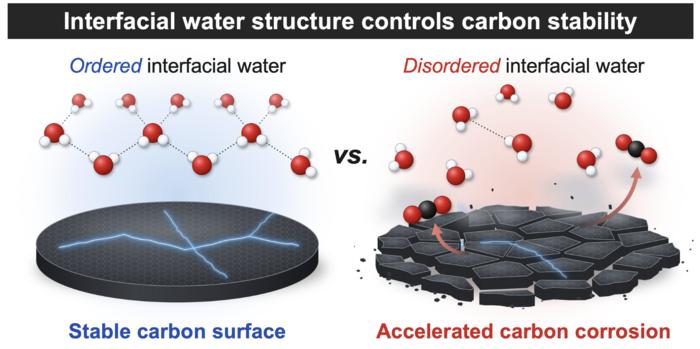
Carbon electrodes corrode under strongly oxidizing conditions, and researchers at the University of Osaka have traced part of that degradation to interfacial water. Monitoring corrosion and water structure during operation showed that weakly connected water networks were preferentially involved in oxidizing carbon to carbon dioxide, and disrupting the network increased corrosion. Reorganizing surface water with the ionomer Sustainion cut corrosion by about 51% versus Nafion.
Sila has signed a multi-year commercial offtake agreement with Panasonic Energy Corporation of North America for its Titan Silicon anode material, with the potential for over $1 billion of offtake over time.
This week in nanotech
$129.9M raised
6 funding rounds · 39 deals tracked
New products
 Nion-compatible In Situ STEM Holders for Electrical BiasingHummingbird Scientific Featured
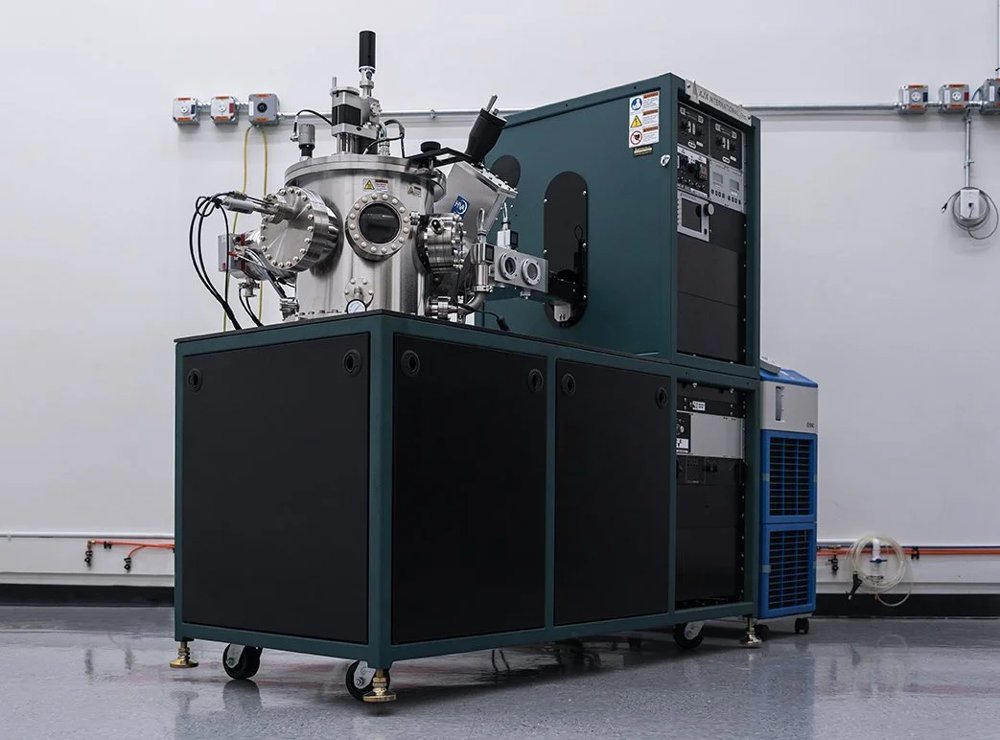 Orion Sputtering Deposition SystemsAJA International Featured
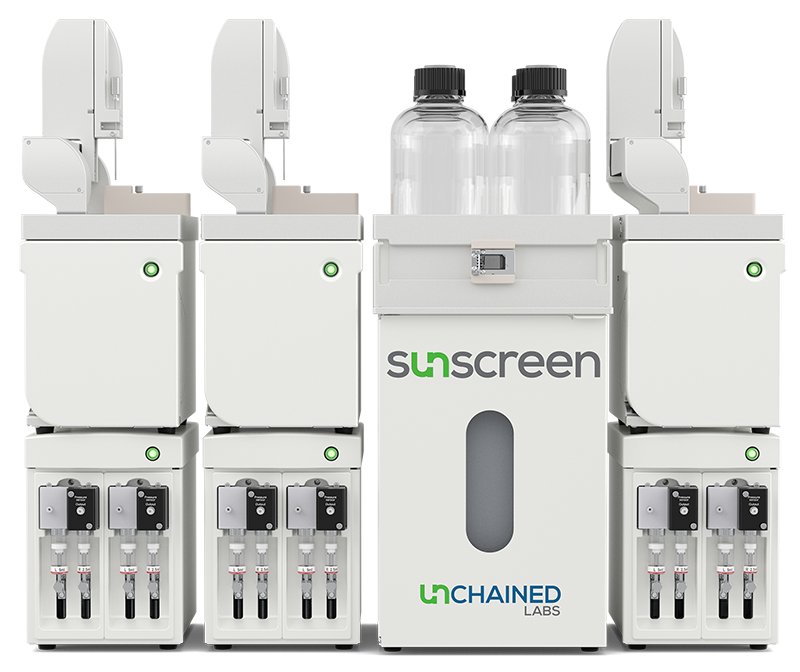 SunscreenUnchained Labs
Market insights
Last 30 days: Semiconductors & Electronics drew the most money: $547.7M.
Money raised per month